

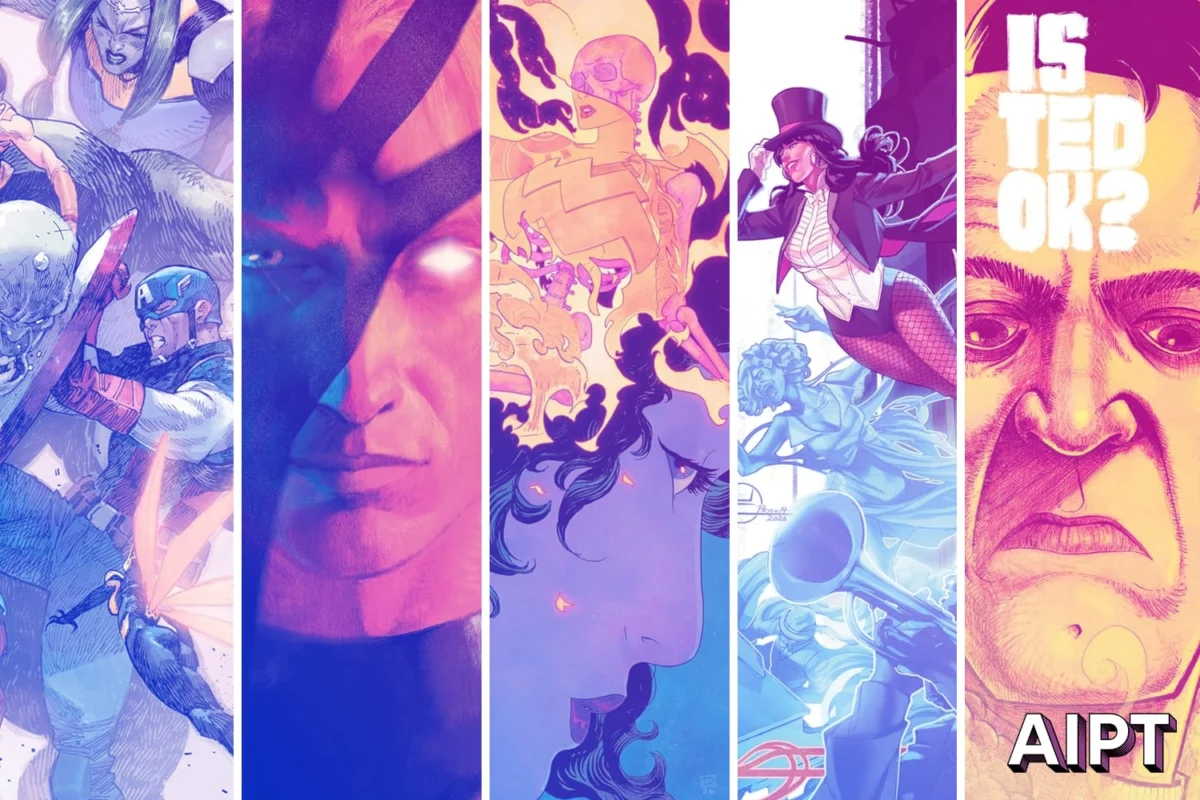
The landscape of modern comic book publishing is currently defined by a high-stakes tug-of-war between industry titans and bold, independent voices. As we look back at the week of May 27, 2026, the market was dominated by a fascinating blend of legacy character reinvention and experimental sci-fi narratives. While Marvel and DC Comics continue to command the majority of the retail space, the presence of smaller, agile publishers like Mad Cave Studios is forcing a higher standard of creative output across the board.
This week’s "Fantastic Five" highlights a diverse range of storytelling, from the tragic, internal psychological battles of The Sentry to the grand, cosmic subversions seen in the Ultimate Universe.
Main Facts: A Balanced Industry Landscape
The week of May 27, 2026, served as a microcosm for the current state of the medium. The industry is currently moving away from long-form, decompressed storytelling in favor of tighter, high-impact miniseries that offer distinct thematic conclusions.
The top five books of the week—Absolute Wonder Woman #20, The Sentry #3, Zatanna #2, The Ultimates #24, and Is Ted OK? #4—demonstrate that readers are currently rewarding narrative risks. Whether it is DC’s commitment to evolving the "Absolute" imprint or Marvel’s aggressive expansion of its new Ultimate continuity, publishers are betting big on the idea that high-concept premises must be balanced by intimate, character-driven emotional stakes.

Chronology of the Week’s Major Releases
The release cycle began with significant anticipation, as several key series hit their third or fourth installments—the "make or break" point for many limited series.
- May 26: The week opened with the release of Is Ted OK? #4. This title has been a quiet juggernaut, slowly building a cult following for its blend of grounded interpersonal drama and surrealist sci-fi elements.
- May 27: The primary release day saw a surge of high-profile content. The Ultimates #24 arrived, marking a "full circle" moment for the series. Simultaneously, DC delivered Zatanna #2 and Absolute Wonder Woman #20, while Marvel rounded out the day with the penultimate chapter of The Sentry #3.
The sequence of these releases allowed for a staggered digestion of high-impact narrative beats, with fans and critics alike spending the remainder of the week analyzing the trajectory of these series as they head toward their final chapters.
Supporting Data: Why These Five Stood Out
The selection process for this week’s list was rigorous, based on critical reception, fan engagement metrics, and narrative cohesion.
1. Absolute Wonder Woman #20 (DC Comics)
The conclusion of the "Season of the Witch" arc has been hailed as a triumph of iterative storytelling. Creators Kelly Thompson and Hayden Sherman have demonstrated a remarkable ability to process reader feedback, refining the tone of the book to better suit the character’s legacy while pushing her into bold, uncharted territory. It is currently serving as a template for how legacy characters can evolve without alienating long-term fans.
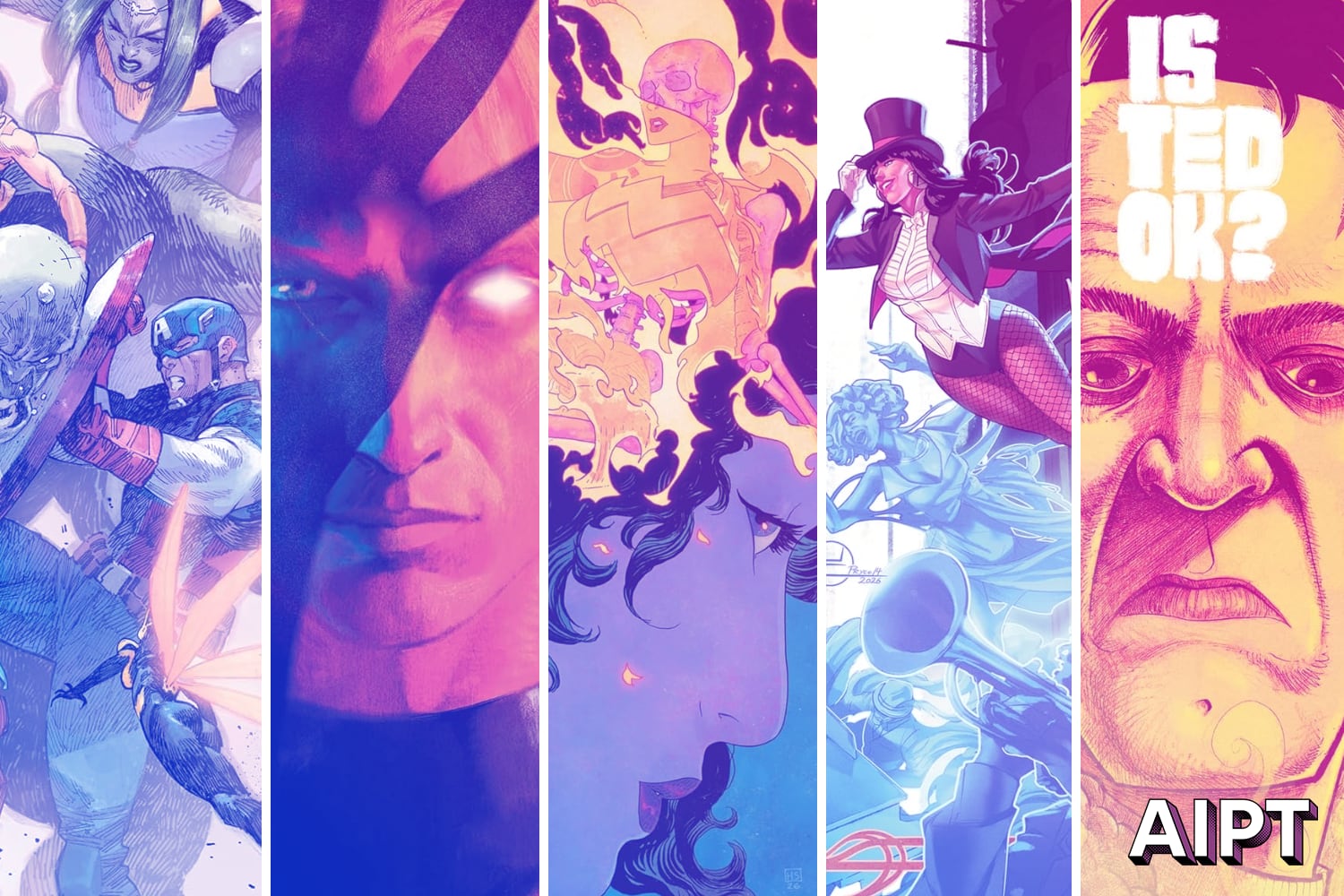
2. The Sentry #3 (Marvel Comics)
In a market often flooded with bombastic, world-ending stakes, The Sentry has stood out by choosing the opposite path. The miniseries is a masterclass in psychological tension. By focusing on the "Void" not as a physical monster, but as a manifestation of the protagonist’s deteriorating psyche, the creative team has turned a traditional superhero story into a tragic character study.
3. Zatanna #2 (DC Comics)
Visual storytelling reached a peak with Zatanna #2. Jamal Campbell’s art serves as the primary engine for the narrative here, treating the comic book page as a theater stage. The decision to frame the reader as a member of an immersive magic show audience has effectively bridged the gap between the character’s internal life and her external performance.
4. The Ultimates #24 (Marvel Comics)
The Ultimate Universe has been a massive success for Marvel in 2026, and issue #24 serves as a poignant, if bittersweet, capstone. By returning to the thematic foundations established in the series’ first issue, the creative team managed to subvert classic Marvel lore in a way that feels earned rather than gimmicky. It remains the gold standard for how to handle an alternate-universe reboot.
5. Is Ted OK? #4 (Mad Cave Studios)
Representing the independent sector, Is Ted OK? continues to push the boundaries of what the medium can achieve in terms of tonal shifting. The fourth issue successfully escalated the sci-fi elements of the story while ensuring that the central mystery—the titular question of Ted’s well-being—remained the emotional anchor of the script.

Official Responses and Creative Direction
The current editorial climate at both Marvel and DC suggests a shift in focus toward "Responsive Publishing." As noted in the analysis of Absolute Wonder Woman, the willingness of creative teams to pivot based on reader and critical discourse has become a pillar of modern editorial strategy.
"We aren’t just telling stories," noted one industry insider regarding the current success of the Absolute line. "We are engaging in a conversation with the readership. The goal is to build long-term, sustainable narratives that can adapt as the culture changes."
This philosophy has allowed titles like The Sentry and The Ultimates to explore darker, more complex themes that might have been sidelined in a more traditional, "status-quo" oriented publishing environment.
Implications: The Future of the Industry
What does this week of high-quality output mean for the remainder of 2026?

- The Rise of the Miniseries: The prevalence of three-to-four-issue arcs on this list suggests that the market is currently favoring finite, high-intensity storytelling over endless, sprawling sagas. This allows for tighter pacing and higher production value per issue.
- Visual Innovation: With titles like Zatanna pushing the boundaries of panel layouts and artistic immersion, the industry is seeing a renewed focus on the art of the comic, rather than just the plot.
- The "Third Player" Effect: The continued success of Mad Cave Studios proves that the industry is not just a binary struggle between DC and Marvel. Readers are increasingly seeking out publishers that offer genre diversity and unique creative voices, which in turn forces the "Big Two" to keep their own quality control high.
As we move into the summer months of 2026, the industry appears to be in a healthy, creative "golden age" of sorts. The success of these five titles indicates that the audience is hungry for stories that respect their intelligence, offer fresh visual perspectives, and aren’t afraid to explore the darker, more tragic sides of their favorite heroes.
The week of May 27, 2026, will likely be remembered as a pivotal moment where the balance of power began to shift toward a more collaborative, iterative, and high-concept approach to sequential art. For collectors and casual readers alike, the message is clear: the quality of the medium is at an all-time high, and the stories being told are only getting more daring.









No comments yet. Be the first to join the conversation!