Nana Muazin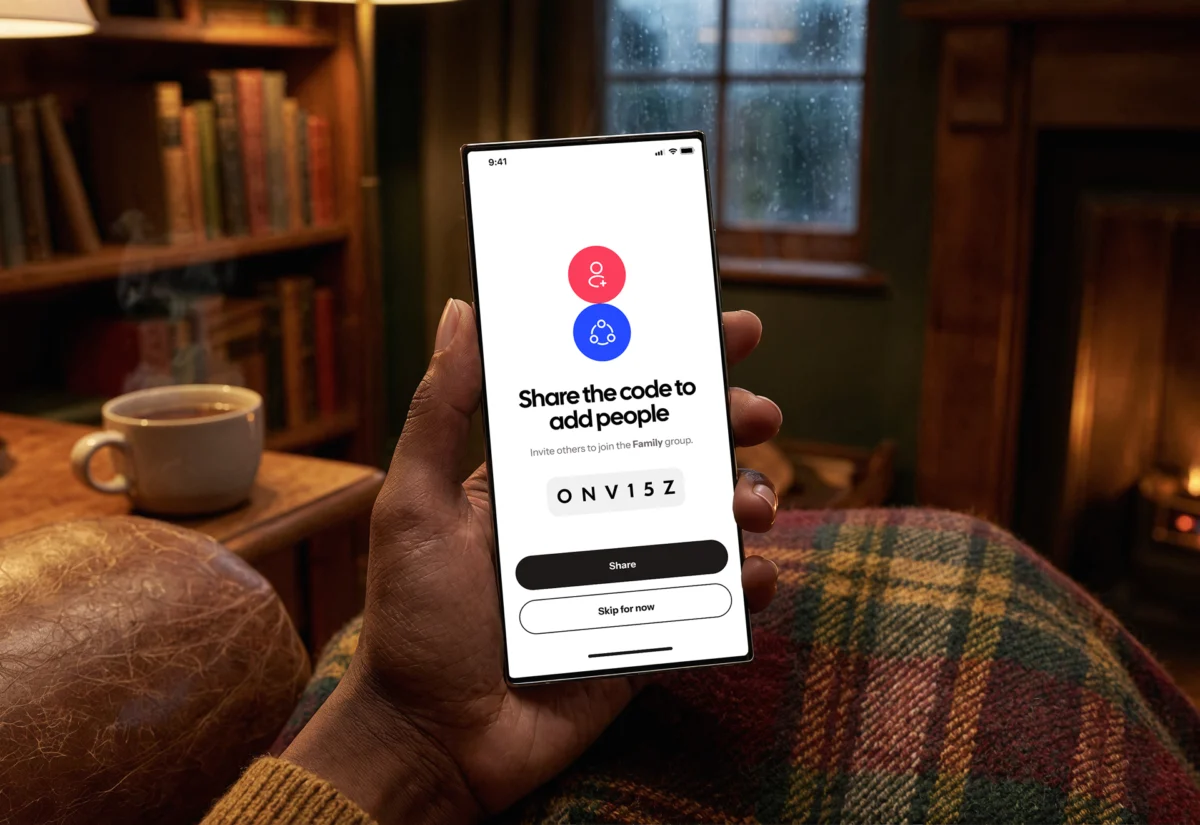
In an era where digital connectivity is ubiquitous, the ability to share one’s real-time location has become a cornerstone of modern social interaction. From parents tracking their teenagers’ safe arrival home to friends coordinating a meeting in a crowded city center, location sharing is no longer a niche feature—it is a daily utility. While Apple’s native "Find My" ecosystem remains the industry standard for iOS users, a new contender, HeyPolo, is challenging the status quo by promising a more granular, privacy-centric approach to location services. Developed by the cybersecurity experts at Surfshark, HeyPolo aims to solve the "all-or-nothing" dilemma that has long frustrated users of native tracking tools.
The Evolution of Location Sharing: Why the Status Quo is Falling Short
To understand the emergence of HeyPolo, one must first examine the limitations of existing solutions. Apple’s "Find My" application, which evolved from the "Find My Friends" service, was built on a foundation of simplicity. Its primary objective was to ensure that family members could locate one another effortlessly. However, as the demand for digital safety has grown, the rigidity of Apple’s current implementation has become apparent.
Currently, when a user opts to share their location through the Apple ecosystem, they are met with a restrictive set of temporal options: sharing for one hour, until the end of the day, or indefinitely. This lack of flexibility often leads to "forgotten" location sessions, where users inadvertently leave their tracking enabled long after the original need has passed. Furthermore, "Find My" operates on a binary of total transparency—it shares the user’s exact GPS coordinates. For users who prioritize privacy or are merely looking to communicate general proximity rather than precise street-level data, the native tools provide no middle ground.
HeyPolo: A New Paradigm in Location Control
HeyPolo represents a significant pivot in how we conceive of mobile location sharing. Developed by the team behind Surfshark, a leading name in the VPN and cybersecurity industry, the app is built on a "Privacy-First" architecture. The developers argue that location sharing should be a nuanced tool, not a blunt instrument.
By introducing precise controls, HeyPolo seeks to empower the user. It is not merely a tracking app; it is a communication tool designed to mitigate the friction between staying connected and maintaining individual autonomy. Whether it is a couple navigating the complexities of modern dating, a professional team operating in the field, or families looking for peace of mind without the "surveillance" feel, HeyPolo aims to offer a refined alternative.

Chronology of Development and Market Entry
The development of HeyPolo follows a growing trend in the software industry where cybersecurity firms are moving beyond encryption tools into the consumer utility space.
- Initial Conception: The team behind Surfshark identified a recurring user pain point: the trade-off between convenience and privacy in location sharing.
- Beta Development: Throughout the previous year, the team focused on creating an encrypted framework that could handle real-time location data without logging it for advertising or third-party sale.
- Feature Refinement: The developers spent months optimizing the "Geofencing" and "Precision Control" algorithms to ensure minimal battery drain—a common criticism of third-party location apps.
- Public Launch: HeyPolo entered the market as a cross-platform-friendly solution, explicitly targeting users who felt underserved by the native limitations of iOS and Android.
- The Subscription Model: Unlike many "free" location apps that monetize user data, HeyPolo opted for a subscription-based model to ensure that the business incentives remain aligned with user privacy.
Supporting Data: The Seven Pillars of HeyPolo
HeyPolo distinguishes itself through seven core features designed to address the specific shortcomings of existing market leaders.
1. Granular Timing Controls
Rather than being forced into Apple’s "one hour or all day" binary, HeyPolo allows users to set precise start and end times. This is particularly useful for temporary situations, such as a ride-share commute or a short meeting, ensuring that the "digital breadcrumb trail" is automatically severed the moment the timer expires.
2. Location Precision Toggles
This is perhaps the most significant departure from standard tracking apps. Users can choose to share their exact location for precision navigation or a blurred or "general" location when the exact coordinates are unnecessary. This allows for a "I’m in the neighborhood" level of transparency without revealing the exact building or room the user is in.
3. Unlimited Group Management
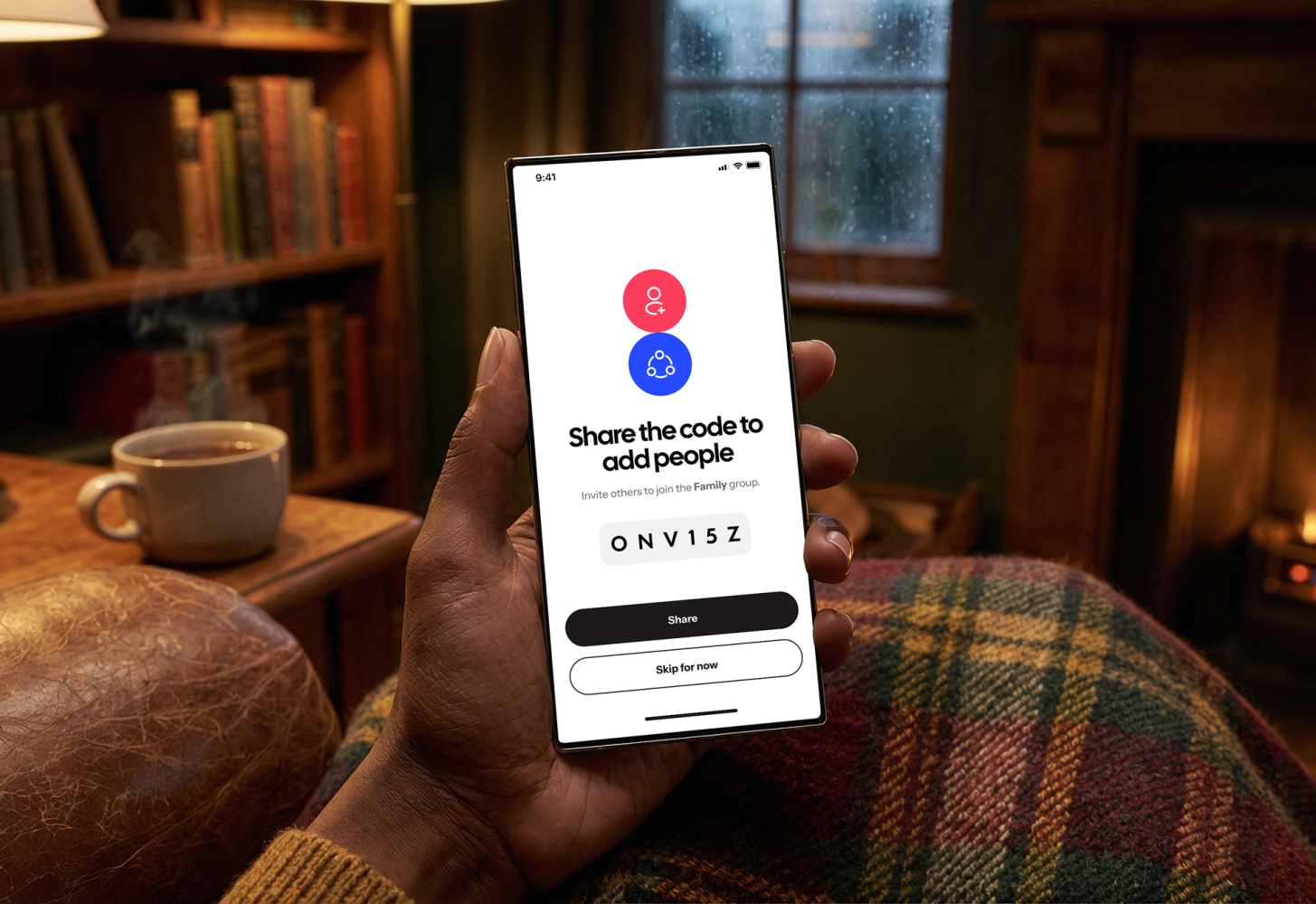
HeyPolo introduces a hierarchical structure to location sharing. Users can create dedicated groups—"Family," "Work," "Travel"—and manage permissions accordingly. Notably, the subscription model is centralized: only the group creator requires a paid membership, allowing others to participate without the financial barrier.
4. Smart Notifications and Geofencing
The app utilizes advanced geofencing to alert users when a contact enters or leaves a specific, user-defined area. This is a vital feature for parents, as it provides automated peace of mind without the need for the parent to constantly check the app.
5. Configurable Trip History
Privacy is rarely one-size-fits-all. HeyPolo offers users the ability to toggle the visibility of their trip history. This means that while a partner might be able to see that you arrived safely, they may not necessarily have access to the exact route you took, depending on the permissions you set.
6. Teen Driver Monitoring
For parents of new drivers, the app provides insights into driving behavior, including speed and braking habits. This serves as a "coaching" tool rather than a punitive one, providing data that can be used to foster better driving habits within the family.
7. The Zero-Sale Policy
Perhaps most importantly, HeyPolo addresses the "data monetization" fear. In a digital economy where location data is one of the most valuable commodities, the company has made an explicit commitment: all data is encrypted in transit, and the company refuses to sell, monetize, or exploit user location history for third-party advertising.
Official Stance: The Privacy Promise
The developers at Surfshark have been vocal about the "privacy paradox" inherent in location tracking. In official communications, they have stated: "Your location is your most personal data point. It tells a story of where you live, where you work, and who you see. To treat that data as a product is a fundamental breach of trust."
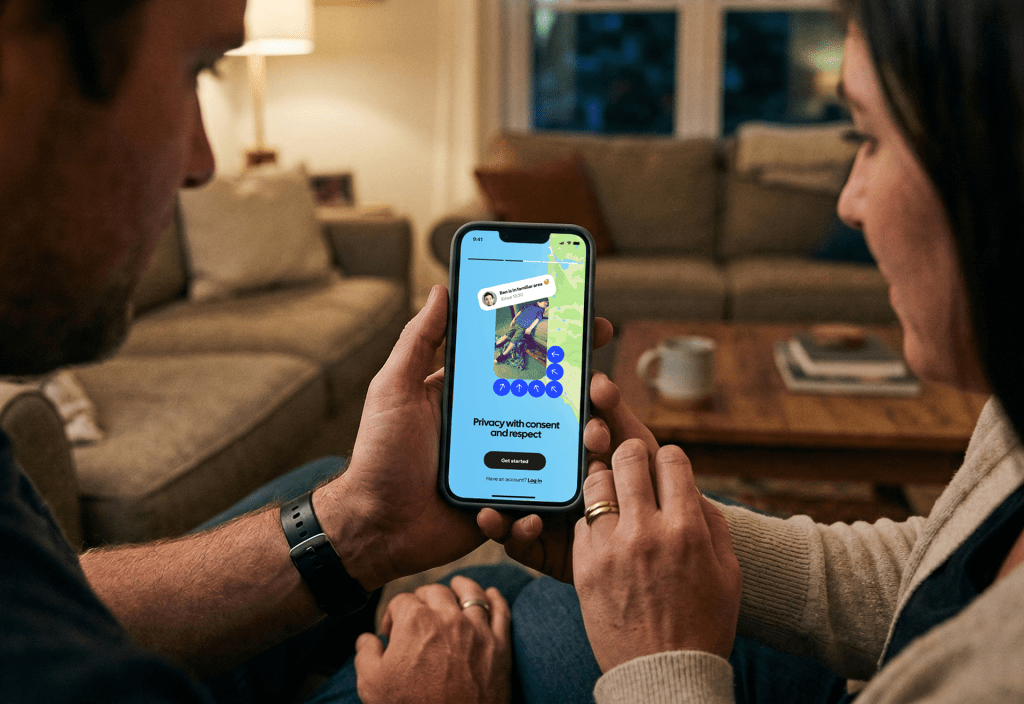
This official stance is reflected in their decision to utilize end-to-end encryption for all location pings. By ensuring that not even the service provider can interpret the raw data, HeyPolo positions itself as a "zero-knowledge" service. This approach is intended to build trust with a demographic that has become increasingly skeptical of Big Tech’s data-mining practices.
Implications for the Future of Personal Tracking
The launch of HeyPolo carries significant implications for the broader tech industry.
The Shift Toward "Nuanced" Connectivity
If HeyPolo succeeds, it could force tech giants like Apple and Google to rethink their native location-sharing features. Just as iOS has introduced more granular permission settings for microphones and cameras over the years, there is a clear market demand for more granular control over location. We may see Apple eventually adopt "Precision Toggles" or "Timed Expirations" in future versions of iOS as a direct response to the market standard set by apps like HeyPolo.
The Monetization Debate
HeyPolo’s subscription model ($47.88 per year, or $3.99 per month) is a bold attempt to prove that users are willing to pay for privacy. For years, the prevailing wisdom was that consumers would not pay for privacy-focused tools, preferring "free" services subsidized by ads. HeyPolo’s success or failure will provide critical data on whether the average consumer is finally willing to put a price tag on their digital footprints.
Cybersecurity and Personal Safety
The intersection of location tracking and cybersecurity is a growing field. By leveraging the expertise of a VPN company, HeyPolo effectively treats location data as a sensitive network packet. This approach sets a new benchmark for safety, particularly for vulnerable populations who may be at risk of stalking or unauthorized surveillance. It forces the industry to ask: If a location app isn’t built with cybersecurity-grade encryption, should it be trusted with our location at all?

Evaluating the User Experience: A Practical Outlook
For the average user, the choice between the native "Find My" and a third-party app like HeyPolo comes down to a trade-off between convenience and control. "Find My" has the advantage of deep system-level integration; it is always there, doesn’t require a subscription, and is baked into the OS.
However, HeyPolo offers the kind of "power-user" features that the native app lacks. The ability to set precise geofences and share vague location data is a significant upgrade for those who feel that the current options are too intrusive. Furthermore, the inclusion of a 30-day money-back guarantee and a 7-day free trial lowers the barrier to entry, allowing users to test the app’s performance against their own specific needs.
Final Thoughts: The Path Forward
As our lives become increasingly digitized, the tools we use to manage our safety and our social circles must evolve. We are moving away from an era of "blind trust" in big-platform utility apps toward an era of "informed consent" and granular control.
HeyPolo is more than just another app on the App Store; it is a signal of a shift in consumer sentiment. Whether you are a parent looking for a better way to monitor your family’s safety, or an individual who wants the benefits of location sharing without the feeling of being constantly "on the map," the market is finally providing options that respect the user’s right to privacy.
While the "Find My" app will likely remain the default for the majority of casual users, the existence of a high-functioning, privacy-first alternative is a victory for the consumer. As we look to the future, the success of platforms like HeyPolo may very well define the next decade of personal digital privacy. By placing the power back into the hands of the user, HeyPolo is not just telling us where our friends are—it is showing us where the future of personal technology is headed.

 Siti Muinah
 Layla Zulfa