Muslim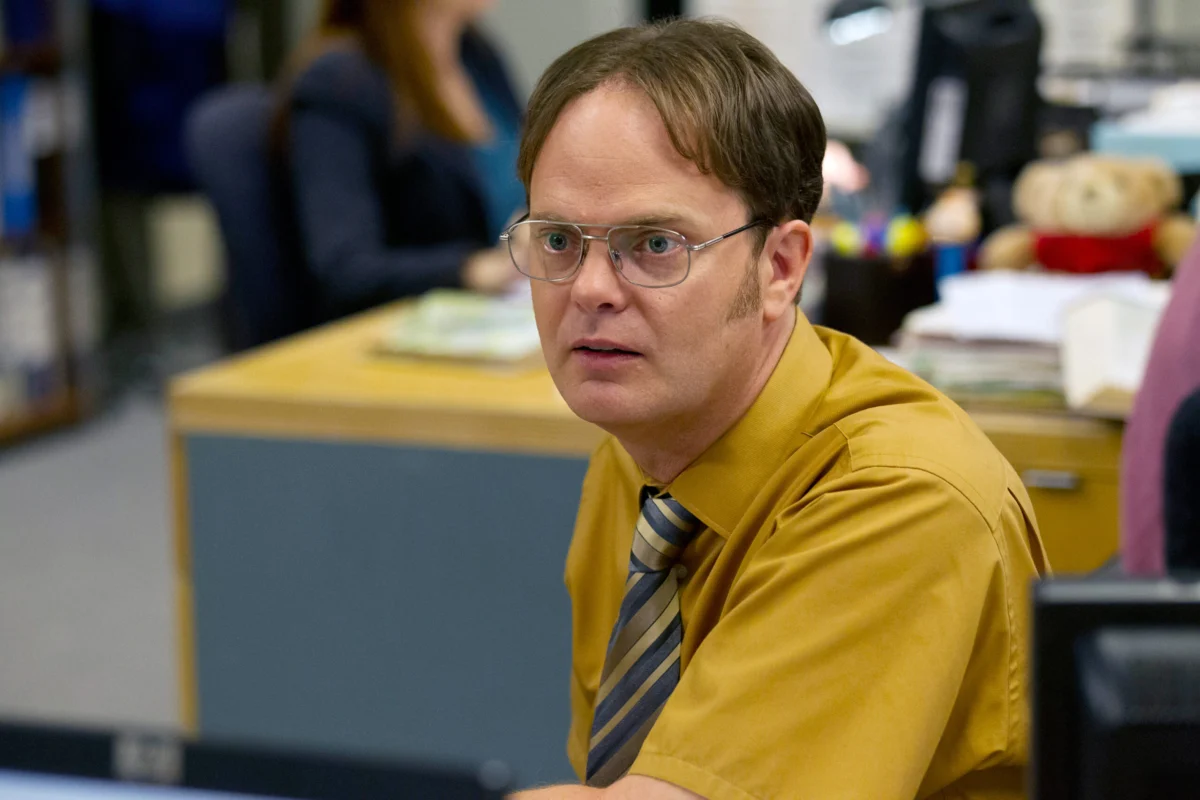
In the annals of television history, few programs have achieved the enduring, omnipresent status of NBC’s The Office. For nine seasons and 201 episodes, the mockumentary followed the mundane, often chaotic lives of the employees at Dunder Mifflin Paper Company. However, as the cultural landscape shifts, one of the show’s most iconic stars, Rainn Wilson, has reignited a debate regarding whether the series could survive the scrutiny of the modern era.
Wilson, who portrayed the eccentric, beet-farming assistant to the regional manager, Dwight Schrute, recently spoke with Fox News Digital, offering a candid assessment of the show’s legacy. His conclusion was definitive: the specific brand of “politically incorrect” humor that defined the Scranton branch would likely be deemed untenable in today’s cultural climate.
The Anatomy of "Inappropriate" Humor
At the heart of Wilson’s argument is the nature of the show’s central characters. Michael Scott, played by Steve Carell, and Dwight Schrute were written as paragons of obliviousness. Their lack of self-awareness was not merely a character trait; it was the engine that drove the show’s narrative conflict and comedic rhythm.
“I do feel like you couldn’t make The Office today,” Wilson remarked during the interview. “I think that would be too hard to be as politically incorrect as the show was. And I do kind of miss that.”
Wilson posits that the show’s success was built on mining “really inappropriate” behavior for comedic gold. While the writing team and the actors used this lack of awareness to critique the very characters they were portraying, Wilson suspects that such nuance would be lost or rejected in the current environment. Even with the understanding that the audience was meant to view these characters as buffoons rather than heroes, Wilson argues that modern sensibilities would find the content too jarring to broadcast.
A Chronology of Controversy and Reflection
The conversation regarding The Office’s suitability for modern audiences is not a new one. Over the past decade, as streaming services brought the show to a new generation, critics and fans alike have re-evaluated specific episodes through a more contemporary lens.
- 2005–2013: The Office airs on NBC, defining the workplace comedy genre for a generation. It wins numerous awards and becomes a cultural touchstone.
- 2020–2022: As the show becomes the most-streamed program on platforms like Peacock, social media discourse begins to highlight moments of casual racism, sexism, and harassment within the show’s scripts.
- September 2025: Rainn Wilson appears on the podcast The Last Laugh, where he describes the show as “jaw-droppingly” offensive, specifically citing the “A Benihana Christmas” episode.
- September 2025: The spiritual successor to the franchise, The Paper, premieres on Peacock, proving that while the original format may be considered a relic, the appetite for Dunder Mifflin-style storytelling remains high.
- 2026: Wilson doubles down on his stance, asserting that the character arcs of Michael, Dwight, and others would be impossible to replicate in the current media landscape.
Wilson’s focus on the “Benihana Christmas” episode serves as a primary case study for his argument. In that episode, Michael and Andy (Ed Helms) mark an Asian woman with a permanent marker to distinguish her from her friend, a plot point that relies on the characters’ profound insensitivity. “They’re clueless and in their cluelessness they’re racist and insensitive,” Wilson explained. “And they’re always saying the wrong thing. It’s a show based around clueless, insensitive, racist, sexist people that kind of mirrors the United States in a lot of ways.”
The Successor: The Paper and the Evolution of the Genre
While Wilson argues that the original Office could not be made today, the network television ecosystem has attempted to evolve the format. The Paper, which premiered on Peacock in September 2025, serves as a spiritual sequel to the original series.
Starring a diverse ensemble cast including Domhnall Gleeson, Sabrina Impacciatore, and Oscar Nuñez, The Paper shifts the focus from a paper supply company to a struggling Midwestern newspaper. The show has already been renewed for a second season, indicating that the mockumentary format—which relies on “talking heads” and handheld camera work—remains a viable creative vehicle.
However, The Paper represents a shift in tone. While it retains the mockumentary aesthetic, the industry has clearly signaled that the “clueless” archetypes of the early 2000s have been replaced by more self-aware, socially conscious comedic characterizations. The industry has learned that while audiences still crave the intimate, observational style of the workplace sitcom, the boundaries of what constitutes "acceptable" humor have shifted significantly toward empathy and away from the shock-value insults that propelled Dwight and Michael.
The Implications for Media Consumption
The debate surrounding The Office highlights a broader tension in the entertainment industry: the friction between "art as a reflection of reality" and "art as a tool for social progress."
Proponents of Wilson’s view argue that the removal of such humor sterilizes art. They suggest that by sanitizing the characters, television loses the ability to effectively satirize human flaws. If a character cannot be shown as ignorant, they argue, the audience loses the opportunity to learn from the character’s mistakes.
Conversely, those who agree that the show would not survive today point to the power of media representation. They argue that television has a responsibility to avoid perpetuating harmful tropes, even when the intention is satire. For them, the “inappropriate” nature of The Office isn’t a badge of honor, but a reflection of the systemic biases present in the media landscape of the early 2000s—biases that audiences today are rightly less willing to tolerate.
Looking Forward: Can Comedy Coexist with Sensitivity?
As the industry prepares for the second season of The Paper, the question remains: is there a middle ground? Can we have the sharp, witty, and character-driven comedy of The Office without the “jaw-dropping” insensitivity that Wilson identifies as the show’s hallmark?
Most industry analysts suggest that the future of the workplace sitcom lies in "character-first" humor that prioritizes emotional intelligence. The shift is already visible in hit comedies like Abbott Elementary, which, while still a mockumentary, manages to find humor in workplace dynamics without relying on the overt insensitivity that defined the Dunder Mifflin era.
Rainn Wilson’s reflections serve as a sobering reminder of how quickly cultural norms evolve. What was considered “edgy” and “subversive” in 2005 is viewed through a vastly different lens in 2026. While The Office remains a masterclass in comedic performance and timing, it stands as a time capsule—a product of a bygone era that captured the essence of the American workplace at a specific, and perhaps now unreachable, moment in time.
Whether or not the show could be made today is ultimately a moot point for fans; the existing 201 episodes remain readily available, serving as both a source of comfort and a subject of intense academic and social debate. As Wilson noted, it is a “tricky conversation,” but one that is essential for understanding how the stories we tell reflect—and ultimately shape—our society.

 Neng Nana
 Rifan Muazin