Dwi Wanna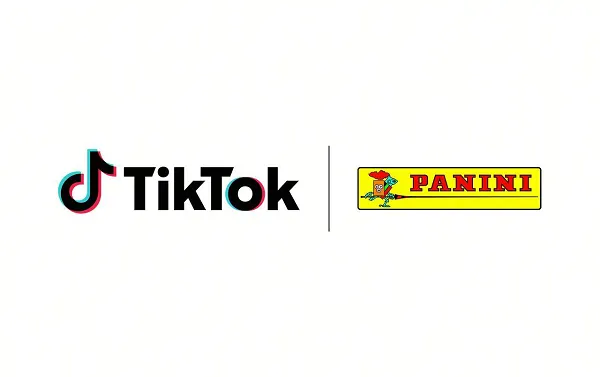
The meteoric rise and subsequent collapse of the Non-Fungible Token (NFT) market in the early 2020s left many analysts and casual observers convinced that digital collectibles were a permanent casualty of the "crypto winter." Once touted as the future of ownership and brand loyalty, the space was quickly marred by speculation, volatility, and a perceived lack of utility. However, a significant pivot is underway. TikTok, in a strategic partnership with legendary collectibles manufacturer Panini, has announced a new digital trading card experience tied to the 2026 FIFA World Cup, signaling that while the "NFT" label may be toxic, the psychological appeal of digital collecting remains a potent tool for platform engagement.
The Mechanics of the Collection: A New Era for Panini
The collaboration between the short-form video giant and Panini—a brand synonymous with physical sticker albums and cardboard trading cards—aims to modernize the traditional collecting experience. The 2026 FIFA World Cup digital collection will feature 144 unique cards, encompassing players from all 48 nations participating in the tournament. Each nation will be represented by three distinct cards, creating a tiered rarity structure that mirrors the thrill of opening physical wax packs.
Beyond the standard sets, the platform is introducing "Wild cards," which users can earn by hitting specific platform milestones. This gamification is central to the project’s design: rather than purchasing assets with cryptocurrency or speculating on market value, users earn their collections through active participation. By completing daily tasks—such as following official accounts, engaging with content via comments, or sharing tournament highlights—users unlock new cards.
The social element is equally critical. TikTok has confirmed that users will be able to trade duplicate cards with friends and peers, a feature designed to foster community interaction and extend the "shelf life" of the World Cup content on the app.
A Strategic Timeline: Building Toward 2026
The rollout of this initiative is part of a broader, multi-year strategy by TikTok to position itself as the premier digital hub for global sports events.
- Initial Engagement Phase: Leading up to the tournament, TikTok has begun seeding the platform with "Creator Correspondents," a program designed to bring authentic, behind-the-scenes perspectives to the FIFA World Cup.
- The Launch: As the 2026 tournament approaches, the digital card experience will go live, serving as an interactive companion to the matches themselves.
- Continuous Rollout: TikTok has confirmed that new activities and card-unlocking mechanics will be introduced throughout the duration of the tournament, ensuring that user retention remains high even after the group stages conclude.
- The Closing Act: Post-tournament, the digital collection is expected to serve as a retrospective, allowing fans to hold onto a digital "trophy case" of their favorite moments from the 2026 World Cup.
Supporting Data: Why TikTok is Betting on Sports
TikTok’s decision to move into digital collectibles is not a shot in the dark; it is backed by compelling internal and external data regarding user behavior. Recent analytics indicate that 59% of TikTok users consume sports content directly within the app. Perhaps more importantly, a significant portion of this demographic reports that they find TikTok-native highlights—often edited with music, commentary, and creative transitions—more entertaining than the traditional, long-form broadcast of the actual games.
By integrating a collectible card system, TikTok is essentially attempting to turn the "second screen" experience into the "first screen" experience. When users are already spending hours scrolling through highlights and analysis, the addition of a reward system creates a "hook" that encourages longer sessions and deeper interaction with tournament-related content. In an attention-based economy, this increases the total time spent on the app, which in turn bolsters the platform’s advertising value.
Official Perspectives and Industry Implications
The partnership with Panini is a calculated move to borrow legitimacy from a brand that has dominated the sports collectibles industry for decades. Panini, which has struggled to transition its physical heritage into the digital age, finds in TikTok a massive, ready-made audience of younger, digitally native fans.
"This is about bridging the gap between the physical nostalgia of sticker albums and the digital habits of Gen Z and Alpha," notes an industry analyst familiar with the deal. "By removing the barrier of crypto-wallets and volatile marketplaces, they have turned a ‘collectible’ into a ‘reward,’ which is much more palatable to the average user."
The implications for the broader tech industry are significant. If this project proves successful in driving engagement metrics, it is highly probable that other platforms will follow suit. Meta, which previously experimented with NFT integrations on Instagram and Facebook before scaling them back, is likely watching these developments with interest. Should TikTok demonstrate that digital collectibles can drive meaningful platform activity without the baggage of blockchain-based financialization, it is easy to imagine Instagram implementing similar "Achievement Badges" or "Digital Trading Cards" for events like the Olympics, the Super Bowl, or the UEFA Champions League.
Beyond the Hype: Are NFTs Back?
To answer the question of whether NFTs are "back," one must distinguish between the technology and the utility. The initial NFT wave was focused on scarcity and financial speculation—essentially treating JPEGs as speculative assets. The TikTok-Panini model, by contrast, is focused on gamification and social status.
The digital cards are likely not "owned" by users in the same way an Ethereum-based NFT would be; they are likely locked within the TikTok ecosystem. While this lack of external transferability might frustrate purists of the Web3 movement, it is a superior model for mass-market adoption. It removes the risk, the technical complexity, and the association with get-rich-quick schemes, leaving only the fun of the hunt and the pride of the collection.
Implications for Future Digital Marketing
For marketers and content creators, the implications of this shift are profound. We are seeing a move away from the "creator economy" being purely about passive consumption. Instead, we are entering an era of "participatory engagement."
- Retention over Reach: The goal is no longer just to get a user to watch a video; it is to get them to interact with an ecosystem.
- Loyalty Loops: By providing a tangible (albeit digital) reward for interacting with content, platforms can turn casual viewers into loyal participants.
- The Death of the "NFT" Label: We may see a rebranding of digital assets into terms like "Digital Rewards," "Virtual Collectibles," or "Interactive Badges," all of which serve the same function without the negative stigma associated with the 2021 market bubble.
Conclusion: The Quiet Revolution of Digital Assets
TikTok’s foray into digital collectibles during the 2026 FIFA World Cup represents a maturation of the digital asset space. It is a pivot away from the radical promises of decentralized finance and toward the practical, entertainment-driven needs of a global social platform.
By tapping into the deep-seated human desire to collect, trade, and display, TikTok is essentially re-awakening the concept of the digital collectible—not as a speculative asset, but as a mechanism for community building and engagement. As the tournament approaches, the success of this initiative will likely serve as a blueprint for how major platforms handle digital rewards in the future.
The "NFT" as a buzzword may be in decline, but the digital collectible is finding its true home. It isn’t about the blockchain; it’s about the fan experience. As the whistle blows on the 2026 FIFA World Cup, TikTok will be ready to ensure that for millions of users, the game isn’t just happening on the field—it’s happening in their collections, their trades, and their daily interactions with the world’s most popular sport. Whether this leads to a broader resurgence of digital assets on other platforms remains to be seen, but one thing is clear: the era of the digital sticker album has officially arrived.

 Nana Wu
 Ammar Sabilarrohman