Nila Kartika Wati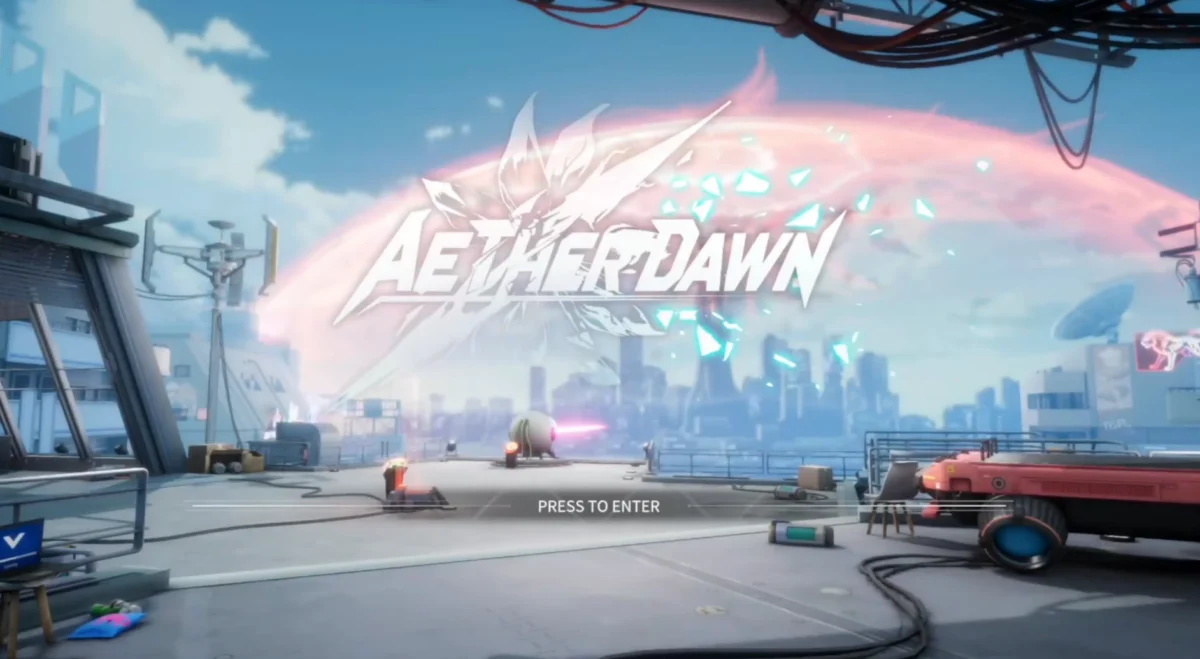
In the rapidly evolving landscape of global interactive entertainment, the emergence of a new studio often signals a shift in market trends. This week, Singapore-based developer Jin Universe Studios officially announced its launch, backed by a significant, undisclosed investment from industry heavyweights Arbitrum Gaming Ventures (AGV) and Bitkraft Ventures. This influx of capital is earmarked for the studio’s debut project, Aether Dawn, an ambitious anime-inspired hack-and-slash RPG that the founders intend to cultivate into a "long-lasting" global intellectual property.
The formation of Jin Universe Studios arrives at a pivotal moment where the lines between high-fidelity action gameplay and stylized, anime-centric aesthetics are blurring, creating a lucrative "whitespace" that traditional AAA developers have often struggled to occupy effectively.
The Foundations: A Team Forged in Industry Giants
Jin Universe Studios was co-founded by brothers Tack Wei Ho and Tack Jun Ho, both of whom bring a pedigree of high-level industry experience to their new venture. The studio’s core development team is comprised of seasoned veterans who have cut their teeth at some of the most influential companies in the sector, including Tencent, Hypergryph Network Technology, and Kuro Games.
This collective background is not merely decorative; the team’s previous credits—including work on Hitori no Shita (The Hidden Ones), Arknights, and Wuthering Waves—demonstrate a deep, granular understanding of what makes modern "live-service" anime titles successful. By leveraging experience from Arknights and Wuthering Waves, the team is uniquely positioned to balance the complex narrative demands of a story-driven RPG with the high-octane combat mechanics that define the hack-and-slash genre.
Chronology of Development: From Concept to Capital
The trajectory of Jin Universe Studios has been characterized by strategic, quiet growth. While the public announcement of the studio’s launch coincides with this new round of funding, the relationship between the founders and their primary investor, Bitkraft Ventures, dates back to the pre-seed phase.
- Pre-Seed Phase: Initial conceptualization of Aether Dawn and the formation of the core leadership team. Bitkraft Ventures identifies the project’s potential early, providing foundational support.
- Iterative Design: Throughout the last 18 months, the studio focused on refining the "game feel" of Aether Dawn, emphasizing the blend of roguelite elements with traditional ARPG combat.
- Expansion and Formalization: With the addition of Arbitrum Gaming Ventures (AGV) to the cap table, the studio moves from a small, agile startup to a formal production entity with the resources to scale operations and talent acquisition.
- Public Unveiling: The current launch phase signals the transition from "stealth mode" to active community building and global marketing efforts.
The Market Landscape: Why Anime-Style RPGs?
The decision to focus on an anime-inspired aesthetic is far from a gamble; it is a response to overwhelming market demand. As noted by co-founder Tack Wei Ho, "Anime-style games are one of the most exciting growth areas in global gaming, and player demand in this space continues to surge."
The "Aether Dawn" Proposition
The gaming market is currently saturated with titles that lean either heavily into hyper-realism or traditional platforming. Aether Dawn aims to occupy a specific, untapped middle ground. By integrating the "infinite replayability" of roguelites—a genre that thrives on randomized runs and incremental progression—with the high-octane, visceral combat of action RPGs, the studio believes it can solve the common "content drought" issue that plagues many live-service games.
This hybrid approach addresses the modern player’s need for both depth and convenience. Roguelite elements allow for shorter, impactful gameplay sessions, while the RPG progression system ensures that the player feels a sense of long-term ownership over their character—a critical factor in building a "long-lasting" IP.
Official Responses and Strategic Conviction
The partnership between Jin Universe and its investors suggests a shared belief in the studio’s execution capabilities. Jonathan Huang, a partner at Bitkraft Ventures, highlighted the consistency of the team’s vision during the investment process.
"Having partnered with Jin Universe Studios since their pre-seed, we have been consistently impressed by Tack and the team’s ability to execute their vision," Huang stated. "Aether Dawn captures a unique whitespace in the market. We are thrilled to double down on our conviction and welcome AGV to help scale the IP globally."
For Arbitrum Gaming Ventures, the investment represents a strategic entry point into a high-potential studio. By providing the capital necessary to scale, AGV is looking to secure a foothold in a project that aims to bridge the gap between traditional gaming demographics and the massive, highly engaged global anime community.
Implications for the Global Gaming Sector
The launch of Jin Universe Studios carries several significant implications for the wider gaming industry:
1. The Decentralization of Talent
The fact that a Singapore-based studio is attracting top-tier global venture capital indicates that the "talent center" of the gaming industry is increasingly decentralized. Developers are no longer restricted to the traditional hubs of San Francisco, Tokyo, or Seoul; they are setting up in regional hubs like Singapore, which offer a strategic gateway to both Western and Asian markets.
2. The Evolution of Live Service
The industry has seen a pushback against traditional live-service models that require players to grind for hundreds of hours to feel progress. By incorporating roguelite elements, Aether Dawn may offer a blueprint for how studios can keep players engaged without resorting to repetitive, "chore-like" gameplay loops. If successful, this model could be widely adopted by other mid-sized studios.
3. IP-First Strategy
The mention of building a "long-lasting IP" suggests that Jin Universe is not just looking to launch a game, but to build a universe. In an era where game franchises often translate into multimedia properties—from anime adaptations to merchandising—the focus on a strong, cohesive aesthetic is a deliberate play to build brand equity that survives beyond the initial launch window of the game.
Challenges Ahead: Navigating the "Anime-Game" War
Despite the enthusiasm surrounding the announcement, the studio faces stiff competition. Titles like Genshin Impact, Honkai: Star Rail, and Zenless Zone Zero have set a remarkably high bar for quality and production value. To succeed, Aether Dawn must distinguish itself through its mechanical depth rather than relying solely on visual flair.
The challenge for the Ho brothers will be balancing the creative freedom required to make a distinct product with the expectations of investors who are looking for a return on a significant, undisclosed sum. As the studio begins its public-facing development phase, the industry will be watching closely to see if they can translate their impressive pedigree into a finished product that resonates with the notoriously discerning anime gaming community.
Conclusion
Jin Universe Studios enters the market with a clear mission, a seasoned team, and the backing of two of the most influential venture capital firms in the gaming space. By positioning Aether Dawn at the intersection of high-octane ARPG combat and roguelite replayability, the studio is attempting to redefine what an anime-inspired game can be. While the road to launching a successful, long-term IP is fraught with risks, the strategic foundation laid by the team suggests they are well-prepared for the journey. As development continues, Aether Dawn is poised to be a title that defines the next chapter of stylized, action-oriented gaming.

 Basiran
 Nana
Nana