

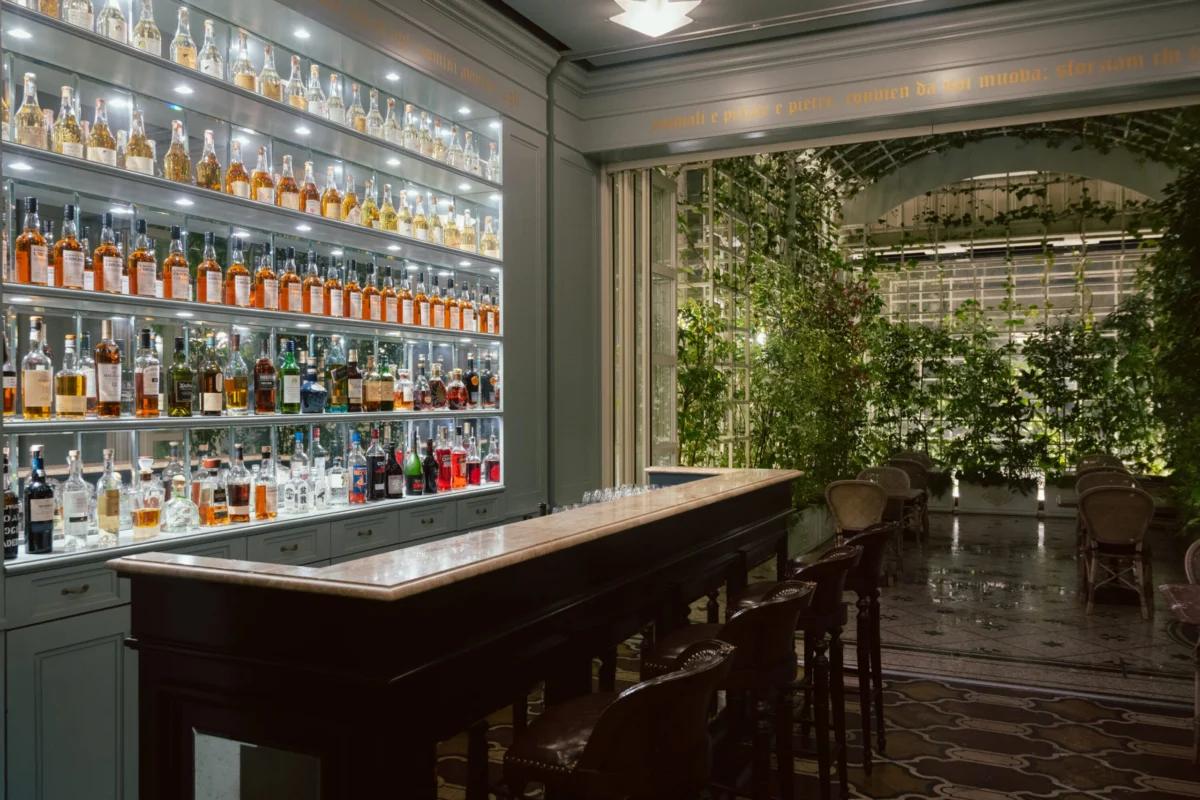
While the Michelin-starred dining room of Gucci Osteria in Tokyo has long held its position as a global beacon for high-end gastronomy, there is a quieter, perhaps more magnetic allure tucked away within its walls. The bar at Gucci Osteria, an extension of the house’s philosophy of "tasteful maximalism," has emerged as one of Ginza’s most sophisticated sanctuaries. It is a space where the rigorous standards of Italian mixology meet the refined sensibilities of Japanese hospitality, creating an environment that serves as both a gateway to the weekend and an intimate retreat from the urban pulse of Tokyo.
Main Facts: A Convergence of Fashion and Fermentation
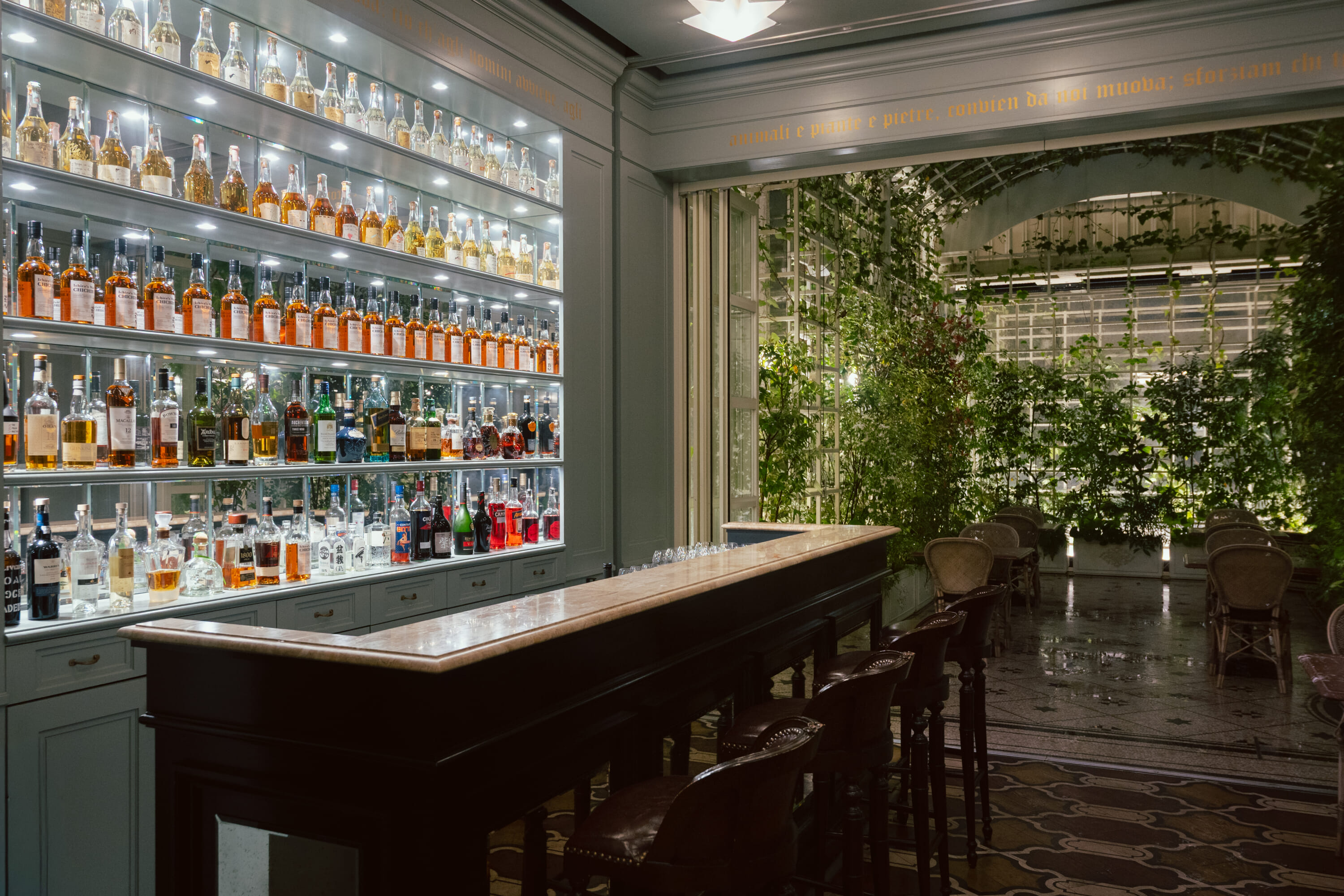
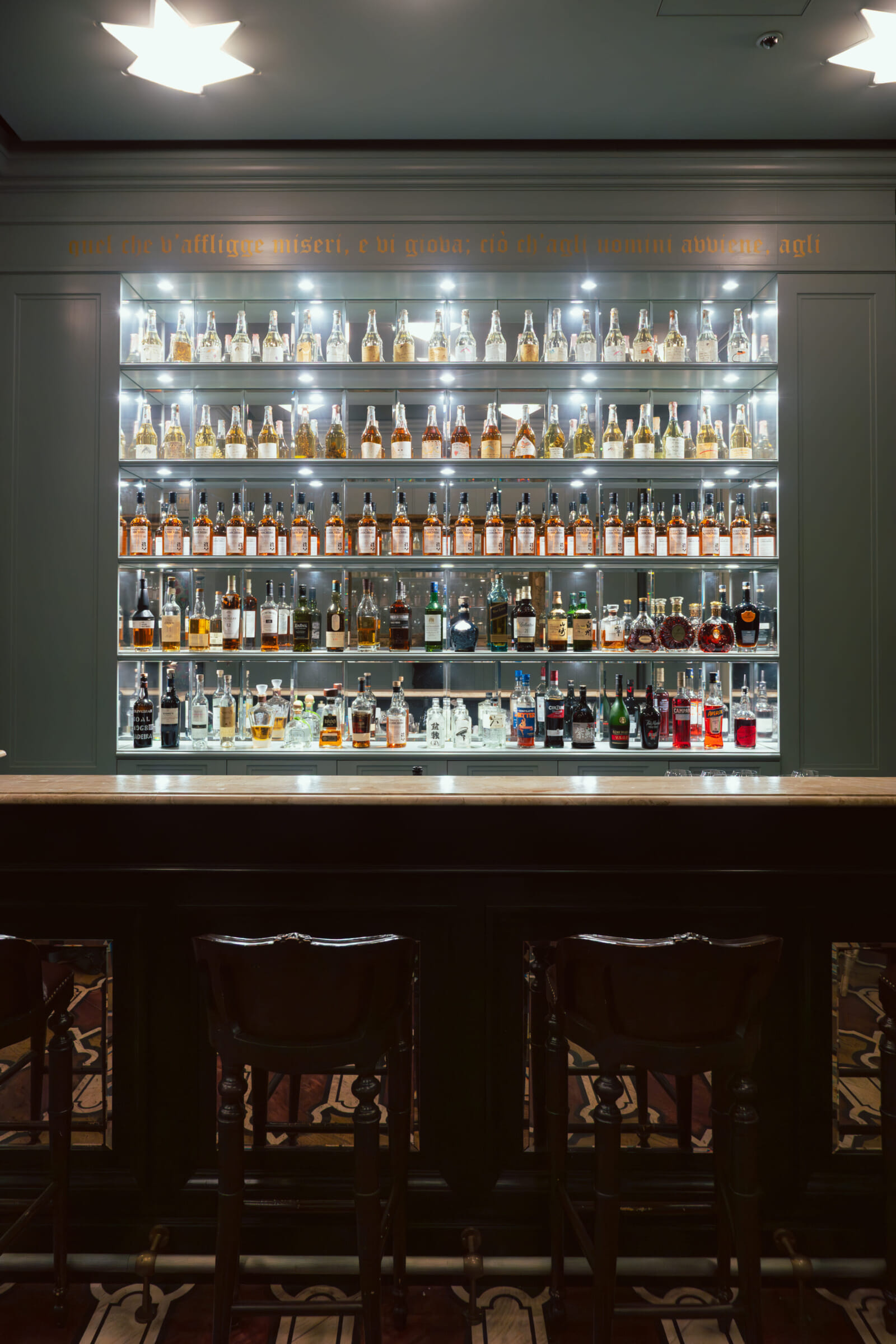
Gucci Osteria da Massimo Bottura, situated in the heart of Ginza, is more than a restaurant; it is a brand-led immersive experience. The bar, which functions as the aesthetic and social heartbeat of the establishment, is defined by its meticulous attention to detail. The interior design reflects the house’s iconic botanical motifs, featuring intricate, hand-laid mosaic floors and ornate chandeliers that cast a warm, inviting glow over the patrons.
The space is anchored by a terrace that functions as a rare, private garden in the dense concrete landscape of Ginza. This outdoor transition serves as the perfect setting for the bar’s beverage program, which prides itself on a "storied and playful" approach. By sourcing local ingredients to reinvent Italian classics, the bar staff manages to bridge the geographical distance between the streets of Florence and the avenues of Tokyo.
Chronology: From Concept to Cultural Landmark
The evolution of the Gucci Osteria bar began with the brand’s strategic expansion into the hospitality sector. Recognizing that the modern luxury consumer demands more than just a retail experience, Gucci sought to curate a lifestyle ecosystem.
- The Foundation: The launch of the Tokyo location established a base for a culinary dialogue between Italy and Japan. The bar was conceptualized not merely as a waiting area for the dining room, but as a destination in its own right.
- The Integration: Over the past two years, the bar has refined its menu to mirror the seasonal shifts of the Japanese calendar while maintaining the core identity of the Gucci aesthetic.
- The Expansion: The recent introduction of structured "Weekday Aperitivo" tiers represents a pivot toward the local professional community, offering a sophisticated venue for the "Golden Hour" transition.
- The Current State: Today, the bar is recognized as a staple for those seeking an elevated post-work drink, balancing the exclusivity of the brand with the accessibility of a neighborhood lounge.
Supporting Data: The Anatomy of the Menu
The beverage program at Gucci Osteria is a masterclass in balance. Below are the signature highlights that define the current menu:
The Japanese GG Cocktail
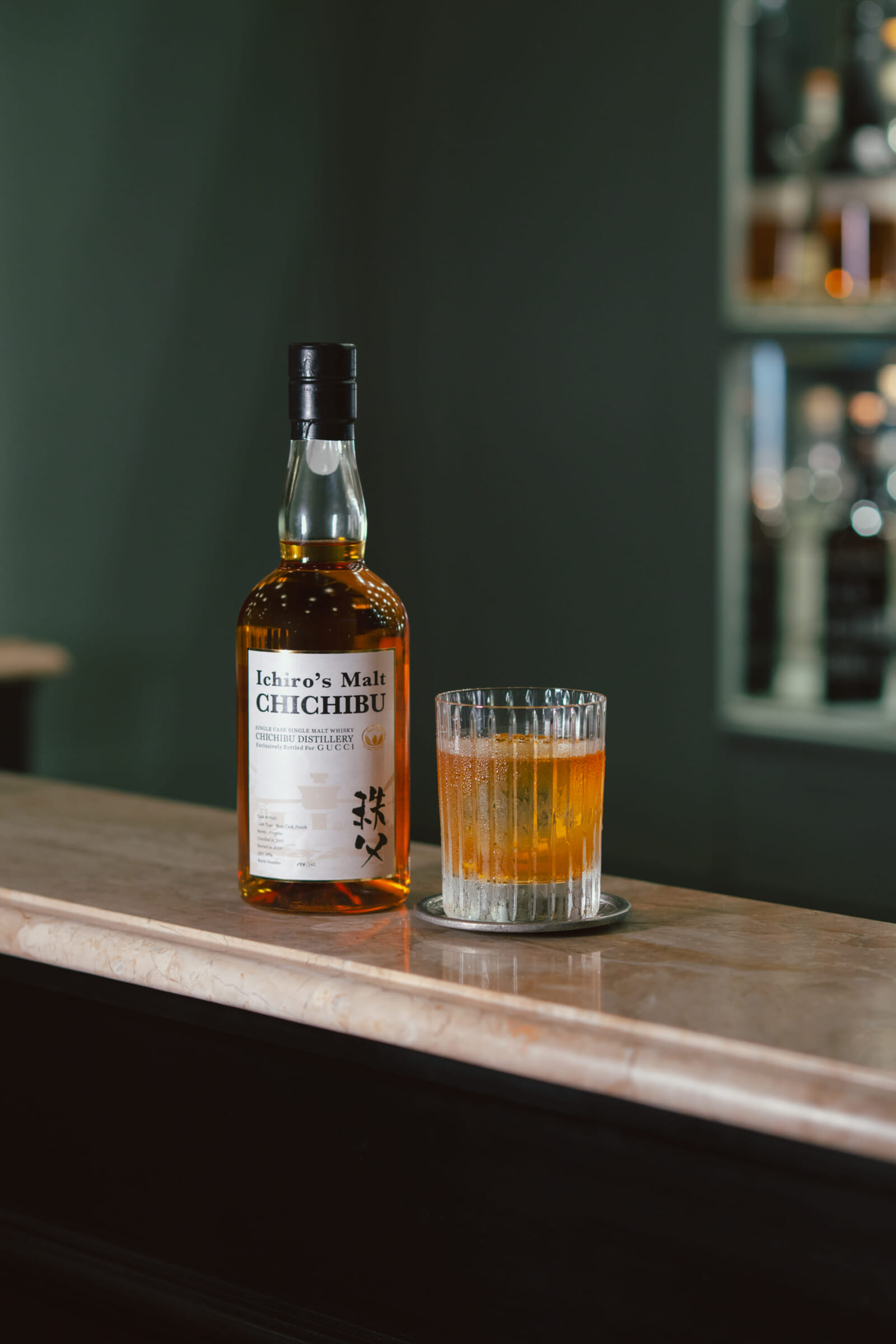
This is the house’s flagship liquid identity. By utilizing premium Ichiro’s Malt Chichibu whisky—a spirit of immense local prestige bottled exclusively for Gucci—the bar creates a bridge between the heritage of the Japanese distillery and the luxury of the Italian house. It is characterized by bright, zesty citrus undertones and a subtle herbal finish that resonates with the lounge’s airy, vibrant aesthetic.
The Espresso Martini
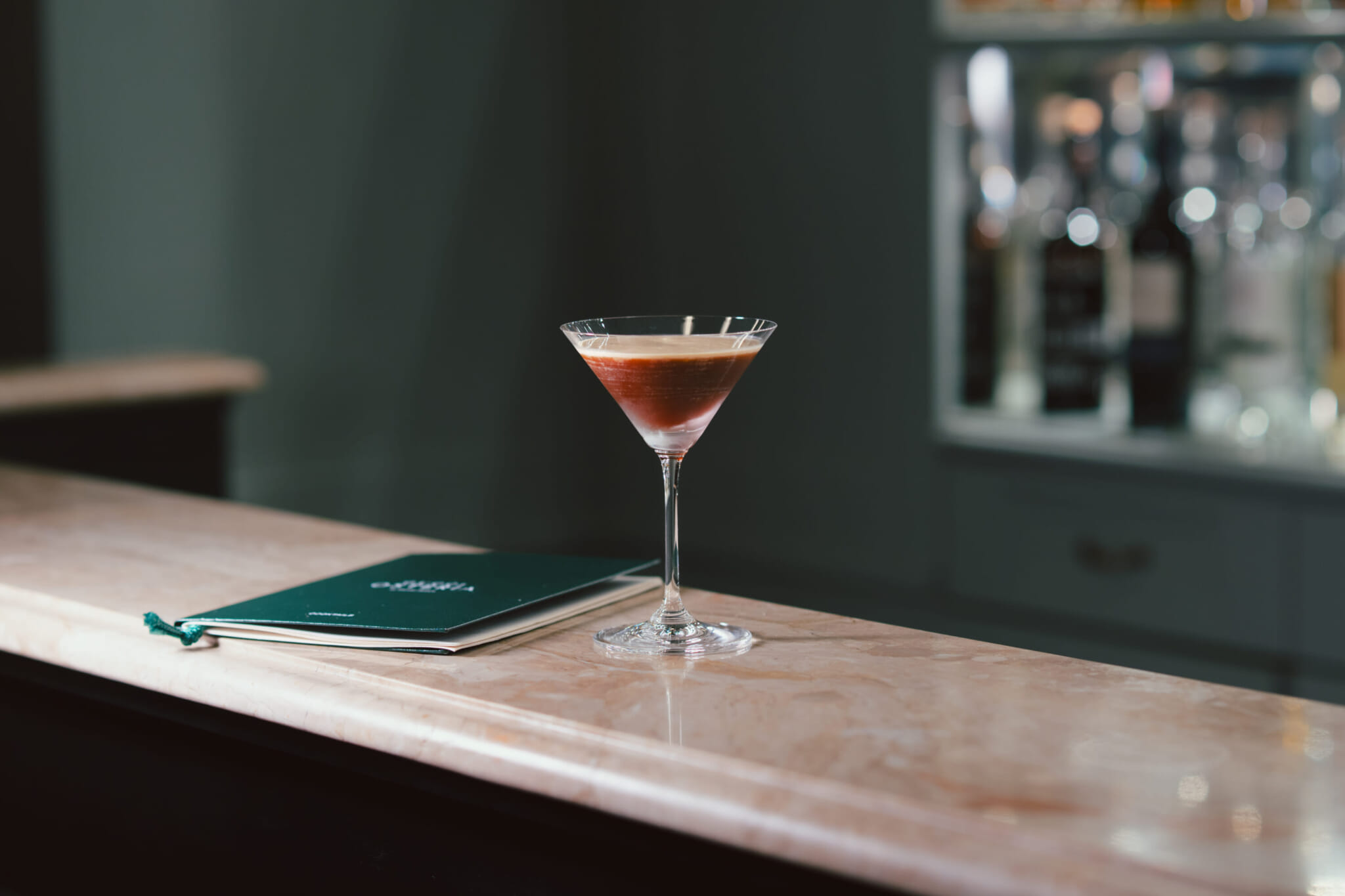
In a city that takes its coffee culture as seriously as Tokyo, the Gucci Osteria Espresso Martini stands out. Crafted with high-quality espresso and premium vodka, the drink is shaken to a state of creamy, frothy perfection. It is designed to be a revitalizing bridge for the guest transitioning from the high-stress environment of a Ginza office to the relaxed, indulgent atmosphere of an evening out.
The Japanese Negroni
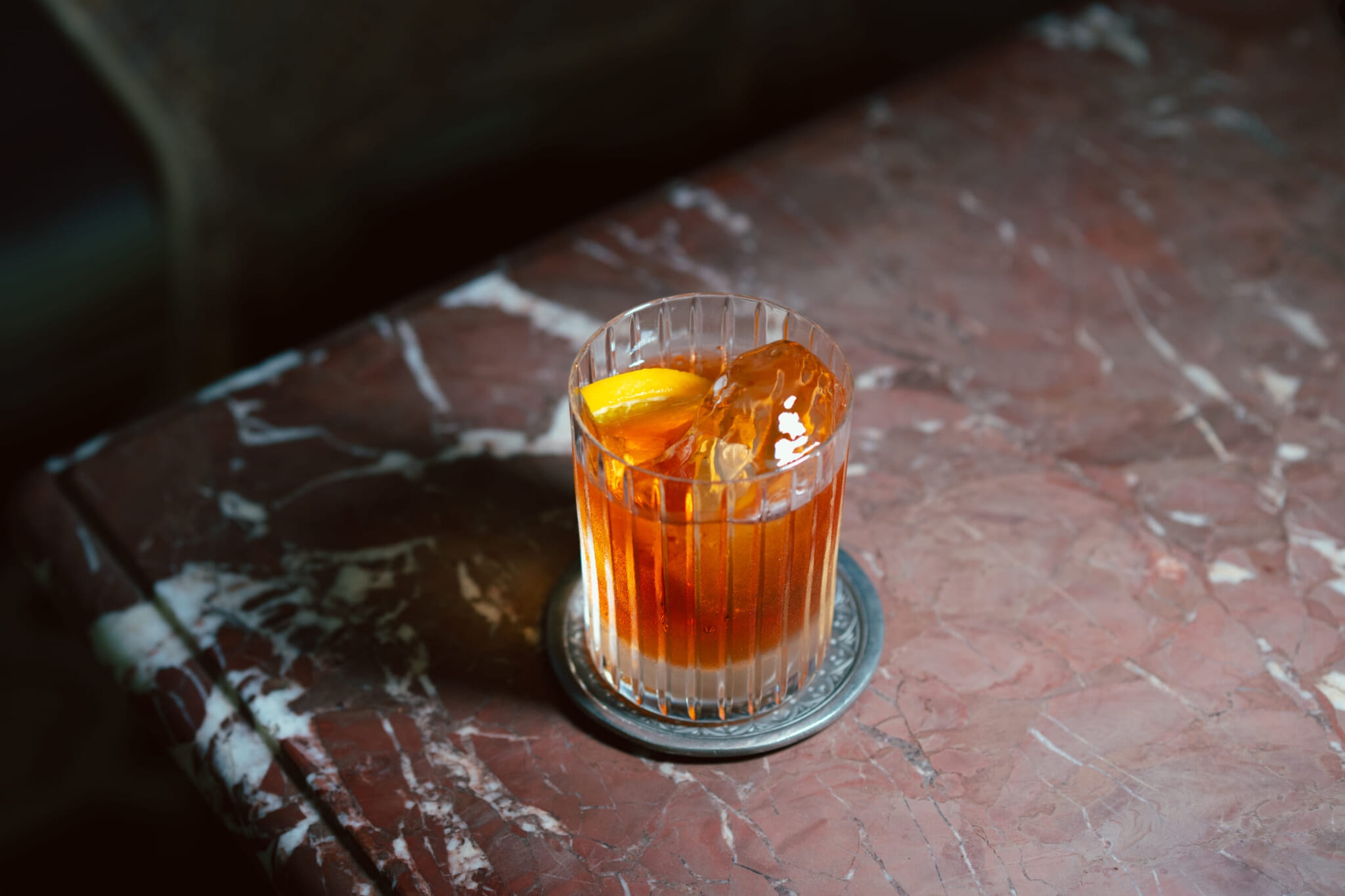
Perhaps the most evocative item on the menu, the Japanese Negroni is a calculated departure from the classic Italian bitter profile. The mixologists have adjusted the proportions to achieve a drier, more floral finish. It is a drink engineered specifically for the Tokyo climate, favoring crispness and botanical complexity over the heavy, syrupy punch of a traditional European Negroni.
Weekday Aperitivo: Structured Indulgence
The bar has introduced two distinct tiers of service designed to facilitate the transition from the professional workweek into leisure time.
Happy Hour Flow (¥7,500):
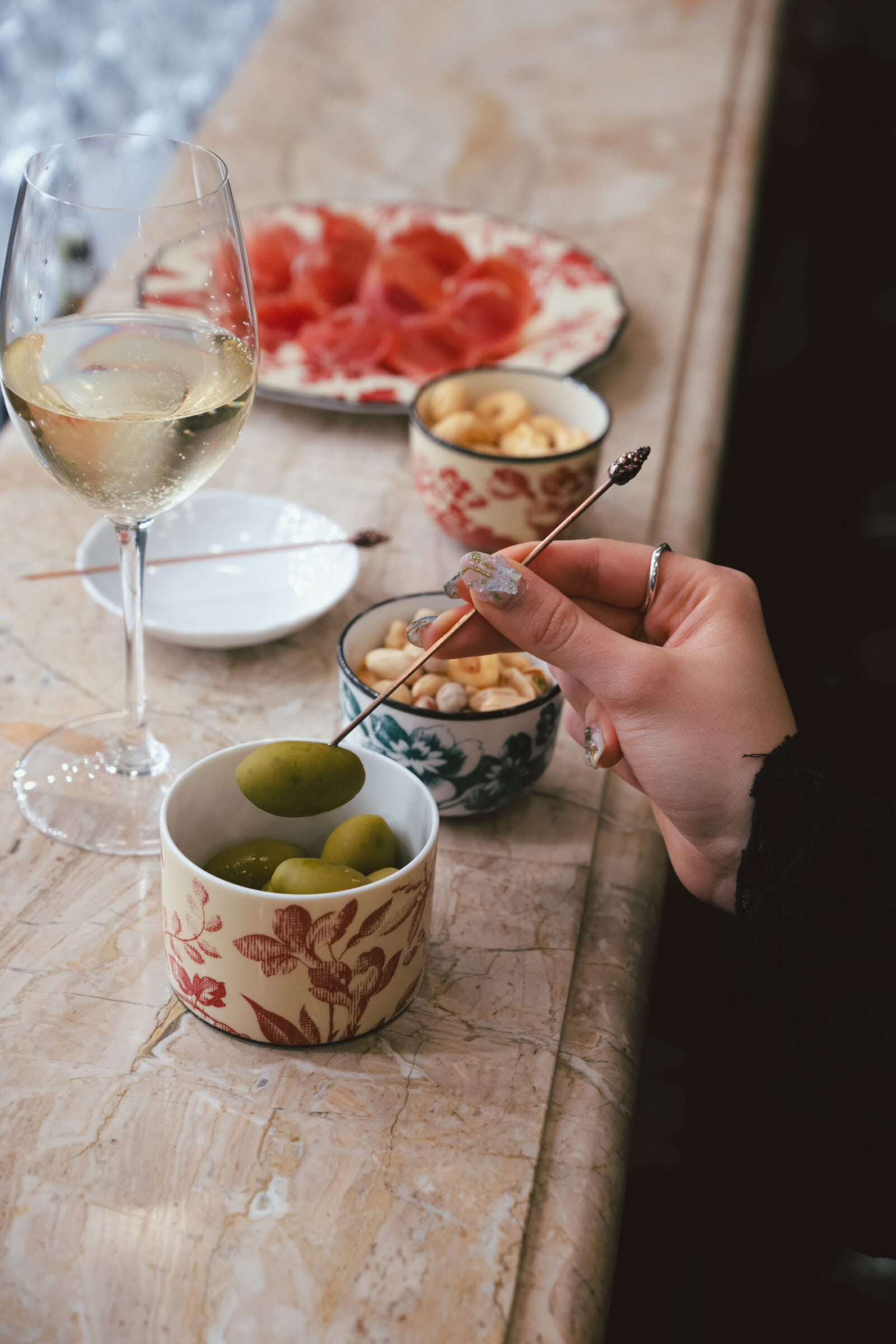
Designed for the discerning guest who appreciates simplicity, this 90-minute experience offers a curated rotation of sparkling, white, and red wines. These are hand-selected by the in-house sommelier to pair perfectly with the environment, accompanied by a refined selection of mixed nuts.
Happy Hour Flow Plus (¥9,900):
For those seeking a more substantial experience, this tier expands the wine selection to include a spread of authentic Italian antipasti. Guests can expect high-grade prosciutto, house-made olives, and the traditional crunch of taralli, providing a comprehensive "aperitivo" experience that mimics the evening rituals of Milan.
Official Responses and Culinary Philosophy
The leadership team behind Gucci Osteria has consistently stated that the goal of the bar is to "democratize luxury." By focusing on the aperitivo hour, the brand invites the local community to engage with the Gucci aesthetic in a way that feels organic and unforced.
"Our approach is to treat every cocktail as a narrative," says the bar management. "When we use Chichibu whisky in our GG cocktail, we are telling a story about our location. We are saying that we are here, in Tokyo, listening to the local rhythm, but maintaining the soul of Italian hospitality."
The staff emphasizes that the terrace space is a deliberate inclusion, designed to offer a sense of "slow time." In a city as fast-paced as Tokyo, the ability to sit in a botanical-inspired garden with a drink that honors both local craft and international luxury is considered a profound service to the patron.
Implications: The Future of Retail Hospitality
The success of the Gucci Osteria bar holds significant implications for the broader luxury retail sector. As department stores and fashion houses look for ways to maintain relevance in an increasingly digital world, the "hospitality pivot" has proven to be an effective strategy.
By creating a space that demands physical presence—one that cannot be replicated through an e-commerce interface—Gucci has secured a place in the social lives of its target demographic. The bar acts as a "soft touch" point; it builds brand loyalty not through aggressive marketing, but through the accumulation of pleasant memories, the quality of service, and the aesthetic integrity of the environment.
Furthermore, the focus on local ingredients—like the bespoke Ichiro’s Malt—suggests a trend toward "glocalization." Luxury brands are no longer exporting purely European concepts; they are synthesizing their heritage with the unique local resources of their host cities. This creates a more authentic, sustainable, and appealing model that resonates with global travelers and local residents alike.
Conclusion: A Must-Visit in Ginza
Whether one is visiting for a spontaneous afternoon aperitivo or to ring in the weekend with a signature Japanese Negroni, the bar at Gucci Osteria is an essential stop for the contemporary urbanite. It serves as a testament to the fact that true luxury is not just about the product, but about the atmosphere and the intentionality behind every detail.
As the sun sets over Ginza, the terrace at Gucci Osteria transforms into a glowing, verdant oasis. It is a reminder that even in the most crowded, ambitious, and fast-moving city in the world, there is always room for a moment of quiet, elegant indulgence. For those looking to experience the intersection of Italian tradition and Japanese precision, the doors to this botanical sanctuary remain open, promising an evening that is as stylish as the house that built it.
For those interested in booking an experience or learning more about the seasonal menu rotations, visit gucciosteria.com/en/tokyo.












No comments yet. Be the first to join the conversation!