Nana
Nana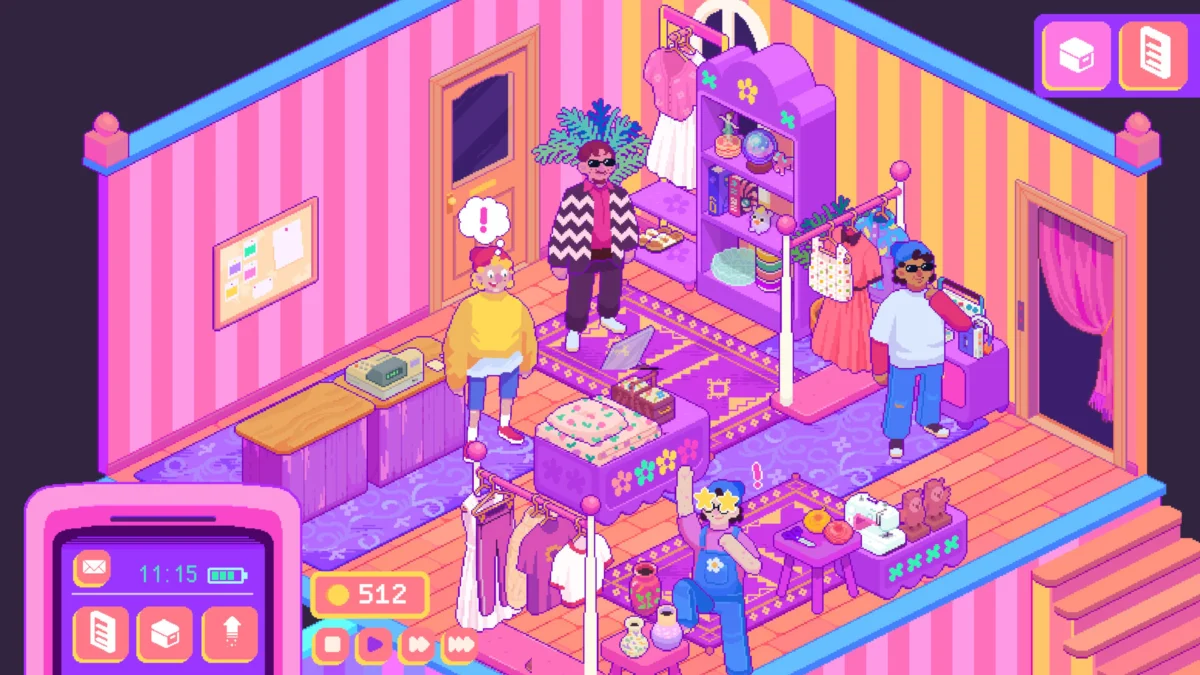
In the rapidly expanding genre of "cozy games," where titles often focus on farming, café management, or interior design, Thrifty Business carves out a distinct and nostalgic niche. Developed as a love letter to the charm of second-hand retail, the game invites players to step into the shoes of a local shopkeeper. It is a title that balances the granular satisfaction of inventory management with the warmth of community-building, all wrapped in a nostalgic 90s aesthetic.
As the retail simulation market continues to thrive, Thrifty Business distinguishes itself not by the complexity of its spreadsheets, but by the "vibes" of its storytelling. Below, we explore the mechanics, the emotional resonance, and the community implications of this burgeoning indie gem.
The Core Concept: More Than Just Retail
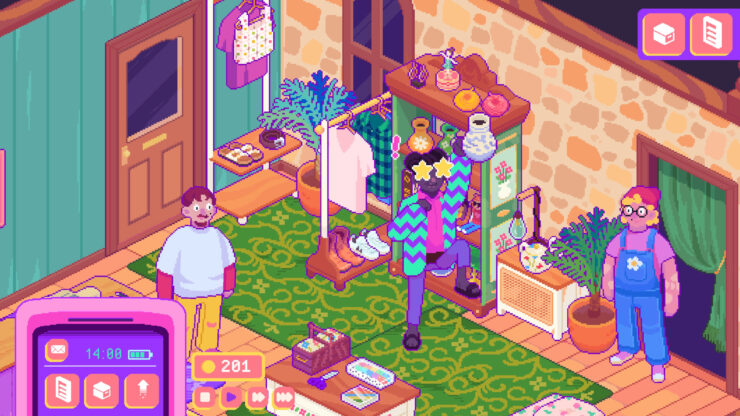
At its heart, Thrifty Business is a management simulator that eschews the high-stress, high-speed tropes of modern retail games in favor of a "slow-living" philosophy. Players are tasked with the daily operations of a thrift shop—a hub for local history, forgotten treasures, and neighborhood gossip.
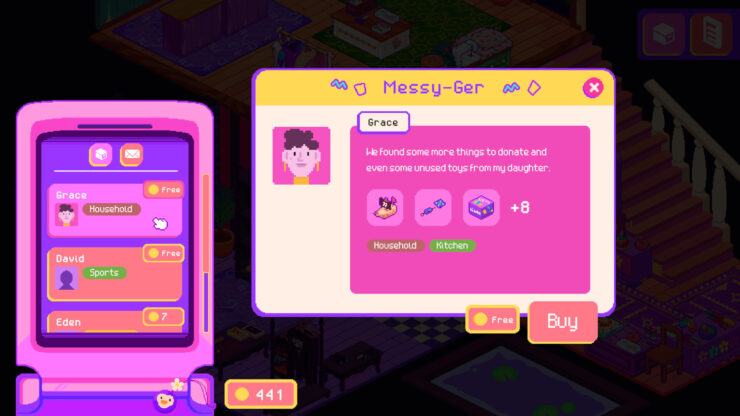
The gameplay loop is deceptively simple: you source inventory, curate your shop floor, and interact with the local populace. However, the game introduces a layer of mystery through its procurement system. Rather than browsing a standard catalog of goods, players purchase boxes of donated items. The catch? You are only given a glimpse of the "vibe" and the first few items inside before committing to the purchase. This mechanic adds an element of excitement and unpredictability that mirrors the genuine thrill of hunting for treasures at a real-world estate sale or charity shop.
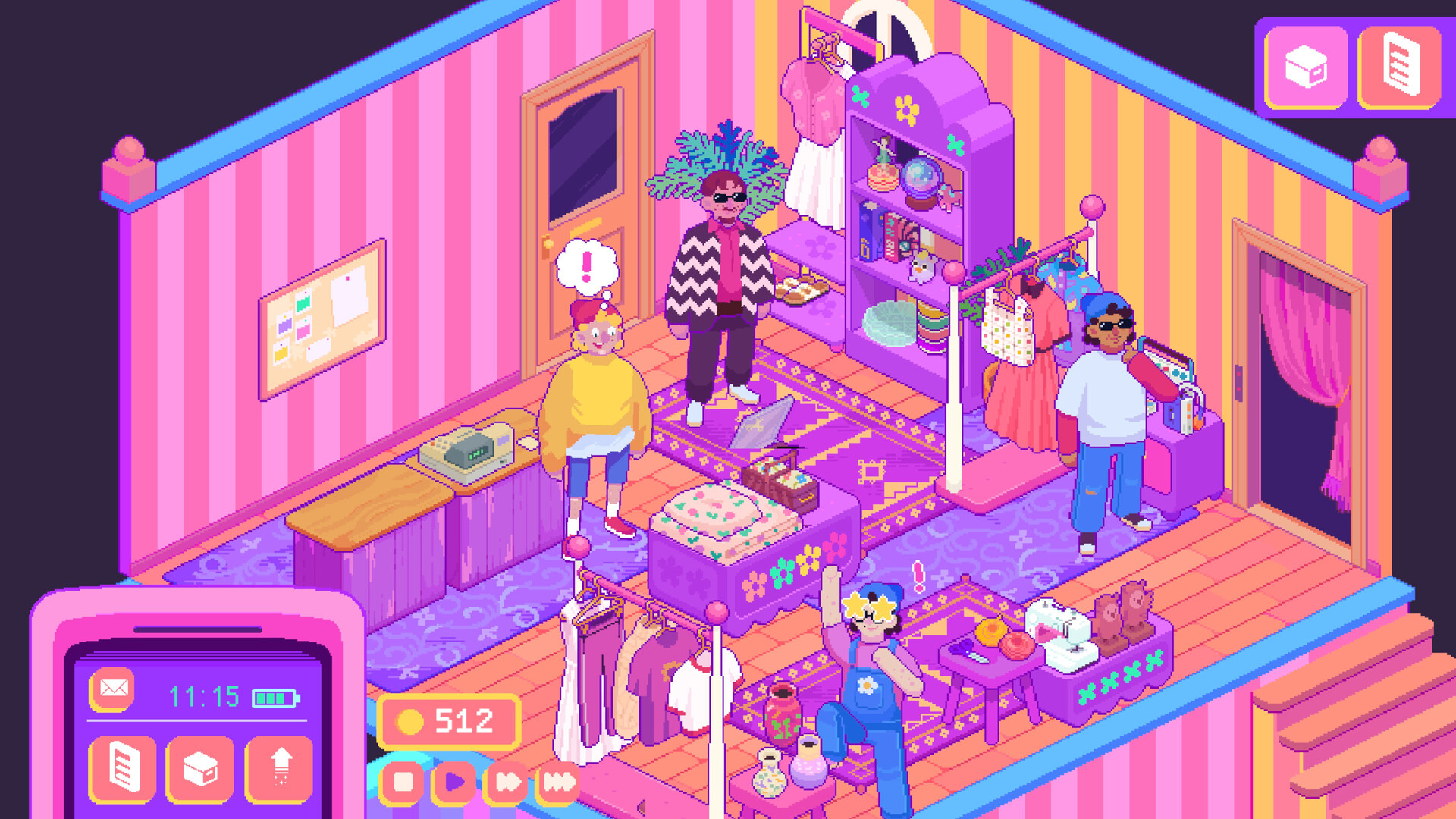
Once the boxes arrive, the game shifts into a spatial puzzle. Players must unpack these items and arrange them on tables, clothing racks, and shelves. Success depends on your ability to display goods in a way that is both visually appealing and accessible to your customers.
Chronology of the Experience: A Day in the Life
To understand the rhythm of Thrifty Business, one must look at the standard operating procedure of a typical in-game day.
The Morning Prep
The day begins in the quiet, dusty calm of the shop before the doors open. This is where the inventory management shines. Players must organize the latest haul, ensuring that high-demand items are front and center. The game’s inventory system is robust yet intuitive, designed to prevent the player from feeling overwhelmed by the sheer volume of "stuff" that accumulates over time.
The Mid-Day Rush
As the store opens, the gameplay transitions into real-time customer service. This is where the game’s AI comes into play. Customers will browse your selections, and their reactions are key feedback. If an item is tucked away in a corner or if the layout is cluttered, customers will express frustration. Monitoring these social cues—and keeping the shop clean of stray trash—is essential for maintaining the store’s reputation.
The Afternoon Connection
The late-afternoon lull often brings in regulars. This is where the game shifts from a store manager simulator to a narrative-driven experience. Customers will frequently enter with specific requests for rare or nostalgic items. When the player successfully sources these items, the transaction evolves into a conversation. Through these interactions, players learn about the personal histories of the town’s residents, turning every sale into a meaningful narrative beat.
Supporting Data: Why "Vibe-Based" Management Works
In recent years, the "cozy game" sector has seen a shift toward low-stakes, high-empathy experiences. Data from community hubs like Steam and social media platforms indicate that players are increasingly gravitating toward games that offer a sense of order and creative expression rather than those centered on combat or competition.
Thrifty Business utilizes this trend by prioritizing the "human element" of retail. While many management games focus on profit margins and efficiency, Thrifty Business tracks "community satisfaction." The game’s engine rewards the player for creating a space that feels lived-in and welcoming. By incorporating items that often come from free donations, the game taps into the altruistic nature of thrift shopping—the idea that one person’s clutter is another person’s treasure.
Furthermore, the 90s-inspired art direction serves as a visual hook. This aesthetic choice is not merely superficial; it functions as a psychological anchor, grounding the player in a simpler time, which complements the slow-paced, low-pressure nature of the management tasks.
Official Developer Perspective and Community Integration
While the early demos—notably showcased at events like New Game Plus—focused on the foundational elements of shopkeeping, the full release highlights the game’s deeper potential: community events.
The developers have designed the shop to be an evolving entity. As the player progresses, the store can be expanded to host local events. While the initial release focuses on the daily grind, the developers have hinted that these events will serve as a crucial endgame feature. By transforming the shop from a mere retail space into a community center, the game allows players to shape the social fabric of the game world.
In an official statement, the development team noted that their goal was to create a space where the player’s agency extends beyond the cash register. "We wanted the shop to feel like the heart of the town," they noted. "The items on the shelves are conduits for stories, and the events are where those stories intersect."
Implications: The Future of the Cozy Sim Genre
The release of Thrifty Business serves as a case study for the sustainability of niche indie titles. By focusing on a singular, well-executed premise rather than attempting to compete with massive open-world titles, the game provides a polished, meditative experience.
Impact on Player Engagement
The "meaningful stories" mentioned by early players suggest that the game is effectively using narrative as a retention tool. When a player is not just selling a lamp, but helping a neighbor find a memento of their past, the motivation to keep the store open changes. It shifts from "making money" to "helping the town thrive."
The "Cozy" Evolution
The success of games like Thrifty Business points to an evolution in how we define "gaming." It is no longer about winning or losing, but about inhabiting a digital space that provides a sense of peace. The implications for future developers are clear: there is a significant, underserved market for games that prioritize emotional labor, thoughtful organization, and small-scale social interactions.
Conclusion: Is It Worth Your Time?
Thrifty Business is a triumph of atmosphere over intensity. For players who enjoy games like Animal Crossing, Stardew Valley, or Unpacking, this title offers a fresh perspective on the joy of curation. It manages to make the mundane tasks of tidying, organizing, and checking out customers feel rewarding rather than tedious.
The game is currently available on Steam, and it stands as a testament to the power of indie development. Whether you are in it for the aesthetic nostalgia of the 90s, the satisfying organization of your shop floor, or the quiet, touching stories of the townspeople, Thrifty Business is a delightful addition to any library. It serves as a gentle reminder that even in a digital world, the most meaningful connections are often found in the things we leave behind.
About the Author: Jupiter Hadley
Jupiter Hadley is a seasoned indie game journalist whose work has been featured in major outlets such as Metro UK, Big Boss Battle, and AlphaBetaGamer. With a career dedicated to highlighting the innovations of smaller studios, Jupiter has become a pillar of the indie gaming community. She is the founder of indiegamejams.com, a global resource for game jam participants, and remains an active voice in the industry, advocating for the recognition of creative, community-focused game design.

 Layla Zulfa
 Basiran