Sagoh
Sagoh
Nestled along the serene shores of Mikawa Bay in Aichi Prefecture, roughly 30 kilometers southeast of the bustling industrial hub of Nagoya, lies a destination that defies simple categorization. Once known as Laguna Gamagori, the resort has undergone a transformative rebranding to emerge as Laguna Ten Bosch. Far from the frenetic, high-octane atmosphere of global giants like Tokyo Disneyland or Universal Studios Japan, this medium-sized marine resort offers a distinct, low-intensity leisure experience that has carved out a dedicated niche in Japan’s domestic tourism landscape.
Main Facts: The Anatomy of the Resort
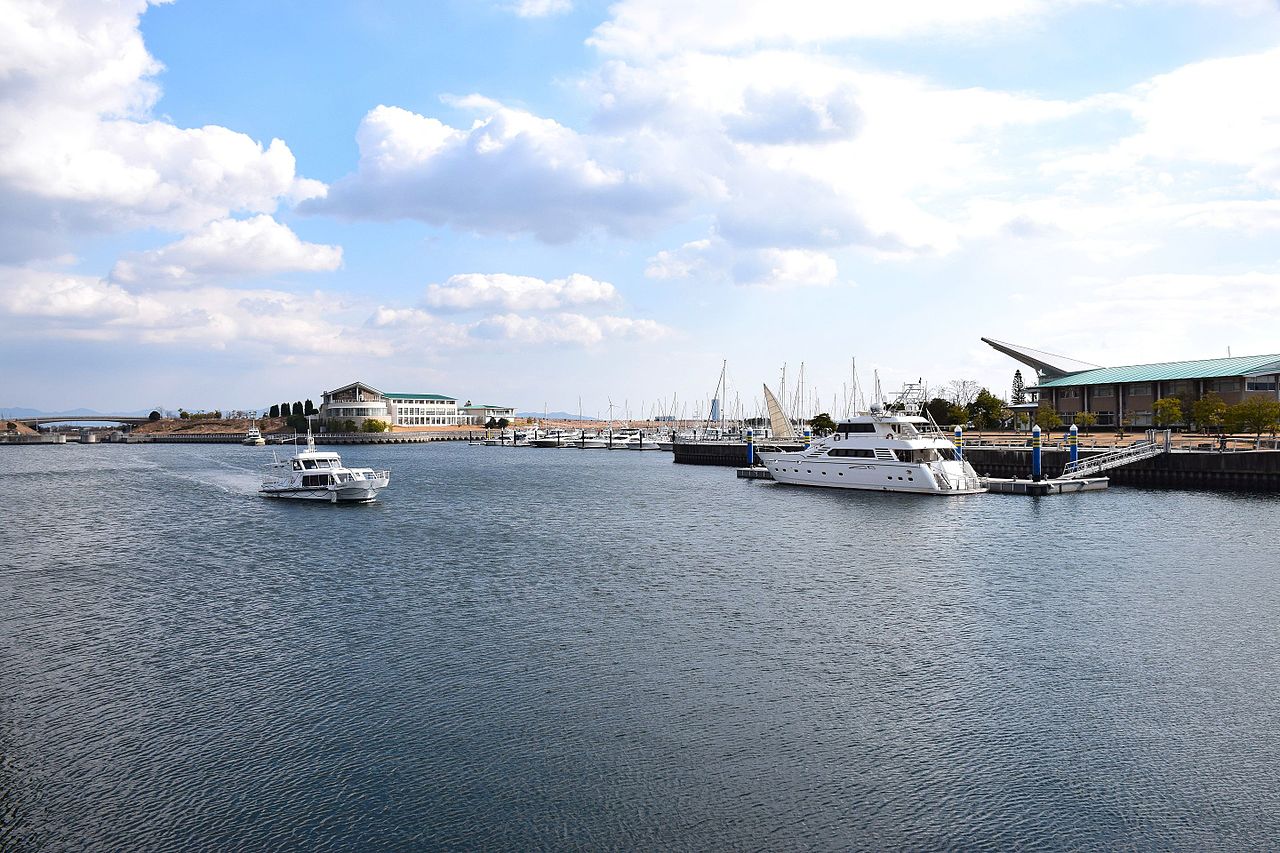
Laguna Ten Bosch serves as a multifaceted destination, blending amusement park thrills, a seasonal water park, a Mediterranean-style harbor promenade, and an authentic maritime market. The resort is designed to provide a comprehensive getaway without the overwhelming scale of the country’s larger theme parks.
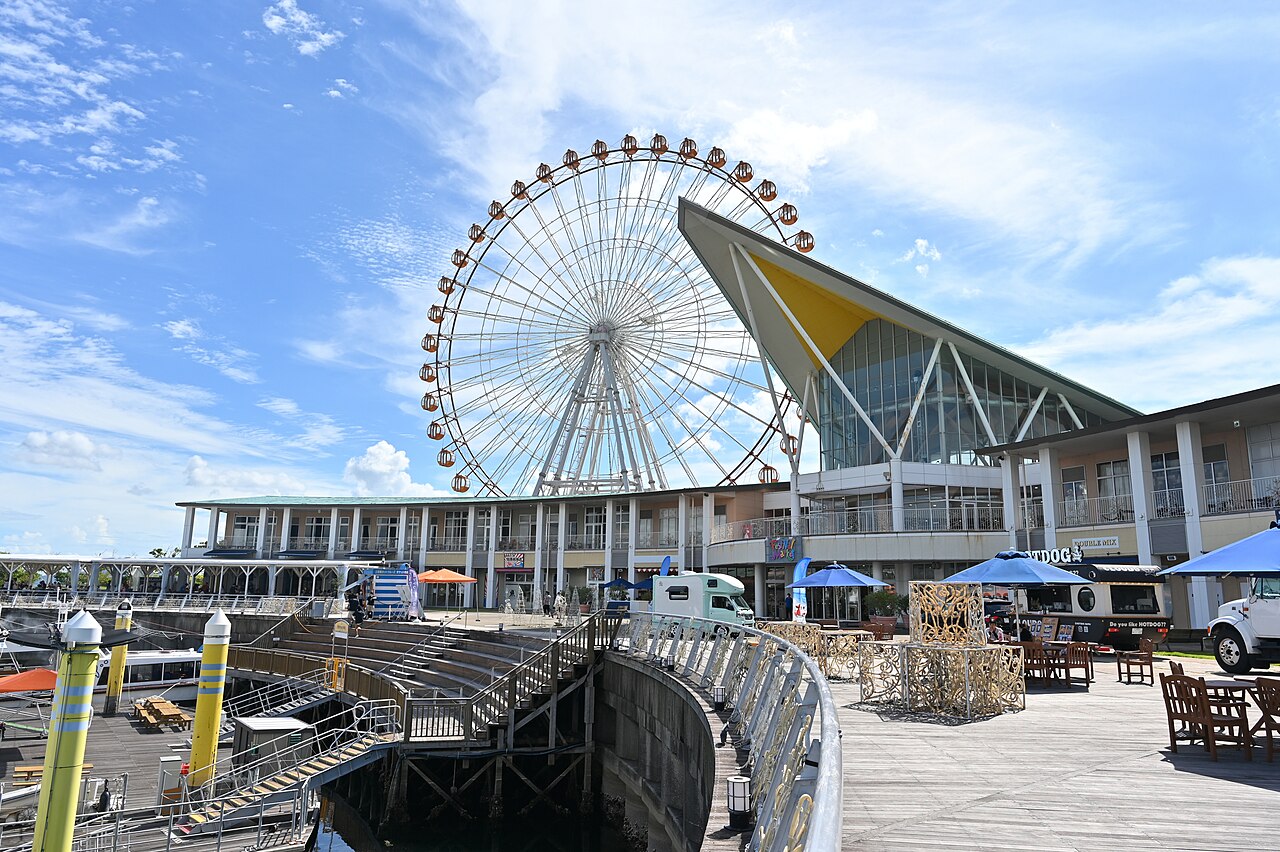
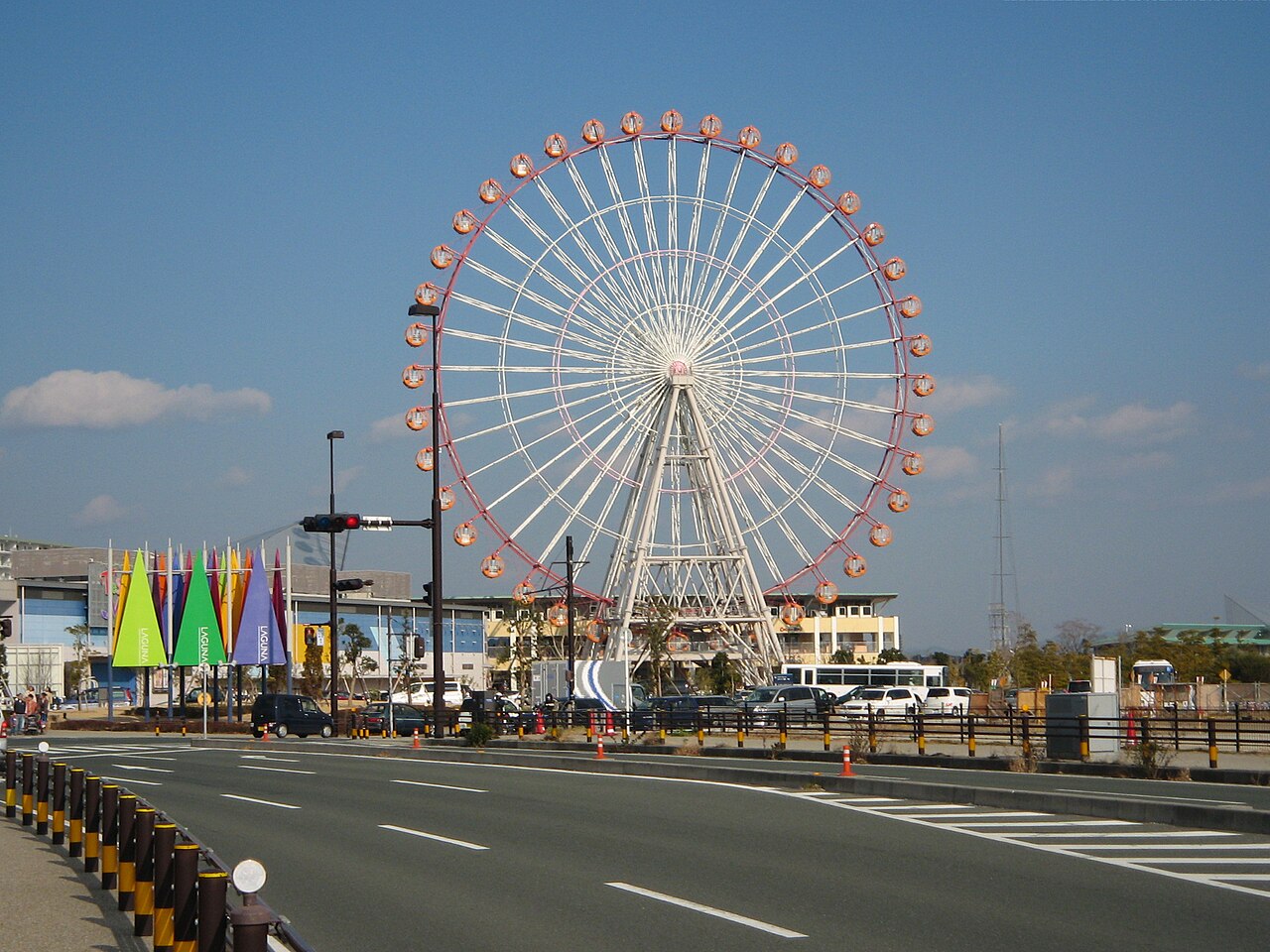
The core attraction, Lagunasia, features 23 diverse rides, including four roller coasters and a prominent 65-meter Ferris wheel that serves as the visual anchor of the property. During the sweltering Japanese summer, the resort expands its offerings with an extensive water park, boasting a 230-meter lazy river and multiple pool zones. Complementing these attractions is the Festival Market, a retail and dining complex that bridges the gap between commercial leisure and local industry. Here, the Gamagori fishing fleet lands its daily catch, allowing visitors to enjoy the freshest seafood in the region—a feature that sets Laguna apart from typical, synthetic theme park environments.
For those seeking an extended stay, the Laguna Resort Spa Thalassa provides a Mediterranean-influenced wellness experience, utilizing seawater-based therapies. With its direct link to the Huis Ten Bosch theme park in Nagasaki through their shared parent company, H.I.S. Holdings, the resort maintains a consistent, European-harbor aesthetic that is both charming and structurally unique in the Japanese market.
A Chronological Evolution: From Toyota Roots to H.I.S. Ownership
The history of the site provides critical context for its current aesthetic and operational philosophy. The development began in 2002, initiated by the Toyota-affiliated Mitsubishi real estate arm on reclaimed land in Mikawa Bay. The original vision was ambitious: a comprehensive "ocean resort" designed to integrate a theme park, a working marina, an outlet shopping mall, and an upscale onsen hotel. It was a prototypical mid-2000s Japanese leisure model, aiming to capture the growing demand for all-inclusive family destinations.
However, the path to success was not linear. Through the late 2000s and early 2010s, the resort faced fluctuating business results, struggling to differentiate itself in a competitive regional market. In 2014, a pivotal shift occurred when the original developers divested from the project. The property was acquired by H.I.S. Holdings, a major Japanese travel agency and leisure conglomerate.
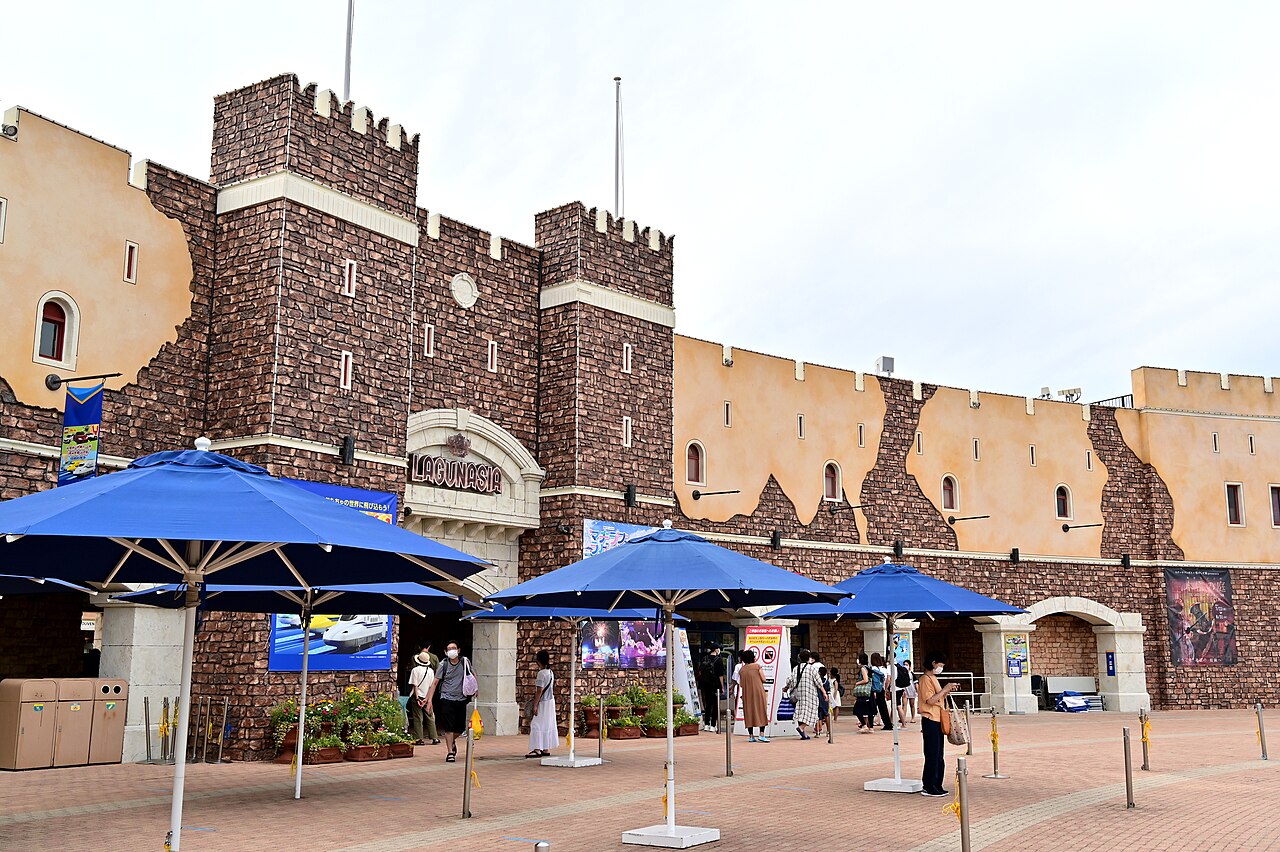
Recognizing the potential for synergy, H.I.S. rebranded the property as Laguna Ten Bosch in 2015. This was more than a mere name change; it was a strategic alignment with their flagship property, Huis Ten Bosch in Nagasaki. By importing the "Dutch-harbor" design language—complete with iconic windmills, canal-inspired architecture, and the mascot "Hapira-chan"—the company successfully revitalized the resort’s brand identity, giving it a cohesive, albeit scaled-down, narrative consistency that it previously lacked.
Supporting Data: Infrastructure and Visitor Experience
The resort’s infrastructure is designed for accessibility and efficiency. Located less than an hour from central Nagoya via a direct train and shuttle combination, it is perfectly positioned for both day-trippers and those looking to combine their visit with Nagoya’s urban attractions.
The Lagunasia Experience
While not a "thrill-seeker’s paradise" in the vein of Nagashima Spa Land, Lagunasia excels in family-oriented design. The Aqua Wind roller coaster, a 1999 Maurer Söhne compact steel model, offers a reliable, comfortable experience with a 590-meter layout that provides scenic views of the Mikawa Bay waterfront. For younger visitors or those preferring interactive experiences, the 2017-launched Legend of Labyrinth—an interactive shooting dark ride—has become a cornerstone of the park’s appeal.
The Festival Market and Economic Impact
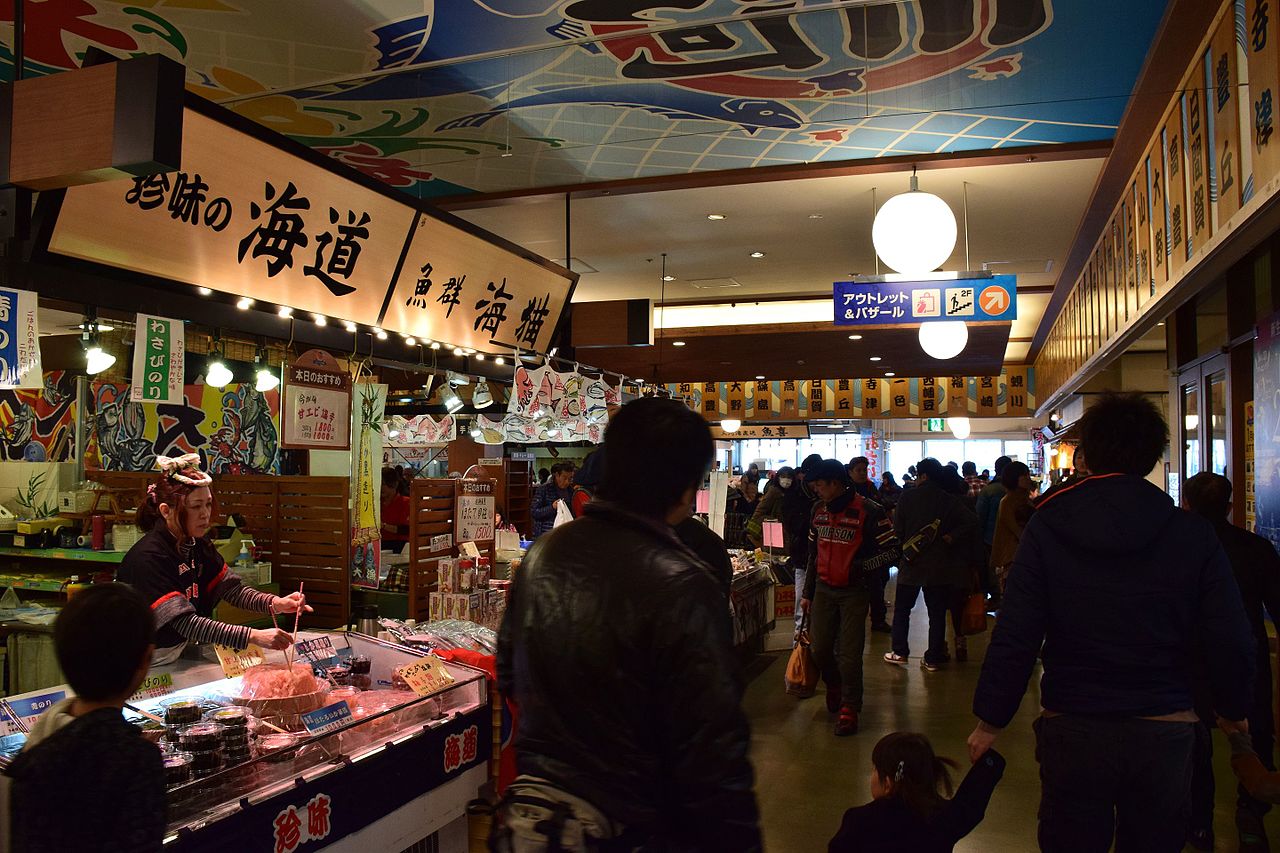
The Festival Market operates as an open-access facility, meaning visitors can enjoy the shopping and dining areas without purchasing a theme park passport. This decision is crucial for the local economy. The Seaside Market component functions as a direct-to-consumer outlet for the local fishing fleet. Visitors can purchase sashimi-grade Mikawa Bay sea bream, hamaguri (large clams), and seasonal delicacies like shako (mantis shrimp). By integrating a working fish market into a leisure space, the resort sustains a symbiotic relationship with the local Gamagori fishing community, ensuring that the destination remains culturally relevant beyond its tourism appeal.
Financials and Operational Logistics
- Pricing: A standard all-inclusive passport is priced at approximately ¥3,990, significantly more competitive than larger regional competitors.
- Summer Premium: During the pool season (July to early September), a combined passport is available for ¥4,990.
- Accessibility: The park provides free English maps and bilingual safety instructions, lowering the barrier for international visitors, though the experience remains primarily domestic-focused.
Official Responses and Strategic Philosophy
H.I.S. Holdings has maintained a consistent public stance regarding the resort: it is intended to be a "regional gem" rather than a competitor to the international theme park conglomerates. Management focuses heavily on the concept of "light-intensity" tourism. By avoiding licensed intellectual property (IP)—a stark contrast to the Disney or Universal models—Laguna Ten Bosch remains focused on the "Silk Road of the Sea" aesthetic, which allows for lower operational costs and a more relaxed atmosphere.
The company’s investment in the Thalassa spa hotel reflects an official pivot toward "wellness-tourism." By leveraging the proximity to the sea for balneotherapy, the resort targets couples and health-conscious travelers, effectively balancing the high-energy needs of families during the day with the relaxation-seeking demographic during the evening.
Implications: The Future of Mid-Scale Japanese Resorts
The success of Laguna Ten Bosch serves as a compelling case study for the sustainability of regional leisure developments in Japan. In an era where large-scale theme parks face massive overheads and the relentless pressure to refresh licensed attractions, Laguna’s model offers a blueprint for resilience:
- Low-Intensity Appeal: By positioning itself as a "half-day to full-day" stop, the resort avoids the exhaustion associated with larger parks. It encourages repeat visits from local residents in Nagoya and Toyohashi rather than relying solely on one-time international tourists.
- Cultural Integration: The incorporation of a functional fish market ensures that the resort contributes to the local economy and offers a genuine sense of place. It provides an authentic experience that synthetic parks cannot replicate.
- The "Third Way" for Theme Parks: Laguna demonstrates that there is a significant market for parks that prioritize design, atmosphere, and local food over record-breaking roller coasters.
Is it Worth the Journey?
For the average visitor, the verdict is nuanced. For families with children between the ages of 4 and 10, Laguna Ten Bosch is arguably one of the most efficient and enjoyable parks in central Japan. The short queues and manageable layout are significant advantages. However, for those seeking world-class coaster thrills, Nagashima Spa Land remains the superior choice.
Ultimately, Laguna Ten Bosch succeeds because it knows what it is: a charming, seaside retreat that prioritizes comfort and local flavor over spectacle. As Japan’s tourism sector continues to mature and decentralize, the ability of regional resorts to provide this kind of "low-stress" experience will likely become a key differentiator in attracting both domestic and international travelers looking for a glimpse of the authentic Japanese coast.


 Neng Nana
 Asro
Asro