Ammar Sabilarrohman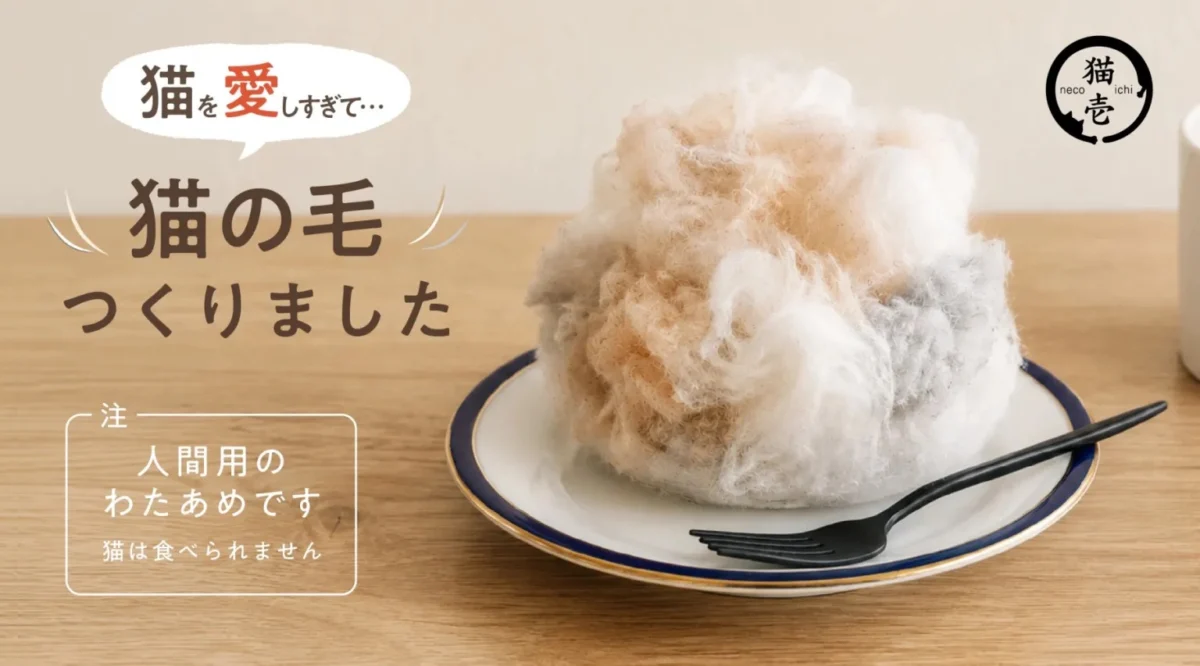
In a nation where the devotion to felines borders on the transcendental, Japanese pop culture has consistently found innovative—and occasionally bizarre—ways to express affection for domestic cats. From the establishment of high-end cat cafés to the creation of fragrances mimicking the scent of a cat’s belly, the market for cat-related merchandise is a multi-billion yen industry. However, a new product recently unveiled by the specialty brand Necoichi has pushed the boundaries of feline fandom further than ever before.
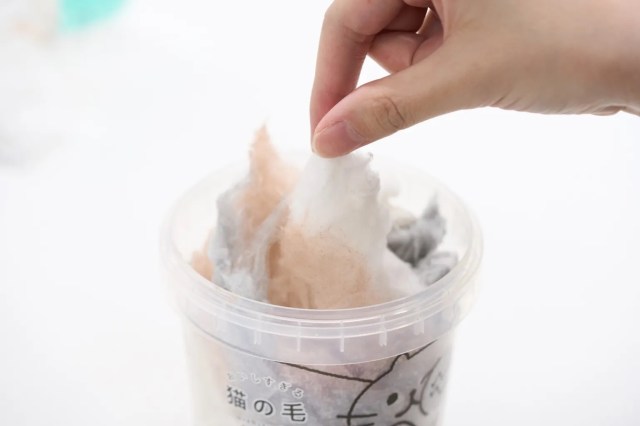
Dubbed "Delicious Cat Fur," this confectionery creation has turned heads at the Lalaport shopping center in Yokohama. While the name initially conjures images of unpalatable, eccentric novelty items, the product is a sophisticated, sugar-spun tribute to the calico cat. It represents a collision between advanced food aesthetics and the intense, almost spiritual, attachment Japanese consumers feel toward their pets.
The Genesis of a Feline-Inspired Treat
The concept behind "Delicious Cat Fur" was not born out of a desire to shock, but rather as an exercise in "extreme empathy." Necoichi, a brand that has built its reputation on high-quality cat furniture, bowls, and accessories, sought to create a gift that would resonate with the "obsessive" nature of cat owners.
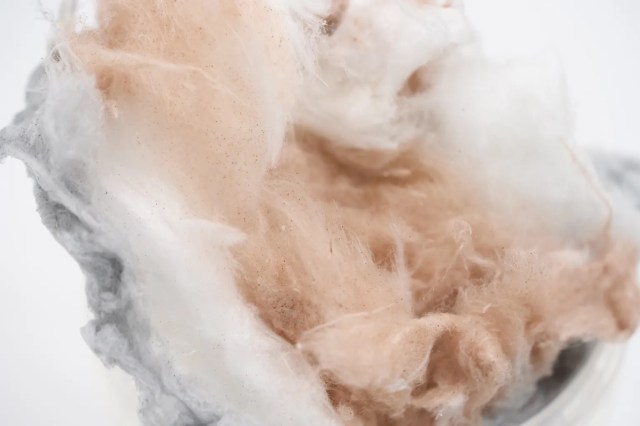
The product was officially launched on May 30, 2026. Available exclusively at the Necoichi flagship store in Yokohama, the item is presented in a sleek, minimalist container that suggests a premium artisanal good. The visual design is striking: upon opening the package, the consumer is greeted by a soft, multicolored, and distinctly fluffy substance that mirrors the pattern and texture of a calico cat’s coat.
Despite the uncanny visual resemblance, the product is entirely composed of edible, high-grade cotton candy. The development process involved replicating the multi-hued fur of a cat using natural food dyes and a specialized spinning process that allows the sugar to mimic the density and layering of animal hair.

Chronology of the Release
- Mid-May 2026: Necoichi begins a "teaser" campaign on social media, using imagery that emphasizes the "fluffiness" of cats. The cryptic slogans—"We made cat hair"—initially drew confusion before the product was clarified as a culinary item.
- May 30, 2026: Official release date. The product hits the shelves at the Lalaport Yokohama location, retailing at 980 yen (approx. $6.11 USD).
- Early June 2026: Viral traction on platforms like X (formerly Twitter) and Instagram. The "weird but cute" factor leads to the product frequently selling out by midday.
- Present Day: The product remains a permanent fixture at the Necoichi store, with discussions regarding potential expansions or seasonal "fur patterns" (such as ginger tabby or tuxedo) reportedly under internal review.
The Sensory Experience: More Than Just Sugar
The genius of "Delicious Cat Fur" lies in its multi-sensory approach. The developers understood that to truly capture the experience of interacting with a pet, they needed to engage more than just the visual sense.
Texture and Sound
The cotton candy is not merely a soft, dissolving cloud. Embedded within the fibers of the sugar are tiny, carbonated "popping candy" particles. As the candy dissolves on the tongue, these particles release, creating a crackling sound and a tactile sensation that mimics the "lively" energy of a cat. This audio-tactile feedback is designed to create a "fun" eating experience that prevents the product from feeling too literal or uncomfortable.
Aromatics and Presentation
The packaging includes a dedicated space for gift-giving, acknowledging that this is a niche item designed for the "feline-obsessed" demographic. The scent is calibrated to be sweet and comforting, evoking the "warmth" often associated with cat ownership. By combining the visual aesthetic of a pet with the nostalgic flavor of fairground cotton candy, Necoichi has created a product that balances irony with genuine, sweet enjoyment.
Supporting Data and Market Context
The success of "Delicious Cat Fur" is not an isolated incident. Japan’s "pet economy" is uniquely robust. According to data from the Japan Pet Food Association, the total number of cats kept as pets in Japan has steadily risen over the past decade, often outpacing dog ownership in urban centers where space is limited.
This demographic shift has led to a rise in "cat-humanization" products. The market value for pet-themed human lifestyle goods has seen a 12% growth year-over-year. Products like Necoichi’s cat-shaped sunscreen and "paw-print" cosmetics are part of a broader trend of "kawaii" (cute) engineering. By investing in products that allow owners to "consume" or "wear" their love for cats, companies like Necoichi are tapping into a deeply emotional consumer base that views their pets as central members of the family.
Official Stance and Safety Protocols
Necoichi has been careful to maintain a professional, transparent dialogue regarding the product. In their promotional materials, the company includes a clear disclaimer: "This is cotton candy for humans. Cats cannot eat it."
The company has emphasized that the product is a "tribute" to the feline form, not a literal interpretation of pet anatomy. The use of the word "fur" is purely descriptive, intended to evoke the cozy, soft texture that cat owners find soothing. When asked about the "weird" factor, a representative for the brand stated in a press release: "We recognize that our love for cats can manifest in ways that might seem unusual to others, but for the owner, it is a way to bridge the gap between their daily life and their bond with their pet."
Sociological Implications: Why We Eat the Things We Love
The emergence of "Delicious Cat Fur" invites a deeper look at the psychology of pet ownership in modern, high-density societies. For many living in apartments in cities like Yokohama or Tokyo, a pet is a primary source of emotional stability.
The "Anthropomorphic" Trend
Modern marketing has increasingly blurred the line between the pet and the owner. By creating products that look like the pet, the company is catering to a desire for "prolonged intimacy." When a person buys a bag of "Delicious Cat Fur," they are not just buying a snack; they are buying an extension of their personal identity as a cat lover.
The Role of Humor in Consumerism
The irony of eating "fur" is intentional. Japanese marketing frequently uses "bizarre" concepts to break through the noise of the crowded retail landscape. By presenting something slightly taboo (the idea of eating a pet’s hair) and immediately subverting it with something universally loved (cotton candy), the company creates a "social media-ready" moment. It is a product designed to be photographed, shared, and discussed, thereby creating organic marketing for the brand.
Conclusion: A Sweet Future for Feline Fans
While some may view "Delicious Cat Fur" as a step into the absurd, it is, at its core, a testament to the power of the bond between humans and their companions. It turns the act of snack-eating into a performative display of affection.
As of June 2026, the product remains a localized phenomenon, but its success suggests that the appetite for innovative, cat-centric goods in Japan is far from sated. Whether or not it will ever be exported or replicated elsewhere remains to be seen, but for the patrons of the Lalaport shopping center, it represents the perfect marriage of, as the company puts it, "a deep love for felines" and a sweet tooth.
For those planning to visit, the store is located in the Tsuzuki-ku district of Yokohama. It is recommended to arrive early, as the unique nature of the "Delicious Cat Fur" has turned it into a collector’s item of sorts, with many customers purchasing multiple containers to gift to fellow cat enthusiasts.
In a world where pet ownership is becoming an increasingly defining aspect of personal identity, Necoichi has successfully managed to take the "fur" of the matter and turn it into something entirely, and surprisingly, delightful.


 Neng Nana
 Asro
Asro