Neng Nana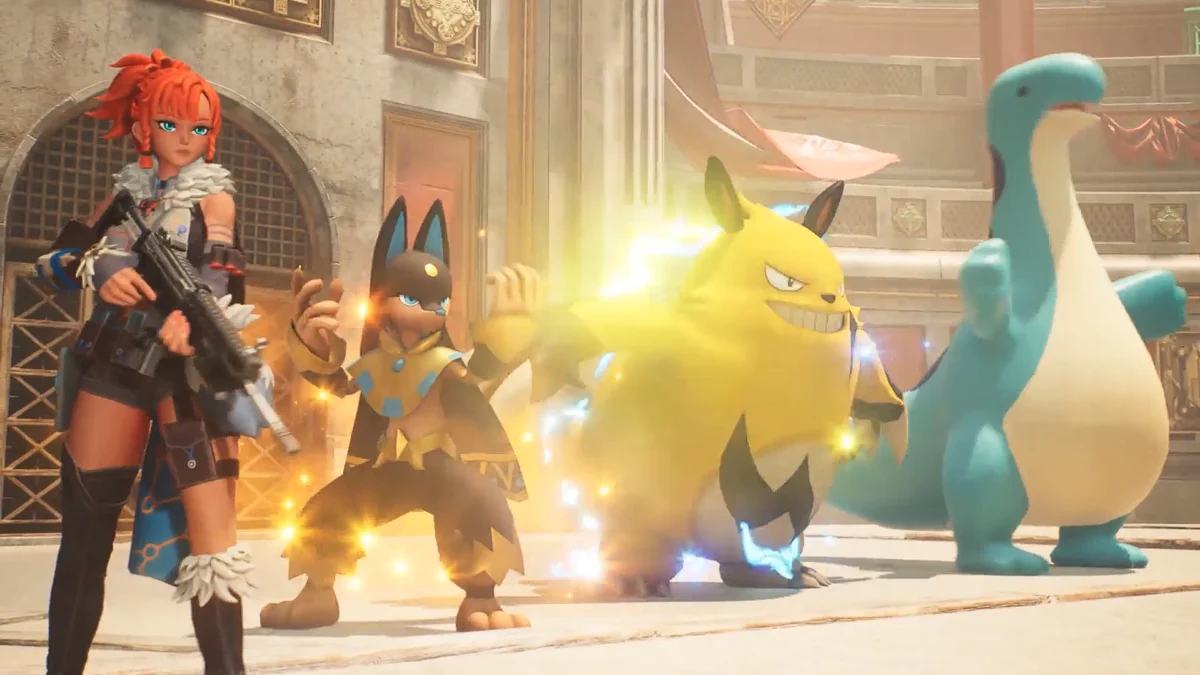
The legal confrontation between gaming titan Nintendo—alongside its subsidiary, The Pokémon Company—and Pocketpair, the independent developer behind the runaway hit Palworld, has become one of the most closely watched intellectual property disputes in the modern games industry. What began as a thunderous challenge to the viability of Palworld has, over the course of two years, devolved into a tactical skirmish over specific, granular patent rights.
As the October 1st court date approaches, analysts and legal experts are observing a landscape that looks increasingly unfavorable for Nintendo. Despite the initial fervor surrounding the case, it appears that the litigation is set to conclude with a financial outcome that is, for a corporation of Nintendo’s magnitude, little more than a rounding error.
The Chronology of Conflict: From Cultural Phenomenon to Courtroom
To understand the current impasse, one must revisit the early days of 2024. Palworld launched in early access and immediately shattered industry records, selling millions of copies in mere weeks. Its "Pokémon with guns" moniker became a cultural shorthand, simultaneously driving its success and inviting intense scrutiny.
While public discourse initially fixated on copyright—specifically the visual similarities between Palworld’s creatures and the iconic designs of the Pokémon franchise—the legal reality was far more nuanced. In a move that surprised many observers, Nintendo did not pursue a traditional copyright infringement case. Instead, they leaned into patent law.
Key Milestones:
- January 2024: Palworld achieves unprecedented success; public outcry regarding the similarity of creature designs begins.
- Late 2024/Early 2025: Nintendo and The Pokémon Company officially file a lawsuit against Pocketpair. The suit centers on the infringement of specific, registered patent rights related to game mechanics rather than artistic assets.
- Mid-2025: Pocketpair proactively removes or modifies several game mechanics that were allegedly covered by Nintendo’s patents.
- September 2025: Written pleadings and evidence submissions are finalized.
- October 1, 2025: Scheduled date for court presentations in Japan.
- November 9, 2025: Expected date for the court’s official opinion and verdict.
The Shift in Scope: Why Patent Law is Proving Difficult
The core of Nintendo’s legal strategy involved targeting the fundamental interaction loops of Palworld. Patent law, unlike copyright, protects the utility and function of an invention. Nintendo asserted that Pocketpair had misappropriated specific technical implementations of capturing creatures and throwing items, which Nintendo had secured via patent filings.
However, the legal landscape shifted significantly when the plaintiffs narrowed their scope. By choosing to focus exclusively on older versions of the game, Nintendo effectively neutralized its own potential for a broad, systemic victory. Because Pocketpair had already patched out the controversial mechanics in subsequent updates, the current version of Palworld exists in a state of compliance with the demands Nintendo raised.
This narrow focus has stripped the case of its "David vs. Goliath" teeth. No injunctions are expected to be issued, meaning the court will not demand the removal of Palworld from storefronts, nor will it force a cessation of its operations. The litigation has effectively become a retrospective audit of past behavior rather than a proactive defense of Nintendo’s current market dominance.
Supporting Data: The Economics of the Lawsuit
According to analysis from Gamefray, the current trajectory of the trial suggests that the financial restitution will be minimal. The argument rests on the limited window of time in which the alleged infringement occurred within the Japanese market.
The Financial Breakdown:
- The Claimed Damages: Nintendo’s potential recovery is estimated at approximately JPY 5 million.
- The USD Equivalent: At current exchange rates, this totals roughly $30,000 USD.
- The Context: For a multi-billion dollar conglomerate like Nintendo, this sum is characterized as "chump change." The cost of legal fees alone for a multi-year litigation likely dwarfs the damages they stand to collect.
This raises a pertinent question: Why continue the fight? For Nintendo, the goal may not have been the monetary payout, but rather the establishment of a "legal fence." By asserting its patents, Nintendo sends a clear message to the indie development scene: certain mechanics are proprietary. Even if the court case results in a negligible fine, the deterrent effect on future developers remains a strategic asset.
Official Responses and Industry Sentiment
Neither Pocketpair nor Nintendo has issued aggressive, inflammatory public statements throughout this process. Pocketpair has maintained a stance of transparency, opting to iterate on their game rather than engage in a public media war. By swiftly complying with legal concerns by modifying game mechanics, they have effectively stripped Nintendo of the leverage required to secure a permanent shutdown of their service.
The industry sentiment, captured during events like Summer Geoff Fest 2026, reflects a pragmatic outlook. The announcement of Palworld’s 1.0 version suggests that Pocketpair is operating with full confidence in their future. The trailer, which leaned into a cinematic, high-stakes aesthetic, signaled a studio that has moved past the existential threat of the lawsuit and is focused on long-term retention and expansion.
Implications for the Future of Indie Gaming
The resolution—or lack thereof—in this case has profound implications for the gaming industry:
1. The Weaponization of Patent Law
If Nintendo’s strategy becomes a blueprint, we may see a rise in "mechanic-trolling." Larger companies could use patent portfolios to stifle indie games that mimic successful genre conventions, forcing small teams to spend limited resources on legal defense or forced development pivots.
2. The Resilience of Independent Developers
Conversely, Palworld stands as a case study in resilience. By maintaining a modular, live-service development cycle, Pocketpair was able to adapt its game in real-time to survive legal pressure. This provides a roadmap for other studios: focus on agility.
3. Copyright vs. Utility
The failure of this suit to gain traction regarding "copying" confirms a long-held belief in the industry: mechanics are difficult to protect, but style is harder to defend. While fans wanted to see Nintendo win on the grounds of "the game feels like Pokémon," the law cares only for the technical execution. This leaves the door wide open for future developers to draw inspiration from established hits, provided they don’t replicate the specific "plumbing" of the code.
Conclusion: A Pyrrhic Victory or a Calculated Warning?
As we look toward the November 9th verdict, the narrative has shifted from a battle for the soul of the monster-collecting genre to a bureaucratic exercise in patent enforcement. Nintendo may walk away with $30,000 in damages, but they will have failed to disrupt the commercial momentum of Palworld.
For Pocketpair, the outcome is almost entirely positive. They have weathered the storm, maintained their player base, and are now moving toward a full 1.0 release with the legal baggage largely trimmed away. The case serves as a stark reminder that in the hyper-competitive world of gaming, intellectual property is a volatile asset, and that in the digital age, a game’s ability to evolve is its greatest shield against the titans of the industry.
The saga of Palworld will likely be remembered not for the patent infringement itself, but for the stark contrast between the legal heavy-handedness of a giant and the nimble, fast-paced innovation of a studio that refused to back down. Whether this sets a precedent for future litigation or serves as a cautionary tale for those seeking to stifle competition through the courts, the verdict on November 9th will mark the end of one chapter and the beginning of a new, perhaps more cautious, era for indie developers.


 Asro
Asro
 Muslim