Jia Lissa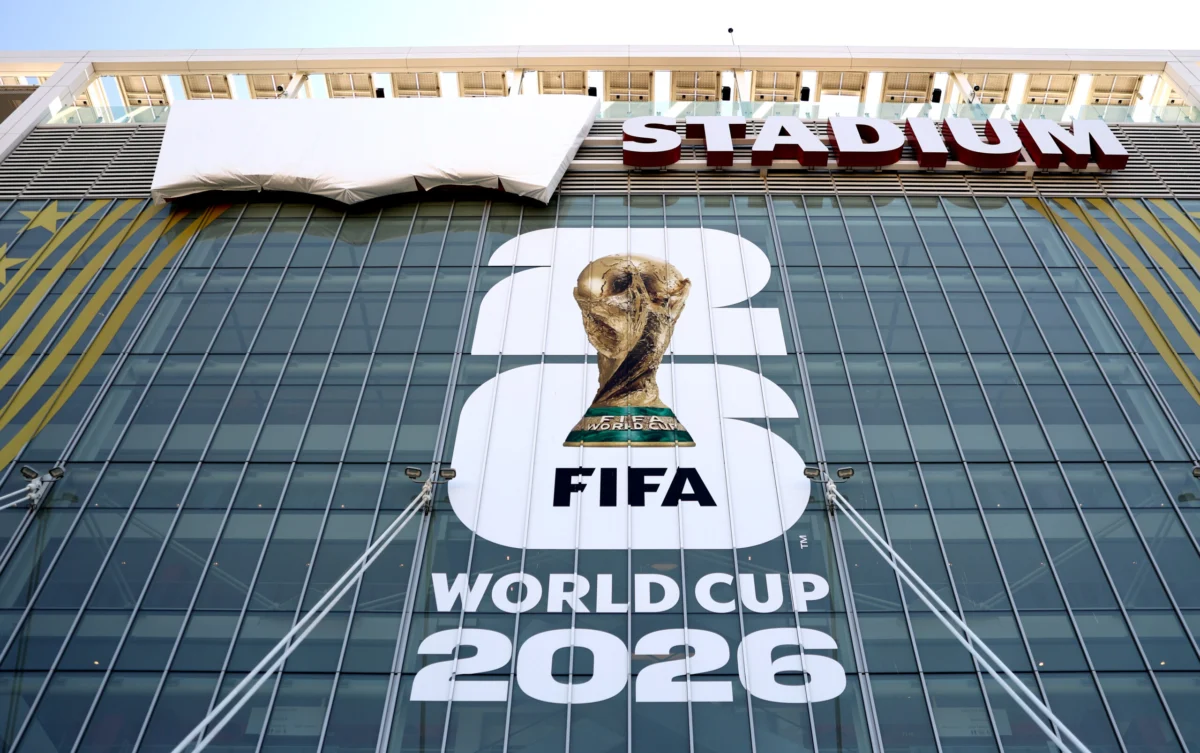
In the high-stakes world of global sports marketing, few things are as guarded as branding real estate. When a multi-billion-dollar entity like FIFA prepares for the World Cup, the rulebook for stadiums is notoriously rigid. Central to these regulations is the “clean stadium” policy—a mandate requiring all commercial signage and non-official branding to be obscured or removed to ensure the exclusivity of FIFA’s official partners.
However, at San Francisco’s Levi’s Stadium, a recent attempt to comply with these stringent guidelines has resulted in an unintended consequence: one of the most effective pieces of guerilla marketing in recent memory. By simply draping a white tarp over the iconic Levi’s logo, organizers inadvertently sparked a digital conversation that proved the brand’s identity is far more resilient than a piece of industrial fabric.
The Mandate: FIFA’s "Clean Stadium" Protocol
To understand the humor and irony of the situation, one must first understand the gravity of FIFA’s branding requirements. During tournaments, FIFA enforces a “clean” environment to prevent ambush marketing—a strategy where brands attempt to associate themselves with a major event without paying the hefty sponsorship fees required to be an official partner.
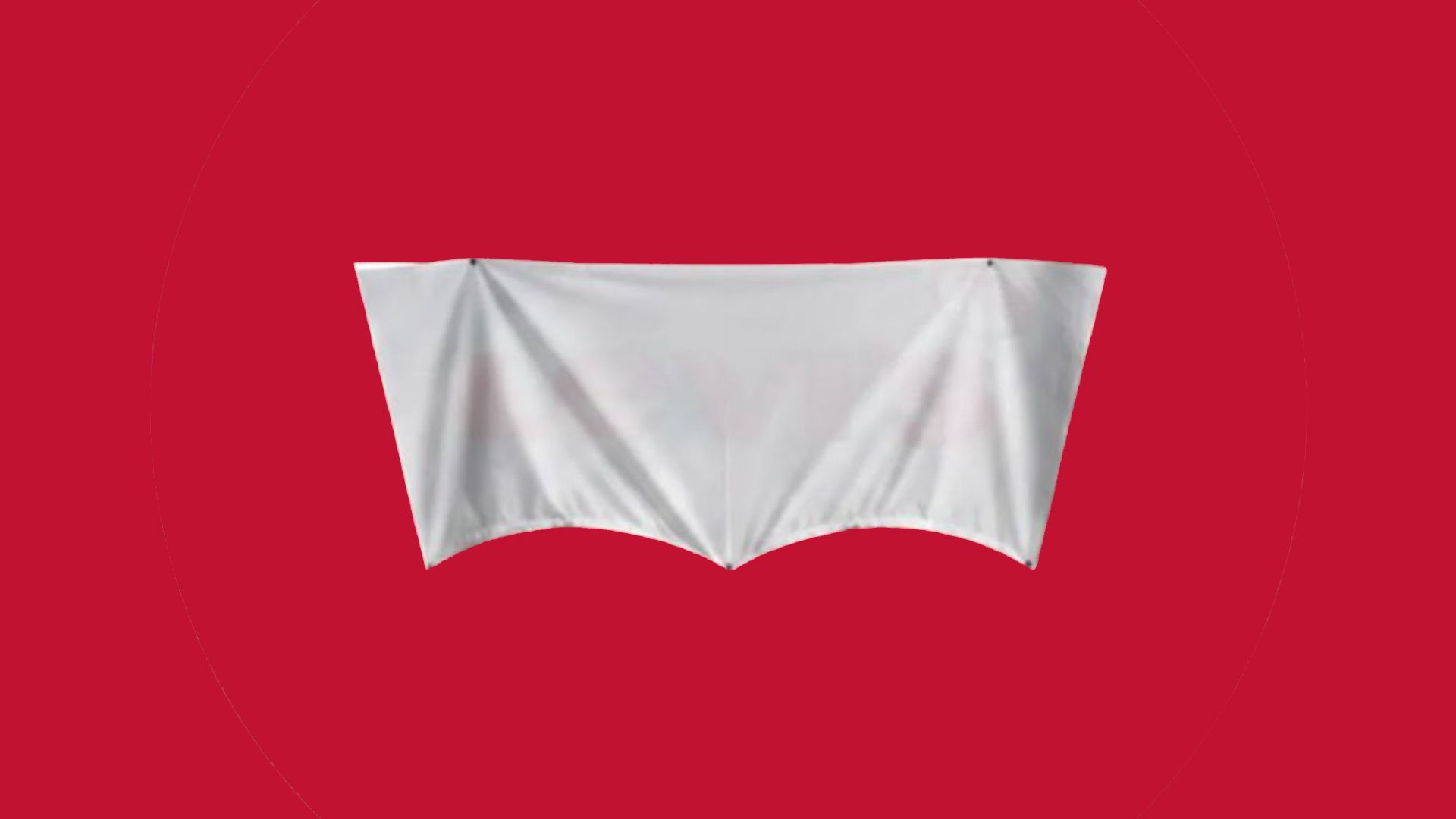
Levi’s Stadium, the home of the San Francisco 49ers and a designated host venue, found itself at a crossroads. The stadium’s name and branding are baked into its very architecture, most notably through the massive, unmistakable Levi’s signage. As the countdown to the World Cup began, the directive arrived: the signage had to vanish. The solution was as utilitarian as it was transparent: a white tarp, strapped over the logo, attempting to turn a globally recognized brand into a blank slate.
Chronology of a Viral Moment
The transformation did not go unnoticed. What began as a logistical compliance effort quickly turned into a social media spectacle.
- The Installation: Maintenance crews draped the iconic Levi’s logo in white material, intending to mask the trademark "batwing" silhouette.
- The Immediate Reaction: Almost instantly, fans and observers on social media platforms like X (formerly Twitter) began documenting the "concealment." The consensus was immediate: the tarp was entirely ineffective.
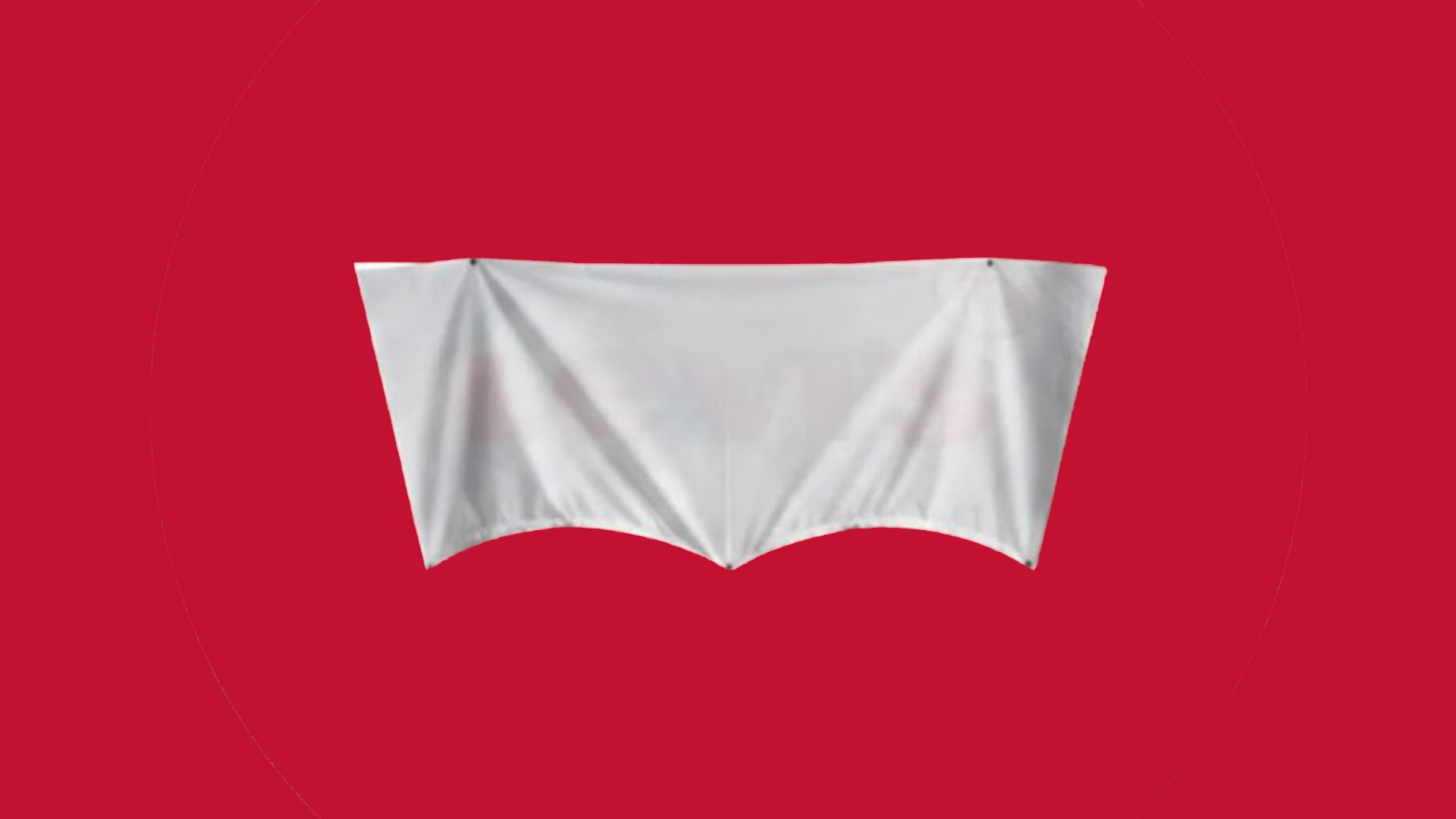
- The Digital Pivot: Recognizing the absurdity, Levi’s did not fight the ruling or protest the coverage. Instead, they leaned into it. The brand updated its official social media avatars to feature the shrouded, tarp-covered logo, effectively claiming the "censored" look as its own.
- The Viral Video: The brand released a short, punchy video with the tongue-in-cheek caption: "Welcoming the world to the beautiful [redacted] stadium!"
This sequence of events transformed a moment of forced compliance into a brand-led narrative, allowing Levi’s to dominate the conversation without ever breaking a rule.
Why the Tarp Failed (And Why That’s Good)
From a design perspective, the failure of the tarp is a testament to the power of iconic branding. A truly "iconic" logo does not rely on text or high-definition imagery to communicate its presence; it relies on shape, negative space, and cultural ubiquity. The Levi’s batwing is one of the most recognizable silhouettes in retail history.
When a brand reaches this level of visual saturation, it enters the collective subconscious. As one social media commentator noted, "When a logo is the real deal, no tarp can erase it, because it no longer lives on the stadium wall but in people’s heads."
This phenomenon is often studied in marketing as "brand salience." Salience is the degree to which your brand is thought about or noticed when a customer is in a buying situation. In this case, the attempt to hide the brand actually increased its salience. By creating a mystery—or a "forbidden" image—the tarp-covered logo became more interesting to the average observer than the original signage ever was.
Official Responses and Industry Implications
While neither FIFA nor the stadium operators have issued a formal apology or "retraction" regarding the tarp, the marketing industry has been quick to analyze the fallout.
"What we are seeing here is the phenomenon of weaponized compliance," says branding consultant Marcus Thorne. "Levi’s didn’t have to spend a cent on a new campaign. By being forced to ‘hide,’ they actually highlighted their brand. It’s the ultimate win-win. They complied with the contract, but they won the cultural war."
The implications for future event branding are significant. As organizations attempt to sanitize host venues, they risk creating "blank spaces" that invite public commentary. If a brand is strong enough, the act of covering it up becomes an act of publicity. This raises a critical question for event organizers: in the age of viral social media, is "clean" branding even possible?
The "Redacted" Branding Strategy
Levi’s decision to adopt the "redacted" aesthetic was a masterstroke of tone. Rather than appearing as a victim of corporate heavy-handedness, the brand positioned itself as a participant in the joke. By using the word "redacted" in their communications, they leaned into the conspiratorial nature of the internet, framing FIFA’s requirements as a quirky, bureaucratic hurdle that the brand was "in on."
This strategy aligns with current trends in "anti-branding" or "self-aware branding," where corporations drop the corporate veneer in favor of authenticity. By acknowledging the elephant in the room—or rather, the tarp on the wall—Levi’s humanized its presence, moving from a static sign to a living, breathing participant in the tournament’s atmosphere.
The Future of Iconic Identity
As we look toward 2026 and beyond, the most important branding tools may not be traditional advertisements, but rather the ability to navigate digital culture. The Levi’s incident proves that visibility is not just about where a logo is placed, but how it is perceived.
When a brand is so deeply ingrained in culture that even a physical obstruction cannot dampen its recognition, it has achieved a level of success that no marketing budget can buy. The "tarp incident" will likely be taught in marketing seminars for years to come, serving as a case study for why design, at its core, is about memory and recognition.
Conclusion: A Lesson in Resilience
The white tarp at Levi’s Stadium was intended to be a tool of erasure. Instead, it acted as a spotlight. By attempting to mask the logo, the authorities accidentally highlighted the brand’s enduring power.
In a world where consumers are increasingly cynical toward traditional advertising, Levi’s managed to secure free, organic, and highly engaging global exposure. They proved that while you can cover a logo, you cannot hide a brand that has already captured the public’s imagination. As the stadium continues to host the world’s most watched sport, the memory of the "redacted" logo will likely persist, serving as a reminder that the strongest brands are the ones that can withstand the test of a simple, white sheet.
For other brands, the lesson is clear: if you want to be remembered, make sure your silhouette is iconic enough that even the most determined attempt at censorship only makes you more visible.


 Asro
Asro
 Sagoh
Sagoh