Asep Darmawan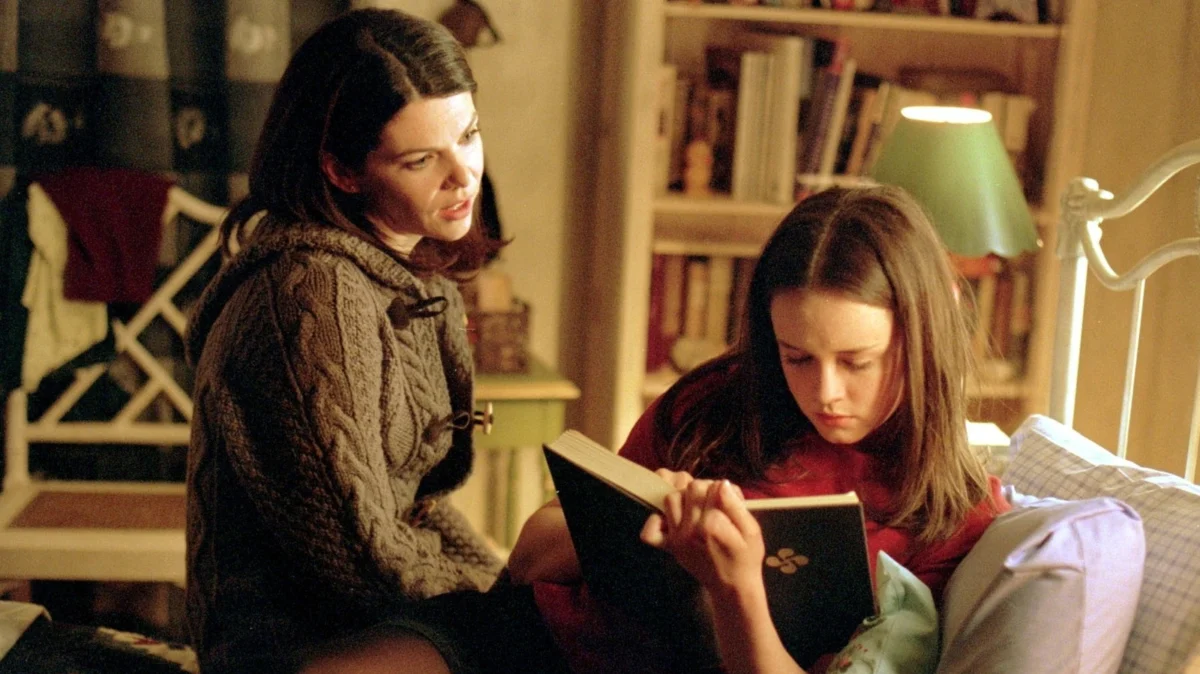
For nearly a decade, the comforting, rapid-fire banter of Lorelai and Rory Gilmore has served as a digital hearth for millions of subscribers. Whether it’s the arrival of the first crisp autumn breeze or a rainy weekend craving, Gilmore Girls has remained a perennial top-performer on Netflix. However, that era of endless, on-demand coffee and Stars Hollow charm is coming to a close.
In a development that has sent ripples of nostalgia and frustration through the fan community, Netflix has officially confirmed that the original seven-season run of the beloved 2000s dramedy will depart its platform on June 30, 2026. While the streamer’s own revival, Gilmore Girls: A Year in the Life, will remain available, the loss of the foundational series represents a significant shift in the streaming landscape and highlights the increasingly complex nature of content licensing in the modern era.
The Announcement: A Bitter Pill for the "Gilmore" Faithful
The news broke via a series of social media communications from Netflix, which adopted a tone of bittersweet reverence. Referencing the iconic dialogue between Lauren Graham and Alexis Bledel, the streamer acknowledged the show’s status not just as a series, but as a "lifestyle" and a "religion" for its dedicated fanbase.
"It’s a show? It’s a lifestyle. It’s a religion. We are sorry to say that Gilmore Girls Seasons 1-7 will be leaving Netflix in the US on June 30 [2026]," the announcement stated. The post concluded with a poignant tribute to the fictional Connecticut town at the heart of the series, adding, "Raising a cup of coffee to every fan who visited Stars Hollow with us."
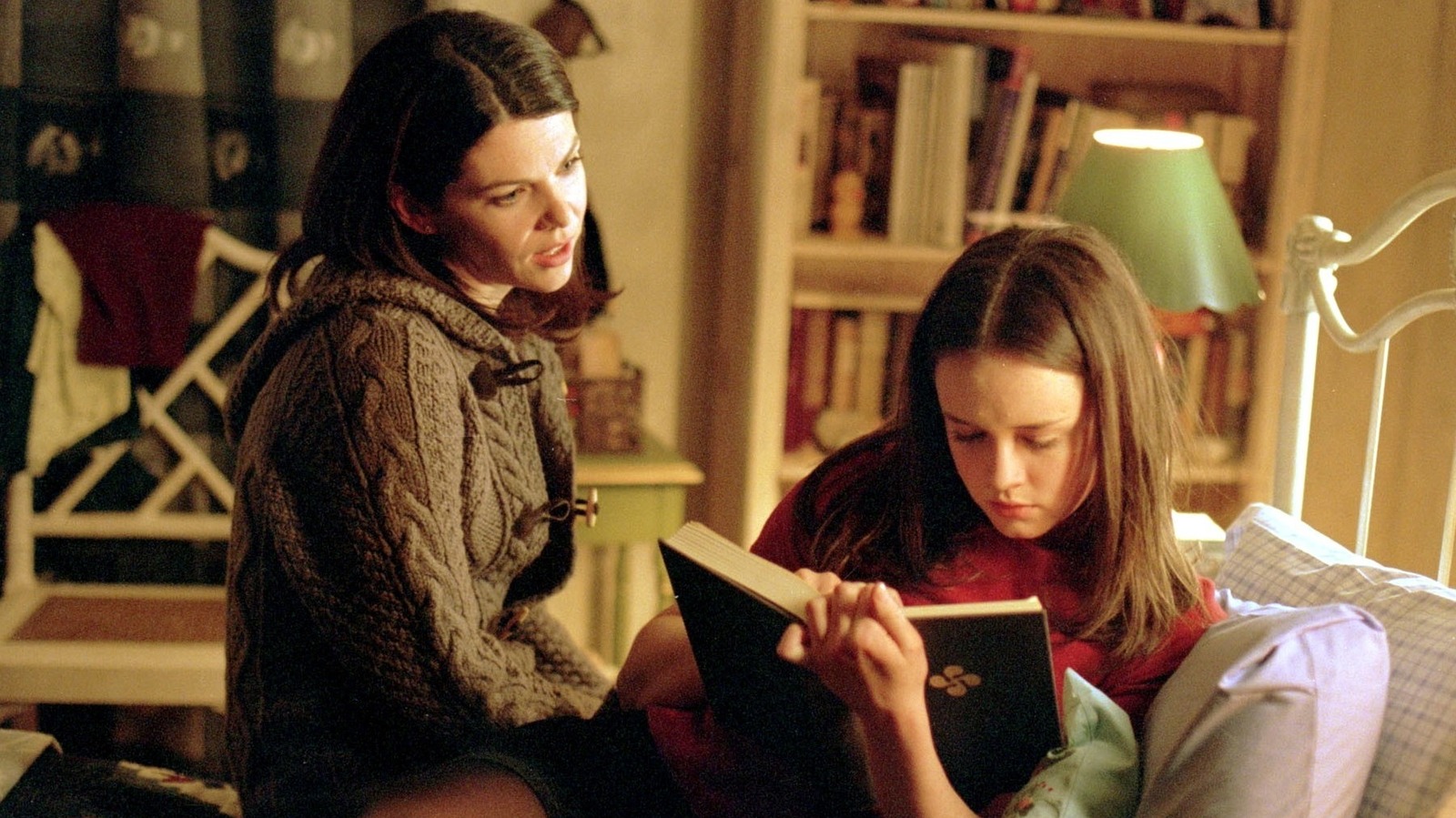
For many, this is more than just a licensing expiration; it is the loss of a cultural touchstone. Since joining the platform, Gilmore Girls became a cornerstone of Netflix’s "comfort TV" strategy, frequently appearing on "Top 10" lists long after the series finale originally aired in 2007.
Chronology: From The WB to the Streaming Frontier
To understand the weight of this departure, one must look at the show’s unique trajectory. Premiering in 2000 on The WB, Gilmore Girls quickly carved out a niche as a whip-smart, dialogue-heavy exploration of mother-daughter dynamics. Created by Amy Sherman-Palladino, the series focused on Lorelai, a 32-year-old single mother, and her 16-year-old daughter, Rory, as they navigated life, love, and the financial complexities of prep-school tuition in the quaint, eccentric town of Stars Hollow.
- 2000–2007: The series runs for seven seasons, weathering network shifts and evolving from a cult hit to a critical darling.
- 2007: The series concludes with a bittersweet finale, leaving some fans unsatisfied due to the absence of Sherman-Palladino for the final season.
- 2014–2016: A massive resurgence in interest occurs as a new generation discovers the show on streaming platforms.
- 2016: Netflix breathes new life into the franchise with Gilmore Girls: A Year in the Life, a four-part miniseries that reunites the original cast.
- 2026: The licensing agreement for the original series expires, signaling its removal from Netflix.
Supporting Data: Why "Gilmore Girls" Remains a Streaming Titan
The sustained popularity of Gilmore Girls is a testament to the "rewatchability" factor that streamers covet. According to industry metrics, the show consistently ranks among the most-watched library titles on Netflix. This is attributed to several factors:
- Seasonal Aesthetics: The show is inextricably linked to the autumn aesthetic. Its autumnal color palette, sweaters, and references to Thanksgiving and fall festivals make it a seasonal staple, similar to how The Office or Friends are used as "background noise" content.
- Cultural Literacy: With its fast-paced dialogue referencing thousands of books, films, and music acts, the show functions as a time capsule of early 2000s pop culture, keeping it relevant for viewers looking for a sense of historical grounding.
- The "Comfort" Economy: As global stressors have increased, the demand for "low-stakes" television—where the biggest problem is a town meeting or a broken-down car—has surged. Gilmore Girls provides a predictable, safe harbor for viewers.
The Netflix Disconnect: A Tale of Two Series
One of the most confusing aspects of the announcement for casual viewers is the "split" in availability. While the original seven seasons are set to vanish, the 2016 revival, Gilmore Girls: A Year in the Life, is a Netflix original production. Because Netflix owns the distribution rights to the revival in perpetuity, it will remain on the platform indefinitely.
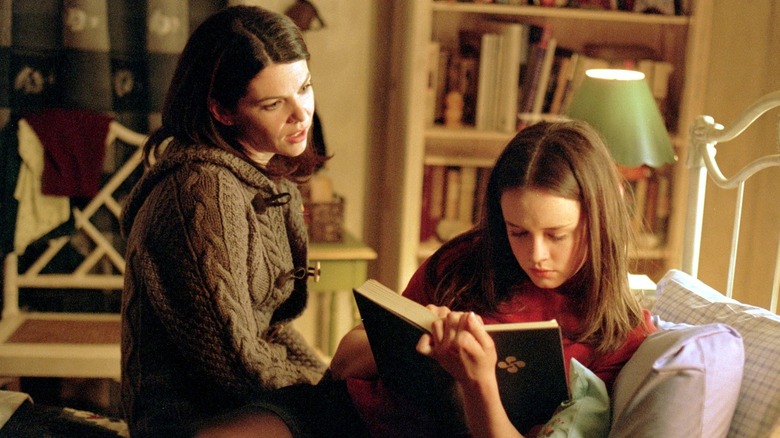
This creates a fragmented viewing experience. A new viewer starting their journey on Netflix will be able to watch the revival, but will eventually find the original series—the context required to actually understand the characters’ relationships—missing. This underscores the volatility of the current streaming model, where proprietary content (the revival) is prioritized over licensed library content (the original).
The Implications: Why Physical Media Matters More Than Ever
The departure of Gilmore Girls from Netflix serves as a stark reminder of the "renting" model inherent in modern streaming. When a subscriber pays for a monthly membership, they are not buying the library; they are paying for access to a rotating catalog.
Industry analysts suggest this is part of a larger trend where major studios are reclaiming their intellectual property to bolster their own streaming services (such as Warner Bros. Discovery’s Max) or to license content to multiple platforms to maximize revenue.
For the average consumer, the implications are twofold:
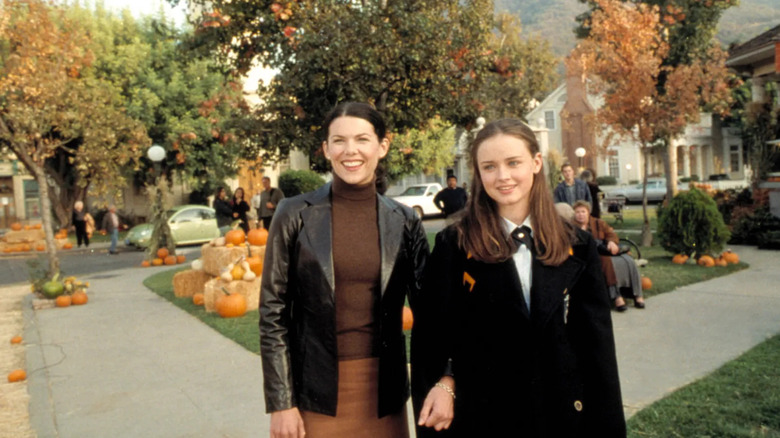
- The End of Centralized Viewing: Fans will now have to navigate different platforms to complete their viewing experience. While Gilmore Girls is currently available on Hulu, there is no guarantee that it will remain there, or that a single platform will hold the rights to the entire franchise in the future.
- The Renaissance of Physical Media: The "digital shelf" is ephemeral. Many fans have taken to social media to express their intent to purchase the series on DVD or Blu-ray. As digital libraries become subject to the whims of licensing lawyers, the physical copy stands as the only way to ensure permanent, uninterrupted access to one’s favorite programs.
The Legacy of Stars Hollow
As the June 2026 deadline approaches, the conversation surrounding Gilmore Girls is shifting from a celebration of its wit to a broader critique of the streaming age. While the show will undoubtedly find a new home—or perhaps return to Netflix in a future licensing deal—the current situation highlights the fragility of the content we consider "ours."
Ultimately, the story of Lorelai and Rory is one of resilience and growth. In a poetic sense, the show’s departure from its long-time home on Netflix mirrors the life stages of the characters themselves: just as they moved out of their comfort zones in Stars Hollow, the show must now navigate the changing tides of the digital entertainment industry. For the fans, the "religion" of Gilmore Girls will continue, whether it’s on a shelf, a rival app, or simply in the shared memory of a generation that grew up alongside the girls from Connecticut.


 Jia Lissa
 Muslim