

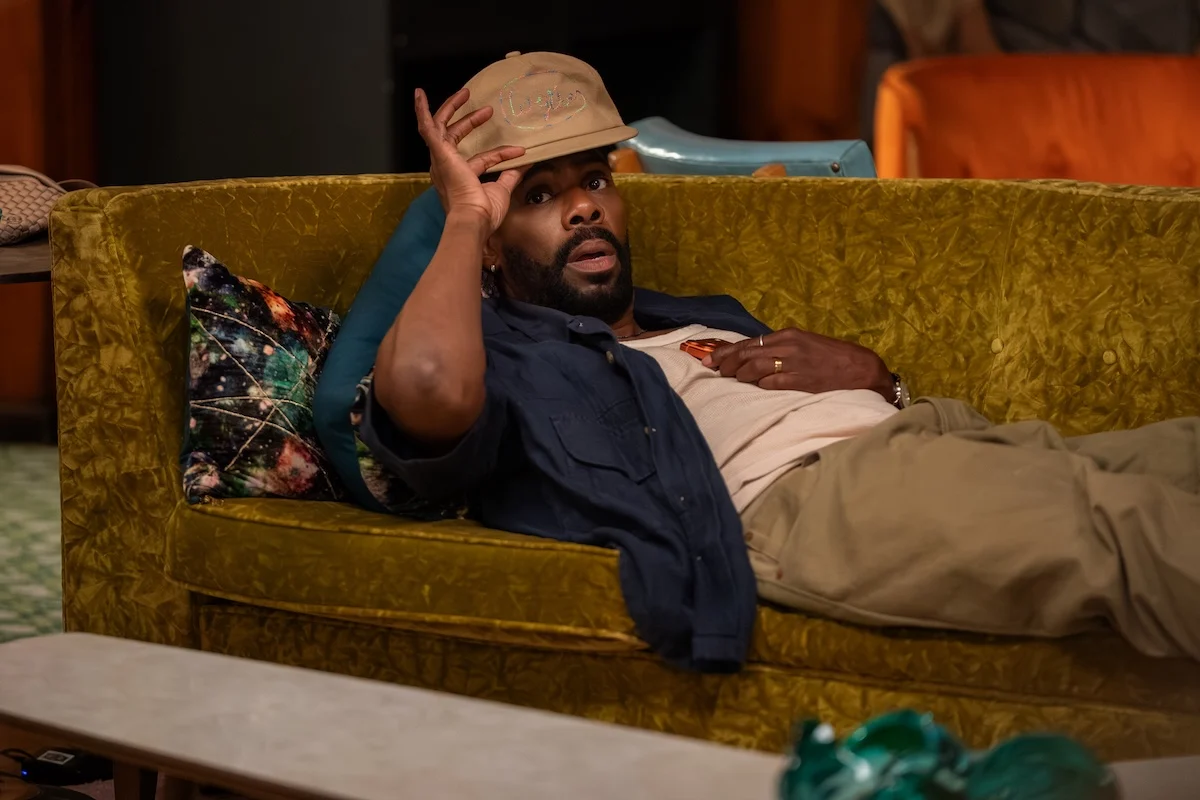
Television is, by its very nature, a medium of adaptation and iteration. It is the only narrative form that allows its creators the luxury of feedback. A shaky first season is often treated as a pilot-by-proxy, a rough draft that provides the blueprint for a triumphant sophomore effort. History is littered with series that found their voice only after the initial trial-and-error period—shows like The Office, Parks and Recreation, Casual, BoJack Horseman, Industry, and The Bear. These series succeeded because they treated their second season as an evolution, pivoting toward the dynamics that crackled with energy while discarding the narrative dead weight that hindered momentum.
Yet, for every series that uses its sophomore year to soar, there are those that remain stubbornly anchored to the ground, content to coast on the residual goodwill of their initial concept rather than pushing into new territory. Such is the frustrating reality of the second season of Netflix’s The Four Seasons. Despite a pedigree that boasts some of the most formidable talents in modern comedy—Tina Fey, Steve Carell, Colman Domingo, and Will Forte—the show appears to be suffering from a terminal case of complacency.
The Promise of Potential vs. The Reality of Execution
When The Four Seasons was first announced, it felt like an event. Bringing together titans of the industry—co-creators Lang Fisher, Tracey Wigfield, and Tina Fey—with a cast of this caliber suggested a series that would be sharp, poignant, and structurally innovative. The premise, focused on the shifting dynamics of a tight-knit friend group, seemed ripe for the kind of character-driven humor that defined the golden age of the network sitcom.
However, as the series progresses into its second season, the gap between what the show could be and what it is becomes cavernous. Rather than leaning into the narrative shifts established by the first season’s conclusion, the creative team seems to be operating on autopilot. The ambition that one would expect from such high-tier talent is noticeably absent, replaced by a commitment to a formula that is "fine" but rarely transcendent.
A Chronology of Missed Opportunities
To understand where The Four Seasons loses its way, one must look at the pivotal narrative shift at the end of Season 1. The penultimate episode delivered a shock to the system: the sudden death of Nick (Steve Carell) in a car accident. In the world of modern television, such a major character death is typically a catalyst for profound thematic growth.

For the supporting cast, the impact was immediate and varied: his ex-wife, Anne (Kerri Kenney-Silver), finally found the closure required to process their abrupt divorce; Danny (Colman Domingo) and Claude (Marco Calvani) navigated the complexities of grief; and Jack (Will Forte) and Kate (Fey) found a renewed sense of purpose after a harrowing shared experience. By the end of the season, these characters were, in many ways, better off than they were when they started.
The outlier was Ginny (Erika Henningsen), Nick’s young girlfriend, who delivered a bombshell: she was pregnant with Nick’s child. This cliffhanger provided the perfect structural pivot for Season 2. It offered a "Three Couples and a Baby" framework that could have grounded the group, eliminated the need for the increasingly implausible quarterly vacations, and forced the characters to confront the reality of aging, legacy, and the permanence of their ties to one another.
Instead, Season 2 opts to ignore the potential of this narrative arc. Ginny is treated more as a plot device than a character, and the show fails to integrate her into the group’s dynamic in a meaningful way. Even worse, the series continues its pattern of "event" vacations, which now feel hollower than ever in the wake of Nick’s absence. The Steve Carell-sized hole in the cast is not filled by the baby, but by a lingering, awkward silence that the show’s writing is seemingly too timid to address.
Supporting Data: The Anatomy of a Sitcom in Stasis
A closer examination of the character dynamics reveals why the show feels stagnant. Tina Fey and Will Forte, while talented individually, suffer from a lack of genuine romantic chemistry. Their "best-friends-marriage" trope produces a few chuckles—particularly in a recurring gag about Fey’s disdain for exercise—but it never feels like the bedrock of a compelling story.
Conversely, the pairing of Colman Domingo and Tina Fey provides a flicker of what the show could be. Their rapport is sharp, intellectual, and grounded in an honest recognition of their shared history. When they are on screen together, the dialogue sparkles, and the pacing tightens. Similarly, Kerri Kenney-Silver’s arc offers the most physical comedy and the most relatable human struggle, yet these moments are often isolated within episodes that lack a cohesive through-line.

The fourth episode, written and directed by Tracey Wigfield, stands as the lone exception to the season’s mediocrity. It is here that the series finally taps into its potential. The dialogue is biting, the visual gags are unexpected, and the character pairings are shuffled in ways that feel purposeful rather than incidental. A conversation between Anne and Danny about the burdens of middle age and the pressure to "stick the landing on my entire life" provides a rare moment of genuine, bittersweet resonance. It is a reminder that the show can hit those heights; it simply chooses not to.
Industry Perspectives and Production Context
The reliance on an established, "safe" comedic style is a hallmark of many high-budget streaming productions. When a project is built around "bankable" stars, there is often a fear of alienating the audience by moving too far into dramatic or experimental territory. In the case of The Four Seasons, the result is a show that feels terrified of being bad, which in turn prevents it from ever being great.
Industry critics have noted that the show’s refusal to lean into the darker, more melancholic implications of Nick’s death limits the emotional range of the remaining ensemble. By attempting to keep the tone light and "sitcom-y" despite the heavy subject matter, the creators have created a tonal dissonance that makes the show difficult to invest in. The series seems caught between a desire to be a witty, sophisticated comedy and a need to remain a comforting, episodic distraction.
The Implications of the "C" Grade
The decision to assign a "C" grade to The Four Seasons is not a reflection of the cast’s talent, but of the project’s lack of vision. A C-grade show is, by definition, passable. It is the type of television one might put on in the background while folding laundry. It is functional, professionally acted, and occasionally amusing. But it is not essential.
The implications for the future of the series are significant. If a show with this much creative capital cannot manage to evolve by its second season, it is unlikely to find its footing in a third. Without a commitment to character development that goes beyond surface-level quirks, The Four Seasons risks becoming a cautionary tale about the perils of coasting.

In an era where the television landscape is saturated with content, mediocrity is a death sentence. Audiences are increasingly drawn to shows that take risks—shows that change, grow, and challenge the viewer’s expectations. By playing it safe, The Four Seasons hasn’t just failed to improve upon its first season; it has effectively frozen its characters in time. They are, as Anne says in the fourth episode, "almost done"—and if the writing doesn’t pick up the pace, the audience might just agree with her.
‘The Four Seasons’ Season 2 premieres Thursday, May 28 on Netflix. All eight episodes will be released at once.











No comments yet. Be the first to join the conversation!