Iffa Jayyana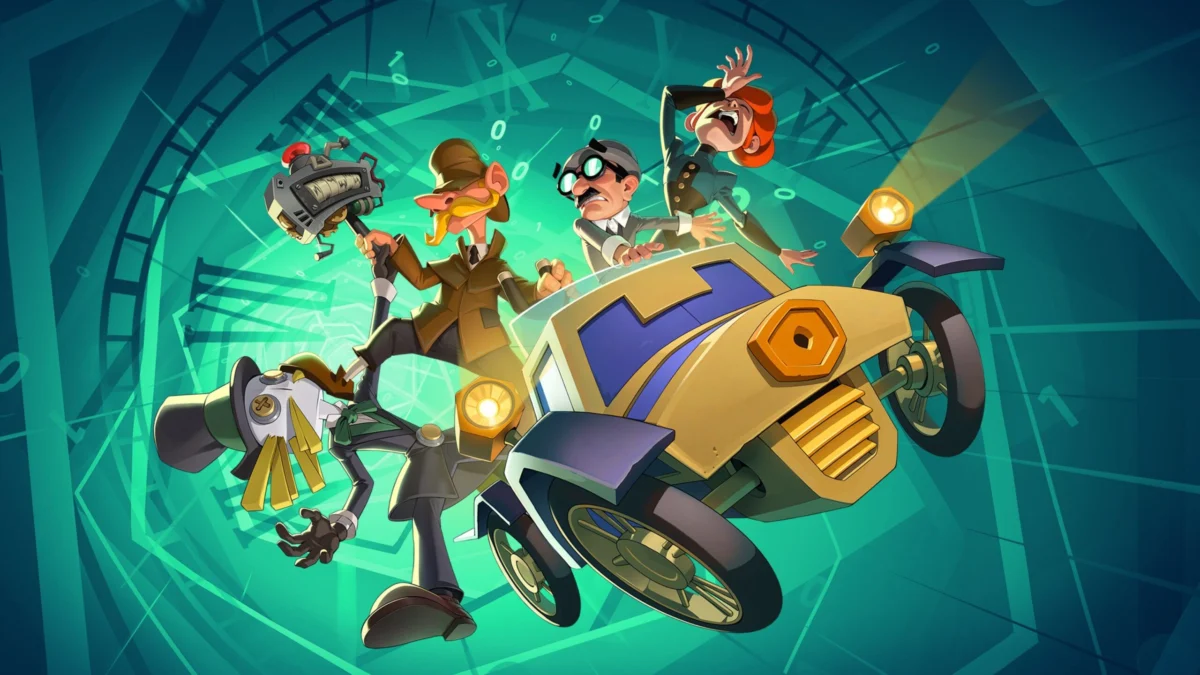
In the ever-evolving landscape of indie game development, few studios have managed to master the art of the "meta" quite like Draw Me A Pixel. Following the breakout success of There Is No Game: Wrong Dimension, the developer has returned to the spotlight with their latest offering, Crushed in Time. This innovative point-and-click adventure challenges the traditional boundaries of the medium, inviting players to not just play a game, but to physically interact with the very fabric of its existence. By shifting the perspective from simple narrative progression to a tactile, reality-bending experience, Crushed in Time solidifies its place as one of the most intellectually and mechanically daring titles of 2026.
The Genesis of an Elastic Mystery
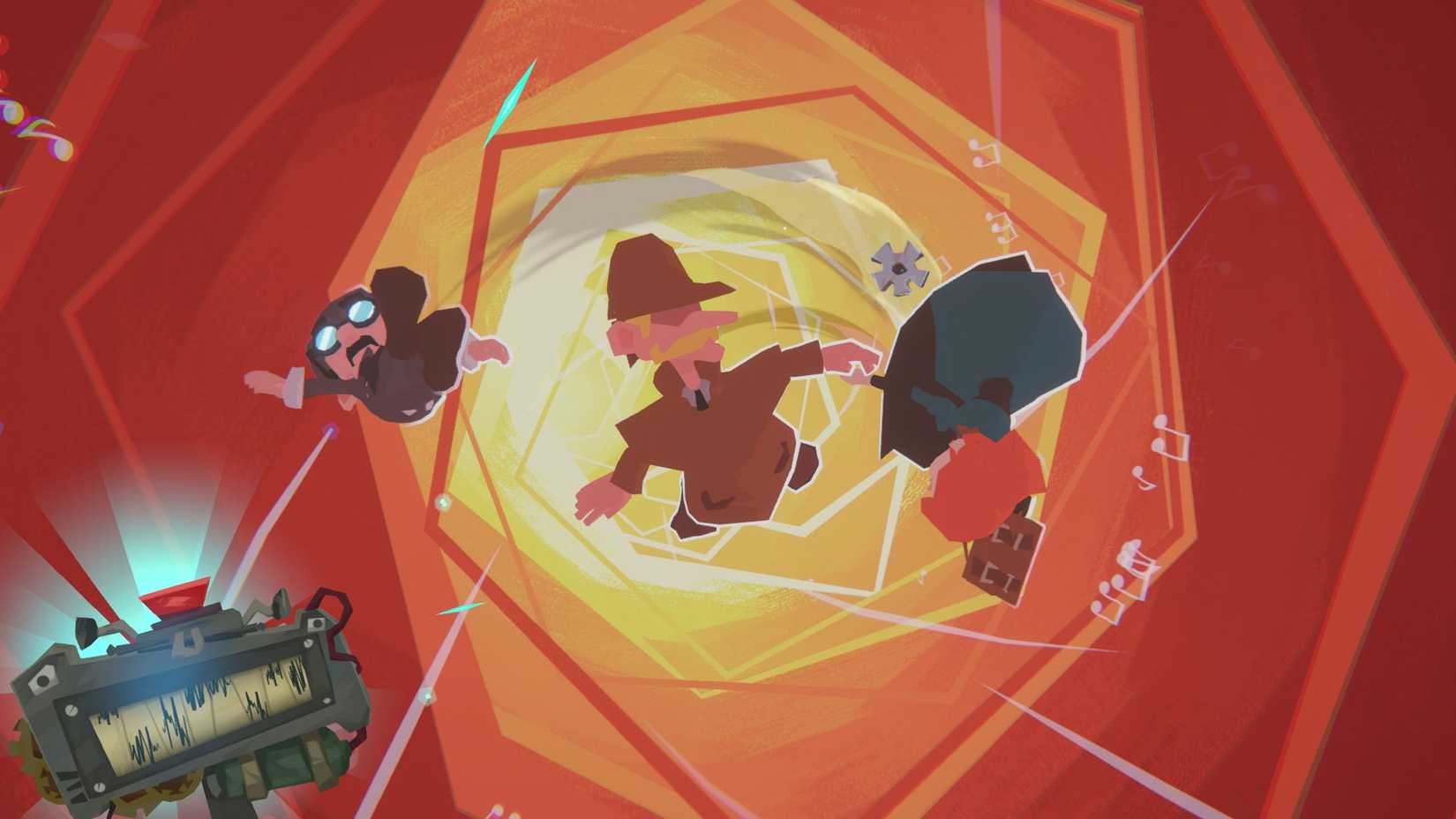
The premise of Crushed in Time is deceptively simple: a mysterious letter arrives at the office of Sherlock Holmes and Dr. Watson, setting off a chain of events that leads the iconic duo on a journey far beyond the cobblestone streets of Victorian London. However, fans of Draw Me A Pixel’s previous work will know better than to expect a standard detective story.
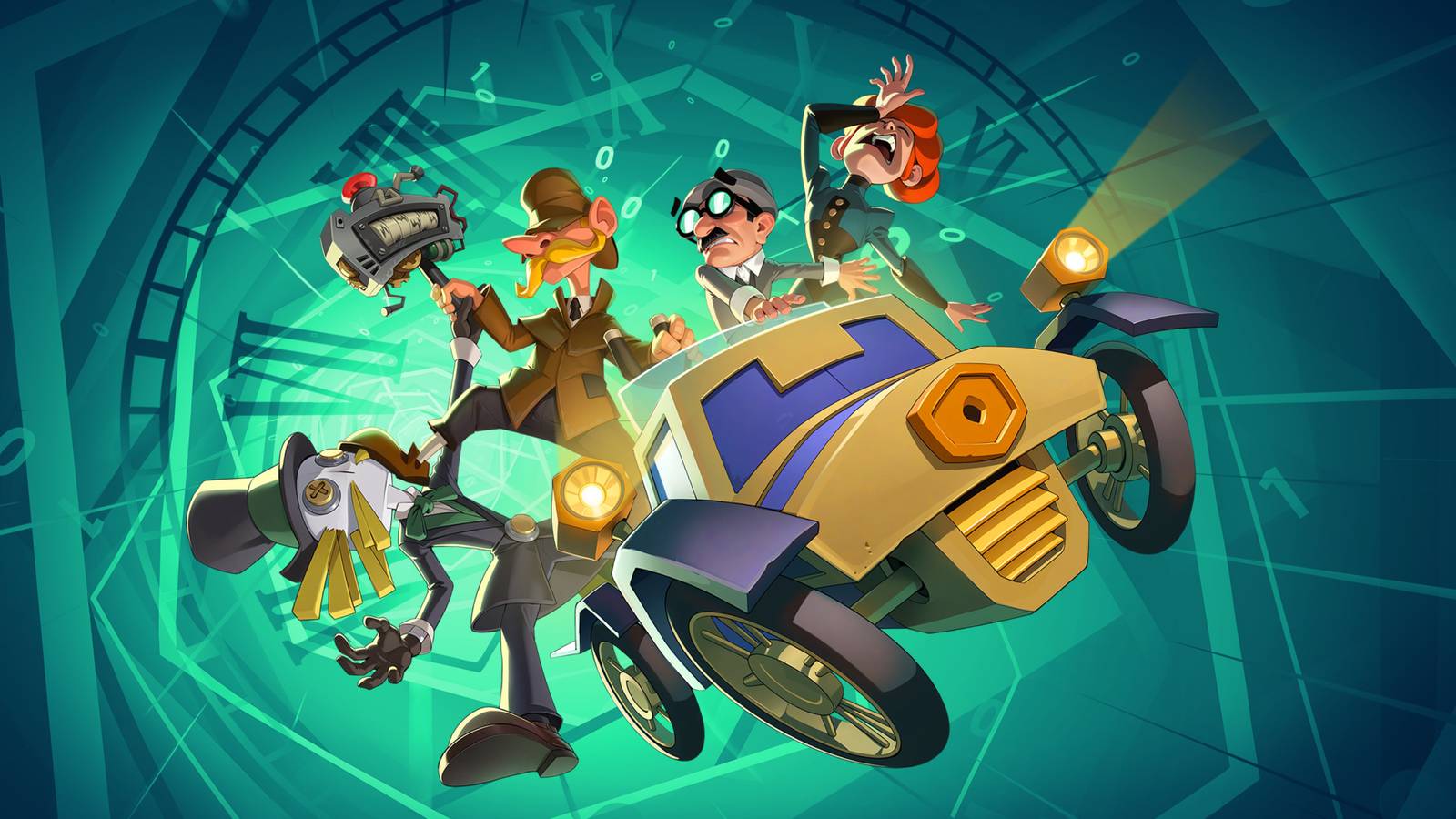
The "time" element in Crushed in Time is not a trope of historical travel, but rather a commentary on the iterative nature of software development. Instead of jumping between centuries, Holmes and Watson traverse the "production schedule" of their own game. Players navigate between master builds, early prototypes, and abandoned design concepts, forced to reconcile the game’s reality with the "bugs" and incomplete assets of its developmental past.
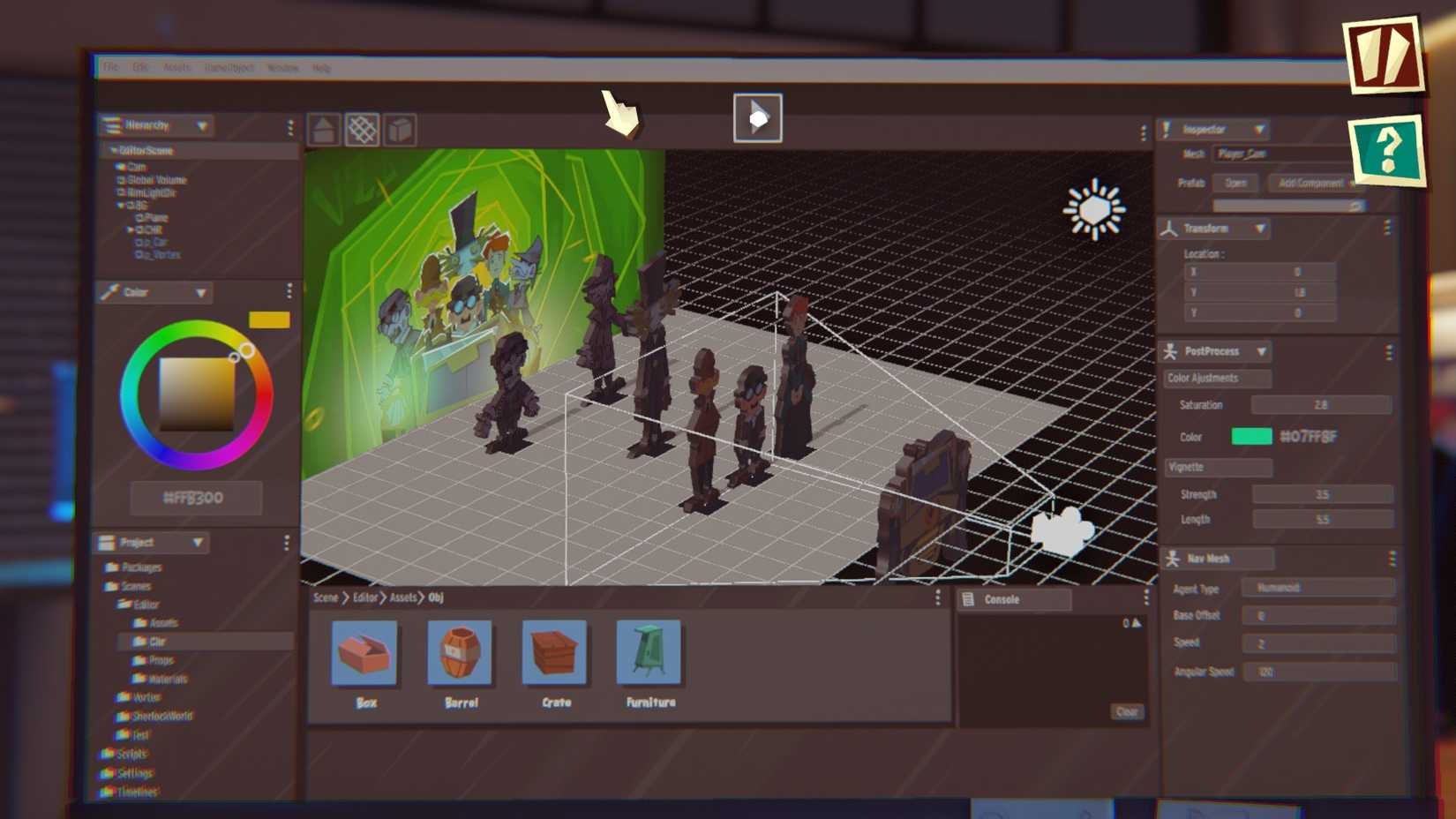
This meta-narrative structure serves as both the game’s primary hook and its most profound thematic layer. By pulling back the curtain on how games are made, Draw Me A Pixel allows players to see the "wires" behind the stage—the placeholder assets, the floating geometry, and the logic-flow diagrams that usually remain hidden from the consumer.

A Tactile Revolution: The Mechanics of "Pinching"
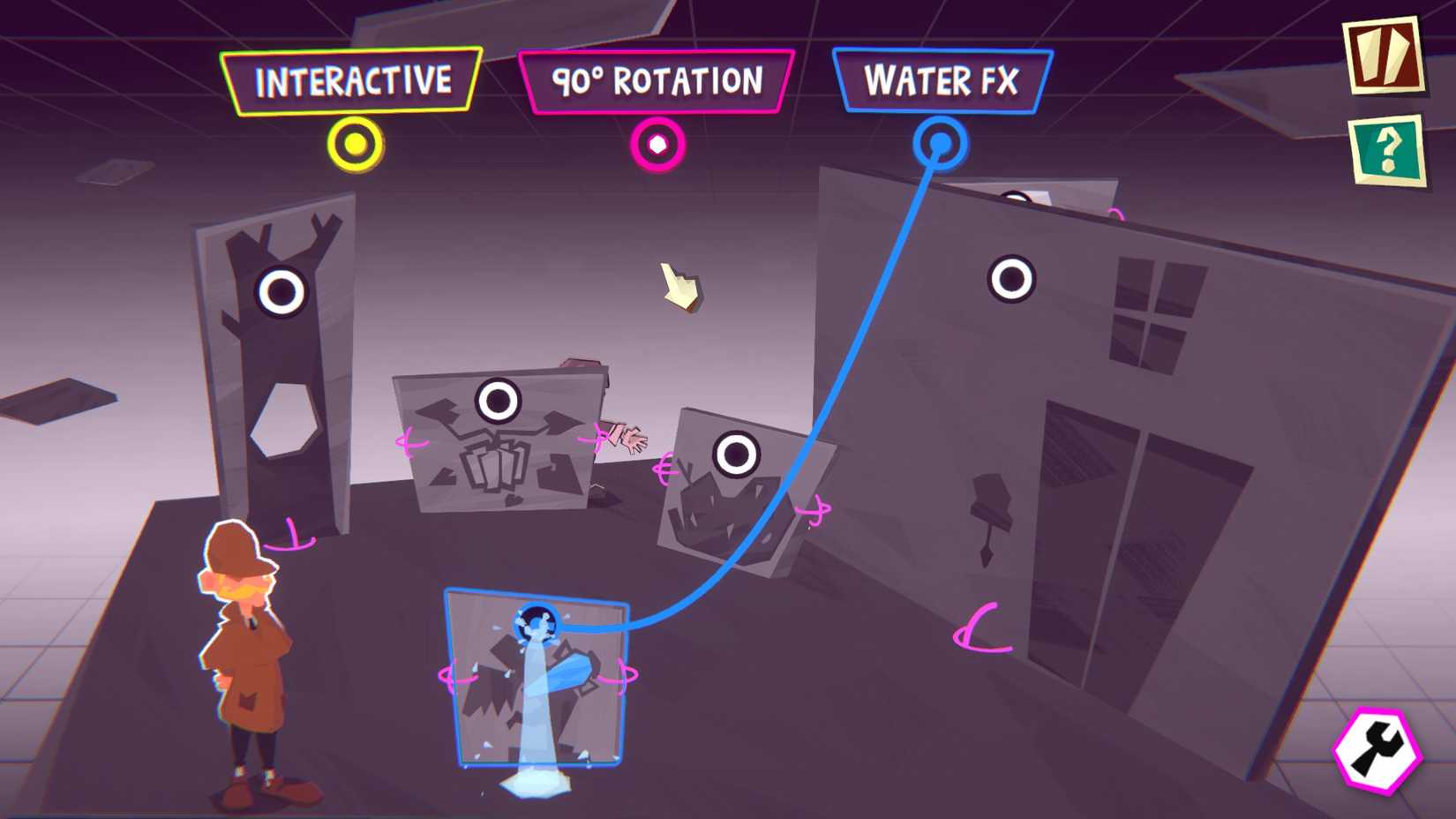
What truly sets Crushed in Time apart from its genre contemporaries is its unique interaction mechanic. Abandoning the traditional "point-and-click" verb-heavy UI, the game introduces a "pinch" mechanic. Using the mouse, players can literally grab objects, characters, and environmental elements, pulling and stretching them to manipulate the game world.
The physics engine driving this system is impressively elastic, allowing for moments of genuine comedy and clever problem-solving. A character might be stuck in a "work-in-progress" state, and by stretching their model, the player can force them into a position that triggers a new dialogue tree or clears a path forward.
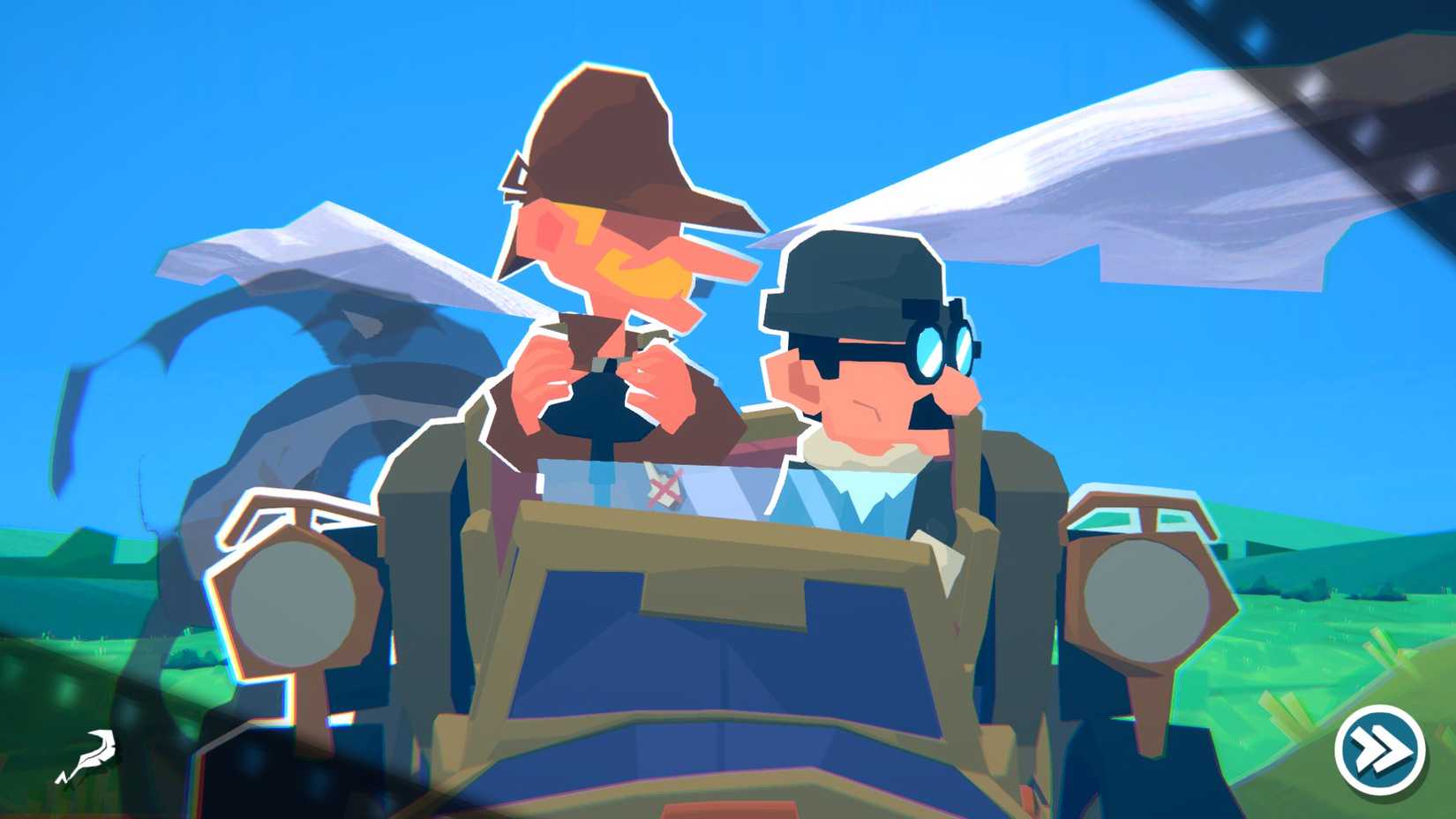
This mechanic is not merely a gimmick; it is integrated into the core puzzle design. Players must understand the "state" of the environment they are in. For example, in a "prototype" zone, gravity might be unreliable or objects might lack collision detection. By identifying these quirks, the player can exploit the game’s own internal logic to bypass obstacles. This makes the player an active participant in the "debugging" process, transforming the role of the detective into that of a QA tester with divine powers.
Chronology of a Development Nightmare
The narrative journey of Holmes and Watson is divided into several distinct "developmental phases." Each phase acts as a chapter, introducing new mechanics or recontextualizing old ones based on the "maturity" of the software build.
- The Master Build: The game begins in a state of relative stability, introducing the players to the core dynamic of Holmes and Watson.
- The Prototype Eras: As the mystery deepens, the duo is thrust into early-stage environments. These areas are characterized by geometric abstractions and placeholder textures. Here, the player learns to manipulate the "raw code" of the environment.
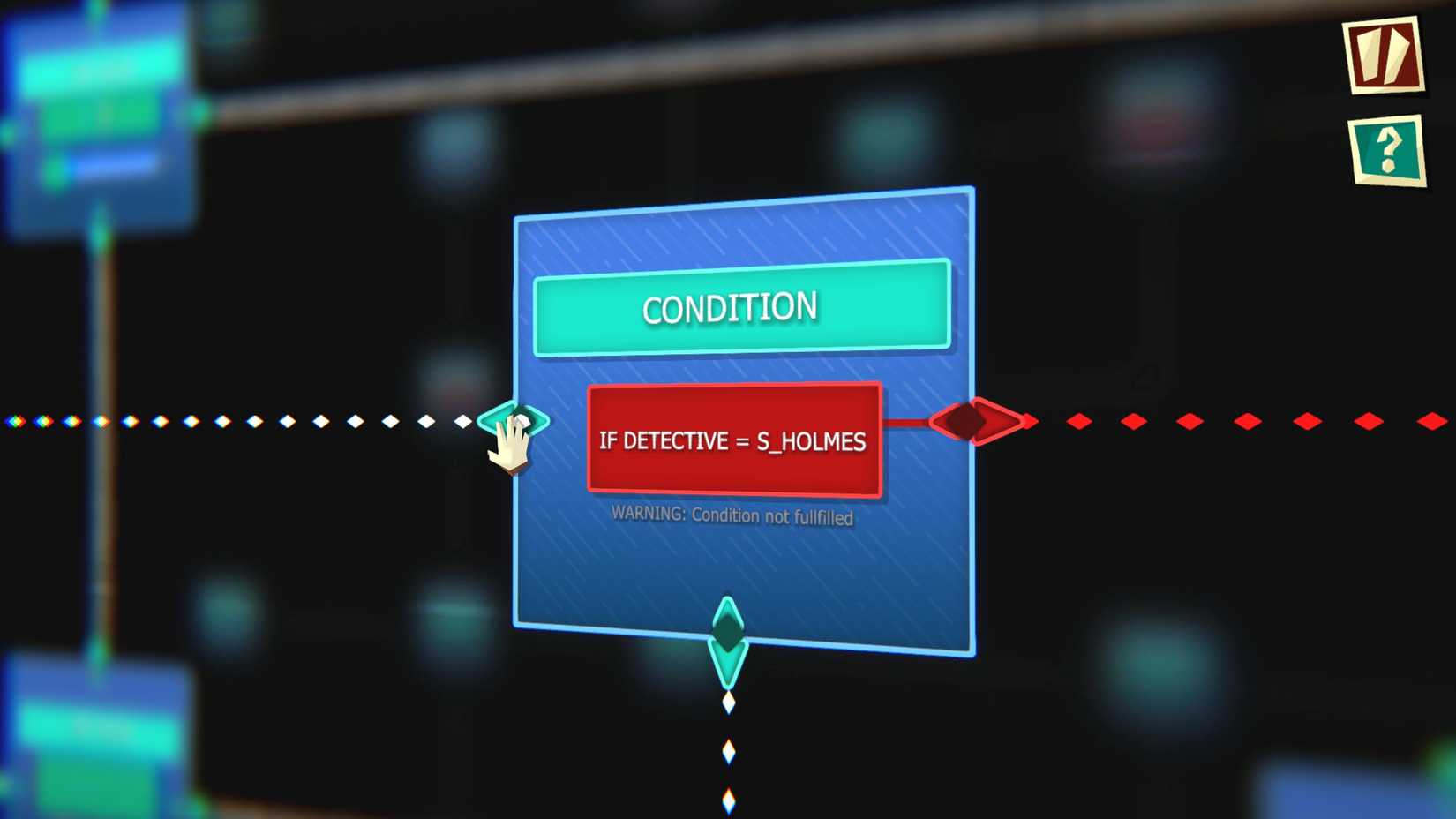
- The Logic-Flow Interludes: In the latter half of the game, players are exposed to "Flow Control" menus, reminiscent of the logic nodes found in engines like Unreal or Unity. These sequences force the player to literally rewrite the sequence of events to progress.
- The Resolution: The final act attempts to reconcile the various versions of the game world, culminating in a climactic, if somewhat divisive, narrative payoff.
Analyzing the Meta-Perspective: Supporting Data
While the game is lauded for its ingenuity, it is not without its shortcomings. Critics have pointed out that while the meta-narrative is intellectually stimulating, the emotional weight of the story occasionally falters.
The game’s final act attempts to introduce a high-stakes, tragic choice—a staple of the detective genre—but because the narrative is so self-referential and focused on the "game-as-a-product," the drama feels disconnected. The stakes, while presented as world-ending, are filtered through the lens of a software project, making it difficult for the player to feel the gravity of the characters’ plight.
Furthermore, the hint system, while helpful, is inconsistent. Because the puzzles are so tied to the meta-mechanics, a "one-size-fits-all" hint system fails to address the unique logic required for each area. When a player finds themselves stuck, the hints often point to the "what" rather than the "how," leading to occasional frustration that halts the otherwise brisk pacing of the game.
Official Stance and Development Philosophy
Draw Me A Pixel has been vocal about their design philosophy regarding Crushed in Time. In various interviews, the team emphasized that the goal was to create a game that celebrates the "chaos" of creation. "We wanted to make a game where the glitches are the stars," a spokesperson for the studio noted during the pre-launch press cycle.
The team’s dedication to this vision is evident in the dialogue, which is recorded by human actors with an emphasis on natural, unpolished performances. By avoiding the sterilized, over-produced feel of many modern AAA titles, the studio reinforces the game’s "work-in-progress" aesthetic. They argue that by breaking the fourth wall, they are not breaking immersion, but rather deepening the player’s connection to the art form.
The Implications of the "Meta-Genre"
Crushed in Time is part of a growing movement of games that treat the player’s interaction with the UI as a gameplay mechanic in itself. By moving away from the "character as an avatar" model and toward the "player as a user" model, games like Crushed in Time are redefining the genre.
However, this raises an interesting question about the longevity of such titles. If a game relies entirely on subverting expectations and deconstructing the medium, does it have replay value? Once the mystery of the "meta" is solved, does the charm of the puzzles hold up?
Early impressions suggest that the game’s sheer personality carries it through multiple playthroughs. The humor, which is dry, self-deprecating, and highly specific to the experience of game development, ensures that even when the puzzles become familiar, the narrative remains entertaining.
Conclusion: A Worthwhile Glitch in the System
Crushed in Time is an ambitious, if occasionally uneven, achievement. It succeeds in its goal of making the player feel like a ghost in the machine, manipulating code and logic to solve a mystery that exists on both sides of the screen. While the final act’s shift toward drama feels forced, the journey to get there is filled with moments of genuine brilliance and "aha!" realizations that few other games provide.
For those who appreciate the point-and-click genre and have a penchant for the avant-garde, Crushed in Time is a mandatory experience. It is a love letter to the process of creation, a testament to the power of the medium, and a reminder that sometimes, the best way to move forward is to break the game completely. Despite the minor frustrations with the hint system and the stumbling conclusion, Crushed in Time stands as a unique, highly polished, and profoundly clever entry into the indie canon. It is a game that is, quite literally, worth the time.


 Asro
Asro
 Muslim