Rifan Muazin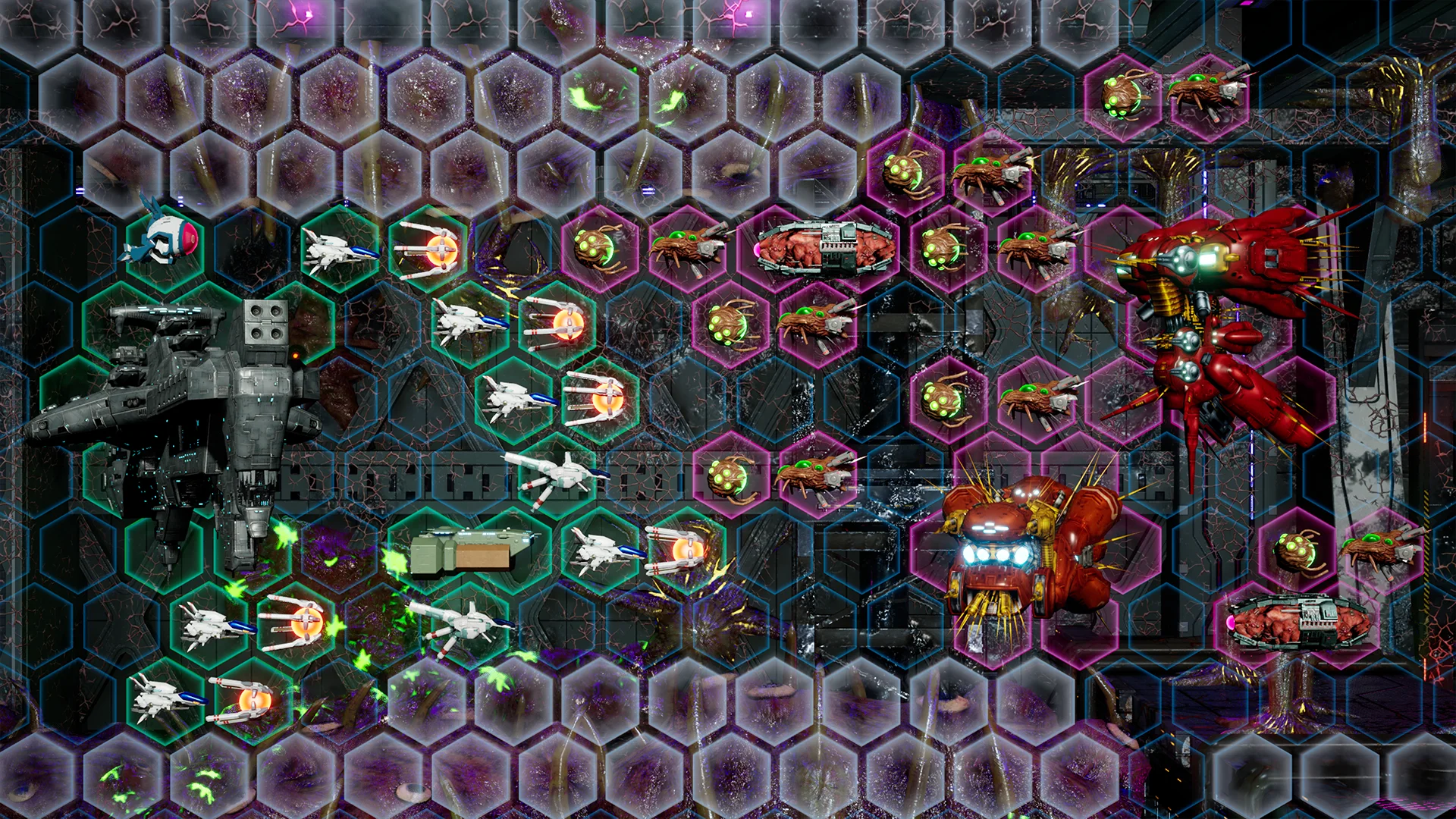
For decades, the R-Type series has stood as a monolith in the pantheon of shoot-’em-ups. Known for its punishing difficulty, iconic biomechanical aesthetic, and the legendary "Force" weapon system, Irem’s flagship franchise defined the high-octane twitch reflexes of the arcade era. However, in 2007, the series underwent a radical metamorphosis with the release of R-Type Tactics. Abandoning the frantic, horizontal scrolling action that made it a household name, the series pivoted toward turn-based strategy, trading rapid-fire reflexes for cold, calculated resource management and grid-based warfare.
Now, developer Granzella—a studio founded by former Irem staff—has resurrected these cult classics for a new generation. R-Type Tactics I & II Cosmos bundles the original title and its previously Japan-exclusive sequel, Operation Bitter Chocolate, into a single, polished package. While the collection offers a stunning visual overhaul and a deep, interlocking strategic layer, it also carries the baggage of its 2007 origins, presenting a challenging, often obtuse experience that will delight genre purists while potentially alienating those looking for a modern, user-friendly tactical RPG.
The Evolution of a Strategy Icon: A Chronological Retrospective
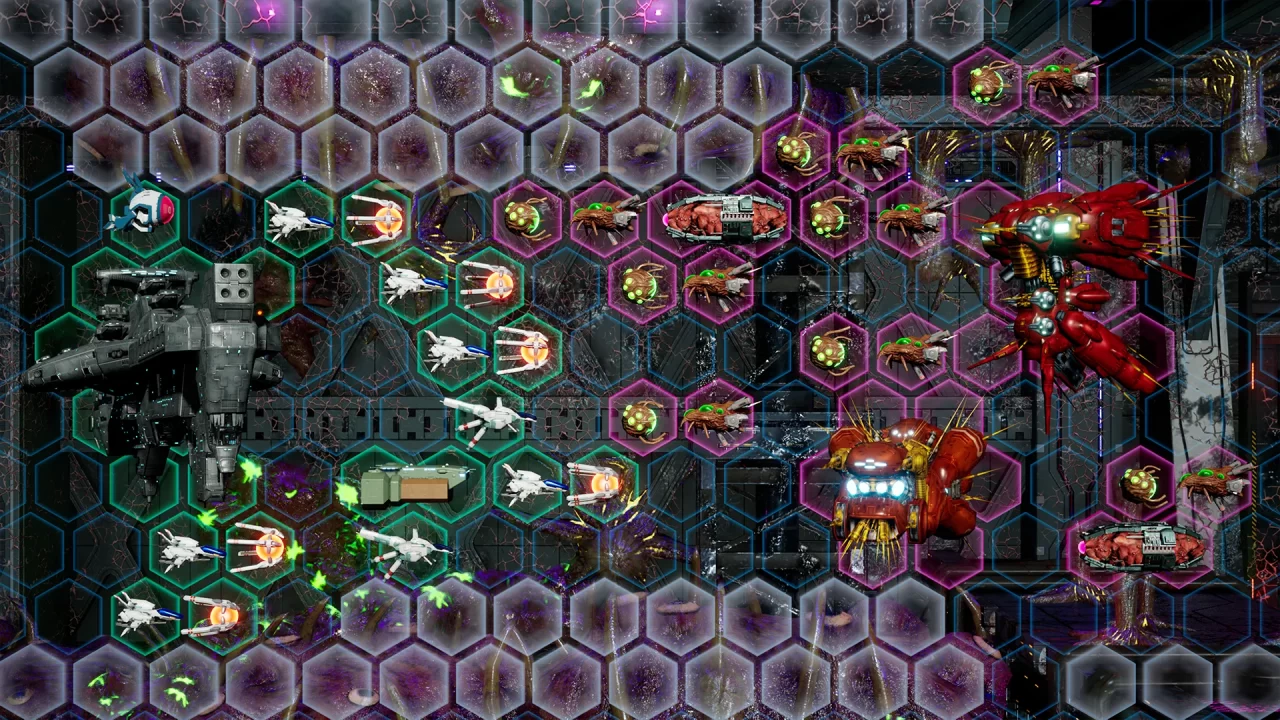
The R-Type franchise has always been about the struggle between humanity and the Bydo—an ever-evolving, terrifying race of biomechanical aliens. When the original R-Type Tactics launched on the PlayStation Portable (PSP) in 2007, it was a daring departure. It took the ships, enemies, and concepts of the shooter series and mapped them onto a hexagonal grid. Players weren’t just dodging lasers; they were managing fuel, ammunition, and complex supply lines.
The 2009 sequel, R-Type Tactics II: Operation Bitter Chocolate, significantly refined the formula, introducing deeper factionalism and a more complex narrative centered on a civil war within human forces. Despite its critical success among import enthusiasts, it never saw an official Western release. For years, the sequel remained a "holy grail" for fans of niche Japanese strategy titles.
With Cosmos, Granzella has finally bridged that gap. By remastering both games using a modern engine, the studio has allowed players to experience the full arc of the tactical sub-series. This collection represents a bridge between the high-speed legacy of the arcade and the deliberate, meditative pacing of the modern strategy RPG.
The Mechanics of War: Deep Systems and Strategic Nuance
At its core, R-Type Tactics I & II Cosmos is a high-stakes puzzle disguised as a war simulation. Players command the Earth Space Corps, navigating a desperate interstellar crusade. However, the game subverts expectations early: the second half of the campaign shifts the perspective to the Bydo, forcing players to master the very alien technology they previously sought to destroy.
The "Force" of Strategy
The brilliance of Cosmos lies in how it adapts arcade mechanics to turn-based movement. In the original shooters, the "Force" pod was a versatile attachment that could be placed in front or behind the ship. In the tactical version, this translates into a multi-turn commitment. Docking a module consumes an action, but it drastically alters the ship’s defensive and offensive capabilities on subsequent turns.
Furthermore, the game maintains a rigid, left-to-right orientation for units—a nod to the side-scrolling nature of the original R-Type. Because charged shots can only be fired in the direction the unit is facing, positioning becomes a geometric exercise. A single miscalculation can leave your most powerful dreadnoughts vulnerable, unable to retaliate because they are facing the wrong way.
Resource Management and Tactical Pacing
The game demands more than just positioning; it requires a logistics mindset. Mobile bases must be deployed to establish supply lines, and players must carefully manage fuel consumption, especially when utilizing advanced "phasing" abilities that allow ships to pass through solid terrain.
The introduction of environmental hazards—such as fog of war, liquid-filled chambers that impede movement, and vertical maps—constantly disrupts the player’s comfort zone. The game forces you to rethink your fleet composition constantly. Is a massive, bulky cruiser worth the deployment cost, or are four agile fighter squadrons more effective for a specific objective? These questions define the experience.
The Visual and Auditory Experience
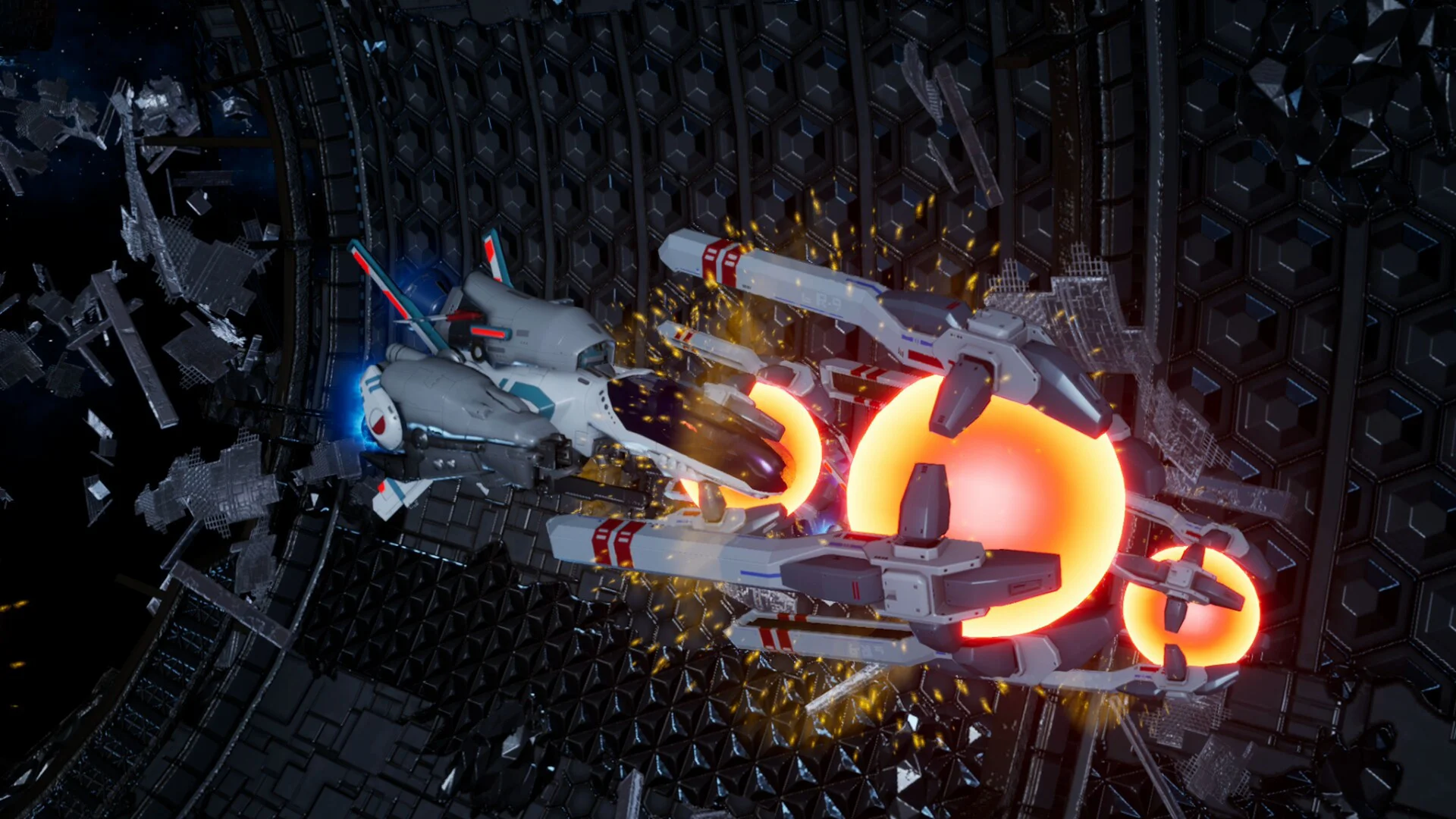
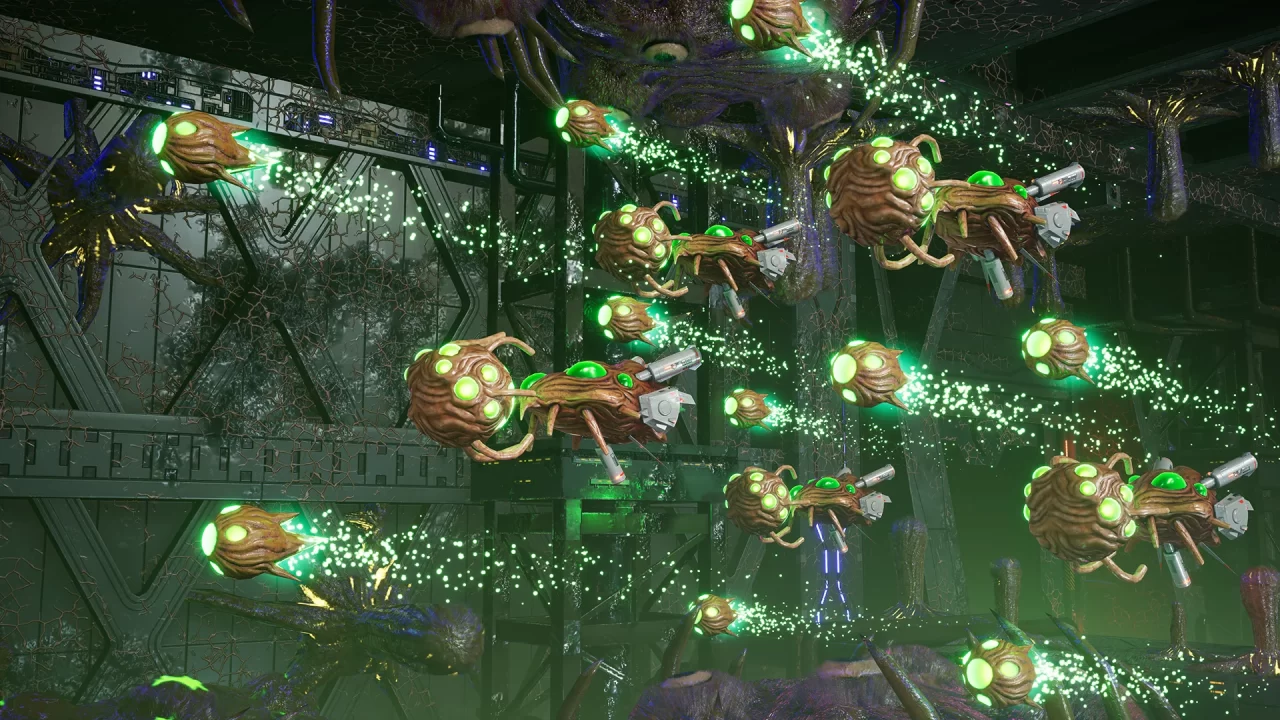
Granzella has done a commendable job in modernizing the aesthetic. The unit models—from the brooding, mechanical Striders to the grotesque, pulsing Bydo platforms—retain their classic designs while benefiting from a fresh coat of paint. The 3D combat vignettes, which play out when units engage, are particularly impressive. While players might skip these animations after the hundredth encounter, they add a layer of cinematic gravitas to what could otherwise be a dry, menu-driven affair.
The sound design is equally immersive. A driving, tense soundtrack punctuates the high-stakes nature of the conflict, and the voice acting—while sparse—adds a much-needed human element to the cold vacuum of space. The environmental effects, including floating Bydo structures and dimension-warping backgrounds, turn each battlefield into a haunting, beautiful display of science-fiction horror.
The Stumbling Blocks: Onboarding and UI Hurdles
Despite the impressive technical work, R-Type Tactics I & II Cosmos is not without its flaws. The most glaring issue is the lack of a proper, interactive tutorial. For a game with such deep, complex systems, the decision to rely on text-heavy lore dumps for onboarding feels like a relic of 2007 design.
New players are often left to learn critical mechanics—such as the exact impact of unit statistics or the intricacies of combat keywords—through brutal trial and error. In an era where modern strategy games like Fire Emblem or XCOM provide clear, intuitive feedback, the "figure it out yourself" philosophy of Cosmos can feel needlessly punishing.
The user interface also shows its age. Managing a large fleet across a vast map is a chore. Even with the option to speed up animations, the process of clicking through dozens of units to issue commands feels clunky and slow. The game requires a level of patience that, while perhaps intentional, often crosses the line into tedium.
The Implications of "Old-School" Design
The grind is another controversial aspect of the Cosmos experience. The game is designed around a "fail-forward" loop: when a mission is lost, players retain the resources they mined during the encounter, which can then be used to upgrade their fleet. While this provides a sense of incremental progress, it also forces players into repetitive grinding cycles.
When combined with the lack of clear direction in the tech trees, this design can lead to "dead-end" progression. It is remarkably easy for a player to invest precious, hard-earned materials into a ship design that turns out to be ineffective for later-game challenges. This requires the player to possess a deep knowledge of the game’s meta-strategy, effectively gatekeeping the later stages of the campaign behind hours of experimentation.
Final Reflections: A Labor of Love for the Devoted
R-Type Tactics I & II Cosmos is a project born of deep respect for the franchise. It is a massive, sprawling collection that offers dozens of hours of gameplay, branching narrative paths in the sequel, and a level of tactical depth that few other titles can match. For those who grew up with the series and understand the difference between an Arrowhead and a Cerberus, this is a dream come true.
However, for the average strategy fan, the game is a significant commitment. It requires a high tolerance for antiquated UI, a steep learning curve, and a willingness to overlook a narrative that, while improved in the sequel, still lacks the polish and character-driven stakes found in modern genre titans.
Ultimately, Granzella has succeeded in preserving a piece of gaming history. They have taken a pair of cult classics and ensured they survive in the modern era. Whether or not you enjoy the experience depends on your appetite for challenge. The Bydo Empire is waiting, the fuel is low, and the grid is set. If you are prepared to fail, learn, and adapt in the cold, unforgiving reaches of space, R-Type Tactics I & II Cosmos offers a rewarding, albeit exhausting, test of your strategic mettle. The fate of the human fleet is in your hands—just make sure you’re facing the right direction before you pull the trigger.


 Asro
Asro
 Muslim