Laily UPN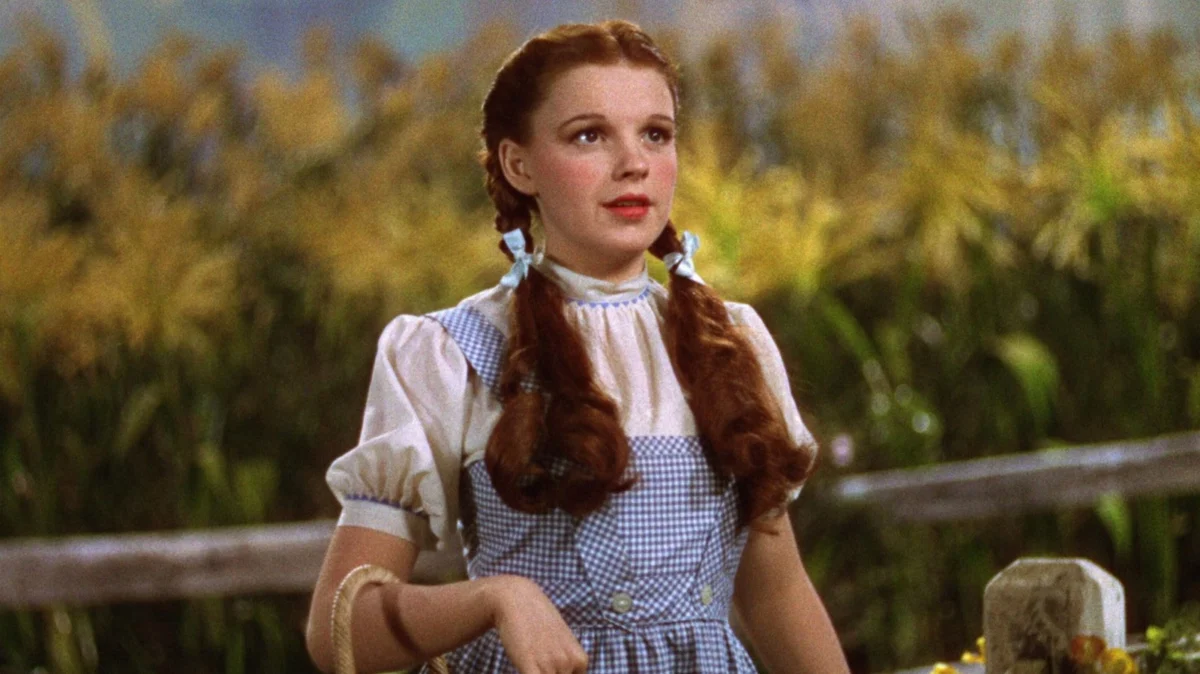
For nearly a century, the cinematic landscape has been dominated by the shimmering Technicolor of the Land of Oz. Since its release in 1939, Metro-Goldwyn-Mayer’s The Wizard of Oz has transitioned from a high-stakes studio gamble into an indelible pillar of global pop culture. Yet, beneath the veneer of its musical numbers and iconic ruby slippers lies a profound divergence from the source material—a creative pivot that fundamentally reshaped the narrative integrity of L. Frank Baum’s original vision. By transforming a literal, tangible fantasy world into a mere psychological hallucination, MGM executives unknowingly altered the trajectory of one of literature’s most expansive mythologies.
The Weight of Expectation: MGM’s Crisis of Confidence
In the late 1930s, the cinematic adaptation of The Wonderful Wizard of Oz was far from the guaranteed success history now paints it as. L. Frank Baum’s 1900 novel was a beloved staple of American children’s literature, but the studio was paralyzed by the challenge of translating high fantasy to live-action film. At the time, live-action fantasy was a perilous genre; audiences were accustomed to grounded, realistic dramas or comedies, and the studio brass harbored a deep-seated anxiety that viewers would reject a world where inanimate objects came to life and witches commanded gravity.
The primary point of reference—and, consequently, the primary source of anxiety—was Walt Disney’s Snow White and the Seven Dwarfs (1937). The massive success of that animated feature had set a high bar for the "fairy tale" genre. MGM executives were left to ponder a critical question: Could a live-action film featuring flesh-and-blood actors achieve the same suspension of disbelief that audiences readily granted to animation? The fear was that the spectacle would be viewed as "kitsch" or simply too bizarre to be taken seriously.
The Dream Sequence: A Strategic Narrative Compromise
To mitigate the perceived risk of audience alienation, MGM implemented a radical narrative change that does not exist in Baum’s prose: the "it was all a dream" conceit.
In the novel, Oz is a physical location. Dorothy Gale is whisked away to a magical realm, navigates its perils, and eventually finds her way back to the Kansas prairie through the power of her enchanted footwear. The journey is an odyssey of growth and geography, not a fever dream triggered by a concussion.
By framing the film as a dream, MGM provided a "safety valve" for the audience. If the events of the movie seemed too outlandish, the studio could effectively point to the final act, where Dorothy wakes up in her bed surrounded by her family and farmhands, as an explanation for the madness. This decision was a masterclass in corporate risk management, designed to bridge the gap between the skeptical adult viewer and the whimsical nature of the story.
Chronology of the Divergence
To understand the gravity of this change, one must look at the timeline of the property’s development:
- 1900: L. Frank Baum publishes The Wonderful Wizard of Oz. In this version, Oz is a concrete reality that exists concurrently with the Kansas landscape.
- 1901–1919: Baum pens thirteen sequels, cementing Oz as a sprawling, complex universe with its own history, politics, and geography. Dorothy returns to Oz multiple times, establishing that the realm is a permanent fixture in her life.
- 1938–1939: MGM enters production on the film adaptation. Studio executives, fearing that audiences will find a "real" magical world too confusing, mandate the inclusion of the dream framework.
- 1939: The Wizard of Oz premieres. The "dream" ending is codified, introducing the concept of doppelgangers—where the farmhands in Kansas are mirrored by the characters in Oz.
- 1940s–Present: The film’s massive popularity ensures that the "dream" version of the story becomes the definitive version in the public consciousness, largely eclipsing the literary source material.
The Doppelganger Effect: Psychological Mapping
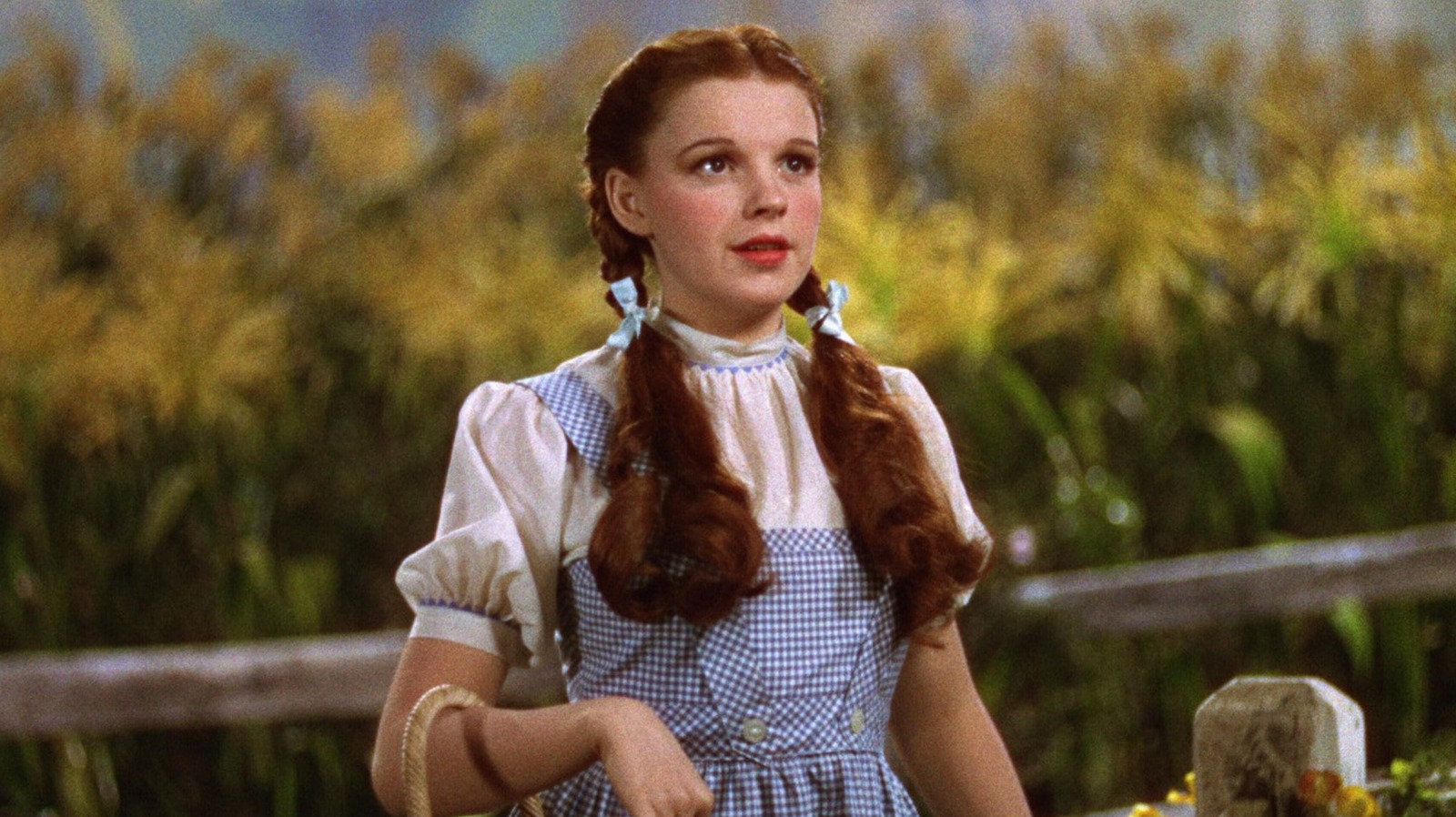
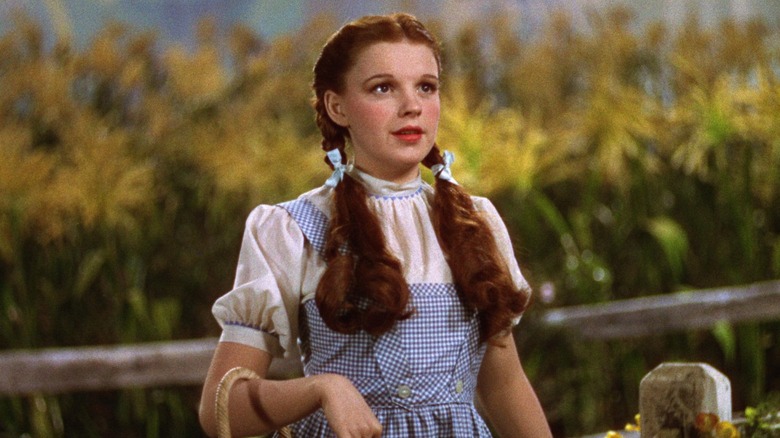
One of the most enduring elements of the 1939 film is the meta-narrative choice to have the actors playing the Kansas farmhands—Hunk, Hickory, and Zeke—also play the Scarecrow, the Tin Man, and the Cowardly Lion. Additionally, the imperious Miss Gulch is transformed into the Wicked Witch of the West.
This narrative device creates a psychological intimacy that is absent in the book. In the novel, Dorothy’s companions are unique entities with their own backstories, not projections of her subconscious. While the film’s choice is undeniably effective at creating emotional closure, it serves to solidify the "dream" trope. It suggests that Oz is not a place of exploration, but a psychological processing center where Dorothy works through her real-world anxieties. This transformation stripped the source material of its inherent sense of adventure and replaced it with a character study of a young girl dealing with domestic conflict.
Industry Implications: The "Strange Tale" Defense
The fear of "too much strangeness" was not unique to the Oz production. Hollywood in the 1930s was obsessed with framing devices that served as a buffer between the audience and the narrative.
A notable parallel is the 1931 film Frankenstein. The movie opens with a pre-title card warning from an actor addressing the audience directly, preparing them for a "strange tale." This was a defensive posture, an attempt by the studio to distance themselves from the potential "heresy" of the story they were presenting.
In the case of The Wizard of Oz, the dream sequence functioned similarly. By framing the adventure as a fantasy within a fantasy, MGM protected its investment from being dismissed as "childish nonsense." The implication is that if the audience found the talking lions and singing forests too much, they could dismiss it as the subconscious ramblings of a child. It was a cowardly but commercially astute move that preserved the studio’s reputation while simultaneously limiting the creative scope of the narrative.
The Long-Term Cost: The Death of a Franchise
Perhaps the most significant consequence of the dream-world decision was the impact on potential sequels. Baum wrote fourteen books, each expanding the lore of Oz. Because the film cemented the idea that Oz was merely a dream, the prospect of a direct sequel—one that would require the audience to "go back to the dream"—was logically incoherent for the studio.
While other films have attempted to return to Oz, they have struggled to find a consistent tone. The 1939 film effectively killed the chance for a cinematic universe that honored the literary canon. Judy Garland’s Dorothy would never return to the Emerald City because, within the internal logic of the movie, the Emerald City never actually existed. The studio’s reluctance to commit to the reality of the world meant that the intellectual property was left in a state of suspended animation, forever tethered to the original film’s closing scene.
Conclusion: A Legacy of Compromise
Reflecting on the 100-year history of The Wizard of Oz, one cannot help but admire the film’s craft while mourning the lost potential of the source material. MGM’s decision to ground the fantasy in a dream was an act of extreme caution that prioritized marketability over narrative fidelity.
However, it is impossible to argue that the decision was a failure. The "dream" ending provided the emotional resonance that allowed the film to transcend its era. It turned an adventure story into a universal parable about home, belonging, and the complexities of growing up.
In the end, The Wizard of Oz stands as a testament to the fact that sometimes, the most profound changes to a work of art—those that steer it away from its original intent—are the very things that secure its immortality. While literary purists may lament the loss of the "real" Oz, the cinematic world we inhabit is arguably better for the dream that MGM dared to build.

 Jia Lissa
 Iffa Jayyana