Evan Lee Salim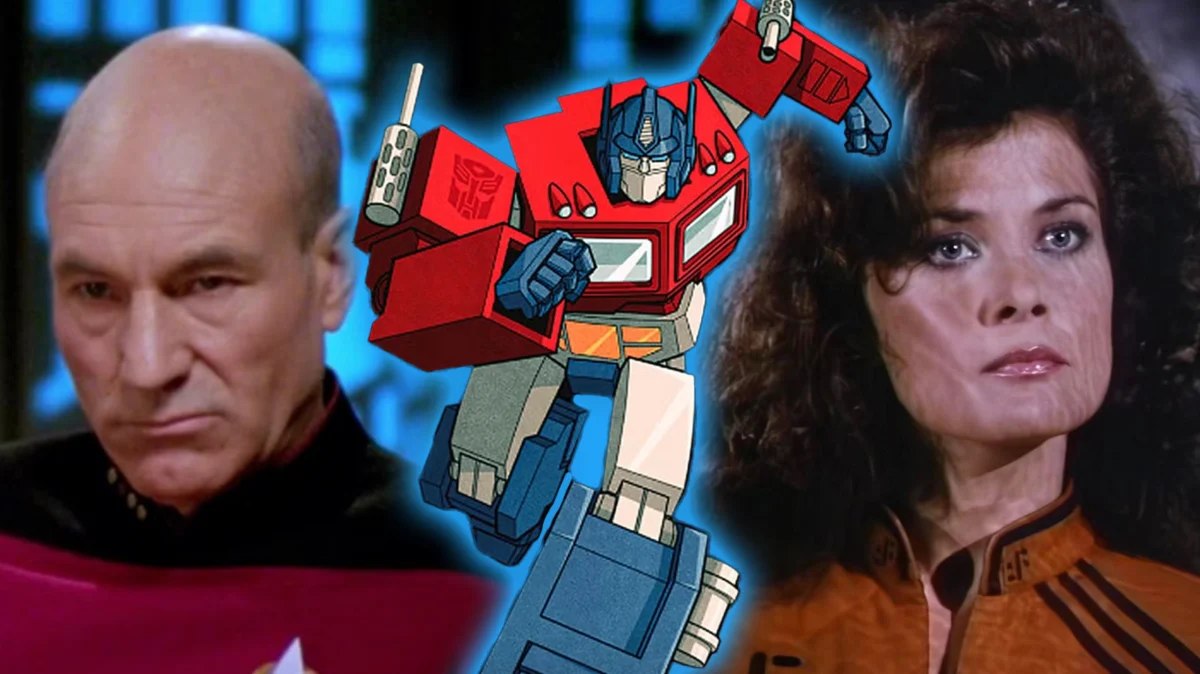
The 1980s represent a seismic shift in the cultural landscape of television. Following the cinematic revolution sparked by the "Star Wars" trilogy and the successful reinvention of the "Star Trek" film franchise, the small screen underwent its own metamorphosis. During this decade, science fiction evolved from niche, low-budget curiosities into a sophisticated, high-concept cornerstone of mainstream entertainment. As technology improved and storytelling ambitions expanded, the genre became a playground for creators to explore human nature, morality, and the encroaching influence of the digital age.
From the high-octane space operas of Japanese animation to the quirky, human-centric sitcoms of American networks, the "sci-fi boom" of the 80s laid the groundwork for the modern era of television.
The Evolution of the Genre: A Chronological Overview
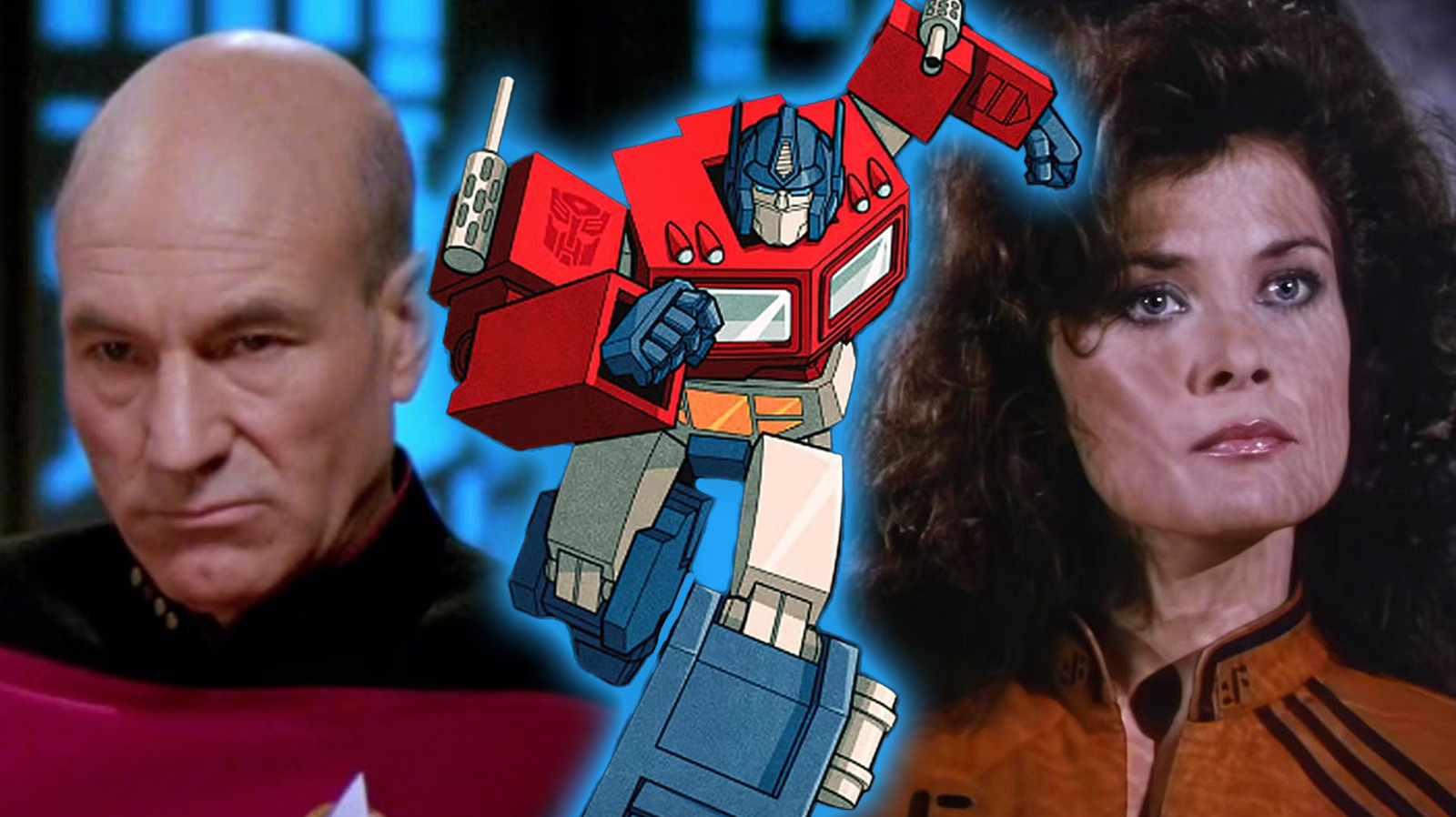
The decade began with a heavy reliance on the tokusatsu tradition and Saturday morning animation, which saw iconic franchises like "Voltron" (1984) and "The Transformers" (1984) turn into global phenomena. These shows did more than just sell toys; they created complex, multi-generational mythologies that continue to be rebooted and reimagined today.
As the mid-80s approached, the genre took a turn toward the cynical and the subversive. "V" (1983) brought an allegorical, high-stakes miniseries format to the forefront, tackling themes of fascism and collaboration. By the late 80s, the genre had fully matured. With the 1987 debut of "Star Trek: The Next Generation," television proved that episodic science fiction could handle profound philosophical questions, setting a new "gold standard" for the medium. By 1989, the arrival of "Quantum Leap" signaled that sci-fi could be deeply emotional, character-driven, and intellectually challenging, bridging the gap between the pulpy serials of the past and the prestige dramas of the future.
The 10 Best Sci-Fi Shows of the 1980s: A Ranked Analysis
10. The Transformers (1984)
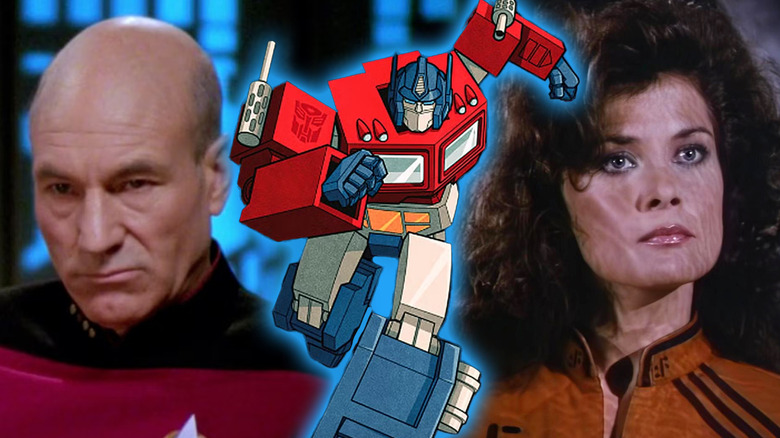
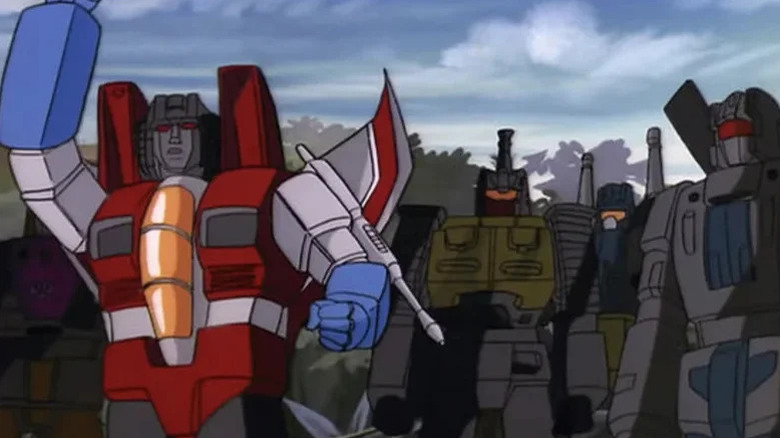
"The Transformers" was more than an animated series; it was a multimedia juggernaut. By establishing the "Generation I" lore, the series introduced the eternal struggle between the heroic Autobots and the malevolent Decepticons. With legendary voice performances by Peter Cullen and Frank Welker, the show anchored its spectacle in clear, archetypal storytelling. Its legacy persists not just in its massive film franchise, but in the enduring emotional connection fans hold for characters like Optimus Prime and Starscream.
9. ALF (1986)
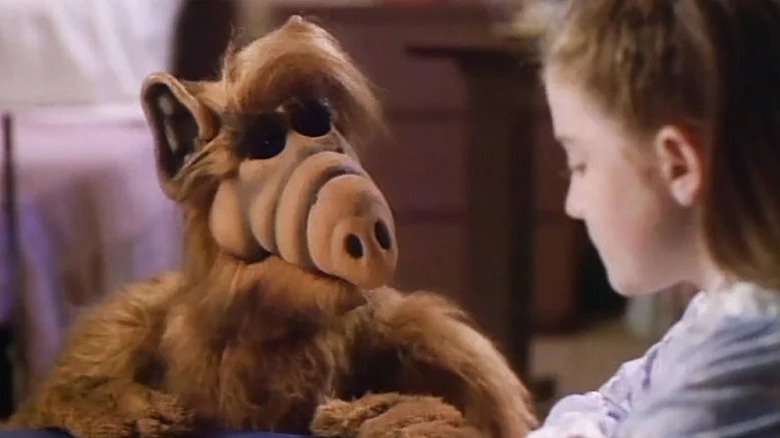
"ALF" stands as a testament to the 80s penchant for high-concept sitcoms. By dropping a wise-cracking, furry extraterrestrial into a suburban California household, the show subverted the traditional family comedy. While the humor was often goofy, the show’s willingness to treat its alien protagonist as a genuine member of the family—and the technical achievement of the puppetry—earned it a place in the pop culture pantheon.
8. Voltron (1984)
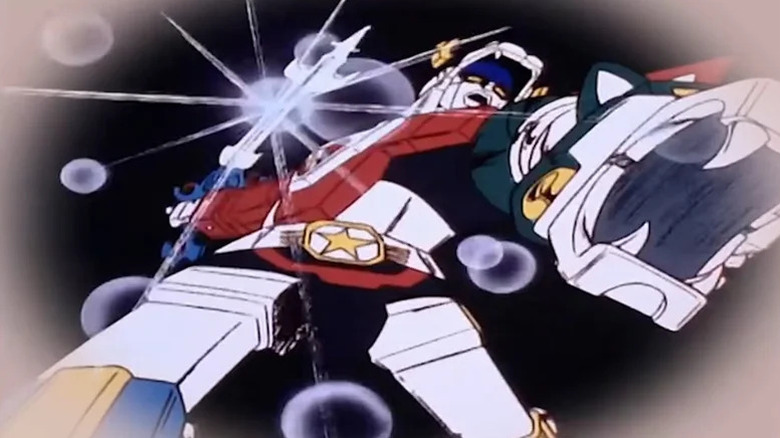
The success of "Voltron" proved the viability of the "super robot" genre in the West. By taking the Japanese anime "Beast King Go-Lion" and retooling it for American audiences, producers tapped into a demand for larger-than-life heroics. The image of five robotic lions combining into a giant defender remains one of the most iconic visual shorthands in science fiction history, influencing everything from "Power Rangers" to modern mecha anime.
7. Mork & Mindy (1978–1982)
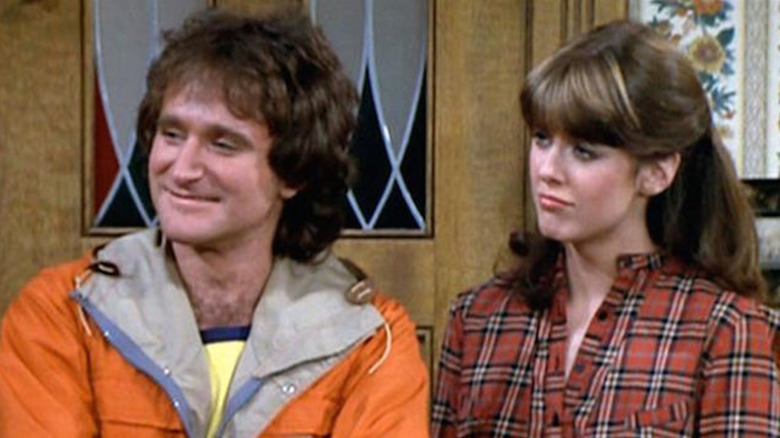
While technically bridging the gap from the late 70s, the show’s cultural peak occurred in the early 80s. Robin Williams’ turn as the alien Mork is widely considered one of the greatest comedic performances in television history. By using the alien "fish out of water" trope to examine the absurdities of human social customs, the show provided a comedic critique of American life that was as poignant as it was hilarious.
6. Knight Rider (1982)
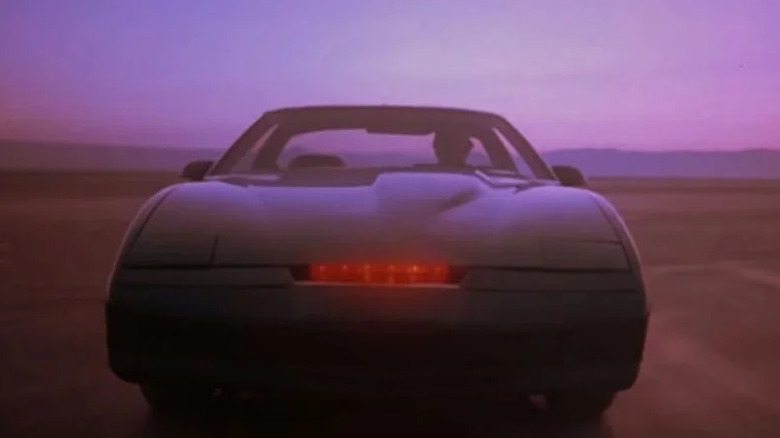
"Knight Rider" captured the aesthetic of the decade: sleek, neon-lit, and obsessed with technology. The partnership between David Hasselhoff’s Michael Knight and the artificially intelligent Pontiac Firebird, KITT, defined the "techno-thriller" procedural. The show successfully blended the James Bond-esque gadgetry with a sense of moral crusade, making it one of the most stylish and rewatchable programs of the era.
5. Mobile Suit Zeta Gundam (1985)
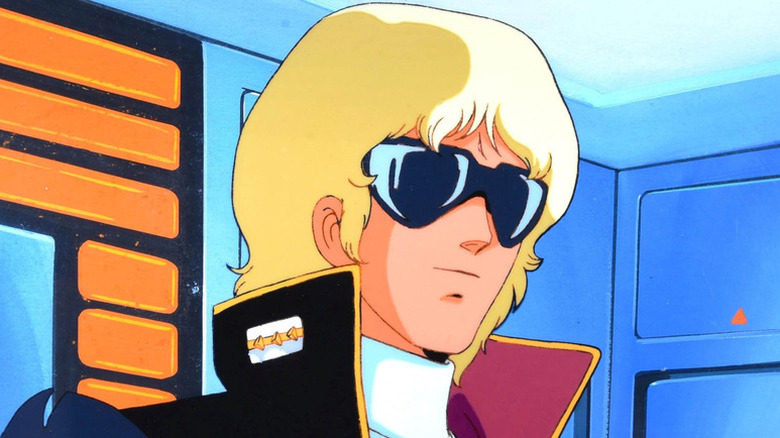
For viewers seeking narrative depth, "Zeta Gundam" remains the pinnacle of the Gundam franchise. Moving away from simple hero-versus-villain dynamics, it explored the brutal, anti-war realities of space colonization. The series deepened the character arcs of Amuro Ray and Char Aznable, proving that television animation could carry the weight of an operatic, multi-layered political tragedy.
4. Quantum Leap (1989)
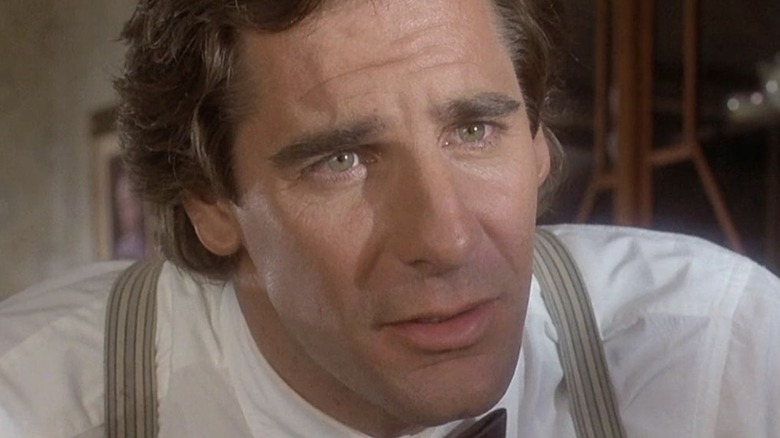
Premiering at the tail end of the decade, "Quantum Leap" brought a fresh, episodic structure to science fiction. By placing Scott Bakula’s Dr. Sam Beckett in a new life every week, the series explored different eras of American history while maintaining an overarching emotional core. Its success proved that viewers were ready for sci-fi that prioritized character development and historical exploration over mere laser-blast action.
3. Red Dwarf (1988)
"Red Dwarf" is the definitive cult classic of British science fiction. By focusing on the last human in the universe and his mismatched crew of a holographic hologram, a creature evolved from a housecat, and a senile service droid, the show offered a comedic look at the isolation of deep space. Its longevity—running intermittently for over three decades—is a testament to the strength of its writing and the chemistry of its cast.
2. V (1983)
The original "V" miniseries was a masterclass in tension. By using an alien invasion as a thinly veiled metaphor for the rise of Nazi Germany and the nature of human resistance, creator Kenneth Johnson delivered a chilling, sophisticated experience. It remains a cautionary tale about how easily democratic societies can be manipulated, and its practical effects and haunting imagery set a bar for TV miniseries that few have matched since.
1. Star Trek: The Next Generation (1987)
Ranking first is "Star Trek: The Next Generation." Despite industry skeptics who thought the franchise was finished, the show proved that television science fiction could be intelligent, moral, and grand in scale. Through the leadership of Captain Jean-Luc Picard, the series tackled complex ethical dilemmas while expanding the lore with the Borg and the enigmatic Q. It saved a dying franchise and paved the way for every space-based drama that followed.
Supporting Data and Industry Impact
The success of these programs was not accidental; it was a reaction to changing production technologies. The 1980s saw the democratization of special effects. As costs decreased for matte paintings, blue-screen technology, and complex puppetry, creators were able to achieve "big-screen" aesthetics on a weekly budget.
According to archival Nielsen data from the era, genre shows began to command higher advertising rates as networks realized the "loyalty factor" of sci-fi viewers. This loyalty encouraged the shift toward long-form, serialized storytelling—a format that would eventually define the "Golden Age of Television" in the 2000s. The transition from the "monster-of-the-week" format to deep, season-long story arcs is directly attributable to the risks taken by producers of shows like "V" and "The Next Generation."
Official Perspectives and Legacy
In interviews reflecting on the period, many creators have noted that the 80s provided a unique "freedom of experimentation." Producers were allowed to pitch concepts that would be considered "too risky" by today’s data-driven network standards.
The legacy of these shows is profound. We see the direct descendants of "Knight Rider" and "Transformers" in the high-budget live-action adaptations of today. We see the DNA of "Red Dwarf" in modern space-comedies, and the philosophical inquiries of "Star Trek: The Next Generation" in contemporary dramas that use the stars to examine the human condition.
Implications for Modern Television
The 1980s proved that science fiction is the most flexible genre in television history. It can be a vehicle for comedy ("ALF"), a platform for political critique ("V"), a space for action-adventure ("Voltron"), or a canvas for philosophical exploration ("TNG").
For current showrunners, the lesson of the 80s remains clear: audiences do not watch science fiction merely for the "science" or the "fiction"—they watch it for the humanity reflected in the stars. As we continue to see remakes and reboots of these classic properties, it is clear that the foundation built during this decade remains as solid as the day it was poured. The 80s did not just give us great shows; they gave us a blueprint for how to dream bigger, bolder, and more thoughtfully on the screen.


 Rifan Muazin
 Ali Ikhwan