Jia Lissa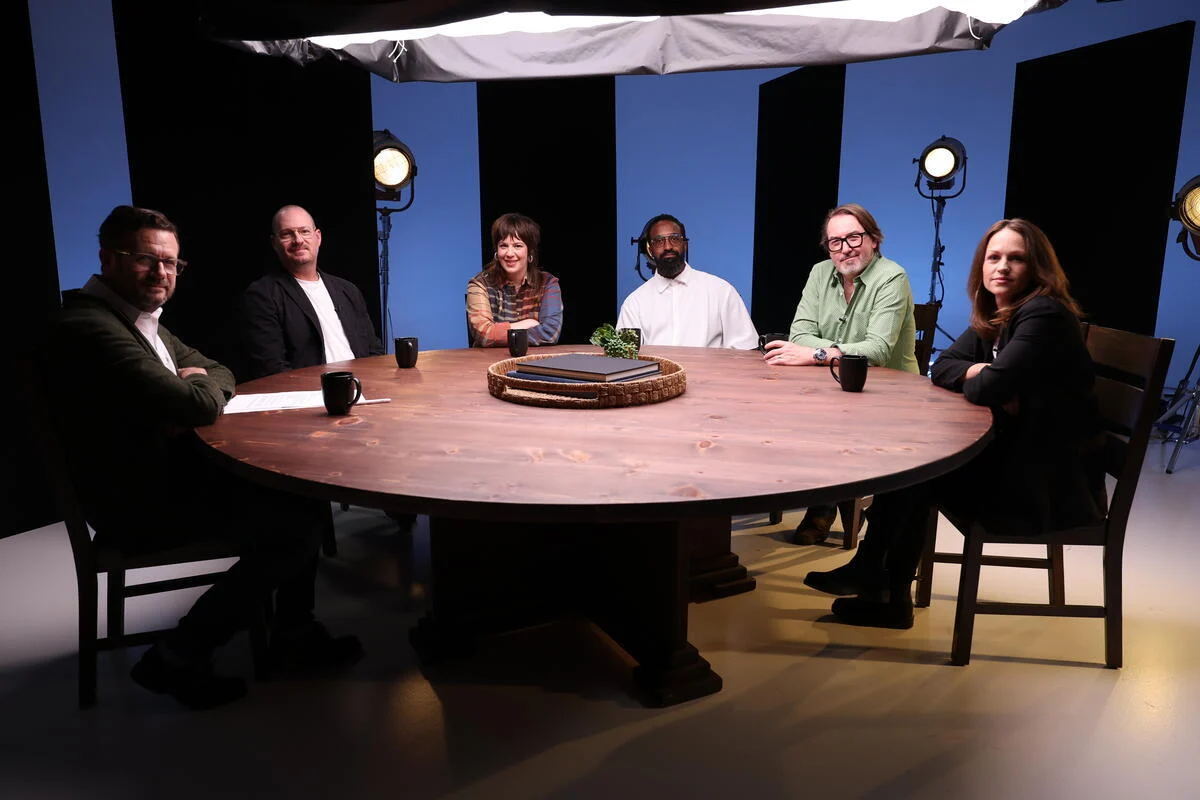
Television is fundamentally a visual medium, a canvas upon which the most ambitious stories of our time are painted. While scripts provide the blueprint and actors offer the soul, it is the cinematographer—the director of photography—who serves as the audience’s surrogate, curating the visual language that dictates how we perceive, feel, and remember a series.
To honor the masters behind these frames, IndieWire’s 2026 Craft Roundtables officially commenced with an expansive, illuminating panel dedicated to the cinematographers who have defined the look of this season’s most acclaimed television. The assembly featured a diverse group of industry leaders representing a wide spectrum of genres, from intimate comedies to sprawling, VFX-heavy sci-fi epics.
The Architects of Vision: Introducing the Panelists
The roundtable brought together a powerhouse collective of visual storytellers, each bringing a unique philosophy to the craft. The participating cinematographers included:
- Jason McCormick (Love Story), known for his ability to translate complex emotional beats into evocative imagery.
- Ashley Connor (The Chair Company), recognized for her distinct, tactile approach to modern drama.
- Greta Zozula (The Testaments), who has mastered the art of building atmospheric tension through light and shadow.
- Tommy Maddox-Upshaw (Star Trek: Starfleet Academy), a visionary in blending practical world-building with cutting-edge visual effects.
- John Brawley (Shrinking), celebrated for his agility and his knack for capturing the spontaneity of comedic performance.
As these artists gathered, the air was thick with the shared understanding that their work is not merely about lighting a set—it is about sculpting the emotional reality of the characters within it.
Setting the Stage: The Philosophy of the Craft
IndieWire’s Jim Hemphill opened the session by framing the importance of the cinematographer’s role in the current television landscape. "This is the Craft Roundtable for cinematography, the craft that defines the look and visual language of television," Hemphill noted. "Through light, composition, and movement, our guests create the images that shape how we experience every scene. They are the silent narrators of the medium."
The opening segment of the discussion focused on the evolution of the DP’s role. Historically, cinematographers were viewed as technicians who executed the vision of the director. Today, they are recognized as creative partners who play a critical role in the pre-production phase, helping to establish the aesthetic tone long before the cameras roll.
Chronology of the Craft: From Pre-Production to Final Polish
A significant portion of the roundtable was dedicated to the workflow of a modern cinematographer. The panel broke down the chronological journey of a series, highlighting how the "look" of a show is not a static choice but a living, breathing entity.

Phase 1: Conceptualization and Narrative Alignment
The panelists agreed that the most crucial work happens before the first frame is captured. For shows like The Testaments, Greta Zozula discussed the necessity of deep collaboration with the showrunners to ensure the lighting scheme matched the thematic weight of the narrative. The color palettes, the contrast ratios, and the depth of field are all deliberate decisions designed to guide the audience’s subconscious.
Phase 2: The Practicality of Production
The conversation shifted to the technical realities of the set. John Brawley highlighted the unique challenges of Shrinking, which relies heavily on improv and character-driven spontaneity. For Brawley, the cinematography must be "invisible" enough to allow the actors to inhabit their space without feeling restricted by lights or camera tracks. Conversely, Tommy Maddox-Upshaw described the rigorous, highly technical environment of Star Trek: Starfleet Academy, where every camera move must be pre-planned to integrate seamlessly with digital environments and complex visual effects.
Phase 3: The Post-Production Dialogue
The discussion underscored that the job does not end when the cameras stop rolling. The final look—the "grade"—is a collaborative effort between the cinematographer and the colorist. The panelists discussed how modern software and DI (Digital Intermediate) suites have expanded their toolbox, allowing them to refine the mood of a scene with surgical precision in the final stages of post-production.
Supporting Data: Navigating Technical Complexity
The panel delved into the minutiae of the craft, exploring the balance between artistic choice and technical constraints. Topics included:
- Aspect Ratios: How the choice between 16:9, anamorphic wide, or 4:3 formats shifts the intimacy of the storytelling.
- Sensor Technology: The move toward larger format sensors and what that means for depth-of-field control and low-light performance.
- The VFX Integration: For shows like Starfleet Academy, the panelists emphasized the necessity of understanding virtual production and LED volume technology, which have fundamentally altered how lighting is approached on set.
Official Responses: The Collaborative Spirit
Throughout the roundtable, a recurring theme was the necessity of collaboration. No cinematographer works in a vacuum. Ashley Connor, speaking on her work for The Chair Company, emphasized the importance of the relationship between the camera department and the production design team. "If the walls are a certain texture or color, that dictates how my light hits them," she noted. "We are all building the same house."
This sentiment was echoed by Jason McCormick, who pointed out that the cinematographer’s primary responsibility is to the performance. "If the light looks beautiful but it pulls the audience out of the moment of the actor’s vulnerability, then I’ve failed," he stated. This "character-first" approach remains the gold standard for the industry’s most respected professionals.
The Implications for the Future of Television
The 2026 Craft Roundtable left little doubt that the role of the cinematographer is becoming increasingly multifaceted. As television production budgets continue to rival those of feature films, the expectations for visual fidelity have skyrocketed.

The Democratization of Technology
The discussion also touched upon the democratization of high-end camera equipment. As tools become more accessible, the panelists noted that the "look" of a show is less about the camera brand and more about the eye of the person behind it. The implication for the next generation of DPs is clear: technical knowledge is a baseline requirement, but artistic intent is the differentiator.
The Rise of Hybrid Storytelling
The success of shows like Star Trek: Starfleet Academy signals a shift toward a future where practical cinematography and virtual production coexist. The cinematographers of the future must be as comfortable with Unreal Engine software as they are with traditional gels and diffusion filters.
Conclusion: The Storytellers Behind the Lens
As the session concluded, the consensus among the panelists was one of profound passion for their craft. Whether they are capturing the quiet, observational humor of a sitcom or the high-stakes drama of a sci-fi franchise, their goal remains the same: to tell a story that resonates.
"We are storytellers," summarized one panelist. "The camera is just our pen."
IndieWire’s 2026 Craft Roundtables serve as a vital reminder that while the industry is often dominated by talk of ratings and streaming algorithms, the heart of television remains in the hands of the artists who capture the light. Their work is the bedrock upon which our modern cultural experiences are built.
For those who wish to experience the full, nuanced conversation, the complete panel is available to watch in the video accompanying this article. Additionally, all episodes of the IndieWire Craft Roundtables are available to stream via the PBS App. For further coverage on the technical and artistic insights from this year’s sessions, visit the official IndieWire Craft Roundtables hub.

 Nana Wu