

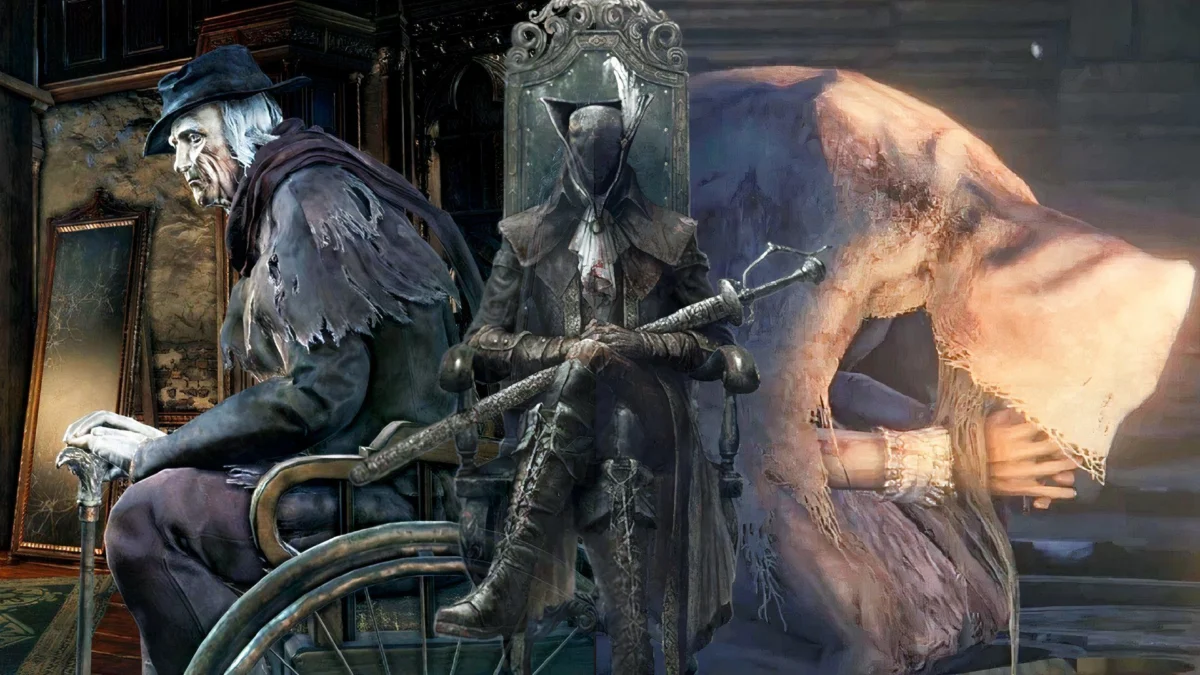
The landscape of video game adaptations has undergone a radical transformation in the last few years, moving from the "curse" of subpar cinematic outings to a golden age of critical and commercial success. Now, as the gaming industry looks toward the next major crossover, the spotlight has turned to FromSoftware’s magnum opus, Bloodborne. It has been confirmed that content creator and entrepreneur Seán "JackSepticEye" McLoughlin is spearheading a collaboration with Sony to bring the nightmarish, gothic streets of Yharnam to life in an R-rated animated feature film.
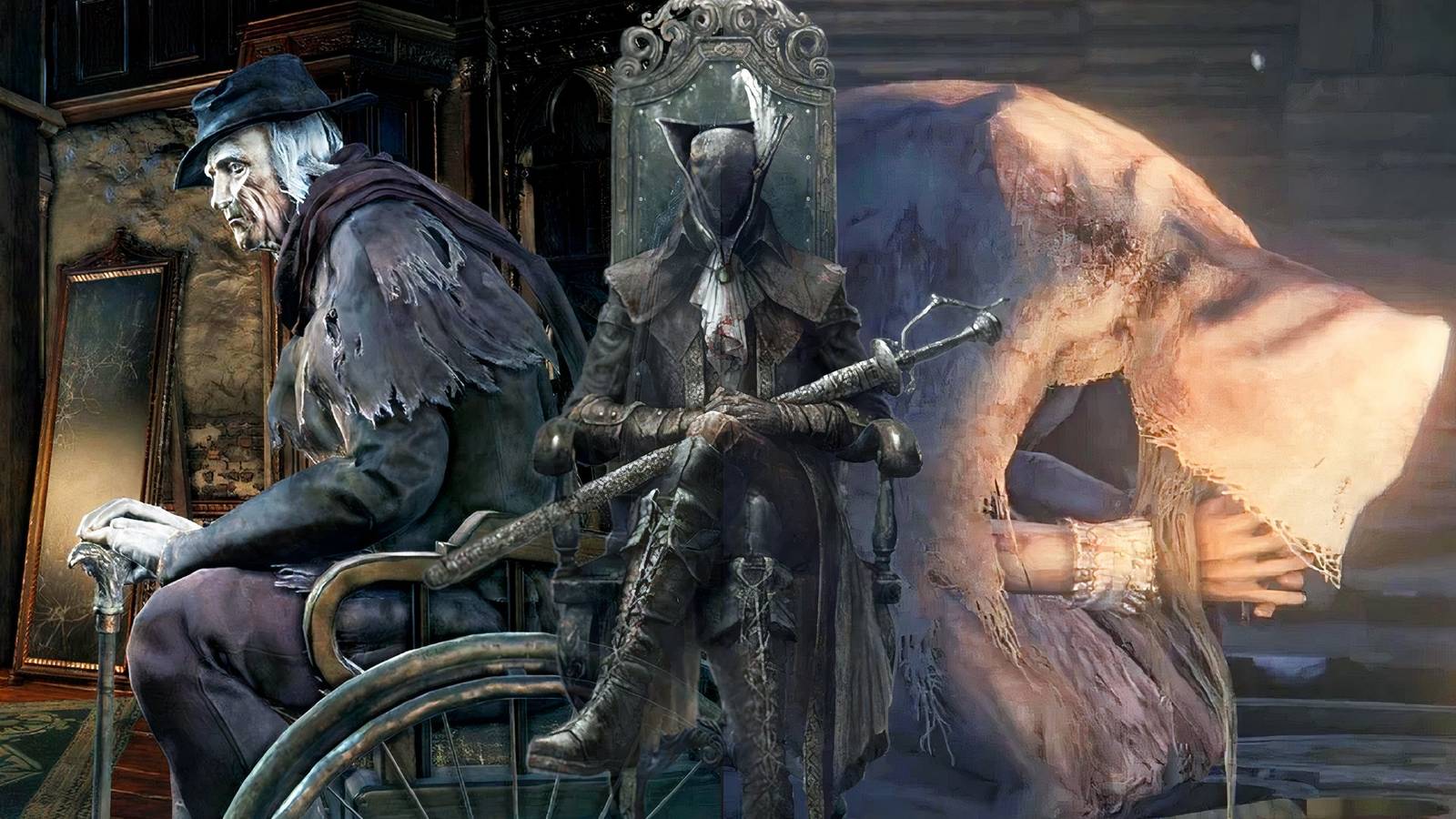
For many, Bloodborne remains the definitive "Soulsborne" experience. Its aggressive combat, H.P. Lovecraft-inspired cosmic horror, and intricate, cryptic storytelling have sustained a massive, devoted community for over a decade. As production gears up for this ambitious project, fans and industry analysts alike are questioning how such a dense, player-driven narrative can be translated into a linear medium.

The Foundation: A History of Yharnam
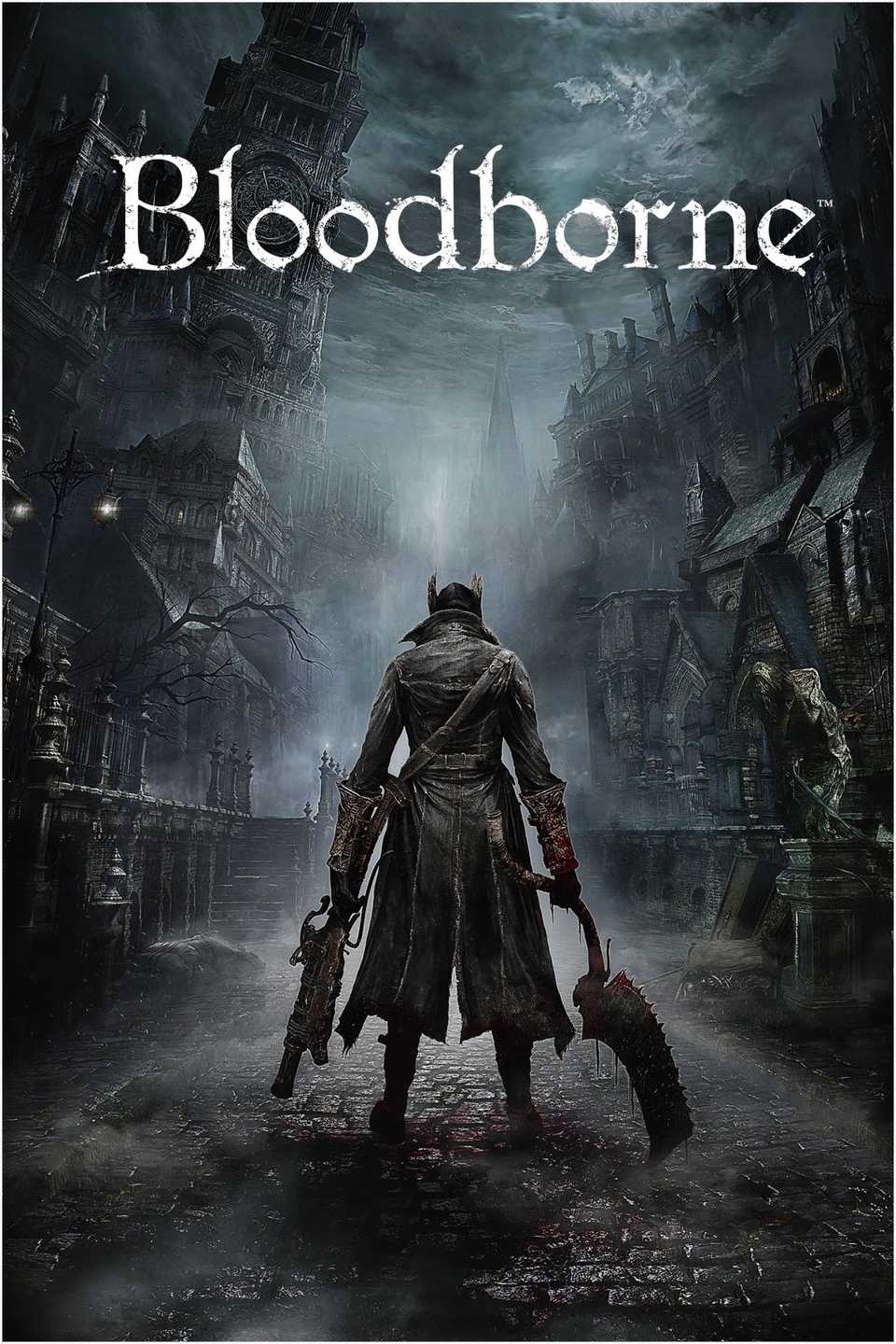
To understand the weight of this adaptation, one must look at the source material. Released in 2015, Bloodborne was a defining title for the PlayStation 4. Developed by FromSoftware under the direction of Hidetaka Miyazaki, the game introduced players to the city of Yharnam, a crumbling metropolis where the lines between humanity and beastly horror are blurred by the use of "Old Blood."
The game’s narrative is famously sparse, delivered through item descriptions, environmental storytelling, and opaque dialogue. This ambiguity is precisely what makes the upcoming film such a challenge. Unlike traditional narratives, the story of Bloodborne is one that players piece together themselves. The adaptation will have to choose a specific path through this web of lore, or risk alienating the very fanbase that made the game an icon.
Chronological Significance: What to Expect
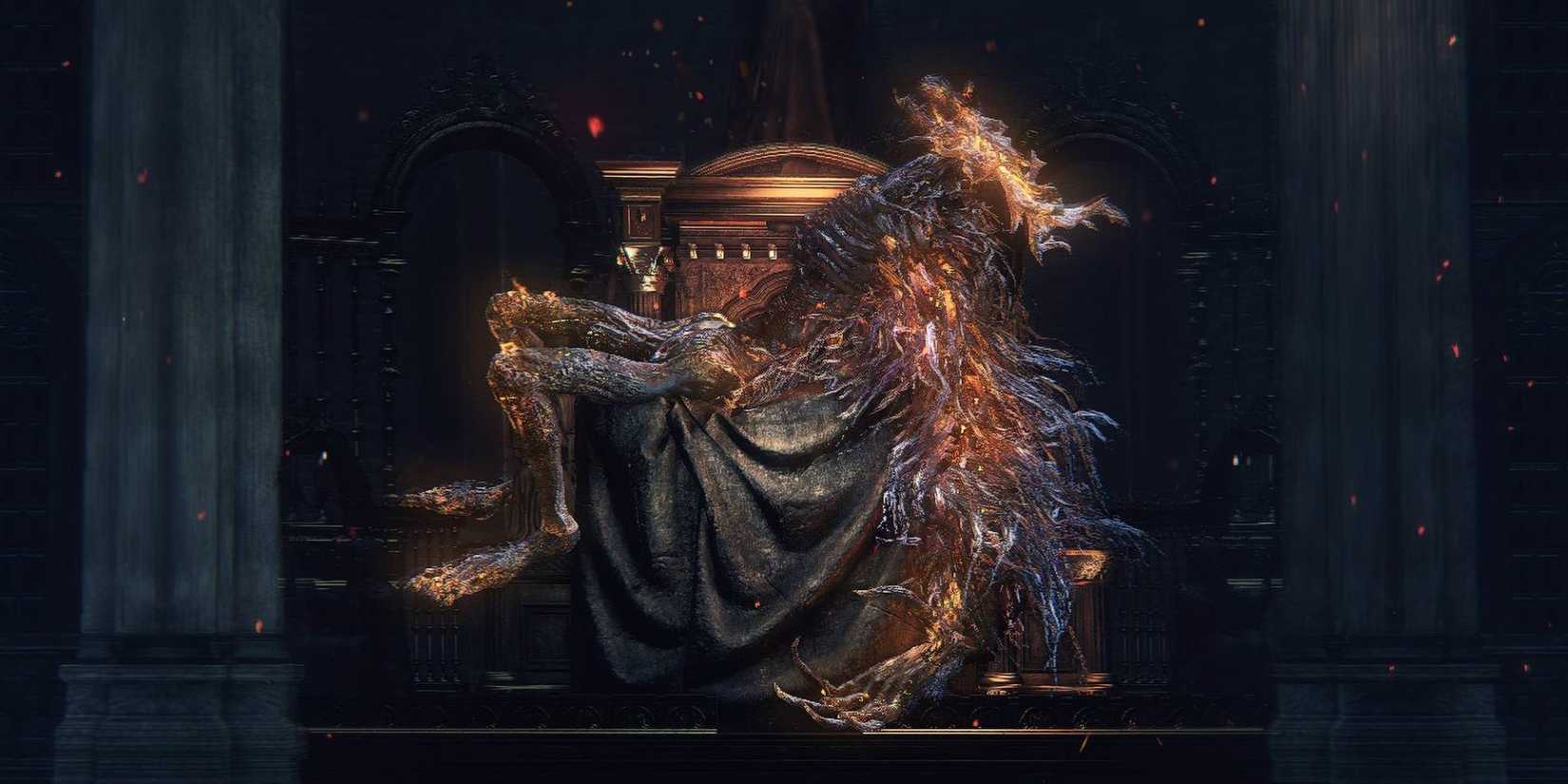
While the plot details remain under wraps, the lore of Bloodborne offers a treasure trove of potential narrative arcs. If the film aims for chronological coherence, it must address the pivotal events that shaped Yharnam.
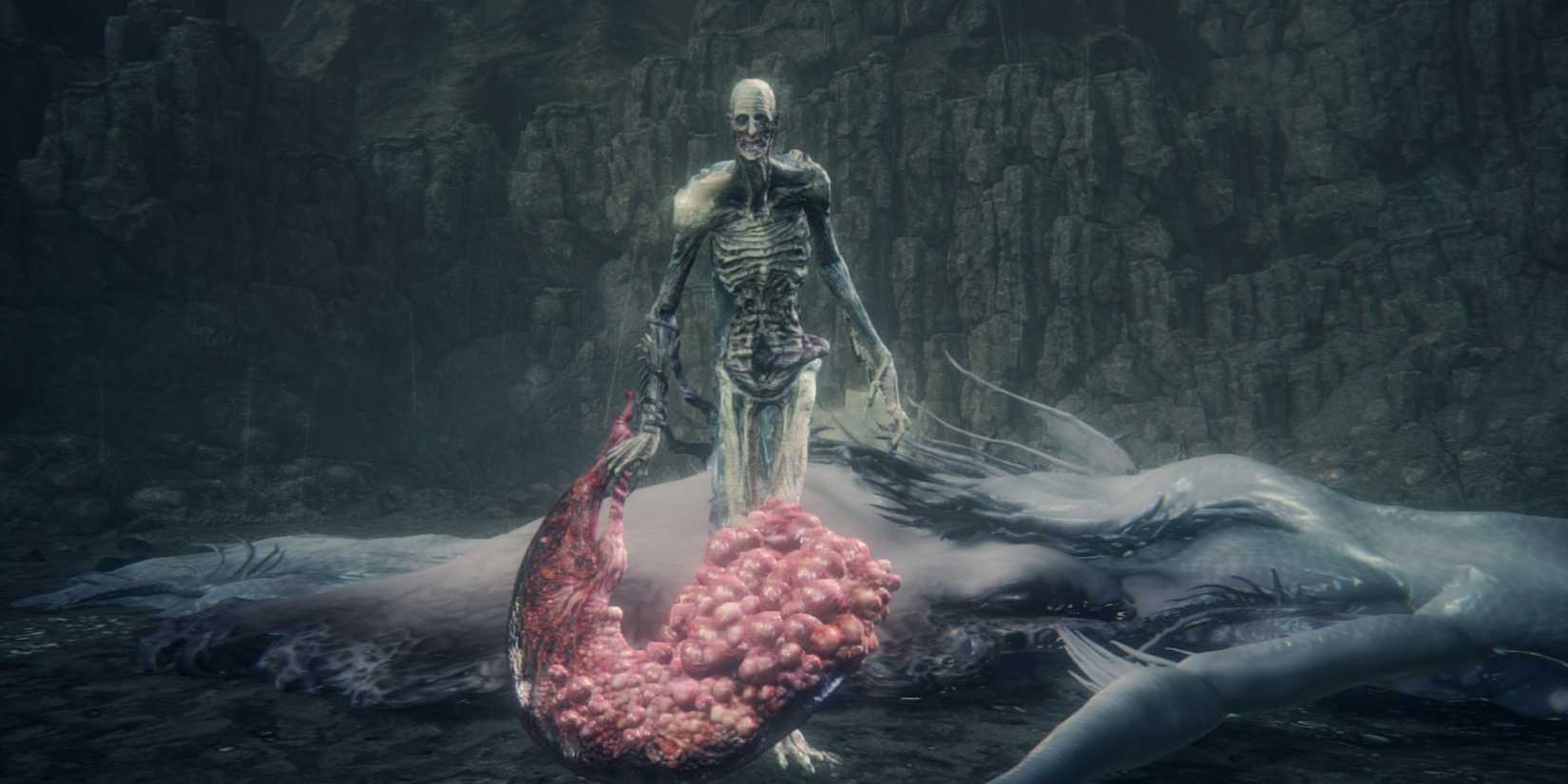
The Tragedy of Laurence and the Healing Church
Laurence, the First Vicar, is arguably the architect of Yharnam’s downfall. Driven by the belief that the Old Blood discovered in the Pthumerian Labyrinths could transcend humanity, he defied the warnings of his mentor, Master Willem. By establishing the Healing Church, Laurence effectively unleashed the beast scourge upon the populace. His transformation into the First Vicar serves as a chilling origin story that any faithful adaptation would be remiss to ignore.
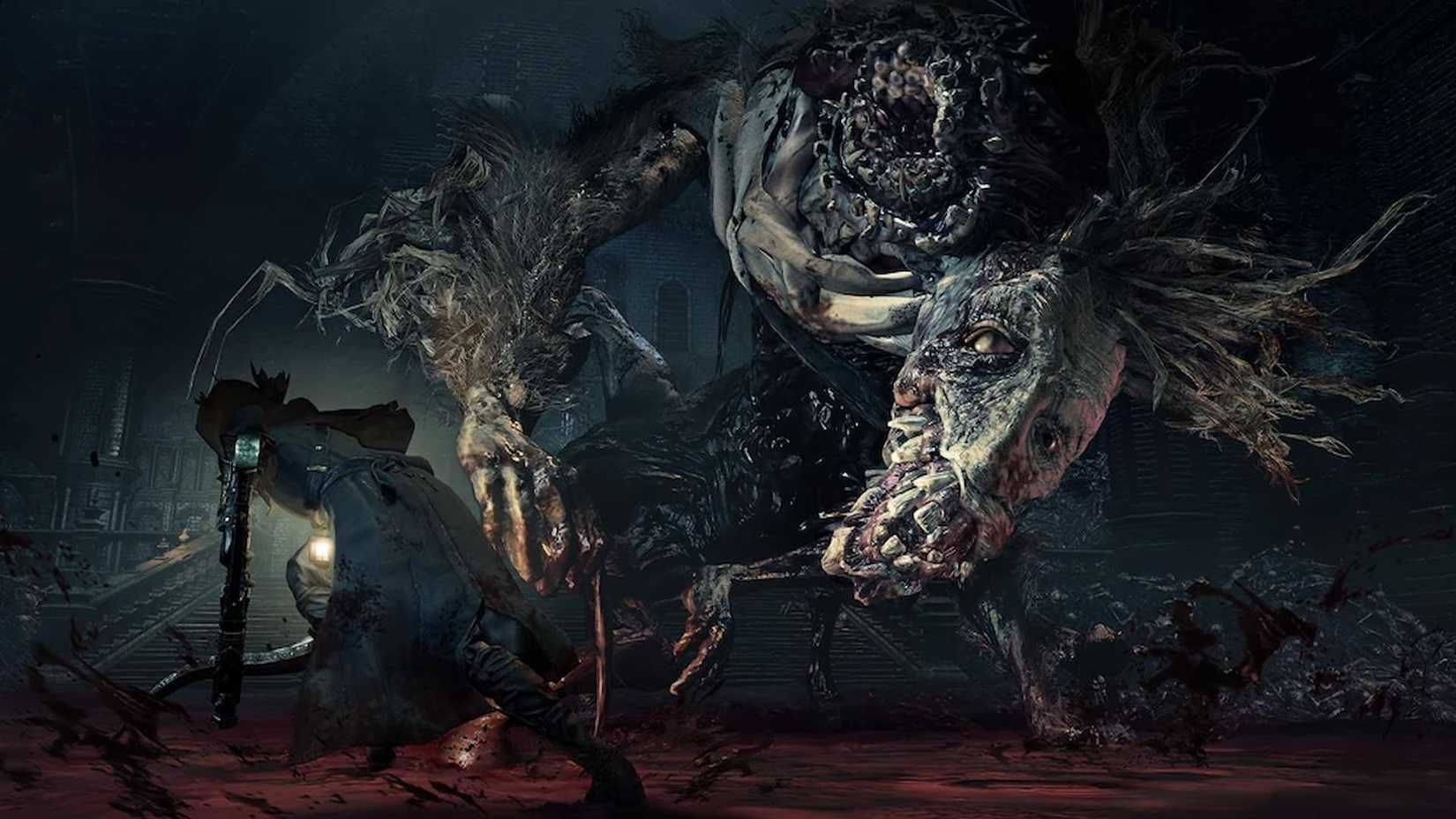
The Shadow of the Fishing Hamlet
The Fishing Hamlet incident remains the most significant moral stain on the history of the Hunters. When scholars from Byrgenwerth arrived at the hamlet, their pursuit of knowledge led to the brutal dissection of the Great One, Kos. This act of hubris is widely considered the catalyst for the "Hunter’s Curse," a cycle of endless bloodletting. Depicting this event on screen would provide the visceral, dark fantasy tone that the source material demands.
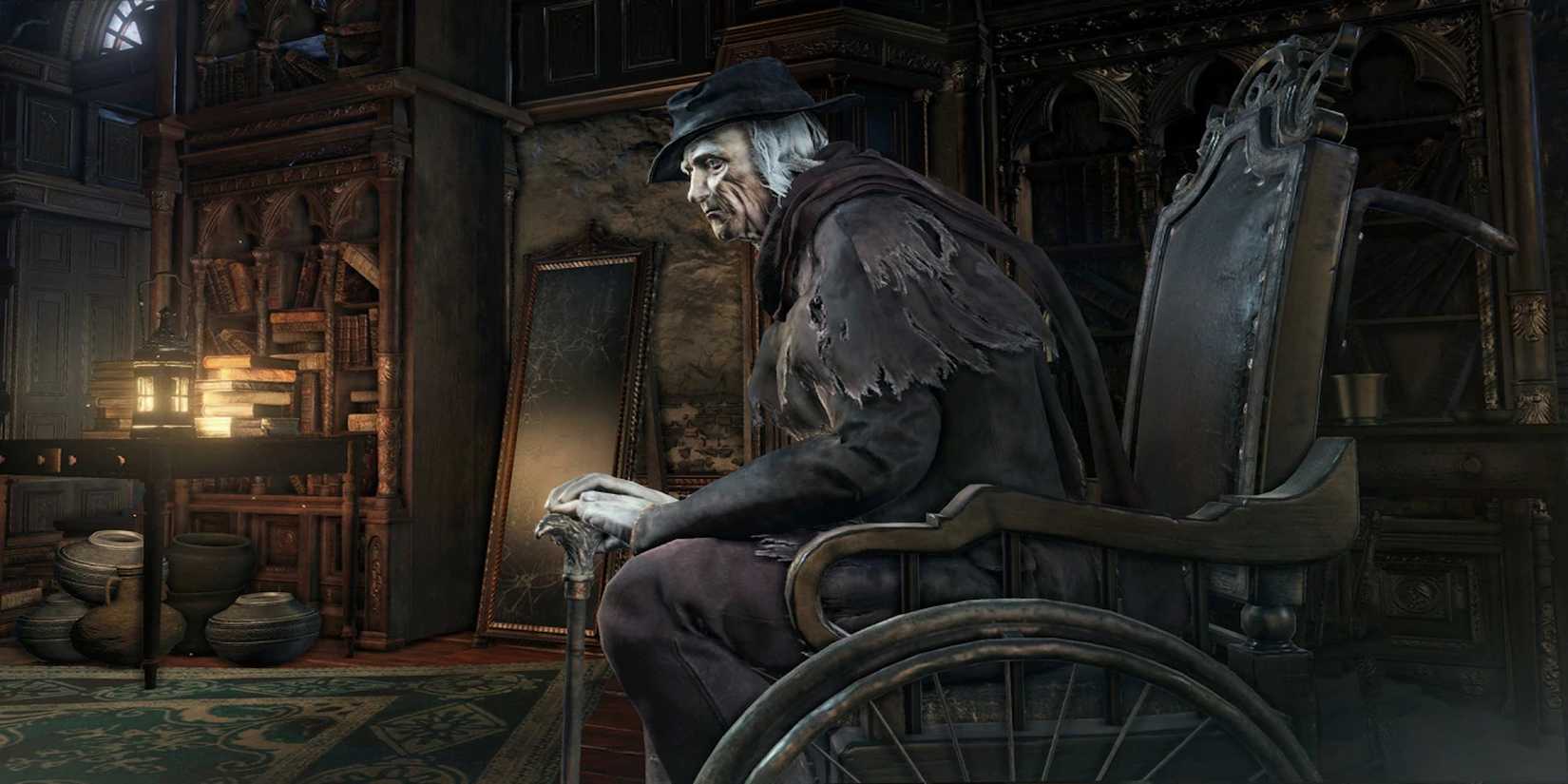
The Role of Gehrman and the Hunter’s Dream
Gehrman, the First Hunter, acts as the emotional anchor of the game. His creation of the Hunter’s Dream—a sanctuary modeled after his original workshop—provides a hub for players to hone their skills. As a mentor figure who is essentially trapped in a perpetual cycle of servitude to the Moon Presence, his inclusion is essential for grounding the film’s more abstract, cosmic elements.
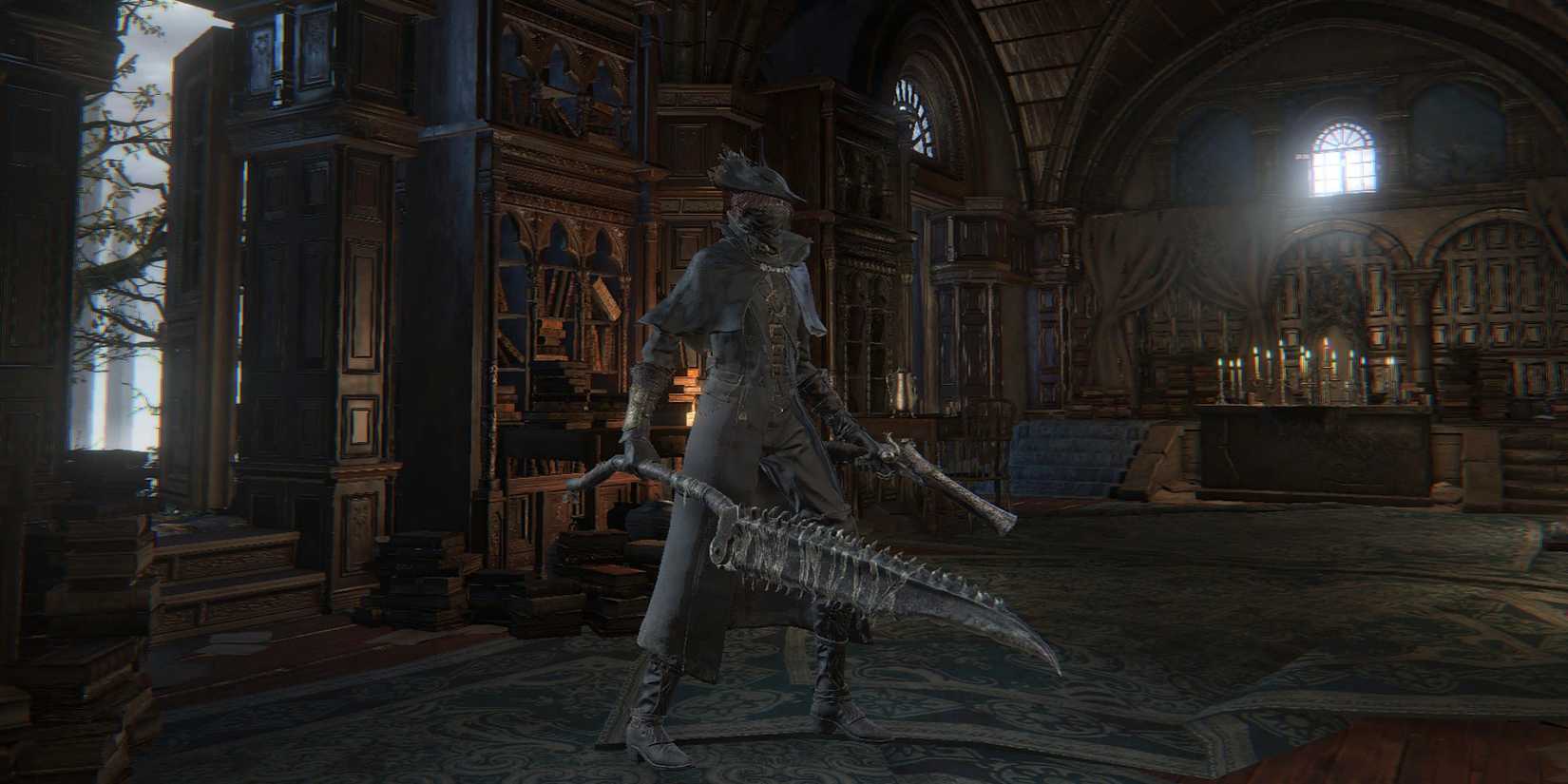
Key Narrative Threads and Characters
Beyond the grand history of the city, individual characters offer intimate perspectives on the horror of the hunt.
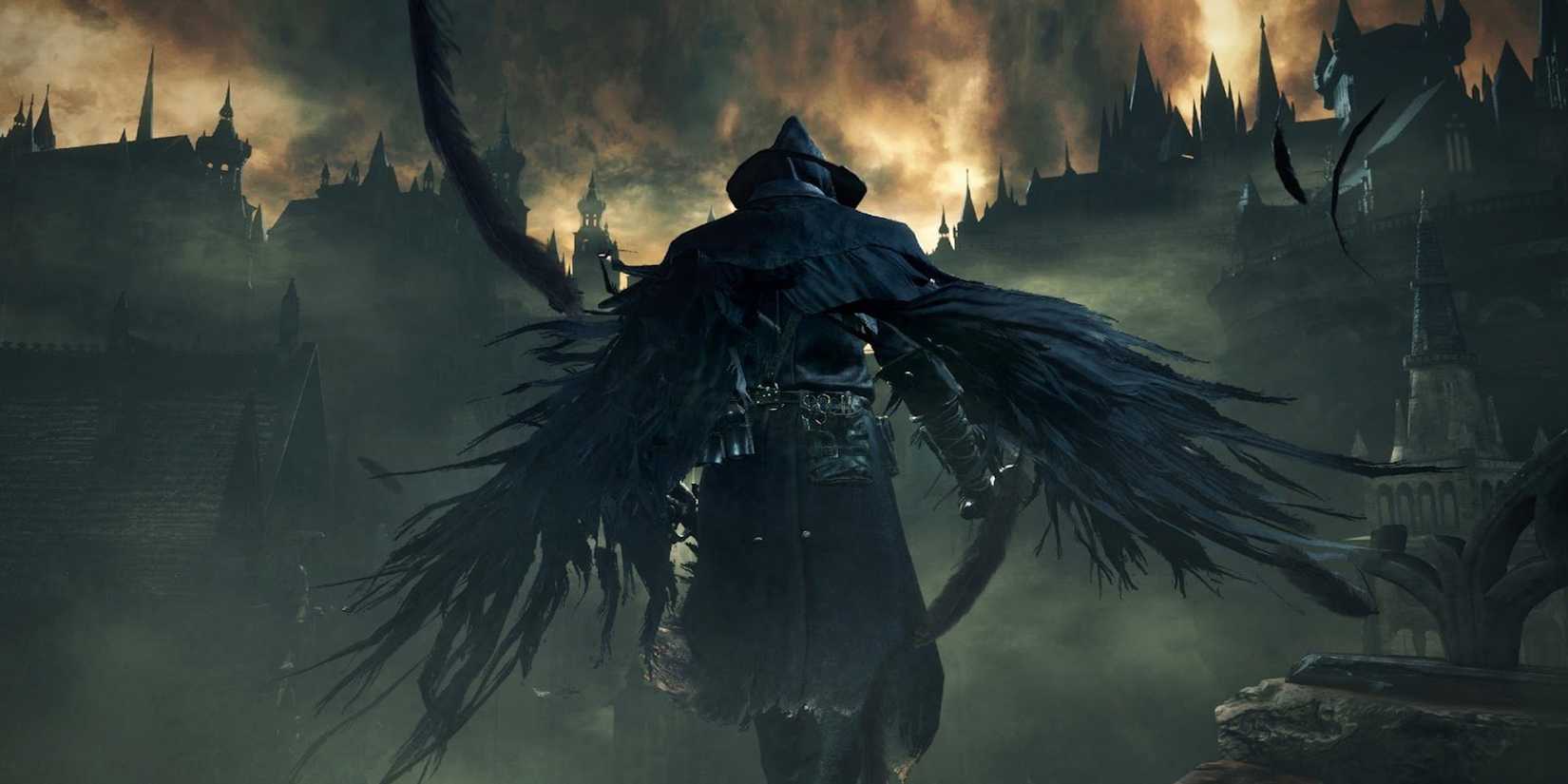
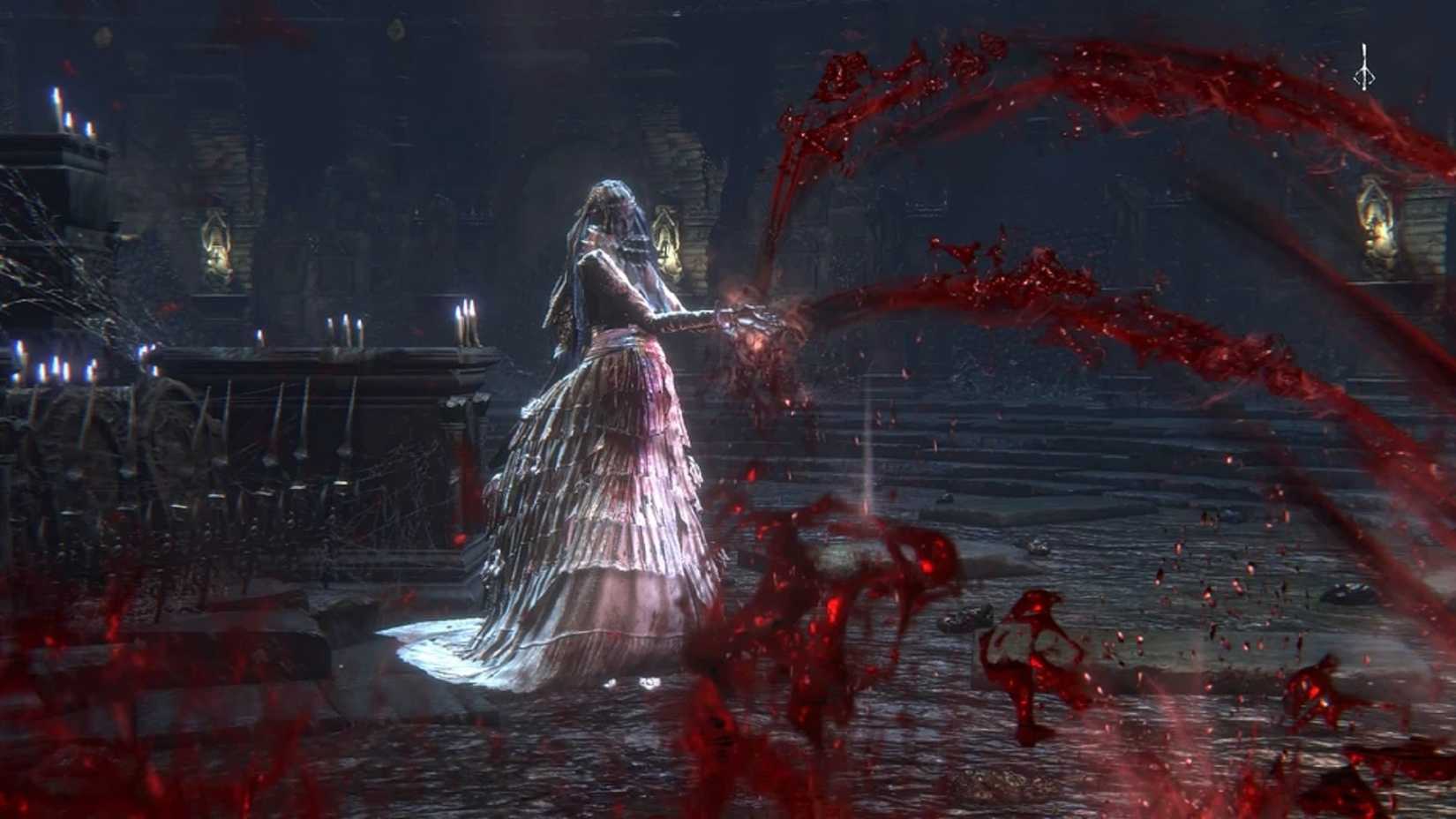
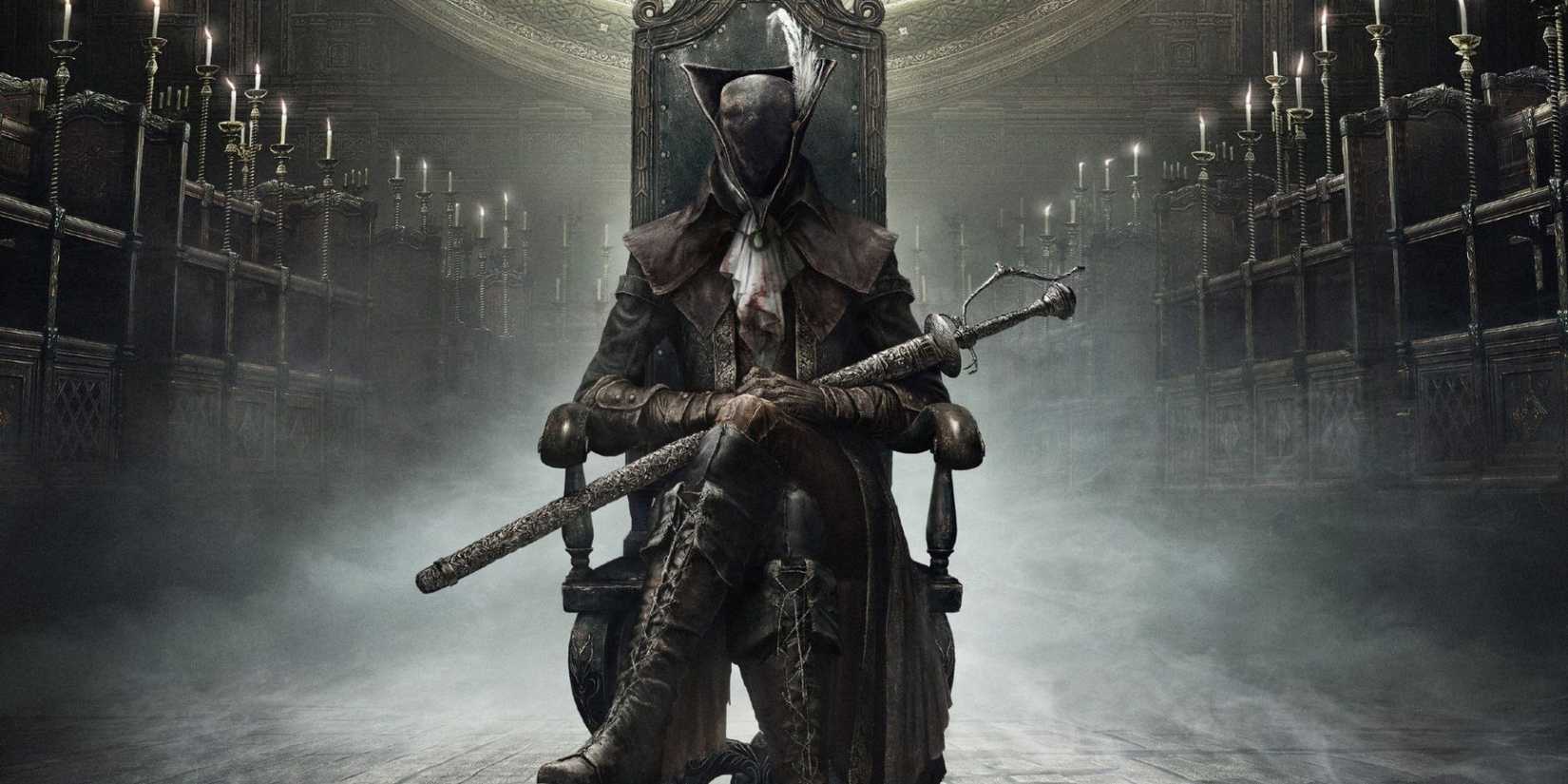
- Lady Maria: As a student of Gehrman and a participant in the Fishing Hamlet massacre, Maria’s subsequent guilt and withdrawal into the Astral Clocktower provide a tragic, character-driven subplot. Her insistence that "the dead should be left alone" is a mantra that summarizes the central conflict of the entire game.
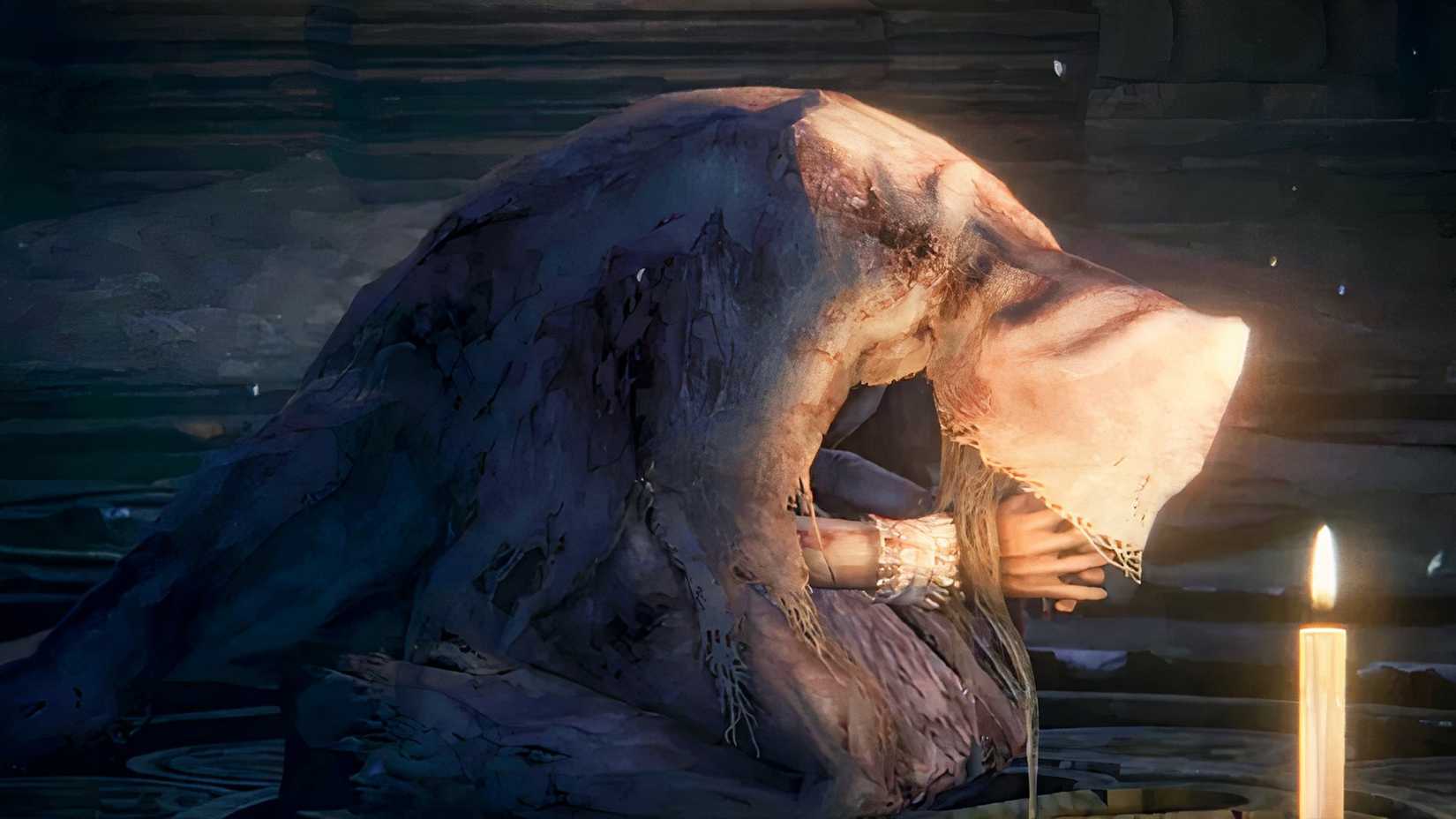
- Eileen the Crow: As a "Hunter of Hunters," Eileen provides a necessary perspective on the psychological toll of the hunt. Her role in putting down those who have succumbed to bloodlust highlights the moral ambiguity of the protagonist’s actions.
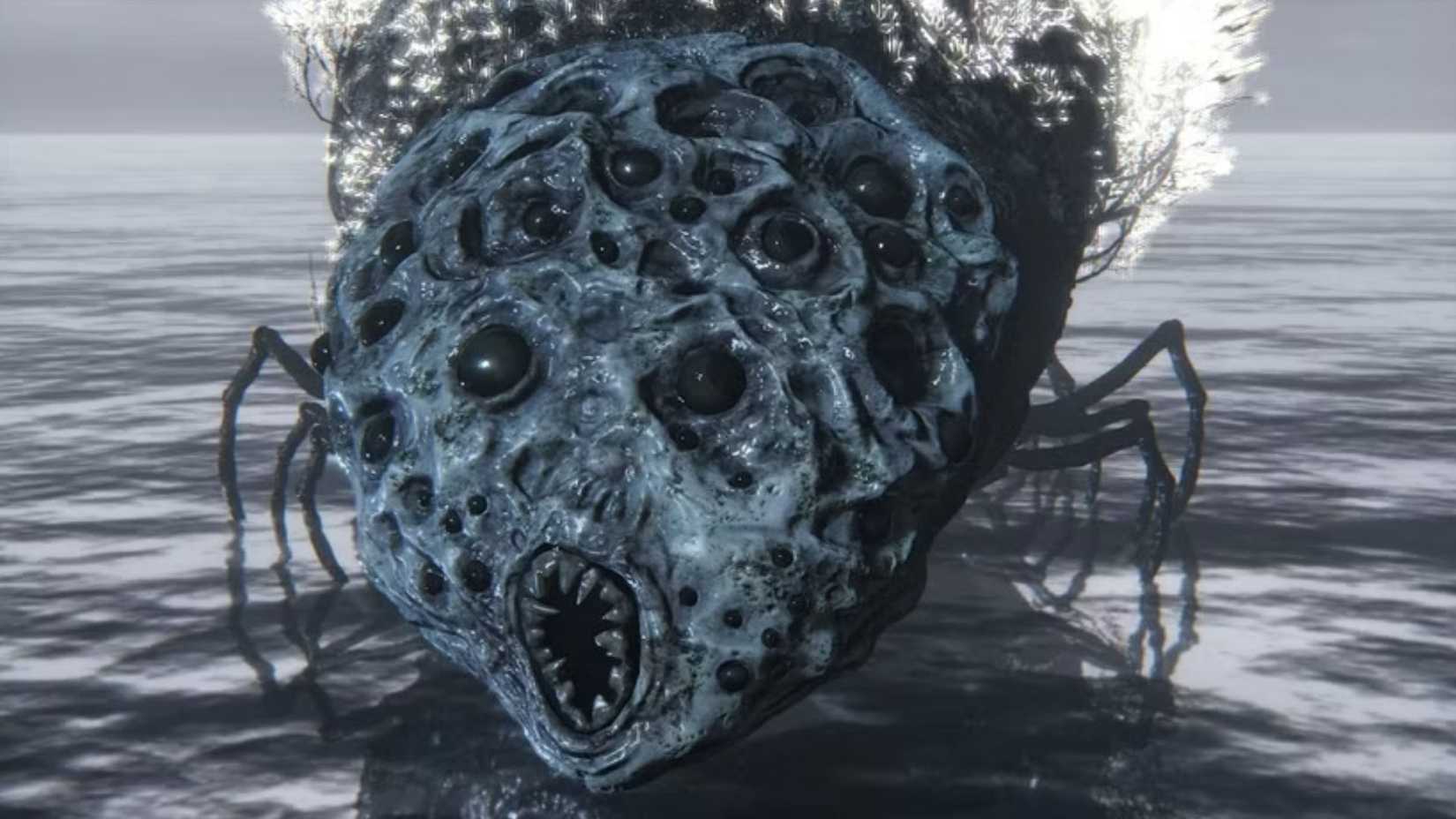
- Rom, the Vacuous Spider: Serving as the barrier between reality and the cosmic horrors of the Great Ones, Rom’s death is the turning point in the game. An animated film could utilize this as a literal visual shift, transitioning the aesthetic from gothic horror to incomprehensible eldritch nightmare.
The "JackSepticEye" Factor: A Creator-Led Vision
The involvement of JackSepticEye is a point of significant interest. Following the release of Markiplier’s Iron Lung in early 2026, the trend of high-profile YouTubers leveraging their production companies to helm film projects has gained momentum.
McLoughlin has spent years championing the artistic merit of video games. His production company, Cloak, and his broader media presence emphasize a deep understanding of gaming culture. Unlike traditional Hollywood adaptations that often struggle with "gamification" or over-simplification, a creator with deep roots in the Bloodborne community is more likely to respect the nuance of the source material. The R-rating is a promising indicator that the production team understands the necessity of maintaining the game’s grim, mature atmosphere.
Supporting Data: The Longevity of Bloodborne
The decision to adapt Bloodborne is backed by data that shows no sign of waning interest. Ten years post-launch, the game continues to see high player engagement and remains a staple of the "Souls-like" genre.
| Metric | Detail |
|---|---|
| Developer | FromSoftware |
| Publisher | Sony Interactive Entertainment |
| Release Date | March 24, 2015 |
| Genre | Action RPG / Souls-like |
| Platform | PlayStation 4 (Playable on PS5) |
| Critical Reception | "Mighty" (OpenCritic) |
| Average Completion | ~33 Hours |
This longevity is not merely due to the gameplay, but the "infinite" nature of the lore. The Bloodborne community is highly active on forums and social media, constantly uncovering new interpretations of the game’s cryptic text. This level of discourse provides a built-in audience that is ready to scrutinize and celebrate a high-quality adaptation.
Official Responses and Industry Implications
Sony’s willingness to allow a prominent creator to take the lead on a major IP like Bloodborne marks a shift in corporate strategy. By empowering creators who have a "seat at the table" of the community, Sony is essentially outsourcing the cultural translation of the game. If this film succeeds, it could set a precedent for how Sony handles its other dormant or legendary franchises.
However, the risk remains high. The "Soulslike" genre is notoriously difficult to adapt because the player’s agency is the primary engine of the story. Without a player character making choices, the film must decide if it will follow a "silent protagonist" or craft an original perspective character.

Conclusion: A New Dawn for Yharnam
The prospect of an R-rated Bloodborne animated film is one of the most exciting developments in recent gaming history. While the transition from controller to screen is fraught with potential pitfalls, the combination of an experienced, passionate creative lead and the backing of Sony suggests a project that respects the dark, twisted heart of Yharnam.
If the production can capture the suffocating atmosphere, the complexity of the Healing Church’s corruption, and the tragic beauty of the Hunters, it may well prove to be the definitive adaptation that fans have waited a decade for. Whether it explores the origins of the First Vicar or the descent of Lady Maria, the film has the potential to introduce the world of Bloodborne to a new generation, ensuring that the hunt—and the nightmare—continues long after the game has been shelved.











No comments yet. Be the first to join the conversation!