Iffa Jayyana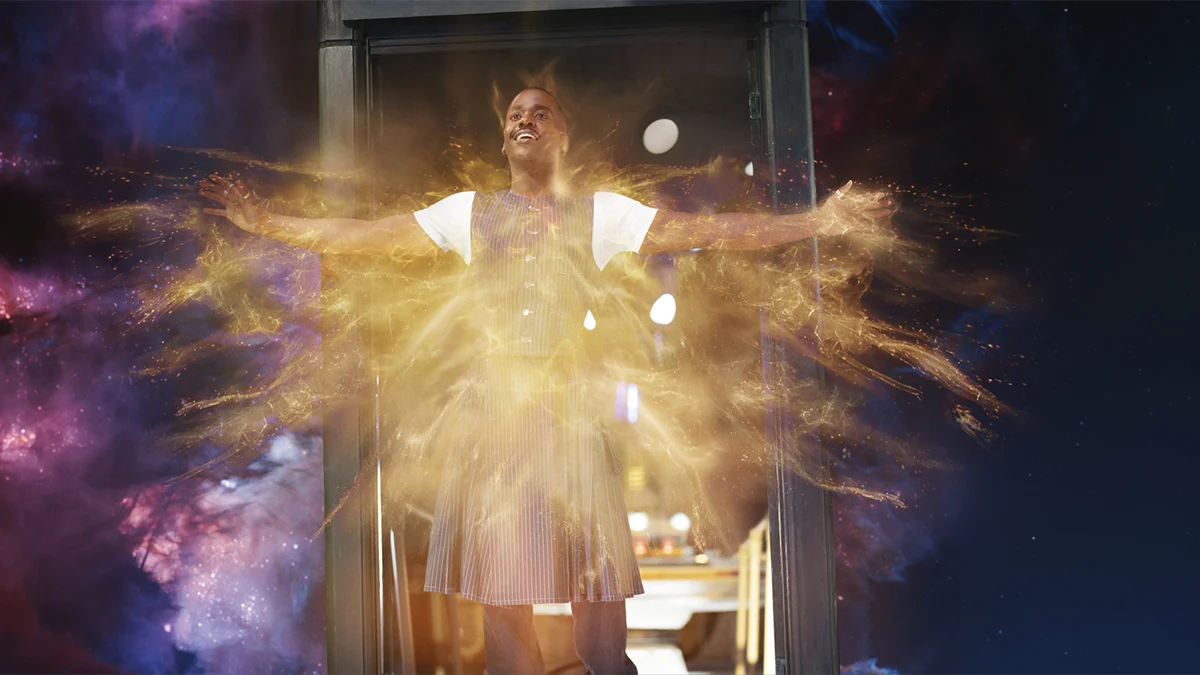
By [Your Name/Editorial Staff] | June 15, 2026
The death of Doctor Who has been greatly exaggerated. Despite the current climate of uncertainty surrounding the world’s longest-running science fiction series, reports of its demise are premature. As the BBC enters a period of "competitive tender" following the departure of Russell T. Davies and his production house, Bad Wolf, the franchise finds itself in a familiar, albeit challenging, position: the wilderness.
While the cancellation of the highly anticipated Christmas special and the unresolved cliffhanger of Season 15 have sent shockwaves through the fandom, a sober look at the current television landscape suggests that Doctor Who is not facing a permanent exit. Instead, it is undergoing a structural metamorphosis.
The State of Play: Main Facts and Current Status
As of mid-2026, the status of Doctor Who can be categorized as a controlled pause. The series has not been canceled; rather, the BBC has initiated a formal business process to determine the future production path of the show.
Key developments include:
- Production Transition: Showrunner Russell T. Davies and Bad Wolf have stepped away from the series, effectively ending the "RTD 2.0" era.
- Competitive Tender: The BBC has placed the franchise under a competitive tender process, inviting bids from production companies to revitalize the show.
- The Disney Split: The much-ballyhooed partnership with Disney, which aimed to "Marvel-ize" the franchise, has officially collapsed, necessitating a pivot in the show’s financial and creative model.
- Content Vacuum: The previously teased Christmas special has been removed from the schedule, and the lingering narrative threads from the Season 15 finale remain dangling.
A Chronology of the Crisis
To understand the current impasse, one must look at the turbulent trajectory of the last eighteen months. The decline of the current iteration did not happen overnight; it was a slow accumulation of creative and corporate friction.
Late 2025: The First Cracks
The departure of Ncuti Gatwa, earlier than the industry anticipated, signaled a shift in the production’s stability. While the actor’s exit was framed as a creative decision, it left a void in the show’s central identity. Simultaneously, the Disney distribution deal began to show signs of strain as internal metrics regarding audience retention and international growth failed to meet high-level projections.
Early 2026: The "Reality War" Misstep
The Season 15 finale, widely panned by critics and fans alike as one of the weakest in modern memory, attempted to rectify a sagging narrative with an abrupt, "Hail Mary" regeneration twist. It was, by all accounts, a desperate attempt to reset the board, but it served only to alienate long-term viewers who felt the emotional weight of the series had been sacrificed for shock value.
Spring 2026: The Collapse of the Partnership
By April, it became clear that the Disney partnership was unsustainable. The subsequent "meltdown" saw a period of radio silence from the BBC, leading to the cancellation of the upcoming holiday programming. This vacuum of information allowed the "catastrophizing" that now dominates fan discourse to take root.
Supporting Data: Why the Show is "Too Big to Fail"
Critics who predict the end of Doctor Who often overlook the sheer scale of the brand’s footprint. In the 1980s, when the show faced a similar "wilderness period," it was a struggling, low-budget series. Today, Doctor Who is a global powerhouse.
The Ecosystem of the Franchise
- Merchandising: The licensing revenue generated by the TARDIS and associated iconography remains a significant pillar of the BBC’s commercial arm.
- Audio and Animation: Big Finish continues to produce a prolific volume of audio dramas, maintaining the franchise’s narrative momentum even when the live-action series is absent. Furthermore, the CBeebies animated projects indicate that the BBC is continuing to invest in younger demographics.
- Global Reach: Unlike the 1980s, the modern Doctor Who has established an international footprint. The existence of spin-off projects, such as the delayed The War Between the Land and the Sea, suggests that the BBC views the brand as a multi-platform entity, not just a Saturday night slot on BBC One.
Official Responses and Corporate Strategy
The BBC has remained tight-lipped regarding specific creative directions, but its actions suggest a commitment to the franchise’s longevity. The use of "competitive tender" is a standard, albeit high-stakes, procurement process. By inviting new production companies to bid, the BBC is effectively acknowledging that the current creative vision—specifically the "shared universe" model pushed by Davies—has reached its limit.
Industry insiders suggest that the BBC is not looking for a "caretaker" but a visionary capable of stripping the show back to its core identity. The commitment to the brand, expressed in several statements since the Disney split, underscores that the BBC views Doctor Who as a legacy asset that must be preserved, even if the current iteration requires a full systemic overhaul.
Implications: The Case for a "True" Regeneration
The current hiatus, while painful for fans, presents an unprecedented opportunity for a creative reset. The "RTD 2.0" era was characterized by a reliance on returning talent and established lore. By cycling through the same creative voices—Davies, Moffat, and Chibnall—the series had become, to some extent, insular.
The Need for Fresh Blood
For Doctor Who to thrive in the 2030s, it must move beyond the "extended family" of writers who have dominated the revival since 2005. The implication of this hiatus is that the show is effectively "clearing the deck."
A true regeneration requires:
- New Voices: Hiring showrunners and writers who have no prior history with the show could introduce the lateral thinking necessary to evolve the format.
- Narrative De-cluttering: The show has become arguably too bogged down in its own complex mythology. A fresh start should prioritize the fundamental premise: a mysterious alien traveler and a companion exploring the vast, strange corners of space and time.
- Visual and Tonality Shifts: If the show is to return as a global product, it must differentiate itself from the "superhero" tone that the Disney partnership attempted to force upon it.
Conclusion: The Survivor’s Philosophy
Whovians are, by nature, a passionate and often melodramatic cohort. The pain of the current hiatus is a testament to the show’s cultural importance. However, we must remember that Doctor Who is a series predicated on the very concept of death and rebirth.
The Doctor has died and returned thirteen-plus times. The show itself has been "canceled" and returned to glory. This period of silence is not an end, but a necessary cooling-off phase. The television landscape of 2026 is vastly different from that of 1989, and the infrastructure supporting this franchise is far too robust to simply evaporate.
As the BBC moves through its tender process, fans should prepare for a version of the show that looks, sounds, and feels different. This is not a cause for despair; it is the natural, necessary evolution of a show that refuses to stay dead. Everything ends, and it is indeed sad, but as the Doctor has reminded us for over sixty years: everything begins again, too. And that is a reason to be optimistic. The TARDIS will return—the question is not if, but who will be at the helm when it lands.

 Pevita Pearce
 Reynand Wu