Nana
Nana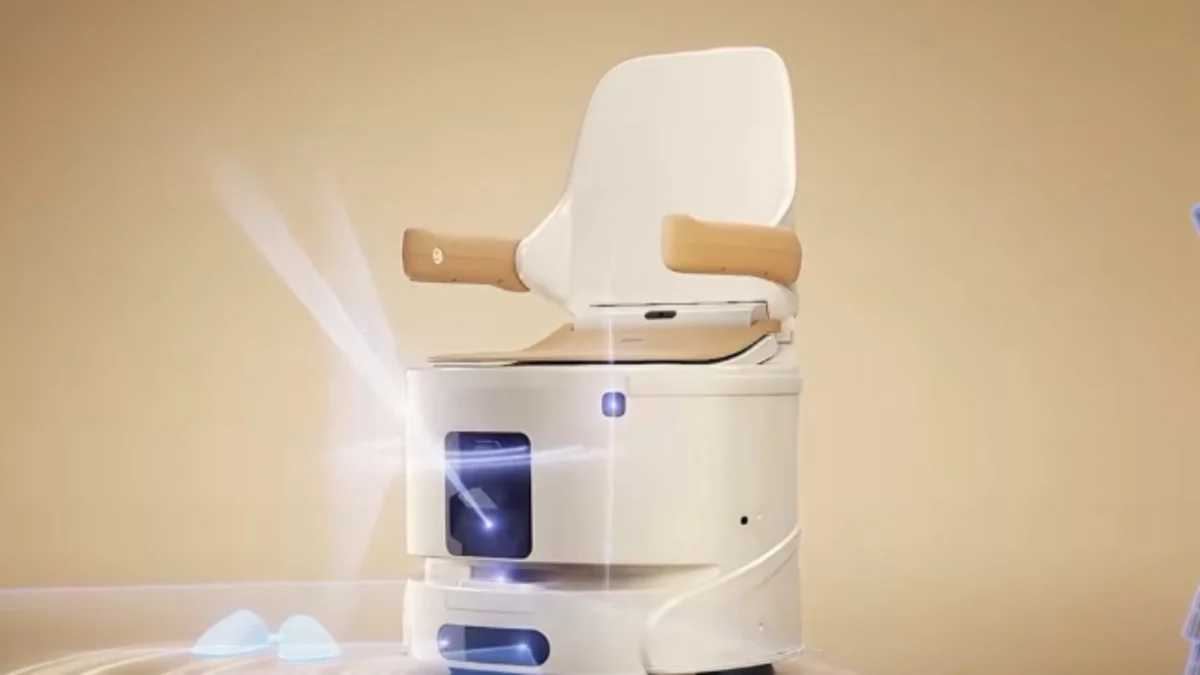
In a striking intersection of robotics, home automation, and healthcare technology, Chinese manufacturer Yueban has unveiled a device that is challenging the boundaries of independent living. At the 2026 Shanghai International Elderly Care Expo, the company debuted "Xiaoban," an autonomous, self-driving robotic toilet designed to bring sanitation directly to the user’s bedside. While the device has sparked a flurry of internet memes and pop-culture comparisons, the technology represents a significant leap forward in addressing the mobility challenges faced by the world’s aging population.
The Genesis of the Mobile Sanitation Robot
The concept of mobile sanitation is not entirely new, but the implementation of a fully autonomous, self-docking, and self-cleaning unit is a breakthrough in consumer robotics. For decades, the elderly and those with limited physical mobility have relied on stationary commodes, bedpans, or the assistance of caregivers to manage basic biological needs. These methods often compromise the user’s dignity and independence.
Yueban’s solution, Xiaoban, seeks to mitigate these issues by transforming the toilet from a fixed piece of bathroom furniture into an intelligent, roaming mobility aid. The device is designed to traverse the home environment, responding to remote or voice commands to position itself exactly where the user requires it. Once the primary task is completed, the robot retreats to a specialized docking station that integrates with the home’s existing plumbing, effectively closing the loop on a process that has traditionally required significant physical effort.
Technological Architecture: How Xiaoban Navigates the Home
At the heart of Xiaoban’s functionality is a sophisticated sensor suite similar to that found in high-end autonomous vacuum cleaners or industrial logistics robots. Utilizing Light Detection and Ranging (LiDAR) and a matrix of laser sensors, the unit constructs a real-time map of the domestic environment.
Navigation and Obstacle Avoidance
The robot is capable of identifying furniture, doorways, and floor transitions, allowing it to navigate a bedroom or living area without colliding with objects or the user. This level of autonomy is critical for elderly users who may not be able to clear paths or manually guide a device. The robot’s chassis is reinforced with stabilizers, including integrated armrests and a supportive backrest, ensuring that the user maintains balance and safety during the transition from a bed to the device.
The Sanitation Cycle
The genius of the Xiaoban system lies in its docking procedure. Once the robot reaches the docking station—which serves as both a charging port and a waste-management hub—it initiates a fully automated cycle. This process includes:
- Waste Disposal: The unit discharges its contents into the home’s main sewer line via the docking interface.
- Sanitization: Internal sprayers apply medical-grade cleaners to the bowl.
- Refill and Recharge: The unit automatically replenishes its internal clean-water reservoir for the next bidet cycle and begins drawing power from the docking station to ensure the battery is fully charged for the next call.
Chronology of the 2026 Shanghai Debut
The 2026 Shanghai International Elderly Care Expo served as the global stage for this technology. In the days leading up to the expo, industry analysts were focused on advancements in exoskeleton suits and smart home monitoring. However, the introduction of Xiaoban quickly dominated the conversation.
- Pre-Expo Hype: Initial rumors of "smart furniture" from Yueban began circulating on social media in early 2026, though the specific nature of the product remained under wraps until the opening ceremony.
- The Unveiling: On the first day of the expo, live demonstrations showed the robot successfully navigating a simulated bedroom environment. Attendees watched as the unit responded to voice commands, approached a model bed, and provided a simulated bidet-wash demonstration.
- The Digital Reaction: Within hours of the unveiling, videos of the robot in motion went viral on platforms like Douyin, Weibo, and eventually X (formerly Twitter). The discourse was bifurcated: one side focused on the life-changing potential for the elderly, while the other—often dominated by gaming communities—began drawing parallels to satirical depictions of sedentary lifestyles, such as the infamous "Make Love, Not Warcraft" episode of South Park.
Market Positioning and Economic Implications
One of the most debated aspects of the Xiaoban launch has been its price point. Initial reports on social media suggested a premium price tag of approximately $13,000, which would have relegated the device to the ultra-luxury market. However, subsequent documentation from Yueban confirmed a domestic retail price of 28,999 yuan, or approximately $4,000 USD.
While $4,000 is a significant investment for a household appliance, it must be contextualized against the rising costs of professional in-home nursing care. In many developed nations, the monthly cost of assisted living or professional caregiver services far exceeds the price of the robot. If Xiaoban can extend the amount of time an elderly individual can live independently, the return on investment for families becomes much clearer.
Regional Availability
As of late 2026, international release plans have not been finalized. The complexity of local plumbing codes, safety certifications (such as CE marking in Europe or UL listing in the US), and liability insurance regarding autonomous medical devices makes a global rollout a complicated endeavor. Yueban has signaled that they are in talks with international distributors, but potential users outside of China may have to wait until at least 2027 to see the device in their markets.
Implications for Healthcare and Human Dignity
The broader implications of Xiaoban extend beyond mere convenience. We are currently witnessing a global demographic shift, with aging populations in China, Japan, Europe, and North America putting immense pressure on healthcare systems. The shortage of skilled caregivers is a growing crisis.
The Dignity Factor
For many seniors, the loss of bathroom independence is one of the most psychologically difficult aspects of aging. It often marks the threshold at which an individual feels forced to move into a nursing home. By automating this intimate function, Xiaoban preserves a level of privacy that is rarely afforded in institutional settings.
Ethical Considerations and Risks
Despite the enthusiasm, ethicists and medical professionals have raised questions regarding the device. What happens if the robot malfunctions? What if the user experiences a medical emergency while on the device? Yueban claims that the robot is equipped with "biometric monitoring" to track the user’s vital signs, though these features have yet to be independently audited. Furthermore, the reliance on an autonomous device for a critical function raises concerns about potential technical failure leading to a loss of basic human autonomy.
The Broader Landscape of Chinese Robotics
Xiaoban is not an isolated phenomenon but rather a reflection of the rapid maturation of the Chinese robotics sector. Earlier in 2026, DroidUp made headlines with a $173,000 biometric companion robot. The shift from "novelty" robots to "utility" robots highlights a strategic pivot in Chinese manufacturing.
While the "companion robot" market focuses on social interaction and emotional support, the "utility robot" market—as exemplified by Xiaoban—focuses on the harsh realities of the aging process. It is a pragmatic, if unconventional, application of AI and robotics to solve a tangible human problem.
Conclusion: A Turning Point in Home Care
The Xiaoban robot serves as a litmus test for society’s comfort level with advanced automation in the most private spheres of life. While the internet may continue to joke about its potential for gaming setups, the reality of the situation is far more serious. As the global population ages, technology that provides even a small degree of autonomy to those with limited mobility will become increasingly vital.
Whether or not Xiaoban becomes a staple of the modern home remains to be seen. However, its presence at the Shanghai Expo serves as a clear signal: the future of elderly care is mobile, automated, and, quite literally, rolling into our bedrooms. The question for policymakers and families now is not whether we can deploy such technology, but how we can do so safely, affordably, and with the dignity that every user deserves.


 Dwi Wanna
 Rifan Muazin