Rifan Muazin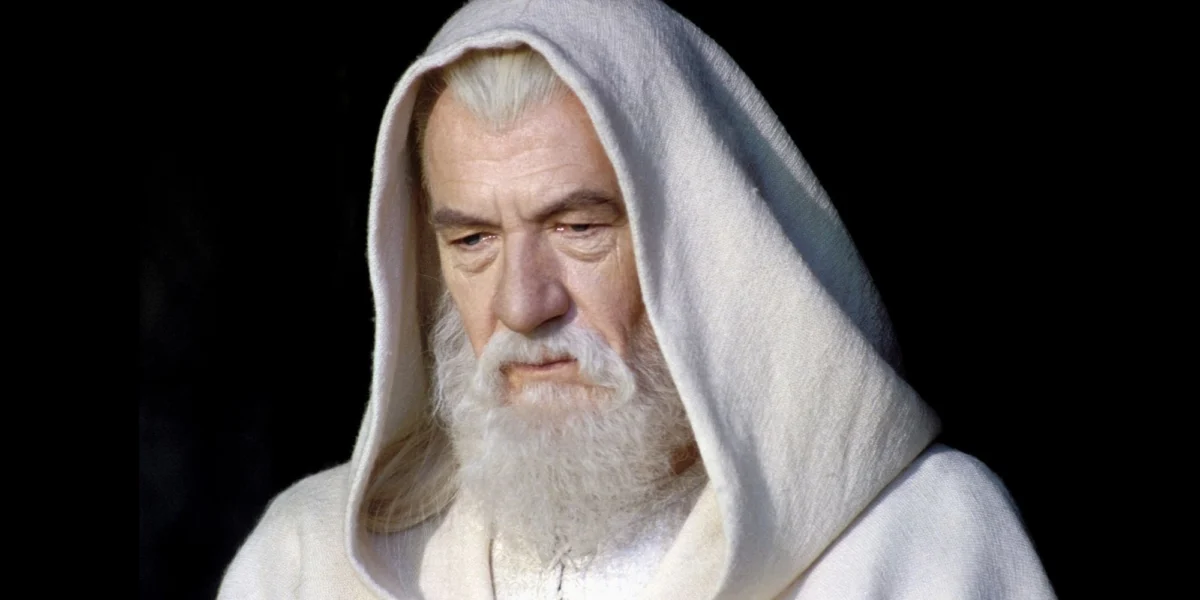
In the history of the silver screen, there exists a profound "before" and "after" regarding the fantasy genre. For many modern viewers, that epochal shift is defined by Peter Jackson’s The Lord of the Rings trilogy. Adapted from J.R.R. Tolkien’s seminal literary masterwork—arguably the most influential written contribution to world-building in the 20th century—Jackson’s films arrived at the turn of the millennium, transforming a "dying" genre into a commercial and critical juggernaut. They set the gold standard for production design, scope, and franchise-driven storytelling.
However, to suggest that The Lord of the Rings is the most important fantasy work in cinema history is to overlook the foundational bedrock upon which Middle-earth was built. While Jackson’s trilogy is a towering achievement, three specific motion pictures hold greater historical significance. By examining Snow White and the Seven Dwarfs, The Wizard of Oz, and Star Wars: Episode IV – A New Hope, we can trace the true lineage of cinematic fantasy—a genre defined not just by swords and sorcery, but by its ability to rewrite the rules of what is possible on film.
The Foundation of Dreams: Snow White and the Seven Dwarfs (1937)
No studio is more synonymous with the lexicon of cinematic fantasy than The Walt Disney Company. Yet, in the mid-1930s, the prospect of a feature-length animated film was met with widespread derision. Industry insiders famously dubbed the project "Disney’s Folly," convinced that audiences would not sit through 80 minutes of drawings.
Walt Disney, however, possessed a vision that transcended the skepticism of his peers. By adapting the 1812 German fairy tale, Disney created a work that did more than tell a story; it legitimized animation as a serious medium for narrative art. Snow White and the Seven Dwarfs introduced the world to the "Disney formula": the interplay between a virtuous protagonist, a terrifyingly effective antagonist in the Queen, and a supporting cast of characters designed for both heart and humor.

The impact of Snow White cannot be overstated. It was the first film to prove that the fantasy genre could command the same emotional weight as live-action drama. It established a visual language of color, shadow, and movement that remains the blueprint for the genre today. Nearly a century later, the film’s fluid animation and hauntingly detailed forests still hold a power that modern CGI-heavy spectacles often struggle to replicate. By cementing the studio as the preeminent "factory of dreams," Snow White did more than succeed—it created the modern fantasy industry.
The Technicolor Blueprint: The Wizard of Oz (1939)
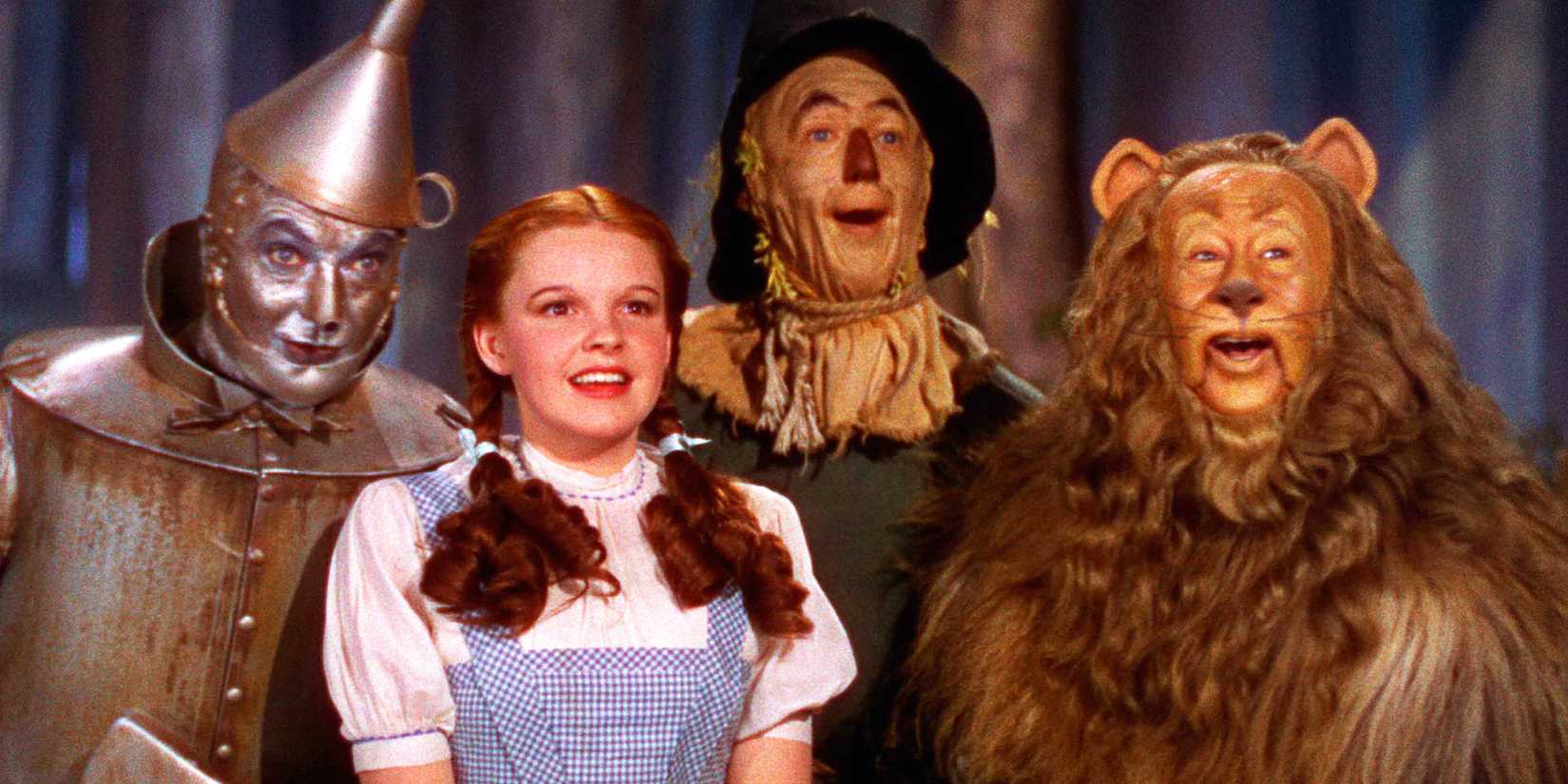
If Snow White proved that fantasy could reach the masses through animation, MGM’s The Wizard of Oz proved that the genre could achieve a singular, transcendent reality in live-action. While often cited as the definitive adaptation of L. Frank Baum’s work, history reminds us that it was actually the ninth attempt to bring Oz to the screen. It was, however, the first to truly capture the collective imagination of the world.
Directed primarily by Victor Fleming, The Wizard of Oz was a triumph of the studio system’s peak. It utilized the relatively new technology of Technicolor not merely as a gimmick, but as a narrative device, signaling the transition from the drab, monochromatic reality of Kansas to the vibrant, dangerous, and wondrous landscape of Oz.
The film established the archetypes that every subsequent fantasy quest would borrow: the ragtag group of outcasts searching for what they believe they lack, the presence of a "Dark Lord" figure in the Wicked Witch of the West, and the journey along a metaphorical path toward enlightenment. Judy Garland’s performance as Dorothy became the definitive "hero’s journey" template. By grounding the fantastical elements in human emotion—fear, friendship, and the yearning for home—the film proved that fantasy could be the perfect vehicle for exploring the human condition. It remains the lens through which our culture views the very concept of "wonder."

The Birth of the Modern Blockbuster: Star Wars (1977)
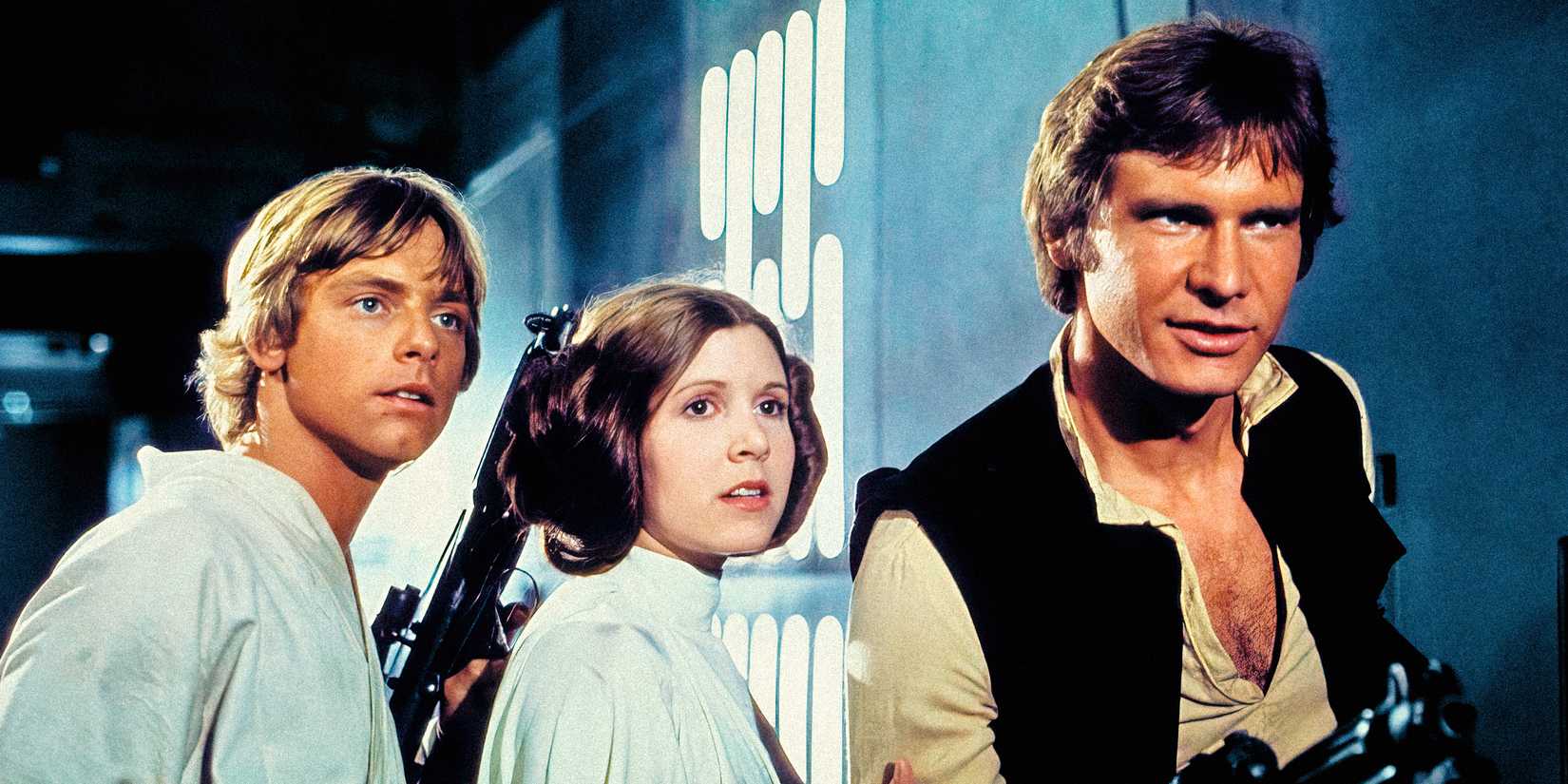
Arguments often arise regarding the classification of Star Wars: Episode IV – A New Hope. Critics may point to the starships, lasers, and robots as evidence of science fiction, but this is a categorization error of the highest order. George Lucas’s space opera is, at its heart, a mythic fantasy. It utilizes the structures of Arthurian legend and the hero’s journey to tell a story of magic—renamed "the Force"—and destiny.
When Star Wars debuted in 1977, it didn’t just change cinema; it obliterated the existing entertainment landscape. It took the groundwork laid by Steven Spielberg’s Jaws two years prior and scaled it into a global phenomenon. Star Wars introduced the concept of the "tentpole" film, proving that fantasy could be a massive, multi-generational franchise.
The implications for the industry were immediate. Visual effects were no longer just a support for the story; they were the story. Lucas pushed the boundaries of what was technically feasible, forcing the industry to invest in higher standards of post-production and world-building. By creating a galaxy that felt lived-in and expansive, Lucas established the "Expanded Universe" model, which every major franchise—including Peter Jackson’s Lord of the Rings—would later emulate.
Chronology of Influence
The evolution of these films shows a clear trajectory of maturation for the fantasy genre:
- 1937 (The Animated Spark): Snow White establishes that fantasy is a viable, high-prestige cinematic genre capable of profound emotional resonance.
- 1939 (The Live-Action Standard): The Wizard of Oz codifies the "quest" structure, defining the visual and tonal expectations for high fantasy.
- 1977 (The Franchise Era): Star Wars transitions fantasy from a niche genre into the driving force of the global box office, introducing modern blockbuster mechanics.
- 2001-2003 (The Perfection of the Craft): The Lord of the Rings arrives, synthesizing the lessons of the previous 60 years to create the most technically proficient and narratively dense fantasy epic to date.
Supporting Data: Why Significance Outweighs Spectacle
While The Lord of the Rings holds the record for the most Oscar wins for a single film (with Return of the King), its "significance" is built upon the structural innovations of its predecessors.
Data regarding the cultural penetration of these films indicates that The Wizard of Oz and Star Wars remain the most culturally referenced films in history. According to various Library of Congress and American Film Institute archives, the archetypes introduced in The Wizard of Oz (the yellow brick road, the ruby slippers, the "wicked" adversary) appear in more non-fantasy narratives than any other set of tropes. Similarly, Star Wars accounts for over $10 billion in merchandise revenue, a metric of cultural dominance that few other IPs—including The Lord of the Rings—can claim to match in longevity and breadth.
Official Responses and Industry Legacy
Industry historians and scholars often describe the relationship between these films as a "parent-child" dynamic. Peter Jackson himself has frequently cited the influence of the 1930s classics on his own filmmaking style, particularly in the use of forced perspective—a technique perfected during the production of The Wizard of Oz—to make his hobbits appear smaller than their counterparts.
The implications for the modern industry are clear: fantasy is the most resilient genre in cinema because it is the most flexible. It allows filmmakers to project current societal anxieties—such as the threat of totalitarianism seen in Star Wars or the struggle for identity in Snow White—onto a canvas that is not constrained by the laws of physics or reality.
Conclusion: A Continuum of Magic
To place The Lord of the Rings on a pedestal as the singular peak of fantasy is to ignore the architects of the genre. Without Disney’s leap of faith in 1937, the technical foundations for fantasy animation would not have existed. Without MGM’s willingness to treat The Wizard of Oz as a high-budget spectacle, the "quest movie" might never have become a staple of cinema. And without the cultural explosion of Star Wars, the studio investment required to bring Middle-earth to life on such a massive scale would likely never have been greenlit.
Peter Jackson’s trilogy is the masterclass of the genre, the point where all these threads were woven into a singular, breathtaking tapestry. But the brilliance of the Fellowship is a reflection of the light cast by the pioneers who came before them. In the grand library of cinematic fantasy, The Lord of the Rings may be the most beautifully bound volume, but Snow White, The Wizard of Oz, and Star Wars are the foundation upon which the entire building stands.


 Nana Wu
 Layla Zulfa