Iffa Jayyana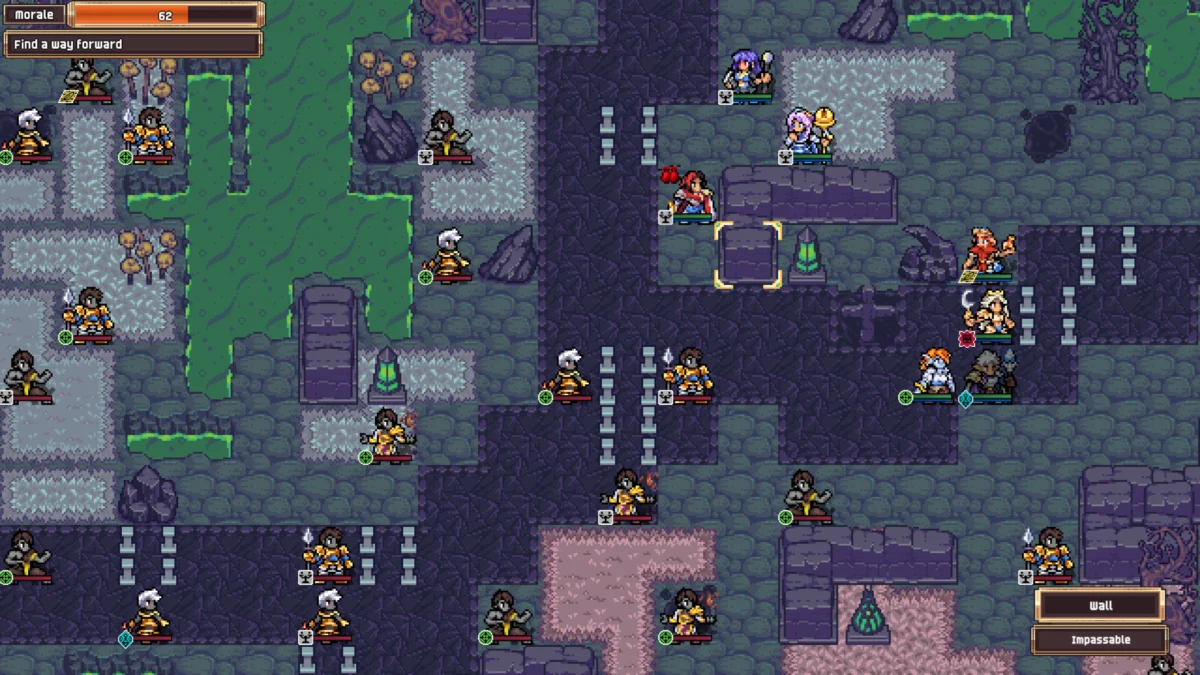
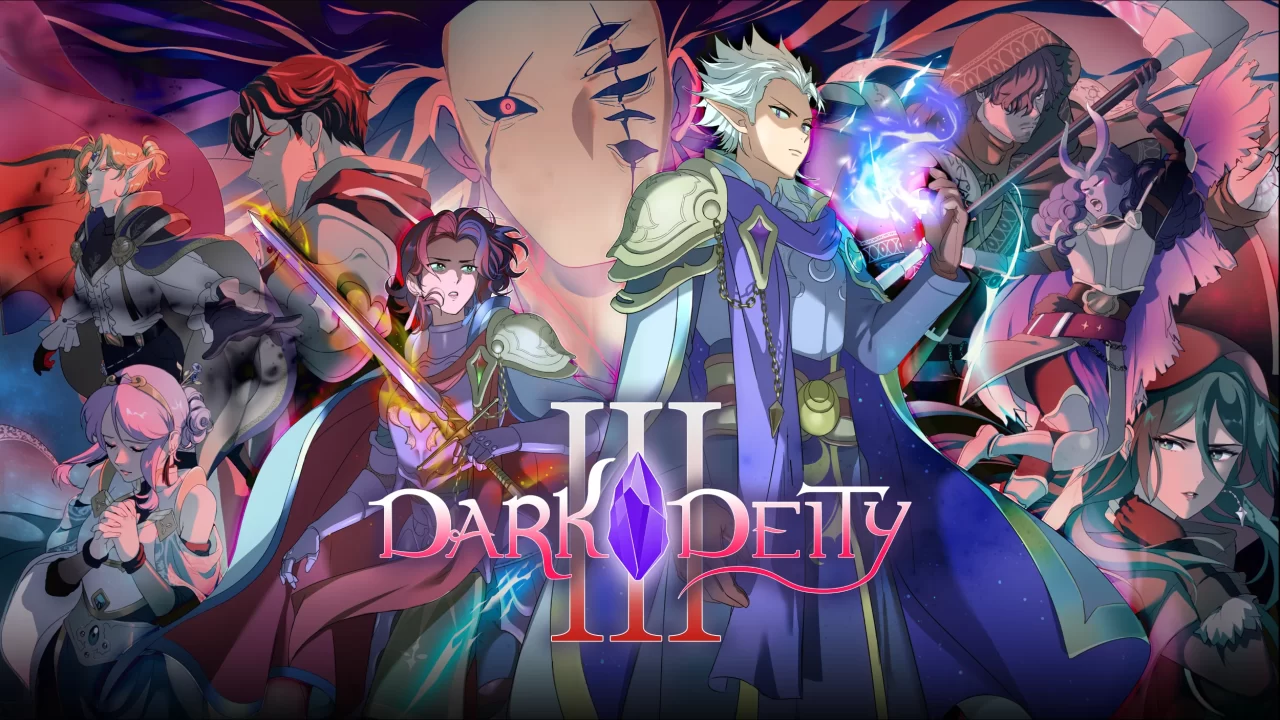
The landscape of independent tactical RPGs has been defined in recent years by the steady, iterative growth of the Dark Deity franchise. During the recent IGN Live showcase, developer Sword & Axe officially pulled back the curtain on the final installment of their ambitious trilogy: Dark Deity 3. Accompanied by a concise, high-impact trailer that promises to push the series to its absolute limits, the announcement marks the beginning of the end for the world of Terrazael.
With the developers confirming that this title will serve as a "dramatic conclusion" to the three-game series, anticipation is already mounting. For fans who have journeyed through the tactical intricacies of the previous entries, Dark Deity 3 represents not just another chapter, but the culmination of years of world-building, narrative stakes, and strategic refinement.
The Core Facts: A Direct Sequel to a Growing Legacy
Dark Deity 3 is positioned as a direct sequel, picking up the mantle of its predecessor and inviting players to return to the richly realized world of Terrazael. The developers have emphasized that while the game is designed to be an standalone experience, the narrative payoff will be most resonant for those who have weathered the trials of the earlier games.
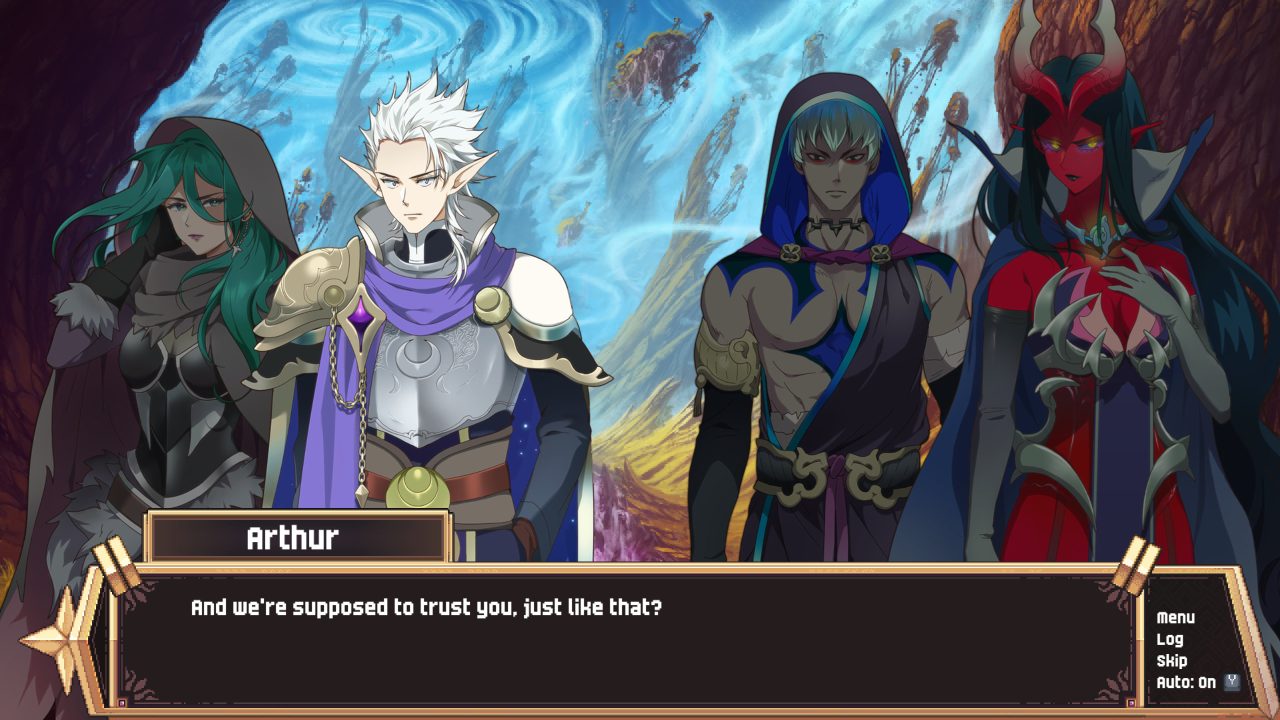
The story follows the dual perspectives of Gwyn and Arthur Sildairan, heirs to the Eternal Order. As the world faces an existential threat, the siblings find their paths diverging: Gwyn takes command of a military force tasked with purging the encroaching death cults that threaten the living world, while Arthur leads a scholarly expedition into the afterlife to unearth the hidden truths of the gods themselves. This bifurcation of the narrative suggests a dual-campaign structure that promises to offer both visceral combat and deep, lore-heavy exploration.
A Chronological Look: The Evolution of the Series
To understand the significance of Dark Deity 3, one must look at the trajectory of the series under Sword & Axe.
The Origins: Establishing the Foundation
The original Dark Deity launched with a clear ambition: to capture the spirit of the classic Game Boy Advance Fire Emblem titles. While the debut title was met with mixed reviews regarding its balance and pacing, it established the core mechanical DNA of the series: colorful, expressive pixel art, a robust class-based progression system, and an emphasis on permadeath and high-stakes tactical decision-making.
The Refinement: The Turning Point of Dark Deity 2
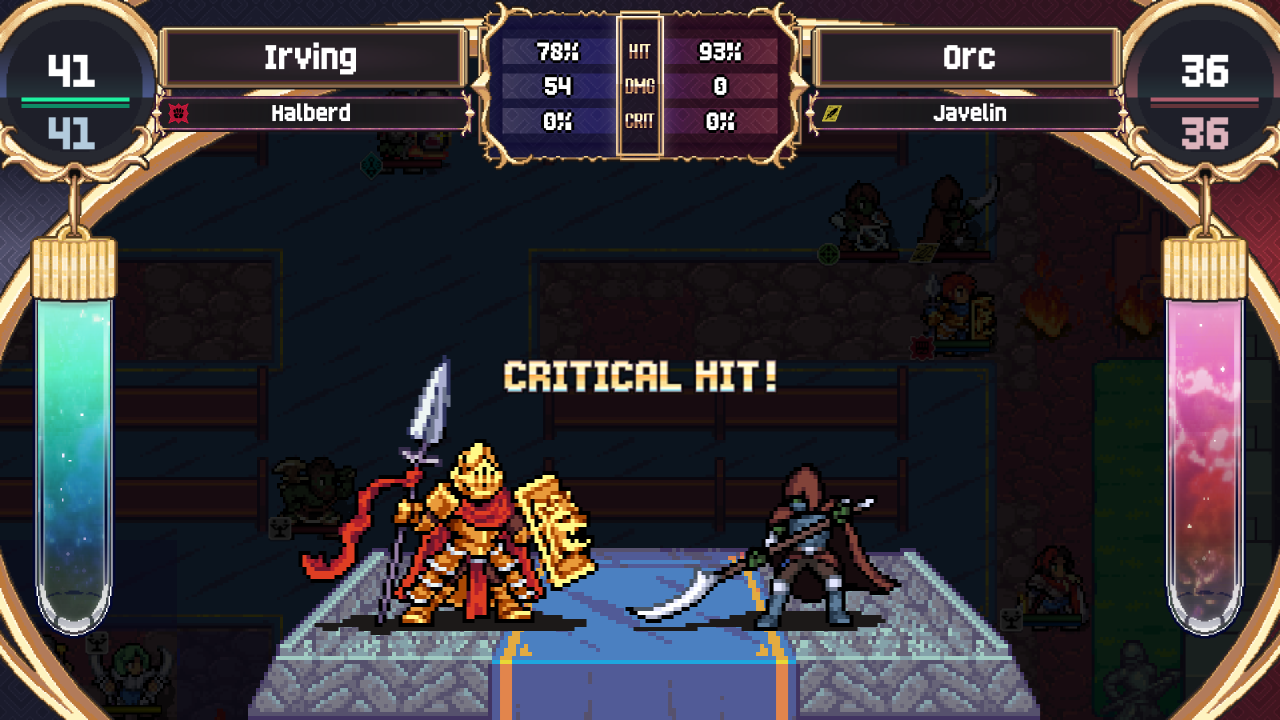
The second entry, Dark Deity 2, represented a massive leap forward. By addressing player feedback, tightening the UI, and expanding the depth of the tactical sandbox, the developers proved that they were listening to their community. The sequel was widely hailed as a significant improvement, with critics—including those at RPGfan—awarding it an "Editor’s Choice" distinction. It successfully stepped out of the shadow of its inspirations, carving out a unique identity that prioritized player freedom and replayability.
The Culmination: The Promise of the Third Act
Now, Dark Deity 3 aims to synthesize these lessons. By returning to the characters and the geography of the second game, Sword & Axe is banking on a sense of familiarity. This is the "third act" of a story that has been building momentum for years, promising to resolve the lingering mysteries of the Eternal Order and the true nature of the gods.
Supporting Data: The Mechanics of Modern Strategy
Sword & Axe has released a comprehensive set of statistics that highlight the sheer scale of the upcoming title. Dark Deity 3 is shaping up to be the most content-rich entry in the franchise to date, designed as a "tactical RPG sandbox" that encourages experimentation.
By the Numbers:
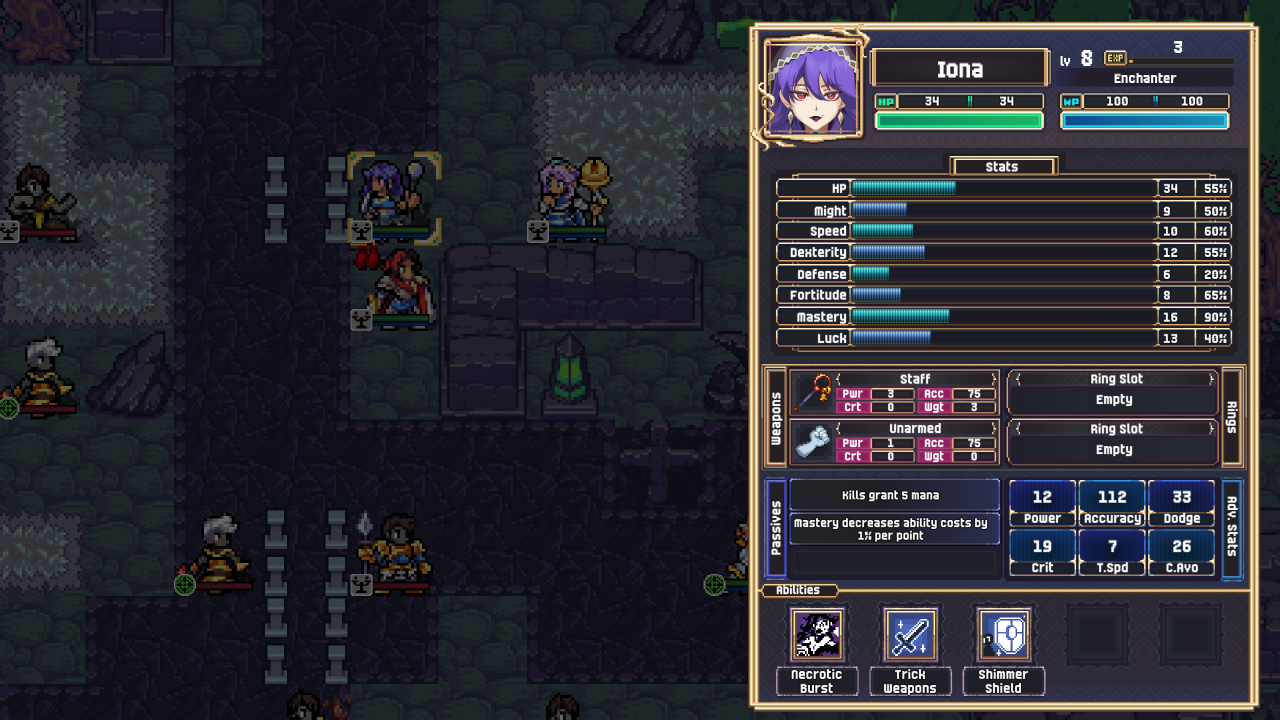
- 28 Unique Playable Units: A diverse roster of characters, each with their own backstories and motivations, will be available for recruitment.
- 74 Distinct Classes: The class-change system—a staple of the series—is being significantly expanded to allow for deep customization.
- 100+ Weapons: The gear system is being overhauled to provide more meaningful progression, moving beyond simple stat increases to offer tactical utility.
- 60+ Build-Defining Rings: This inclusion adds a new layer of complexity, allowing players to create "broken" or highly specialized character builds, emphasizing the "sandbox" nature of the game’s combat.
This level of mechanical density suggests that the developers are leaning heavily into the player-freedom aspect that defined the series’ recent success. The emphasis is clearly on replayability—encouraging players to restart and experiment with different class and ring combinations.
Official Responses and Developer Intent
In a detailed "Letter from the Developer" released alongside the announcement, the team at Sword & Axe addressed the community directly. They framed Dark Deity 3 as a love letter to the fans who have stuck with them since the first game.
The developers noted that the creative challenge of this final chapter was balancing the "high-fantasy stakes of an apocalypse" with the "intimate, character-driven moments" that players have come to expect from the series. By focusing on the Sildairan siblings, the team hopes to ground the massive, world-ending threats in a story of family, duty, and sacrifice.
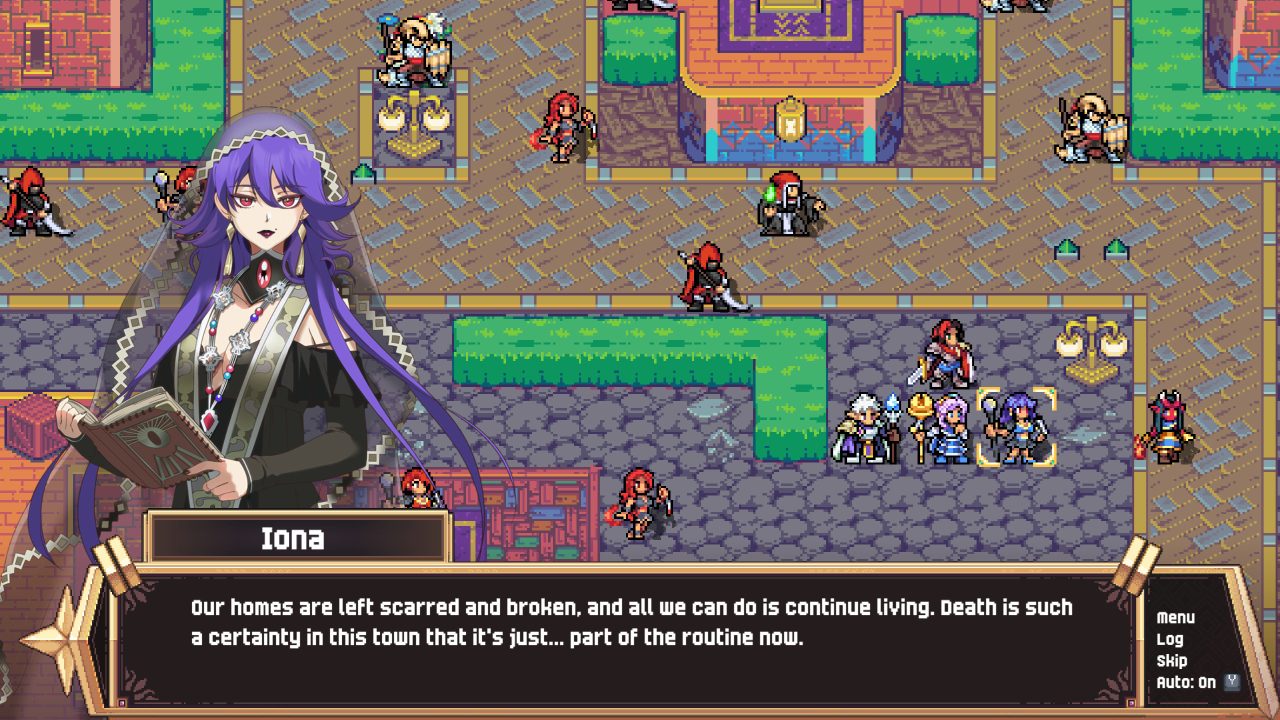
The developers have also acknowledged the community’s desire for technical polish, promising that the game will launch with a refined engine that improves upon the performance stability of the previous entries. They are explicitly targeting the "strategy RPG purist" who enjoys both the narrative weight of a campaign and the mechanical freedom of a deep tactical system.
Implications: Where Does the Genre Go From Here?
The announcement of Dark Deity 3 carries several implications for the tactical RPG genre and the future of independent development.
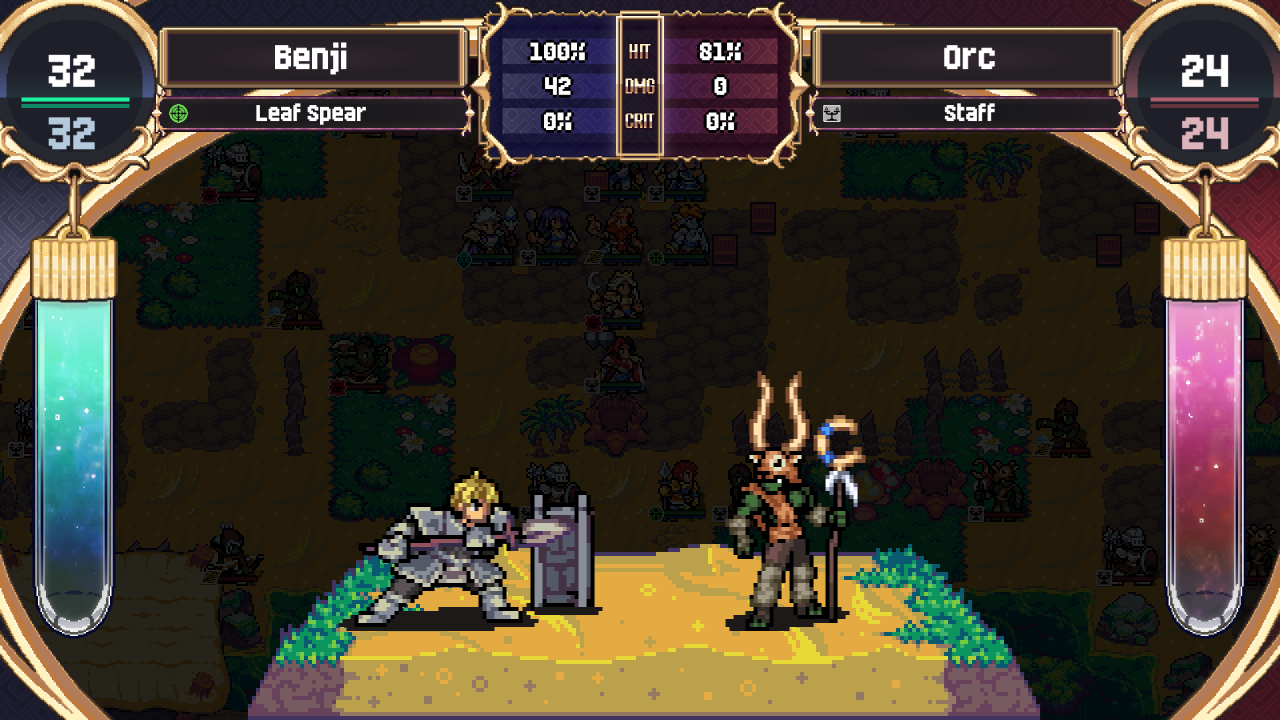
1. The Rise of the Indie Tactical RPG
The Dark Deity series serves as a primary example of how independent studios can successfully iterate on established formulas. By refusing to abandon their project after a lukewarm first outing, Sword & Axe has built a franchise that now commands genuine market attention. This sends a signal to other indie developers that persistence and responsiveness to community feedback can lead to long-term success.
2. The Power of the "Standalone Sequel"
By keeping the series focused on a single setting (Terrazael) while simultaneously iterating on the gameplay, the developers have created a "living world." The implication for fans is that they are being treated as participants in a long-form story, rather than just consumers of episodic content. If Dark Deity 3 succeeds, it may set a new standard for how indie RPGs handle narrative continuity across multiple titles.
3. Future Platform Potential
Currently, Dark Deity 3 is slated for a PC release via Steam. However, the shadow of the Nintendo Switch looms large over this announcement. Given that the previous two titles made the jump to Nintendo’s handheld, there is a strong expectation among the fanbase that a port will be announced. The technical requirements of the game’s pixel-art style are perfectly suited for handheld play, and the history of the series suggests that the developers are committed to accessibility.
Conclusion: A Must-Watch for Strategy Fans
As the hype cycle begins, Dark Deity 3 is positioned as a potential titan of the indie strategy scene. It manages to balance the nostalgia of GBA-era tactical design with the modern expectations of complex, multi-layered gameplay.
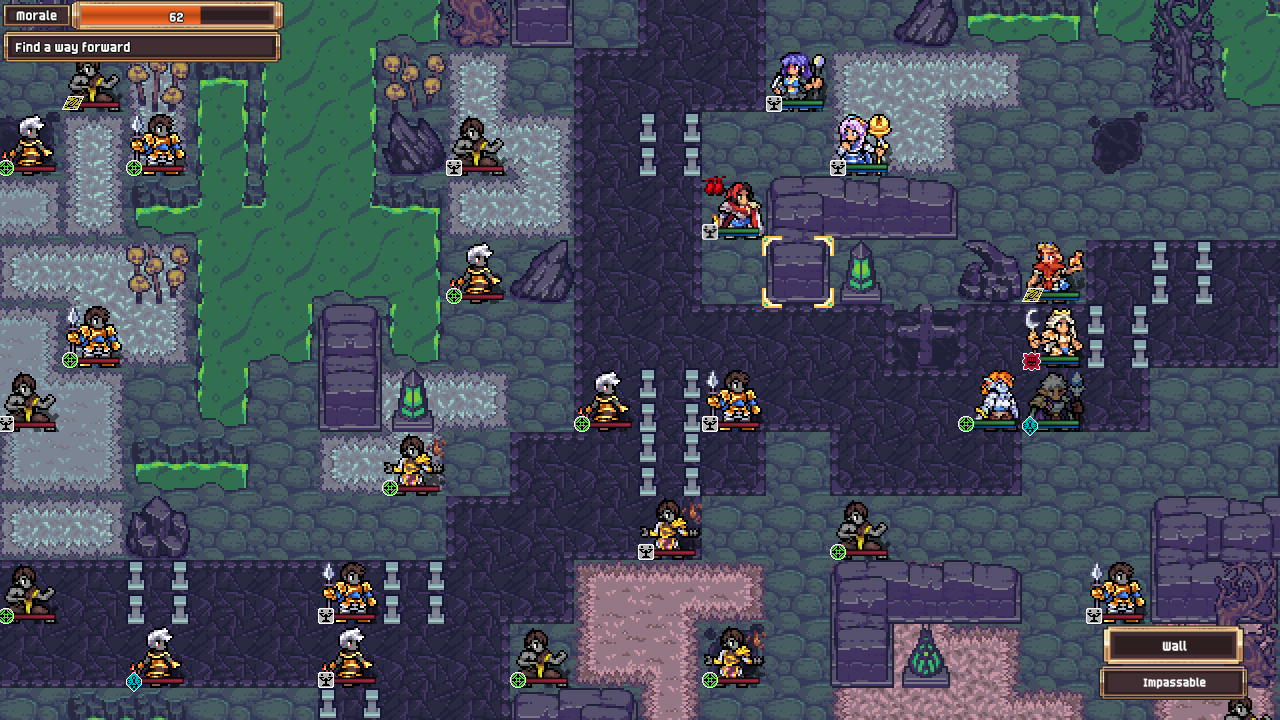
While the exact release date remains a mystery, the sheer volume of assets—including the trailers and screenshots—suggests that the game is well into its development cycle. For those who have yet to dive into the series, now is the time to catch up. Whether you are a newcomer intrigued by the promise of deep unit customization or a veteran of the series eager to see how the story of the Eternal Order ends, Dark Deity 3 is a title that deserves a spot on your watchlist.
As we await further news, one thing is certain: when the apocalypse finally hits the world of Terrazael, the burden of salvation will rest squarely on the player’s ability to master the battlefield. Keep your eyes locked on the Dark Deity social channels and the official Steam page for further updates on this highly anticipated conclusion.


 Asro
Asro
 Muslim