Raul Delapena Setiawan
For over two decades, NCIS has stood as the bedrock of CBS’s procedural dominance. As the network’s longest-running scripted drama, the show has weathered cast departures, leadership shifts, and the evolving landscape of modern television. However, the 2025-2026 TV cycle proved to be a pivotal juncture for the series. Following several years characterized by an identity crisis and a somewhat aimless narrative trajectory, NCIS finally appears to have navigated its way out of a creative "dark tunnel."
While the season was largely successful in solidifying the chemistry of the current Major Case Response Team (MCRT) under the steady hand of Alden Parker, it was the shocking, high-stakes conclusion of the season 23 finale that truly redefined the show’s future. Specifically, the episode served as a long-overdue lifeline for Sean Murray’s Timothy McGee, effectively preventing the veteran agent from fading into bureaucratic stagnation and setting the stage for a compelling new chapter.

The Core Conflict: McGee’s Mid-Career Stagnation
For years, the character of Timothy McGee—once the wide-eyed "Probie"—has been the moral and intellectual anchor of the team. Yet, in the eyes of many long-time fans, McGee had become a victim of his own consistency. After the departure of iconic figures like Leroy Jethro Gibbs and the team’s subsequent transitions, McGee often felt sidelined.
Despite his technical brilliance and deep knowledge of the agency, he remained in a holding pattern. The most glaring example of this narrative inertia occurred when the character was passed over for the Deputy Director position—a development that sparked significant speculation about a potential departure for the character. Whether he was exploring post-agency opportunities like device patents or revisiting his literary alter ego, "Thom E. Gemcity," the show seemed to be subtly preparing an exit ramp for Murray. The season 23 finale, however, forcefully shut that door, locking McGee back into the heart of the action through a deeply personal crisis.

Chronology of a Crisis: The "Sons and Daughters" Twist
The season 23 finale, titled "Sons and Daughters," functioned less as a traditional procedural case and more as a character study in high-stress environments. While the team was preoccupied with the legacy of the late Director Leon Vance in the wake of Gabriel LaRoche’s return, the narrative spotlight fell squarely on the relationship between McGee and his son, Matteo.
McGee’s arc throughout the season was defined by his attempts to bridge the gap of the 18 years he missed in his son’s life. The plan was simple: show Matteo the ropes at the Navy Yard, secure him an internship, and forge a professional bond that mirrored his own career path. The heartbreak was immediate and palpable when it became clear that Matteo possessed no interest in following in his father’s footsteps.
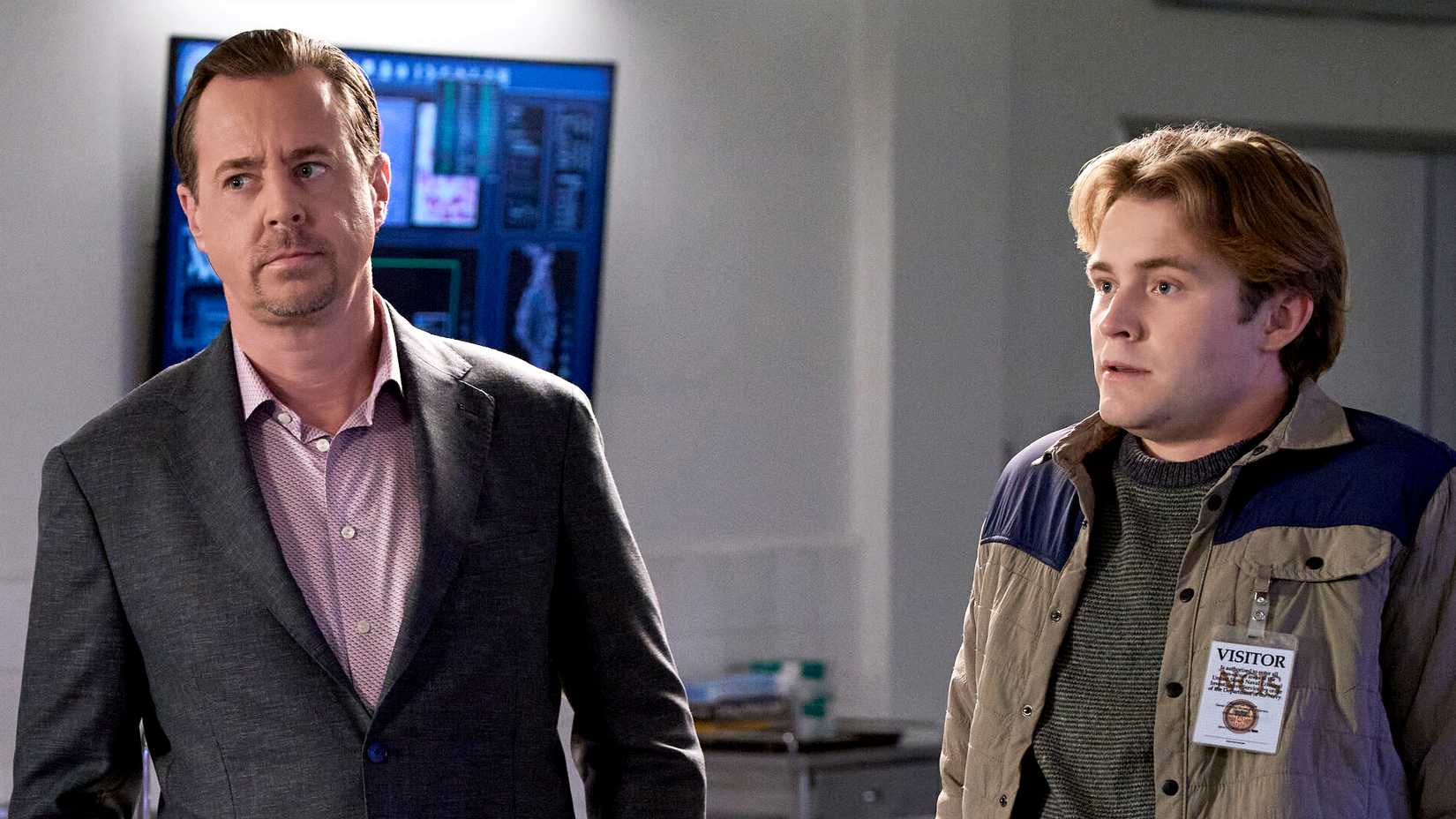
This emotional rejection set the stage for the episode’s explosive final act. As tensions boiled over, a high-stakes confrontation involving Nick Torres and an unknown adversary resulted in a shootout that left the audience on a cliffhanger. By forcing McGee into a position where he must fight not only for his team but for the safety and future of his son, the writers effectively removed the "stagnation" label that had dogged the character. McGee is no longer just an agent waiting for a promotion; he is a father in the thick of a personal and professional firestorm.
Supporting Data: Why This Twist Matters
The structural importance of this twist cannot be overstated. In procedural television, characters often fall into a "maintenance mode," where they perform their roles reliably but rarely undergo fundamental shifts in motivation.
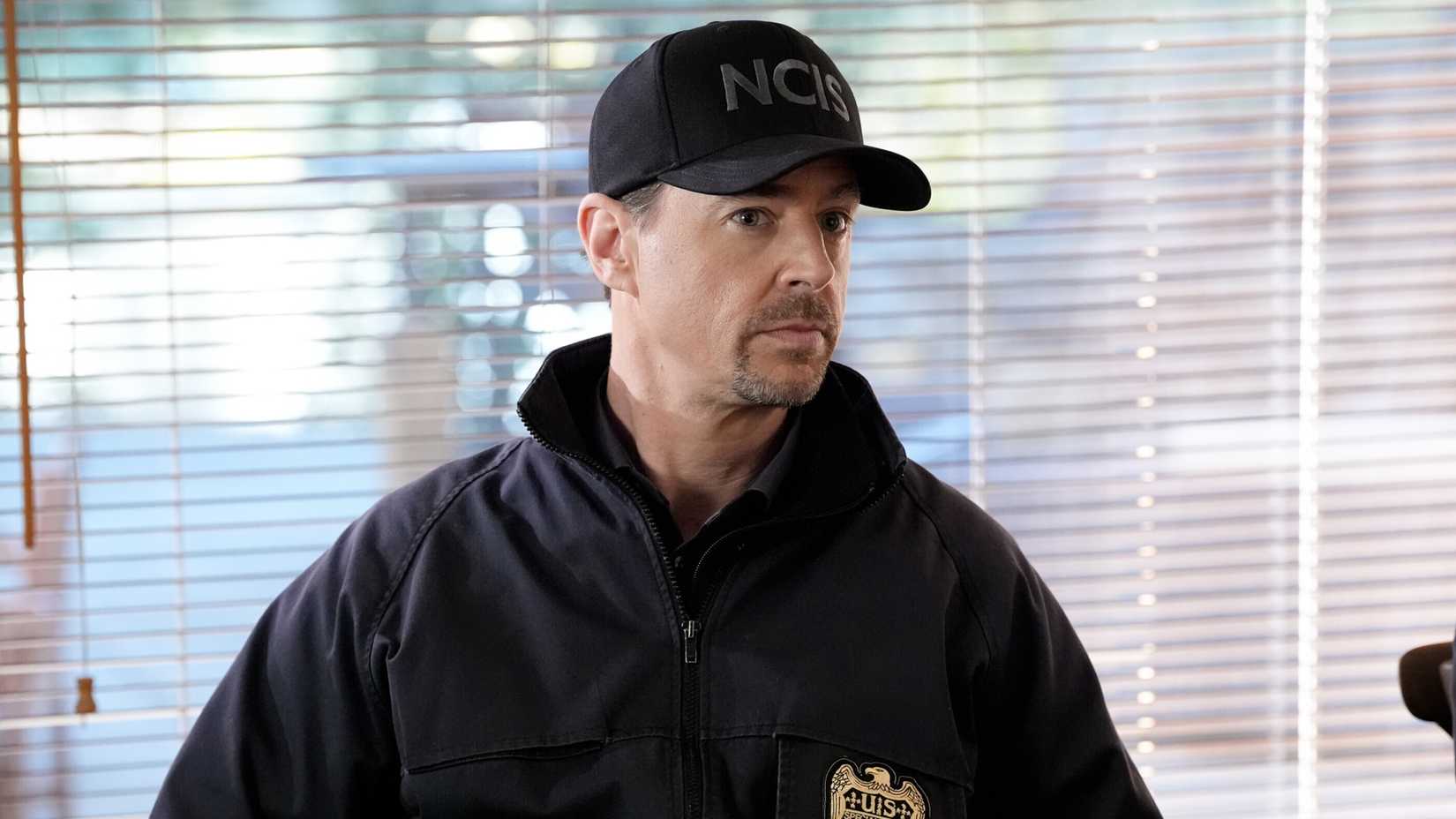
- The Narrative Shift: By moving the conflict from the conference room to the family unit, the show has bypassed the "Deputy Director" subplot that had become a narrative dead end.
- Purpose-Driven Agency: McGee’s motivation is now tethered to a living, breathing, and potentially endangered family member. This adds a layer of vulnerability that had been missing since the character was younger and less experienced.
- The "Legacy" Factor: The show has spent years establishing McGee as the successor to the agency’s greatest traditions. By forcing him to mentor (or fail to mentor) his own son, the writers are forcing him to confront what his legacy actually looks like.
The Implications for Season 24
As we look toward NCIS season 24, the implications of the finale are clear: Timothy McGee is moving to the forefront of the show’s storytelling. The cliffhanger involving the shootout ensures that the first few episodes of the upcoming season will be deeply focused on the fallout of this event.
Furthermore, this development provides a structural solution to a long-term problem. For years, there has been a lingering question regarding who would eventually lead the agency. By focusing on his personal life and his internal conflict regarding his son, the show is subtly priming the audience for a more mature, leadership-oriented version of McGee. He is no longer just a player in the game; he is becoming the game itself. The illegal activities involving Matteo will necessitate a deeper, more personal investigation, one that will likely require McGee to balance his federal mandate with his paternal instincts—a classic NCIS trope that rarely fails to deliver high-quality drama.

Official Perspectives and Behind-the-Scenes Context
While official statements from the production team remain guarded regarding the specific fate of characters involved in the cliffhanger, the behind-the-scenes sentiment has been one of rejuvenation. Showrunners have noted that the 2025-2026 season was designed to "find the heart of the agency again."
The focus on the "new" MCRT under Alden Parker has been a calculated attempt to balance the heavy, case-of-the-week procedural format with the character-driven depth that defined the series’ golden years. By integrating the personal, often messy lives of the agents back into the case files, the creative team is signaling a move away from the sterile, purely analytical episodes that characterized the "identity crisis" years.

The Future of the Franchise
The timing of this pivot is particularly critical. With the NCIS franchise expanding through new spin-offs and marketing campaigns, the flagship show needs to remain the gold standard. A stagnant McGee would have been a liability to this mission. Instead, by investing in his personal stakes, the producers have ensured that the most veteran member of the MCRT remains the most compelling.
As the series heads into its 24th season, the goal is clear: to evolve without losing the core tenets that made the show a global phenomenon. Timothy McGee, once the junior agent trying to prove himself, has evolved into the central pillar of the organization. Whether or not he eventually takes the Director’s chair remains a question for the future, but for now, his journey is more essential, more dangerous, and more engaging than it has been in years.

Fans of the show should expect a high-octane premiere for season 24, as the resolution of the shootout will not only define the immediate safety of the team but also set the tone for a season that promises to be a defining moment in the history of one of television’s most enduring institutions. The "dark tunnel" may be behind them, but for McGee, the path forward is just beginning to take shape.


 Nana Wu
 Layla Zulfa