Rifan Muazin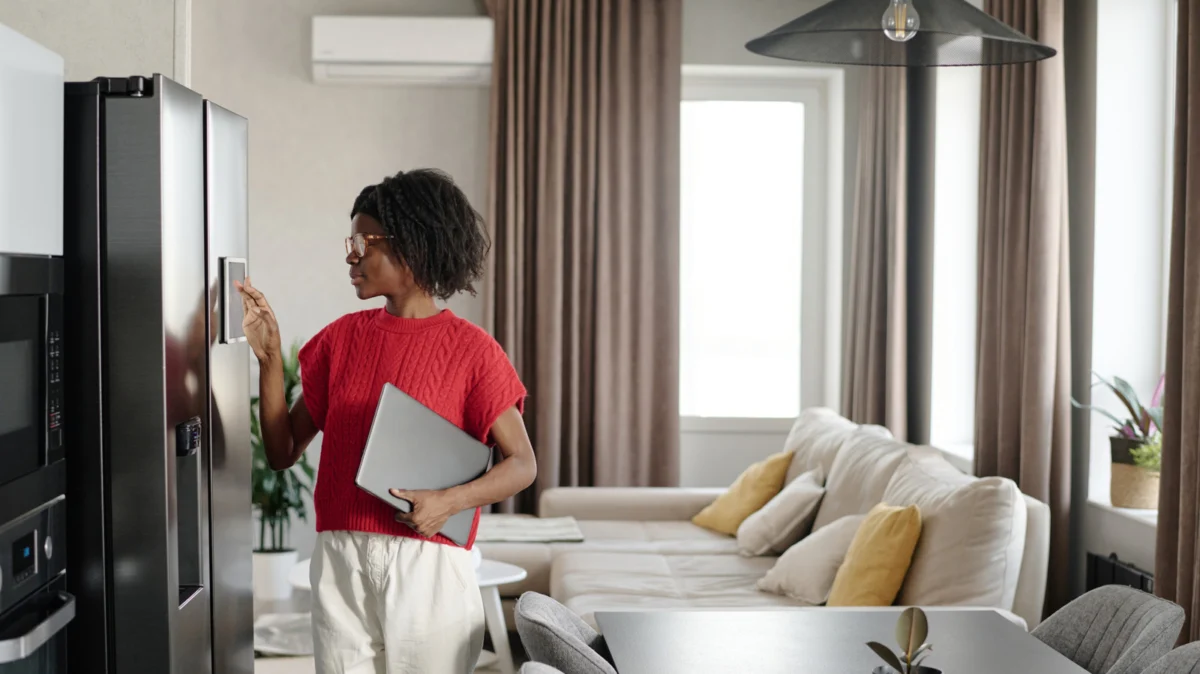
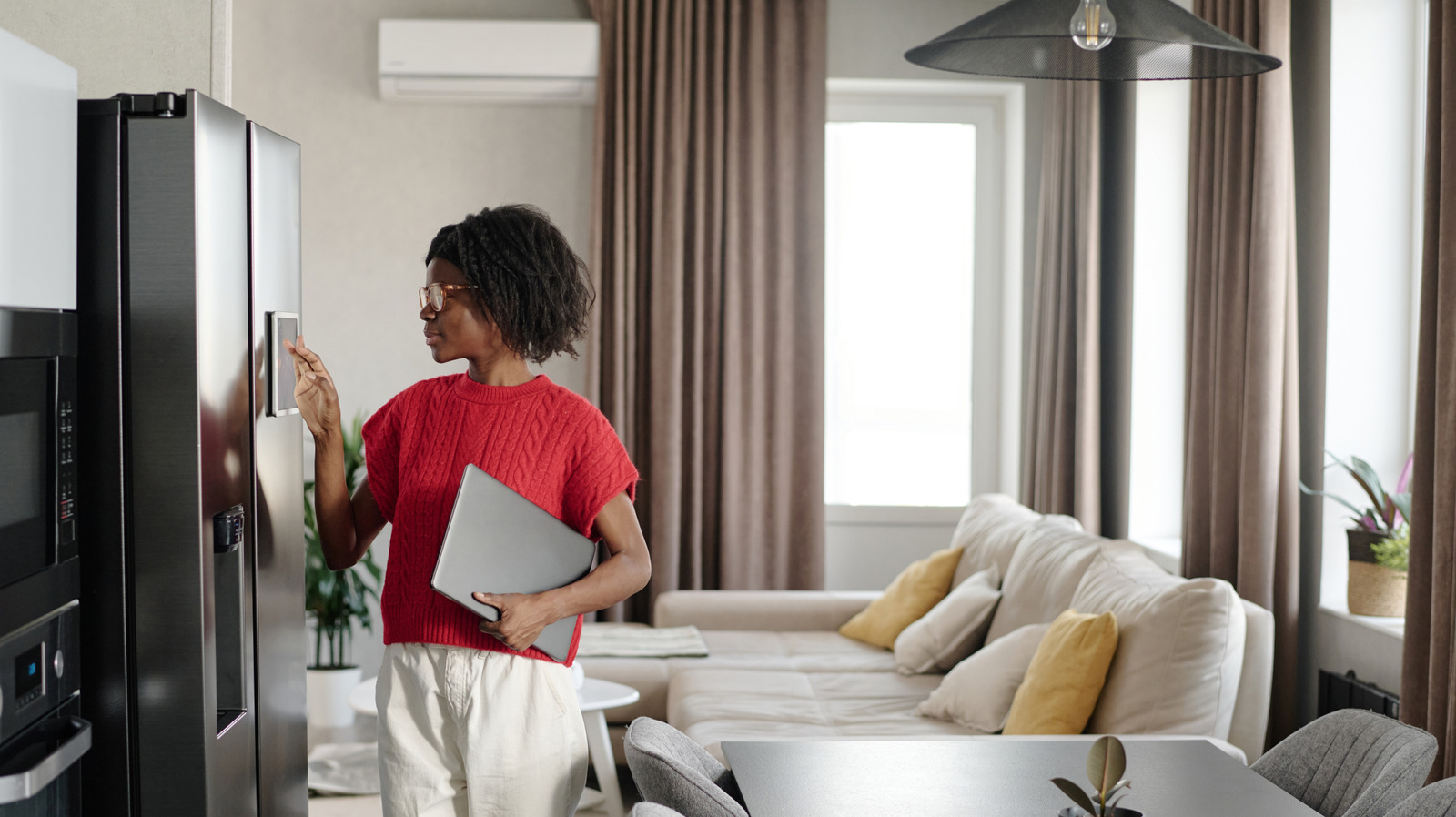
In an era defined by the "Internet of Things" (IoT), our kitchen appliances are undergoing a radical metamorphosis. What was once a simple, reliable cooling box is now a sophisticated hub of artificial intelligence, high-resolution touchscreens, internal cameras, and cloud-connected mobile applications. These modern marvels promise to revolutionize the domestic experience by automating grocery procurement, tracking food expiration dates, generating culinary recipes, and even managing energy consumption to lower utility bills.
However, beneath the sleek chrome exterior and the promise of a futuristic lifestyle lies a ticking clock. For many consumers, the purchase of a Wi-Fi-enabled refrigerator is the beginning of a countdown toward "digital obsolescence"—a phenomenon where an appliance remains physically functional but becomes intellectually and securely compromised. As software support ends, the high-tech butler you invited into your home may quickly turn into a digital liability.
The Mirage of Longevity: Main Facts and Industry Trends
For decades, the standard for a home refrigerator was a lifespan of 10 to 15 years. It was a "buy it once and forget it" investment. Yet, according to a recent survey by Consumer Reports, the integration of complex software ecosystems has fundamentally shifted the value proposition of these appliances. When a manufacturer decides to cease software updates, the "smart" features that justified a premium price tag often degrade, vanish, or become entirely non-functional.
Unlike a mechanical motor or a cooling compressor, software support is tethered to the fiscal priorities of the manufacturer. Once a company decides that a model is "legacy," the servers that provide the cloud connectivity are often shuttered. This creates a scenario where the appliance is artificially forced into retirement, not because the hardware has failed, but because the software environment has been abandoned by its architect.
A Timeline of Neglect: The Chronology of Support
The lifecycle of a smart appliance is rarely clearly defined for the consumer at the point of sale. To understand the trajectory of these devices, we must look at the typical stages of a product’s life:
- The Golden Years (Years 0–3): The device receives regular firmware updates, security patches, and new feature rollouts. The user experience is optimized, and the integration with third-party apps (like Instacart or smart home ecosystems) is seamless.
- The Maintenance Phase (Years 3–5): Updates become infrequent, focusing primarily on critical security vulnerabilities. New features are reserved for newer, more expensive models, and the device begins to feel "dated" in terms of its user interface.
- The "End-of-Life" (EOL) Announcement (Year 5+): The manufacturer issues a notification that software support will cease. This is the inflection point where the appliance begins its transition toward becoming a "zombie" device.
- The Post-Support Era: The device remains powered on, but it no longer receives security patches. Cloud-dependent features, such as remote temperature control or integrated shopping, may cease to function entirely, leaving the consumer with a complex, potentially insecure machine.
Supporting Data: The Regulatory Vacuum
The lack of transparency regarding software longevity is a significant consumer protection issue. A 2025 Federal Trade Commission (FTC) report highlighted a startling lack of accountability in the sector: 89% of smart device manufacturers fail to disclose clear software support timelines to prospective buyers.
The industry data provided by organizations like Consumer Reports confirms this "smart-to-dumb" transition is widespread. Of the 21 major brands surveyed, only three provided a written guarantee of support for a specific, extended period. Samsung has made strides by offering a seven-year commitment on certain models, while companies like GE operate under more restrictive licensing agreements, often capping support at five years post-release or two years post-purchase, whichever is longer.
This creates an environment of profound uncertainty. If a consumer purchases a high-end, $3,000 smart fridge, they are effectively entering into a rental agreement for the software functionality, rather than a permanent ownership stake.
Official Responses and Corporate Responsibility
When questioned about the lifespan of their devices, manufacturers often point to the complexity of maintaining legacy software. Updates must be tested across various hardware revisions, and as internal components age, the overhead of maintaining cloud compatibility increases.
However, critics argue that this is a design flaw. By building appliances that are strictly dependent on proprietary cloud servers, manufacturers have created a system where they hold the "off" switch for your home’s infrastructure. Industry representatives suggest that consumers should view smart appliances as "consumer electronics" rather than "durable goods," effectively moving them into the same category as smartphones.
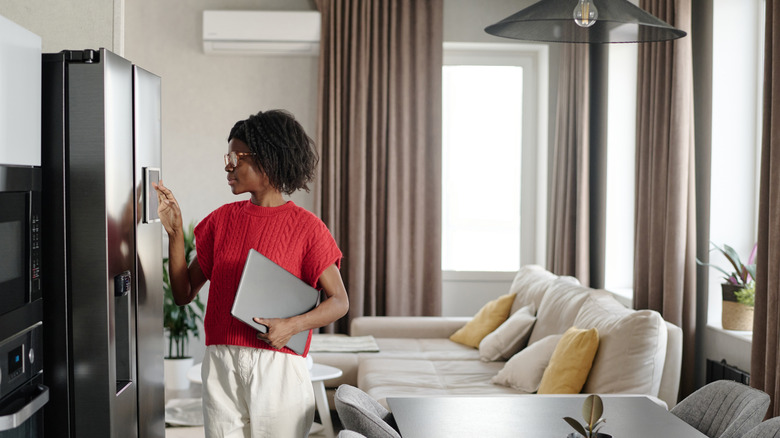
The disconnect here is the price point: consumers are conditioned to replace a $800 phone every three years, but they are not prepared to replace a $4,000 refrigerator on the same schedule. This clash of expectations is where the consumer frustration originates.
The "Zombie" Appliance: Implications for the Home
What exactly happens when the support ends? It is not merely that your fridge stops playing music or ordering groceries. The reality is more nuanced and often more disruptive:
1. Functional Degradation
Many modern fridges rely on cloud connectivity to perform basic tasks. If the software is no longer updated, API connections to grocery services or smart home hubs may break. In some cases, the internal UI becomes sluggish or crashes frequently because it is running on an outdated OS that is no longer optimized for modern network protocols.
2. The Hardware-Software Trap
Because IoT refrigerators contain integrated circuit boards, proprietary sensors, and specialized cameras, they are notoriously difficult to "jailbreak" or update manually. When a manufacturer stops supporting the system, you cannot simply install a new operating system. You are stuck with the hardware as it exists in its final, unsupported state.
3. The Security Paradox: A Hacker’s Delight
Perhaps the most dangerous implication is the security risk. A smart fridge is essentially a computer connected to your home Wi-Fi. It shares a network with your laptops, your tablets, and your private data.
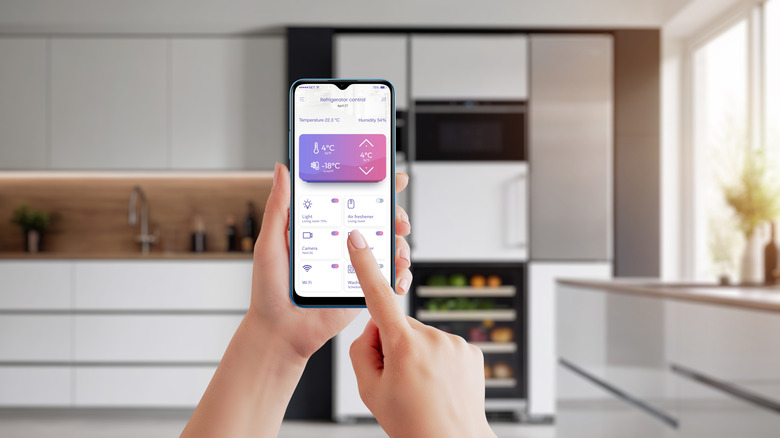
When a manufacturer stops pushing security patches, the device becomes a "known vulnerability." Hackers utilize automated scripts to scan the internet for devices running outdated, unpatched firmware. Once a fridge is compromised, it can be used as an entry point into your home network. From there, malicious actors can:
- Exfiltrate Data: Accessing your network allows them to snoop on traffic and steal credentials.
- Weaponize Peripherals: Hijack the integrated cameras and microphones for surveillance.
- Botnet Recruitment: Integrate your fridge into a massive, distributed network of "zombie" devices.
In a chilling example of the scale of this threat, international authorities recently dismantled a botnet consisting of over three million infected IoT devices. These devices were used to conduct Distributed Denial of Service (DDoS) attacks against government infrastructure. Your humble kitchen appliance, if left unpatched, could inadvertently become a foot soldier in a global cyberwar.
Moving Toward a Sustainable Future
The "smart home" revolution is currently in its Wild West phase. As consumers, the burden of proof currently lies with us to investigate the support policies of every appliance we buy. Before purchasing, consumers should:
- Demand Documentation: Look for a "Software Support Statement" from the manufacturer.
- Prioritize Local Control: Favor devices that offer local API control, which are less dependent on manufacturer-maintained cloud servers.
- Budget for Replacement: Recognize that a smart appliance is not a lifetime investment. If it cannot be updated, it will eventually become a security liability.
Ultimately, the industry must move toward standardized, longer-term support agreements. Until manufacturers are held accountable for the entire lifecycle of the devices they sell, the "smart" in smart fridge will continue to be a temporary state, followed by a long, cold, and potentially dangerous decline. The convenience of an automated kitchen is appealing, but we must ask ourselves: is the price of that convenience worth the cost of replacing your entire kitchen ecosystem every few years? For now, the answer remains a cautious, and perhaps skeptical, "proceed with care."

 Jia Lissa
 Neng Nana