Lina Irawan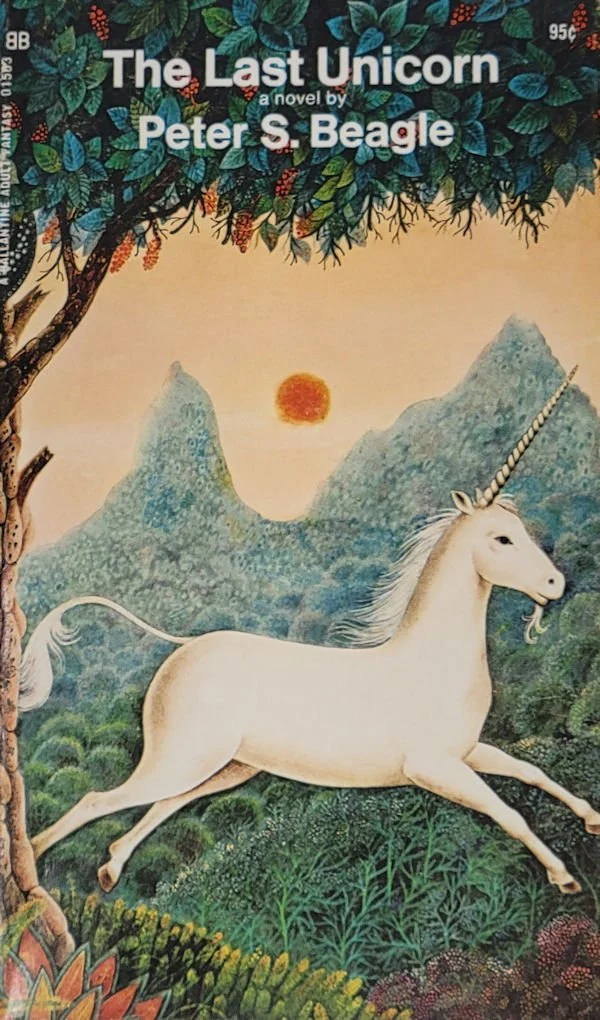
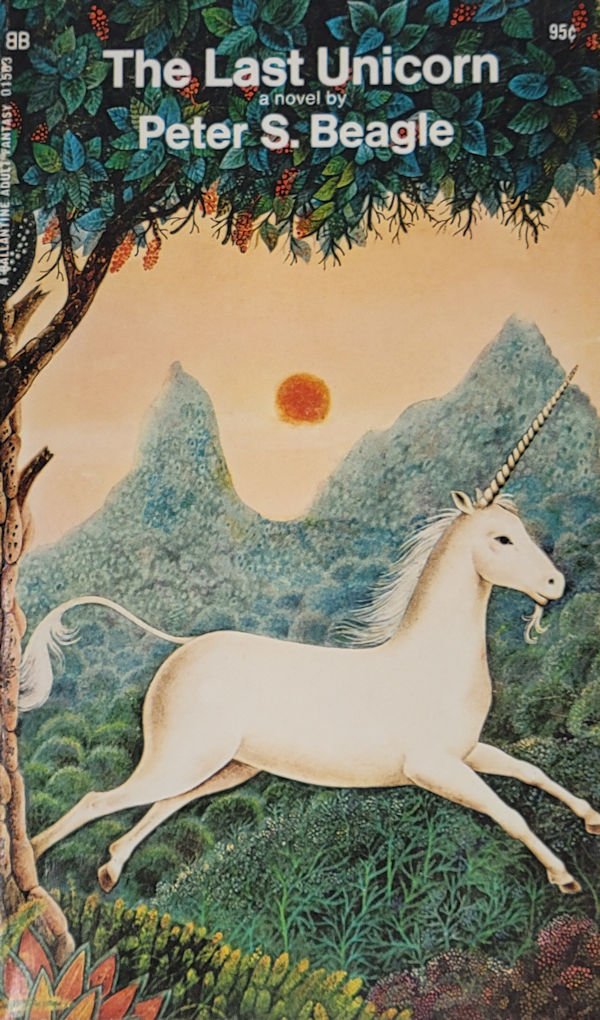
In the expansive landscape of fantasy literature, few works possess the enduring resonance of Peter S. Beagle’s The Last Unicorn. While the 1982 animated adaptation remains a cult classic, the source material—a slim, deceptively simple novel—offers a depth of philosophical inquiry that far exceeds the bounds of traditional genre fiction. For many readers, the book is a gateway, often encountered in youth, yet it is only upon a mature re-reading that the true brilliance of Beagle’s prose and the gravity of his themes become fully apparent.
Main Facts: A Tale of Mortality and Myth
At its surface, The Last Unicorn follows a classic quest structure: a unicorn, learning she is the last of her kind, ventures out of her protected lilac wood to find her kin. Along the way, she encounters a bumbling magician, Schmendrick, and a cynical, weary woman named Molly Grue. Together, they navigate a world dominated by the shadow of King Haggard and the terrifying Red Bull.
However, to categorize the novel merely as a fantasy quest is to overlook its primary function as a meditation on the human condition. Beagle uses the juxtaposition of an immortal, unchanging creature and the fragile, ephemeral nature of human existence to probe the anxieties that define our lives. The novel poses uncomfortable questions: Is our pursuit of happiness merely a societal construct? Does time ever truly offer us enough space to achieve our potential, or are we, like Schmendrick, doomed to a state of perpetual, inefficient longing?
Chronology: The Evolution of a Classic
First published in 1968, The Last Unicorn arrived at a time when the fantasy genre was shifting from the rigid morality of high fantasy toward a more nuanced, internal exploration of character.
- The 1960s Conception: Beagle, then a young writer, sought to capture the feeling of a fairy tale while subverting its tropes. Unlike the rigid, heroic archetypes of the era, his characters were defined by their failures, their age, and their regrets.
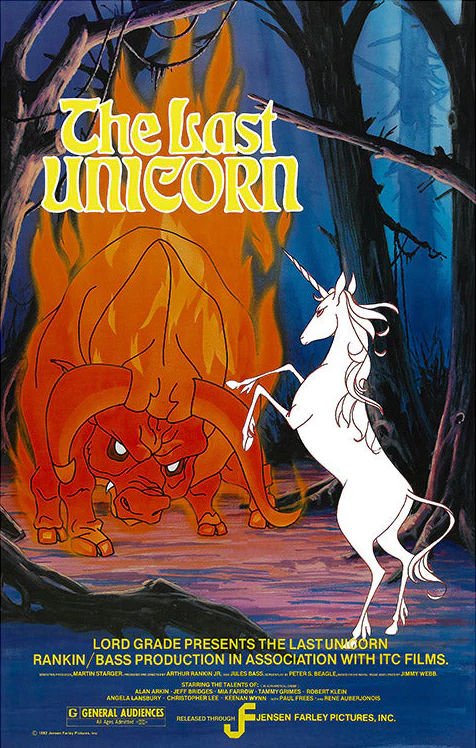
- The 1982 Cultural Shift: The release of the animated film brought the story to a global audience. While the film captured the whimsy of the original, it also underscored the darker, more melancholic undercurrents of the book.
- Modern Re-evaluation: Today, the novel is widely regarded as a cornerstone of the genre. Readers who may have struggled with the density of the prose in childhood often find, upon returning to the text as adults, that the "elegance of the writing" acts as a vessel for profound existential truths.
Supporting Data: The Anatomy of Despair and Hope
Beagle’s mastery lies in his ability to present characters who are unfulfilled, mapping out the potential despair of a life lived without purpose. Through four primary archetypes, he dissects the human experience:
The Futility of Incompetence: Schmendrick the Magician
Schmendrick is the embodiment of wasted potential. Cursed with immortality and ineptitude, he represents the tragedy of living without achievement. As Beagle notes in the text, Schmendrick is "inhabited by a greater power" that he cannot access. His journey is not one of gaining strength, but of learning how to "come to himself." He serves as a mirror for the reader, reflecting the fear that we are simply passing time without ever truly engaging with our own latent capabilities.
The Weight of Regret: Molly Grue
If Schmendrick represents the fear of a wasted life, Molly Grue represents the agony of lost time. When she encounters the unicorn, her reaction is one of raw, visceral pain: "Where were you twenty years ago?" Her lament captures the universal fear that life has passed us by, leaving us with a "yellowing heart." Molly’s arc is essential because it validates the reader’s own fears regarding aging and the closing of doors.
The Paranoia of Possession: King Haggard vs. Prince Lír
The juxtaposition of King Haggard and his son, Prince Lír, provides a critique of human motivation. Haggard, the ultimate collector, believes that possession equates to fulfillment. He surrounds himself with unicorns yet finds only hollowness and paranoia. Conversely, Lír learns that true fulfillment is found not in acquisition, but in service—in loving something enough to want to protect it, rather than own it.
Official Responses and Literary Significance
Literary critics have long pointed to The Last Unicorn as a landmark text for its deconstruction of the "hero’s journey." Unlike standard fantasy, where the hero triumphs through might, the "victory" in Beagle’s world is moral and emotional.
In discussions regarding the book’s legacy, experts often highlight the author’s unique voice—a blend of lyrical beauty and sharp, modern cynicism. The book does not shy away from the harshness of reality; instead, it uses the fantasy elements as a lens to focus that reality. By making the unicorn mortal, Beagle asserts that beauty is inextricably linked to death. As the novel famously posits: "Whatever can die is beautiful—more beautiful than a unicorn, who lives forever." This thesis serves as the emotional bedrock of the story, transforming it from a simple fairy tale into a profound philosophical treatise.
Implications: Why the Story Demands a Re-read
The implications of Beagle’s work are clear: fantasy is not an escape from reality, but a way to confront it. By presenting themes of aging, the fear of death, and the search for meaning in a world that feels increasingly hollow, the book maintains a timeless relevance.
The Power of Prose
Beyond its themes, the novel stands as a triumph of style. Beagle’s writing is marked by a "fairytale" quality that feels both ancient and immediate. He weaves poetic descriptions of lilac woods and moonlit snow with biting, witty dialogue. This tonal duality prevents the story from becoming overly saccharine or overly bleak. Whether it is a cat refusing to give a straight answer or a profound observation on the nature of persistence, the text is layered with wisdom that reveals itself only upon careful reading.
A Universal Invitation
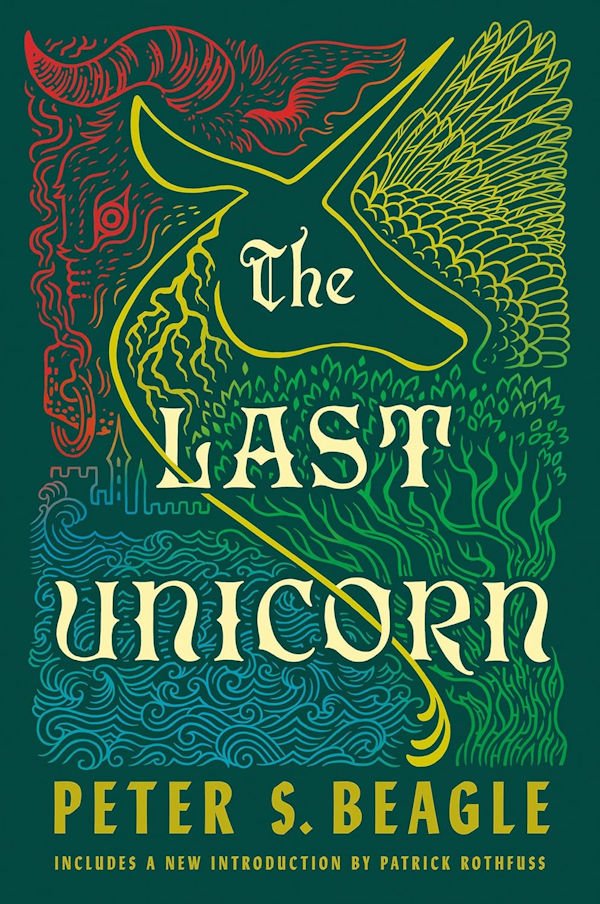
The call to read The Last Unicorn is not merely a recommendation for fantasy fans; it is an invitation for anyone who has ever felt the sting of time or the weight of unfulfilled ambition. It is a story that requires a certain level of life experience to fully appreciate, which is why it rewards the reader who returns to it in their thirties, forties, and beyond.
In conclusion, The Last Unicorn is a mirror. It forces us to confront our own fragility and our own capacity for change. Whether one is drawn to the poetic prose, the sharp wit, or the deep, aching sadness that permeates the narrative, the novel provides a space to reflect on what it means to be alive. To read it is to participate in a shared human experience, one that affirms that while our time is short, the act of living it with purpose, love, and courage is the most beautiful thing of all.
For those who have not yet read it, or for those who haven’t picked it up since their youth: the unicorn is waiting, and she has much to say about the world you have spent your life navigating.

 Neng Nana
 Layla Zulfa