Neng Nana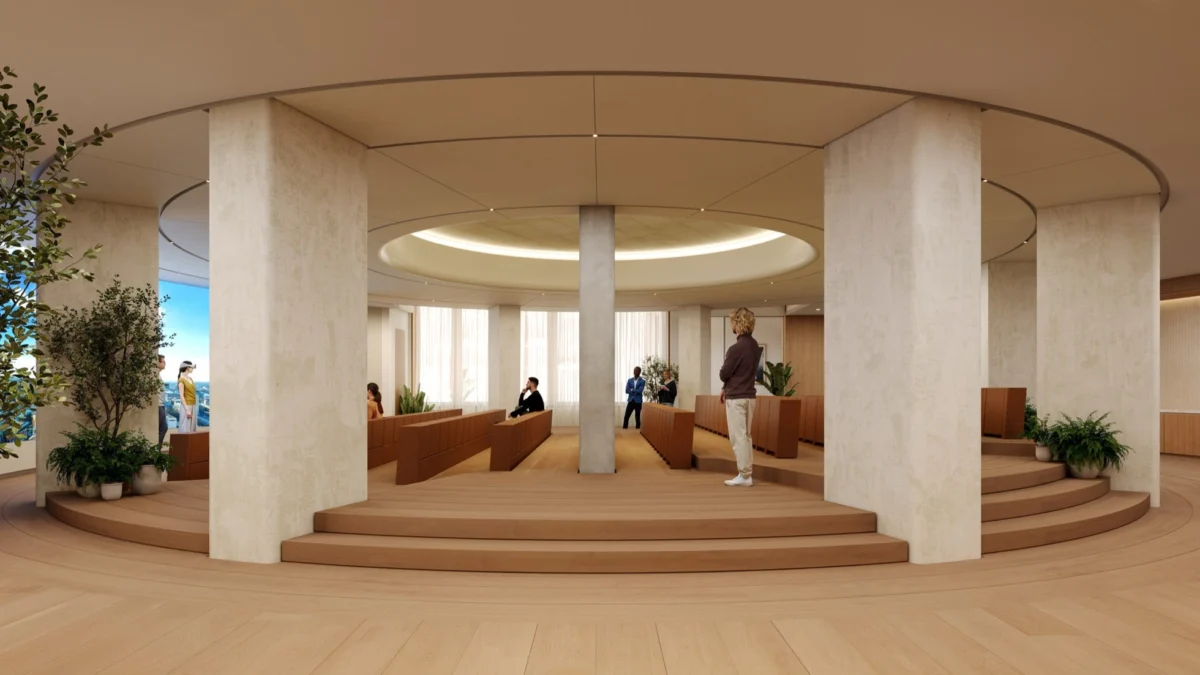
In a strategic maneuver to cement its presence in the European tech ecosystem, Apple has announced the forthcoming opening of its first-ever European Developer Centre. Situated in the heart of Berlin’s vibrant Mitte District, the facility marks a significant milestone in the company’s global outreach, serving as a physical anchor for its vast network of European software engineers, designers, and entrepreneurs.
The Berlin hub, set to launch later this year, is the fifth of its kind worldwide, joining a prestigious roster of existing Apple Developer Centres in Cupertino, Bengaluru, Shanghai, and Singapore. By establishing a permanent foothold in the German capital, Apple is signaling a commitment to fostering local talent, accelerating digital innovation, and providing the infrastructure necessary for the next generation of mobile applications.
The Infrastructure of Innovation: What the Center Offers
The Berlin Developer Centre is not merely an office space; it is designed as a collaborative ecosystem. The facility will be equipped with state-of-the-art consultation areas, dedicated laboratories, and versatile meeting spaces intended for in-person workshops and one-on-one sessions.
The primary objective of the center is to provide developers with the environment required to "hone their skills and elevate the design, quality, and performance of their apps." To achieve this, the center will offer:
- Hands-on Technical Access: Developers will gain direct access to over 250,000 API frameworks, enabling them to leverage the full power of Apple’s software ecosystem.
- Strategic Mentorship: Dedicated consultation zones will allow developers to meet with Apple experts to discuss app architecture, UI/UX design, and optimization strategies for the App Store.
- Specialized Labs: The facility will host hardware and software labs where developers can test their applications across a range of Apple devices, ensuring compatibility and performance benchmarks are met before deployment.
- Community Hub: Beyond technical support, the center is designed as a meeting ground for the local tech community, hosting workshops that address industry trends, market strategies, and the evolving landscape of the digital economy.
Chronology: Building a Global Network of Talent
Apple’s investment in Berlin is the latest chapter in a multi-decade strategy to decentralize its developer support systems. The journey began at Apple’s headquarters in Cupertino, but the company soon realized that to sustain the explosive growth of the App Store, it needed to meet developers where they live and work.
The Global Expansion Timeline
- The Foundation (2008–2015): Following the launch of the App Store, Apple relied heavily on remote support and the Worldwide Developers Conference (WWDC). As the ecosystem grew, the need for localized, year-round support became apparent.
- The International Pivot (2016): Apple inaugurated its first international Developer Centre in Bengaluru, India, signaling a shift toward tapping into emerging tech hubs.
- Deepening the Reach (2017–2021): Apple expanded its reach with centers in Shanghai and Singapore, catering to the massive Asian mobile market. These centers proved that physical hubs significantly increased the quality of applications submitted to the store.
- The European Milestone (2026): After years of strengthening its European presence through the Apple Foundation Programmes in Italy and France, and the ongoing Swift Student Challenge, Apple selected Berlin as the definitive European headquarters for developer relations.
This evolution reflects a transition from a centralized corporate model to a distributed, community-centric model that prioritizes regional accessibility.
Supporting Data: Why Berlin?
Apple’s choice of Berlin is no coincidence. The city has emerged as a premier destination for tech startups, attracting venture capital and a diverse pool of international talent.
According to recent industry data, Germany remains one of the largest markets for mobile application development in Europe. The city of Berlin alone hosts thousands of tech-focused SMEs and startups that rely on the iOS ecosystem for their business models. By placing the center in the Mitte District—Berlin’s historical and technological heart—Apple is placing itself at the epicenter of this growth.
Furthermore, the scale of Apple’s existing investments in Europe provides a solid foundation for this new center. Since the inception of the Apple Foundation Programmes, thousands of students and developers across Italy, France, and beyond have undergone rigorous training in Swift coding and app design. The Berlin centre serves as the natural "graduation" point for these participants, providing a professional environment where they can take their prototypes to market-ready products.
Official Perspectives: Vision and Strategy
The announcement has been met with enthusiasm from within Apple, highlighting the company’s long-term vision for the European market.
Susan Prescott, Apple’s vice president of Worldwide Developer Relations, articulated the philosophy behind the expansion: "Europe is home to an extraordinary community of developers who are building apps that create connections, encourage creativity, and drive innovation."
Prescott emphasized that the physical space is intended to bridge the gap between abstract code and real-world impact. "We have always believed that when developers have the right tools and resources to do their best work, incredible things follow. That belief is what this centre is built on, and we look forward to seeing what the community continues to develop."
Industry analysts note that this move also serves a defensive purpose. With increasing regulatory scrutiny in the European Union regarding app distribution and store policies, the creation of a physical hub provides a platform for Apple to demonstrate its commitment to the developer community and maintain a direct, collaborative relationship with the very people affected by their platform policies.
Implications: A New Era for European Tech
The establishment of the Berlin Developer Centre carries significant implications for the European software industry.
Economic Impact
By providing professional-grade facilities and expert guidance at no cost to the developer, Apple is effectively lowering the barrier to entry for high-quality software development. This is expected to stimulate the local economy, potentially leading to more successful startups, increased employment in the tech sector, and a surge in high-quality apps originating from Europe.
Cultural Integration
Apple’s approach to the center is distinctly local. By integrating the facility into the existing culture of Berlin’s Mitte District, Apple is moving away from the "ivory tower" image often associated with Silicon Valley giants. The center will likely serve as a host for local hackathons, university collaborations, and industry networking events, further embedding Apple into the European cultural fabric.
Long-term Strategic Positioning
The most profound implication is the shift in Apple’s relationship with its European partners. By providing a physical space for dialogue, Apple is opening a channel for direct feedback. This creates a feedback loop where the company can better understand the specific needs and pain points of European developers, potentially leading to more localized API improvements and better-tailored support tools.
Looking Ahead: The Future of the Berlin Hub
As the 2026 launch date approaches, the technology sector is watching closely. The success of the Berlin Developer Centre will likely determine whether Apple replicates this model in other major European cities.
If the center succeeds in its mission to "elevate the design, quality, and performance" of European apps, it will not only solidify Apple’s dominance in the mobile space but also empower a generation of European developers to compete on a global stage. In an era where digital sovereignty and local innovation are becoming increasingly vital, Apple’s investment in the Berlin Mitte District is more than just a real estate acquisition; it is a strategic bet on the future of European software excellence.
As developers prepare to move into the new space, the message from Apple is clear: the tools of the future are being built today, and for Europe’s brightest minds, those tools are now closer than ever before. Whether it is a student just starting their first Swift project or an established studio looking to refine their latest game, the Berlin Developer Centre is poised to become the heartbeat of European digital creation.


 Raul Delapena Setiawan
 Asro
Asro