Ali Ikhwan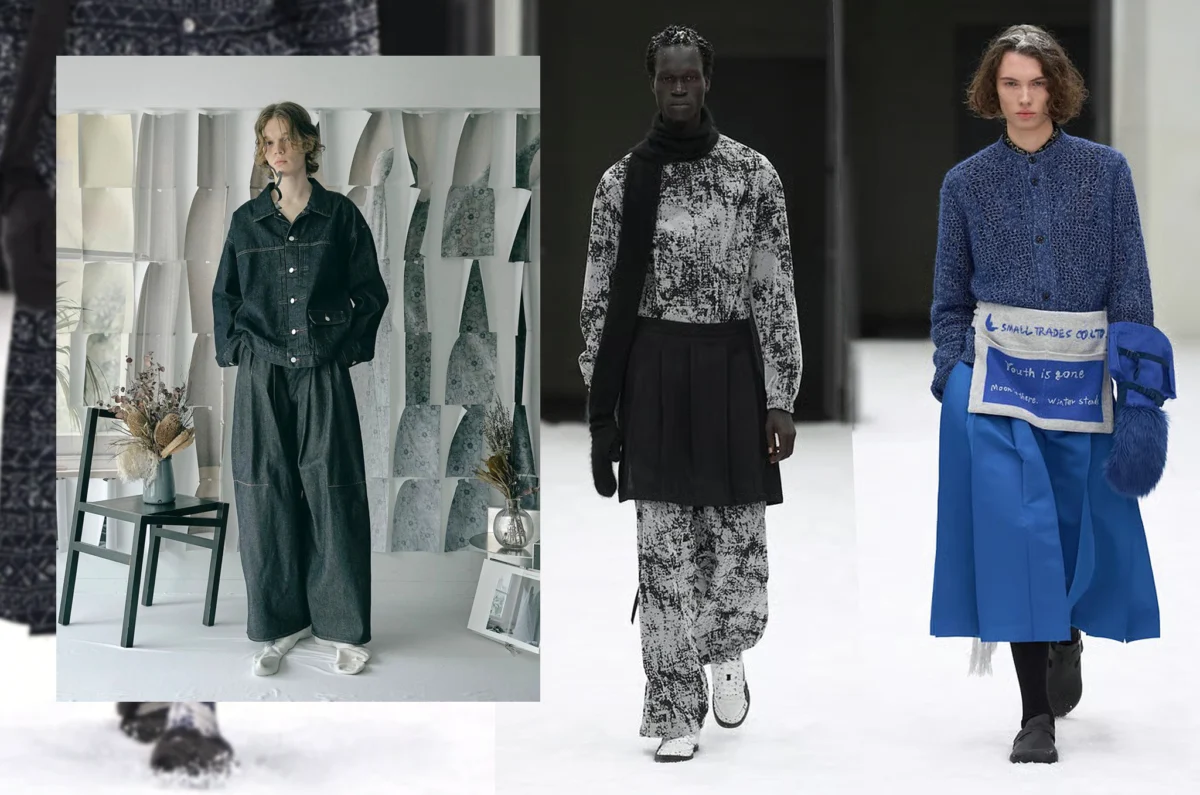
In the shifting landscape of contemporary fashion, the epicenter of menswear innovation has decisively migrated toward Japan. For decades, Tokyo was viewed as a destination for trend-spotters and vintage collectors; today, it is the primary engine of creative production. This shift was underscored this past January at Pitti Uomo in Florence, where presentations by Soshiotsuki and Shinyakozuka captivated the global industry, signaling that the "Made in Japan" label now represents the gold standard of modern tailoring.
From the quiet, atmospheric boutiques of Daikanyama to the high-fashion runways of Paris, labels like Comoli, A.Presse, Auralee, and Ssstein are no longer niche interests. They are the new essential pillars of the discerning man’s wardrobe. This global ascent is not driven by aggressive marketing or logo-mania, but by a radical commitment to the fundamentals: superior fabric, meticulous construction, and a philosophy that prizes longevity over seasonal obsolescence.
The Core Philosophy: Craftsmanship Over Churn
The current dominance of Japanese labels is a direct response to the "fast-fashion" fatigue that has plagued the wider industry for the better part of a decade. While Western conglomerates often prioritize rapid turnover and high-volume, trend-led production, these Japanese designers are engaged in a slower, more deliberate process.
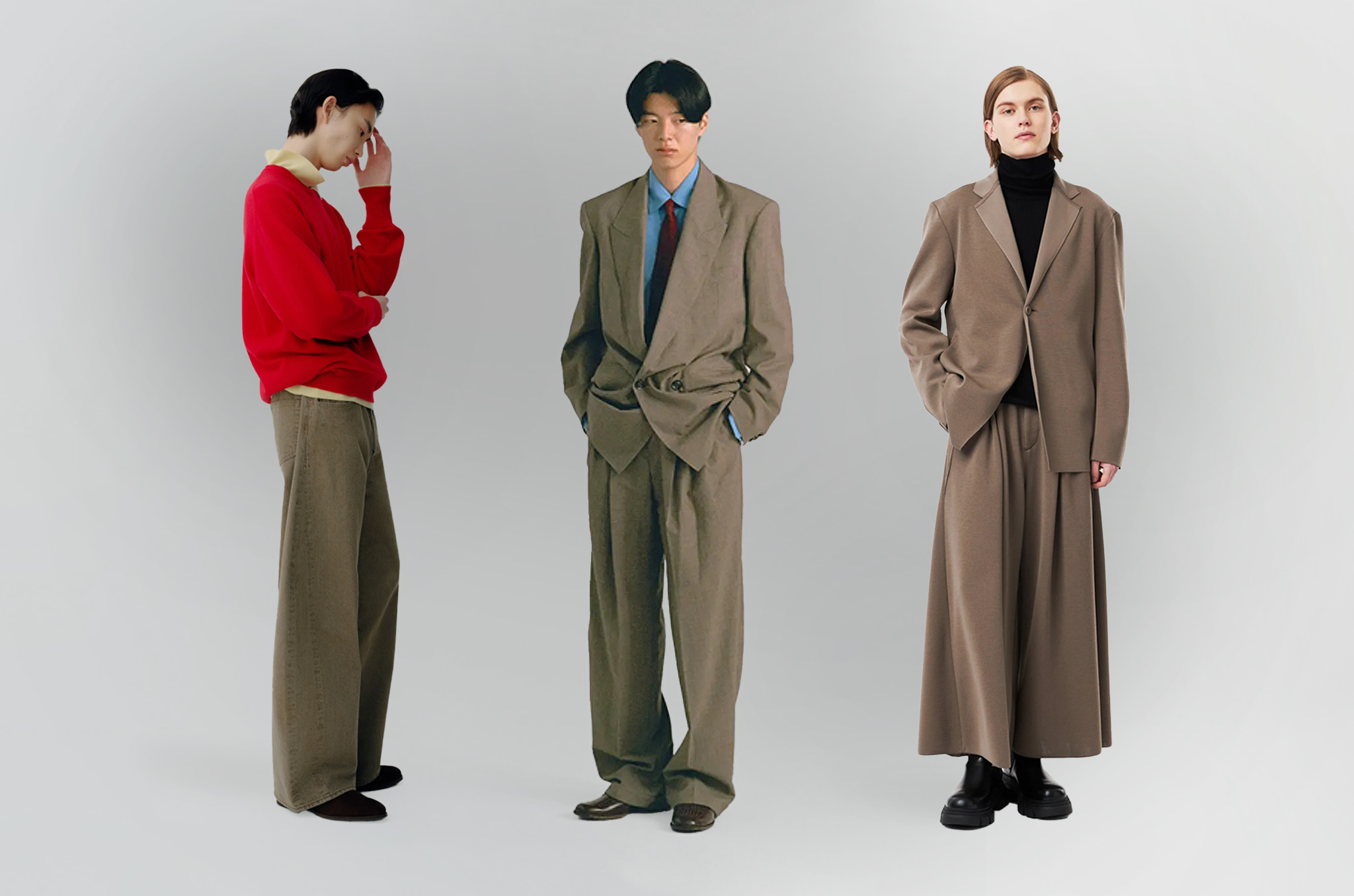
The focus is on the architecture of the garment. Designers are obsessed with the "negative space"—the way fabric interacts with the body, the weight of a seam, and the hand-feel of custom-developed yarns. These are clothes engineered to be "lived in." They are designed to age with the wearer, evolving in character as they are laundered, worn, and integrated into daily life. This ethos, which merges the precision of industrial engineering with the soul of artisanal craft, has resonated with a new generation of consumers who are increasingly skeptical of disposable luxury.
Chronology: A Decade of Ascendance
The rise of this movement has been methodical, spanning roughly the last decade of intensive development:
- 2011–2015 (The Foundation): The birth of seminal brands like Comoli (2011), Auralee (2015), Soshiotsuki (2015), and Shinyakozuka (2015). These designers, largely graduates of the prestigious Bunka Fashion College in Tokyo, began to challenge the status quo.
- 2020–2021 (The Pivot): The emergence of brands like CFCL and A.Presse during a period of global introspection, proving that there was a massive market for "quiet luxury" and high-tech performance wear that didn’t sacrifice aesthetics.
- 2025 (The Global Breakthrough): A landmark year for the movement, headlined by Soshiotsuki winning the prestigious LVMH Prize Grand Prize. This served as the industry’s official validation that Japanese menswear had achieved parity with the heritage houses of Europe.
- 2026 (Institutional Recognition): The inclusion of multiple Japanese designers (including Ssstein and Shinyakozuka) in the LVMH Prize semifinals and the official integration of these labels into the Paris Fashion Week calendar.
The Vanguard: Profiles in Design
1. Soshiotsuki: The Structural Visionary
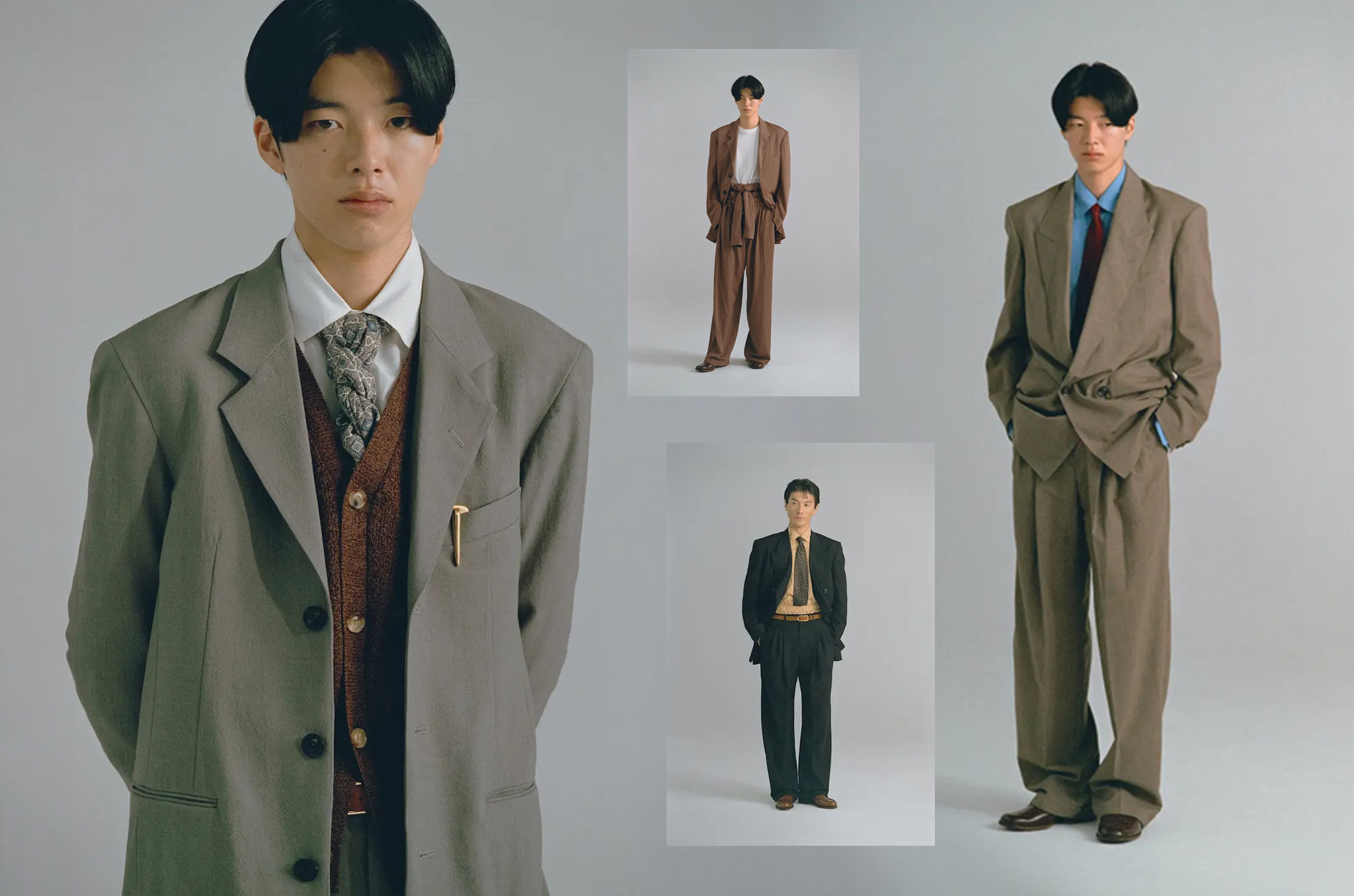
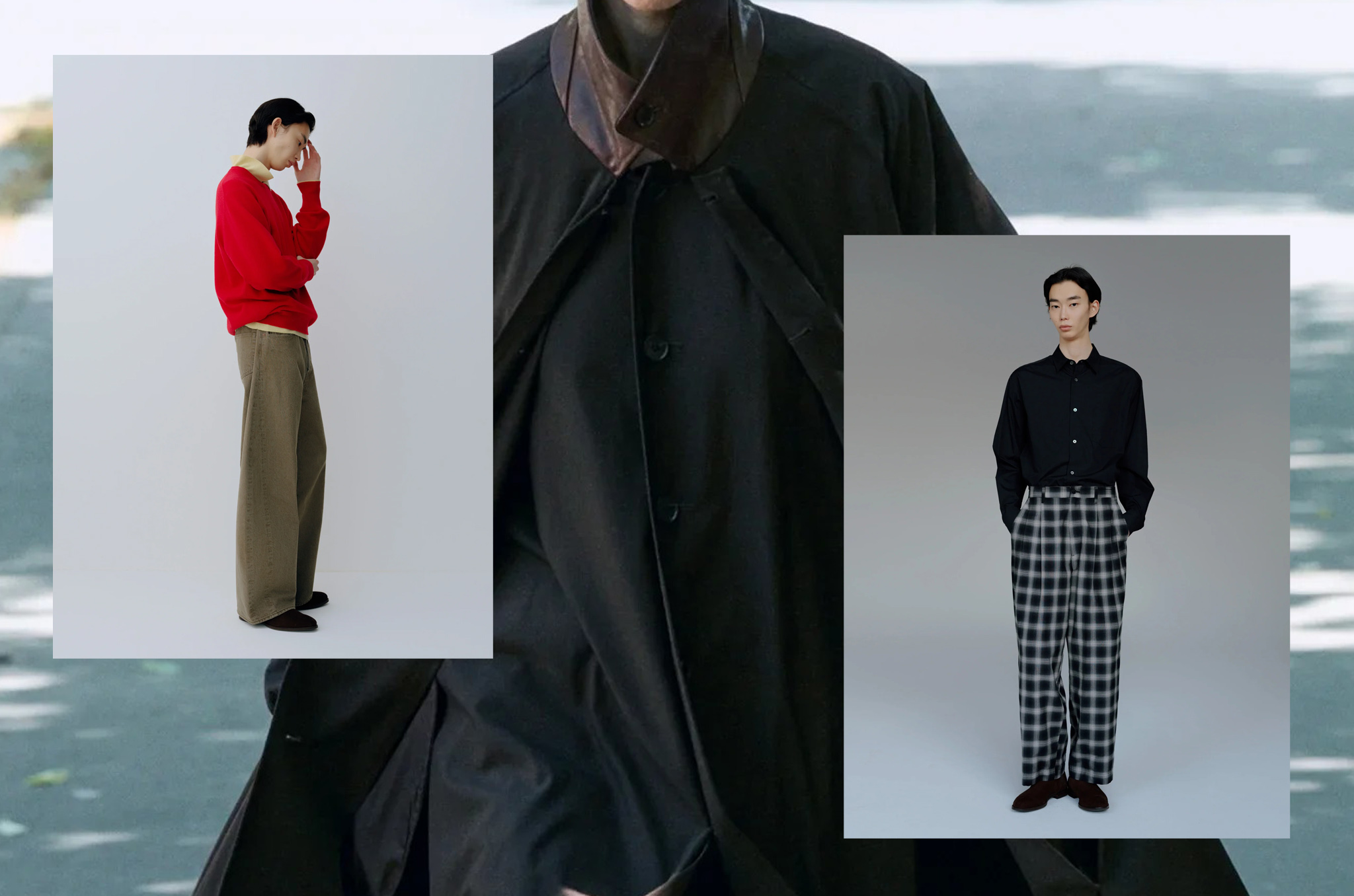
Soshi Otsuki’s 2025 LVMH Prize win was more than a trophy; it was a watershed moment. His work serves as a nostalgic yet futuristic bridge between the "bubble-era" prosperity of 1980s Japan—characterized by the power-suiting of the salaryman—and the avant-garde sensibilities of modern fashion. His jackets, which often feature kimono-inspired construction or karate-uniform folds, represent a sophisticated fusion of cultural heritage and contemporary silhouette.
2. Comoli: The Science of Comfort
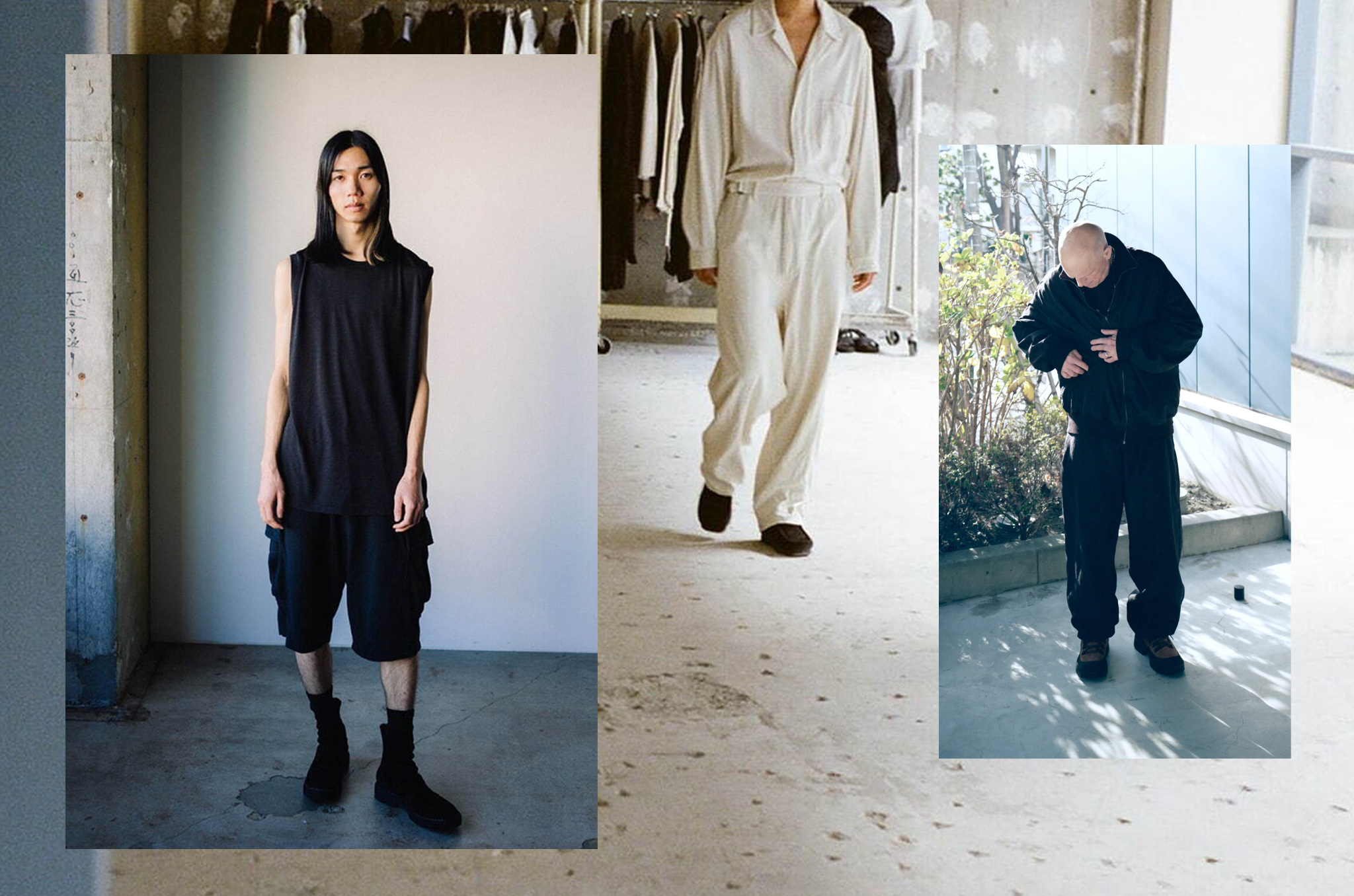
Founded by Keijiro Komori, Comoli operates on a premise of "scientific minimalism." Komori famously studies the "air between the body and the cloth." By drawing on a synthesis of vintage military surplus, traditional European workwear, and Japanese minimalism, Comoli creates garments that are inherently relaxed. The brand’s success lies in its restraint; these are pieces that feel as though they have been in your wardrobe for twenty years the moment you purchase them.
3. Ssstein: Refining the Vintage Eye
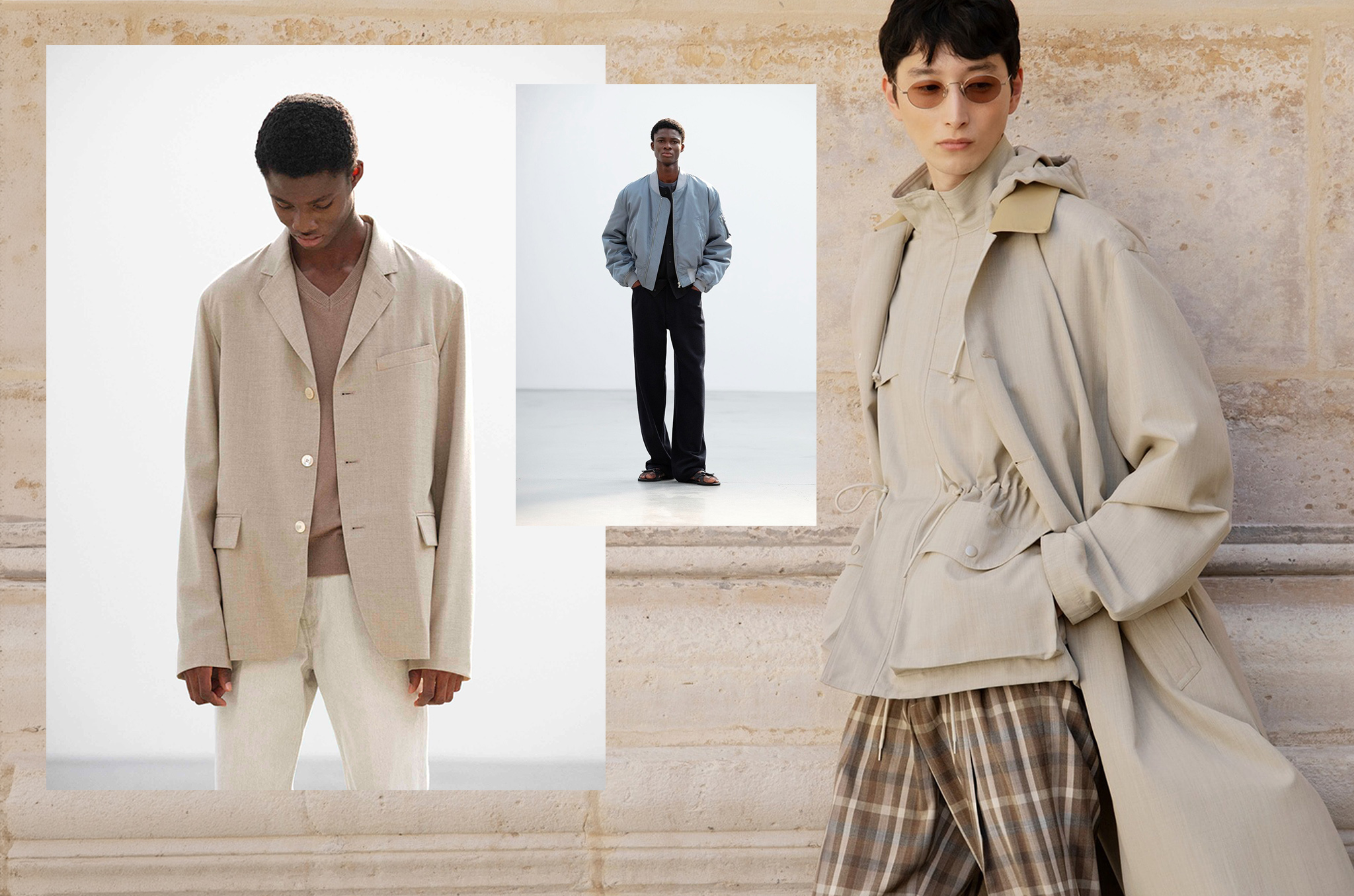
Kiichiro Asakawa’s Ssstein has become the darling of the "refined casual" movement. Asakawa’s background as a vintage clothing curator informs his work, allowing him to take classic shapes—the bomber jacket, the wide-leg trouser, the denim work shirt—and elevate them through subtle shifts in proportion. His recent Fashion Prize of Tokyo win and LVMH semifinalist status confirm his position as a designer who understands the rhythm of modern life.
4. Auralee: The Fabric-First Pioneer
Ryota Iwai, the founder of Auralee, treats the design process like a laboratory experiment. He does not start with a sketch; he starts with the raw fiber. By commissioning custom-spun cashmere, silk, and linen, Iwai ensures that the tactile experience of the garment dictates the silhouette. His move to the Paris Fashion Week schedule has cemented Auralee as a global player in the luxury space.
5. CFCL: The Tech-Tailoring Revolution
Yusuke Takahashi, an alumnus of the Issey Miyake design house, founded CFCL (Clothing For Contemporary Life) to solve a modern problem: how to dress for a world that demands both professional polish and performance-grade comfort. His use of 3-D computer knitting—a process that effectively eliminates textile waste by "printing" a garment from yarn—positions the brand at the forefront of sustainable luxury. The "Milan Rib" jacket has already become an iconic piece of the modern, mobile professional’s uniform.
6. A.Presse: The New Quiet Luxury
Kazuma Shigematsu’s A.Presse is the quintessential "insider" brand. By taking the rugged, utilitarian language of Americana and military gear and executing it in absurdly luxurious fabrics like washed silk and high-grade cashmere, he creates a product that is both familiar and transformative. It is the antithesis of the logo-heavy, loud fashion that defined the mid-2010s.
7. Shinyakozuka: Narrative-Driven Design
Shinya Kozuka, a Central Saint Martins graduate, treats his collections as narrative landscapes. His "Picturesque Scenery" concept allows for a playful exploration of proportion. His deep-pleated trousers, which owe a debt to the traditional hakama, are some of the most recognizable items in the current market, proving that conceptual fashion can remain entirely wearable.
Supporting Data: Why the Shift is Permanent
Market analysis suggests that the pivot toward Japanese labels is driven by a measurable increase in consumer longevity. While traditional luxury houses report high rates of "churn" (items bought and then resold or discarded within 18 months), data from secondary market platforms and high-end retailers indicate that brands like Comoli and Auralee maintain higher resale values and longer retention rates in private wardrobes. This is a direct result of the "quality-first" manufacturing process, which utilizes high-density weaving, specialized dyeing, and superior natural fibers that do not degrade under frequent use.
Official Responses and Industry Sentiment
Industry observers have noted that the "Pitti Uomo effect"—where traditional buyers from London, Milan, and New York flooded the Soshiotsuki and Shinyakozuka booths—is indicative of a broader exhaustion with "logomania."
"We are seeing a move away from the ‘status’ piece toward the ‘quality’ piece," says one prominent international buyer. "The Japanese designers are not asking for your attention with a giant logo; they are asking for your respect through the way a jacket hangs on your shoulder or the way a fabric feels against your skin. It is a more mature form of luxury."
Implications for the Future of Menswear
The rise of these Japanese houses suggests that the next decade of fashion will be defined by "Quiet Integrity." The implications for the wider industry are clear:
- Localized Production: The success of these brands has renewed interest in domestic manufacturing hubs in Japan, strengthening local economies.
- Sustainability by Design: By focusing on 3-D knitting and high-durability fabrics, these brands have naturally aligned themselves with global sustainability goals without needing to rely on greenwashing marketing campaigns.
- Universal Proportions: The "Japanese cut"—generally looser, more fluid, and less restrictive than traditional Italian or British tailoring—is becoming the global default, reflecting a societal move toward comfort in professional environments.
As Soshiotsuki, Ssstein, and their contemporaries continue to capture the imagination of the fashion world, the message to the industry is unequivocal: the future of menswear is not being written in the boardrooms of Paris or Milan, but in the studios of Tokyo, where the focus remains, as it always should, on the craft.


 Neng Nana
 Asro
Asro