Ammar Sabilarrohman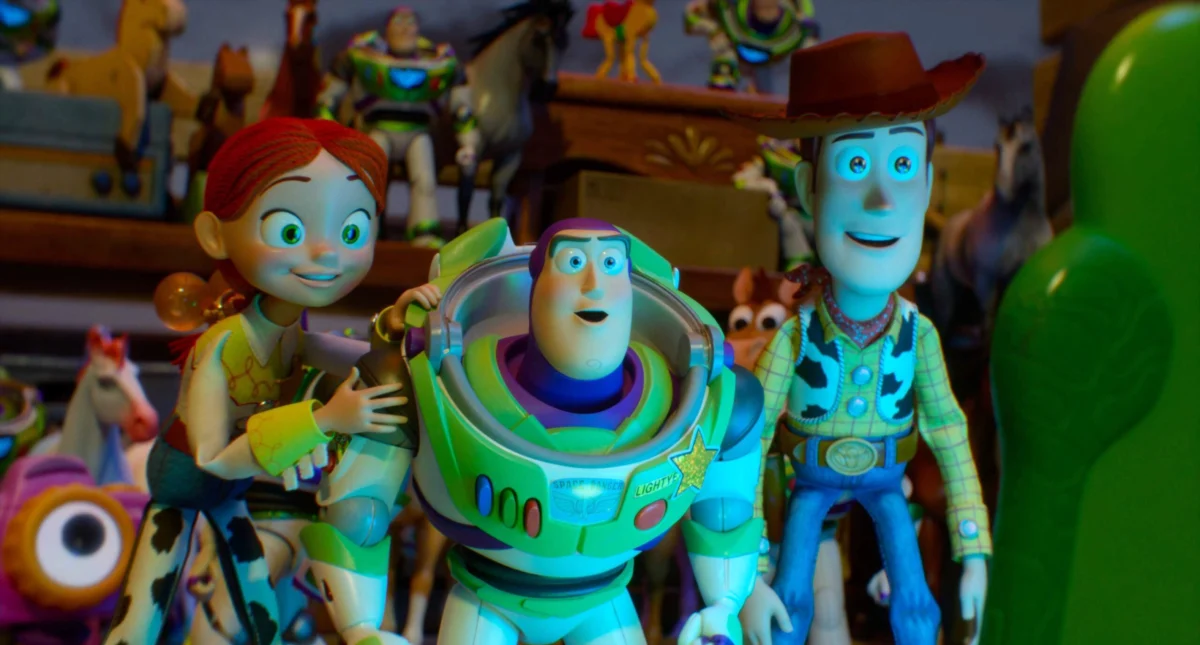
EXCLUSIVE: In a display of enduring cultural dominance, Disney and Pixar’s Toy Story 5 is tracking toward a historic opening night. Box office analysts and industry insiders indicate that the latest installment in the seminal animation franchise is on track to pull in between $13 million and $14 million in Thursday night previews, with some optimistic projections suggesting the figure could climb even higher.
Should these numbers hold, Toy Story 5 will officially eclipse the franchise-best $12 million preview mark set by Toy Story 4 in 2019. This early momentum underscores the continued relevance of Woody, Buzz Lightyear, and the rest of the gang, proving that even after three decades, the Toy Story brand remains a cornerstone of the global box office.
A New Benchmark for 2026
If the current estimates materialize, Toy Story 5 is set to secure the title of the biggest preview night performance of 2026. This would place it ahead of several major tentpole releases that have defined the year thus far, including Lionsgate’s Michael ($12.6 million), Amazon MGM Studios’ Project Hail Mary ($12 million), and the highly anticipated Disney/Lucasfilm collaboration, Star Wars: The Mandalorian and Grogu ($12 million).
The performance is particularly notable given the competitive landscape of the current year. While Universal and Illumination’s Super Mario Galaxy Movie currently holds the year-to-date record for the largest three-day domestic opening at $131.7 million, it notably skipped traditional preview night screenings. By leaning into the classic "blockbuster" release strategy, Disney is signaling a high degree of confidence in the film’s broad-market appeal, betting that the sheer volume of opening night ticket sales will build the necessary momentum to carry the film through its full theatrical run.
Chronology of a Franchise Phenomenon
The evolution of the Toy Story preview performance offers a fascinating window into the shifting habits of moviegoers and the changing strategies of Hollywood studios.
When Toy Story 3 arrived in theaters in 2010, the concept of "preview nights" looked vastly different. At the time, midnight screenings were the industry standard, and the film pulled in $4 million—a respectable figure for that era’s distribution model. By the time Toy Story 4 hit theaters in 2019, the market had shifted toward earlier "early access" screenings, starting at 5:00 PM and moving into a wide break by 6:00 PM. That shift allowed the franchise to hit $12 million in previews, setting the record that Toy Story 5 is now positioned to break.
The current record for a Pixar film in North America remains the 2018 smash hit Incredibles 2, which raked in $18.5 million in previews. That film also holds the studio’s all-time domestic weekend record, standing at a formidable $182.6 million. While Toy Story 5 faces stiff competition to reach that specific high-water mark, the current trajectory suggests it is well within striking distance of a historic opening weekend.
Supporting Data: The Anatomy of a Blockbuster
The strength of Toy Story 5 is not merely anecdotal; it is backed by robust data points that suggest a massive turnout across all demographics.
Advance Sales and Distribution
Heading into the weekend, industry sources reported that Toy Story 5 had generated a staggering $25 million in advance ticket sales. This figure is notably higher than the advance sales tracked for the Super Mario Galaxy Movie, suggesting that fans of the franchise are prioritizing seeing the film as early as possible.
The film is set to open at 4,425 locations across the United States and Canada. This wide release strategy is being bolstered by a heavy focus on Premium Large Format (PLF) and IMAX screens, which are expected to drive higher ticket prices and maximize per-screen averages. Analysts currently project a domestic opening weekend haul of at least $140 million.
Critical and Global Reception
The "good vibes" surrounding the project are bolstered by a 94% "Certified Fresh" rating on Rotten Tomatoes. Director Andrew Stanton, a veteran of the Pixar creative team, has been praised for balancing the film’s nostalgic appeal with a narrative that feels fresh for a new generation. While formal audience scores are still pending, the initial buzz from early screenings has been overwhelmingly positive.
On the global stage, the forecast is equally bullish. Experts expect an opening weekend global tally of $275 million, with $135 million projected to come from international markets. With an 87% footprint abroad—including a significant presence in the Chinese market—the film is positioned to be a major player in the international box office recovery.
The Strategy Behind the Success: Official Responses
While Disney has kept official commentary limited as the weekend progresses, the studio’s confidence is evident in the release schedule. By prioritizing a massive footprint and leveraging the Toy Story brand’s deep emotional resonance with multiple generations of parents and children, Disney has effectively hedged against the "sequel fatigue" that has plagued other major franchises in recent years.
The choice of Andrew Stanton to helm the "fifthquel" is a deliberate one. Stanton, who wrote and directed previous Toy Story entries, brings a level of continuity that resonates with both critics and long-time fans. By ensuring the film is not just a retread of previous tropes but a meaningful expansion of the characters’ arcs, Disney has managed to sustain the intellectual property’s viability far longer than most animated franchises.
Implications for the Industry
The success of Toy Story 5 carries significant implications for the broader film industry, particularly as theaters look to maintain their relevance in a streaming-dominated era.
- The Power of Proven IP: The film’s performance reinforces the notion that established Intellectual Property (IP) remains the most reliable currency in Hollywood. However, it also suggests that IP alone is not enough; critical acclaim and high production values remain essential to drive the "event" status necessary for theatrical success.
- The "PLF" Shift: The reliance on IMAX and PLF screens for this release highlights a broader trend: audiences are increasingly willing to pay a premium for a superior viewing experience. If Toy Story 5 overperforms on these screens, it will likely lead to an even greater push by studios to reserve their biggest releases for premium formats.
- Global Recovery: The strong international forecast, particularly the 87% international footprint, is a vital sign for the global theatrical market. As regions like China continue to be volatile for Western releases, the ability of a major franchise like Toy Story to maintain broad appeal is a positive indicator for future international distribution strategies.
- The "Wait-and-See" vs. "Pre-Purchase" Dynamic: With the Super Mario success proving that a movie can succeed without traditional previews, and Toy Story 5 proving that massive previews can set a record, the industry is entering a period of experimentation regarding release strategies. Studios are no longer adhering to a one-size-fits-all model, instead tailoring the release of their biggest assets to maximize local hype and data-gathering.
Looking Ahead
As the weekend progresses, the focus will shift from preview numbers to the critical Saturday and Sunday holds. If the film maintains its momentum, it could challenge not only the studio’s internal records but also set a new standard for animated openings in the mid-2020s.
Industry observers will be watching closely to see if the film’s audience scores match its critical reception. A high audience score would likely signal long-term "legs" for the film, carrying it through the competitive summer months. For now, the "battery life" of the toys appears to be fully charged, and the industry is watching to see if they can once again reach infinity—and beyond.
We will continue to provide updates as the final box office numbers roll in tomorrow morning.



 Asro
Asro