Ali Ikhwan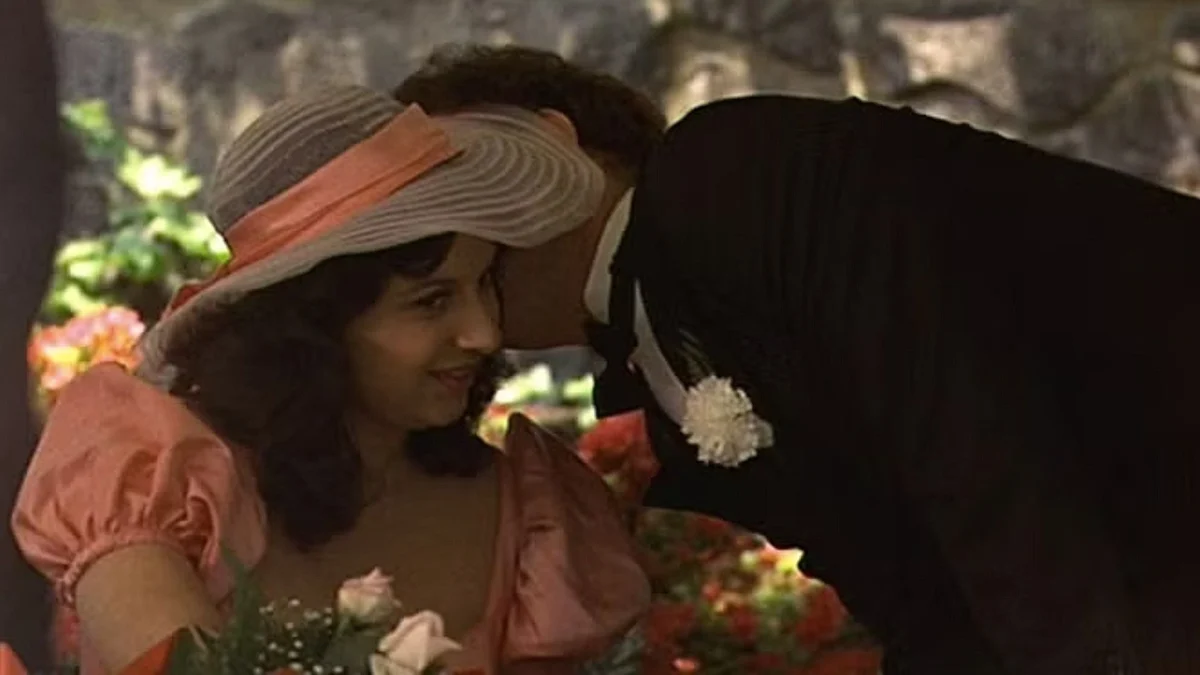
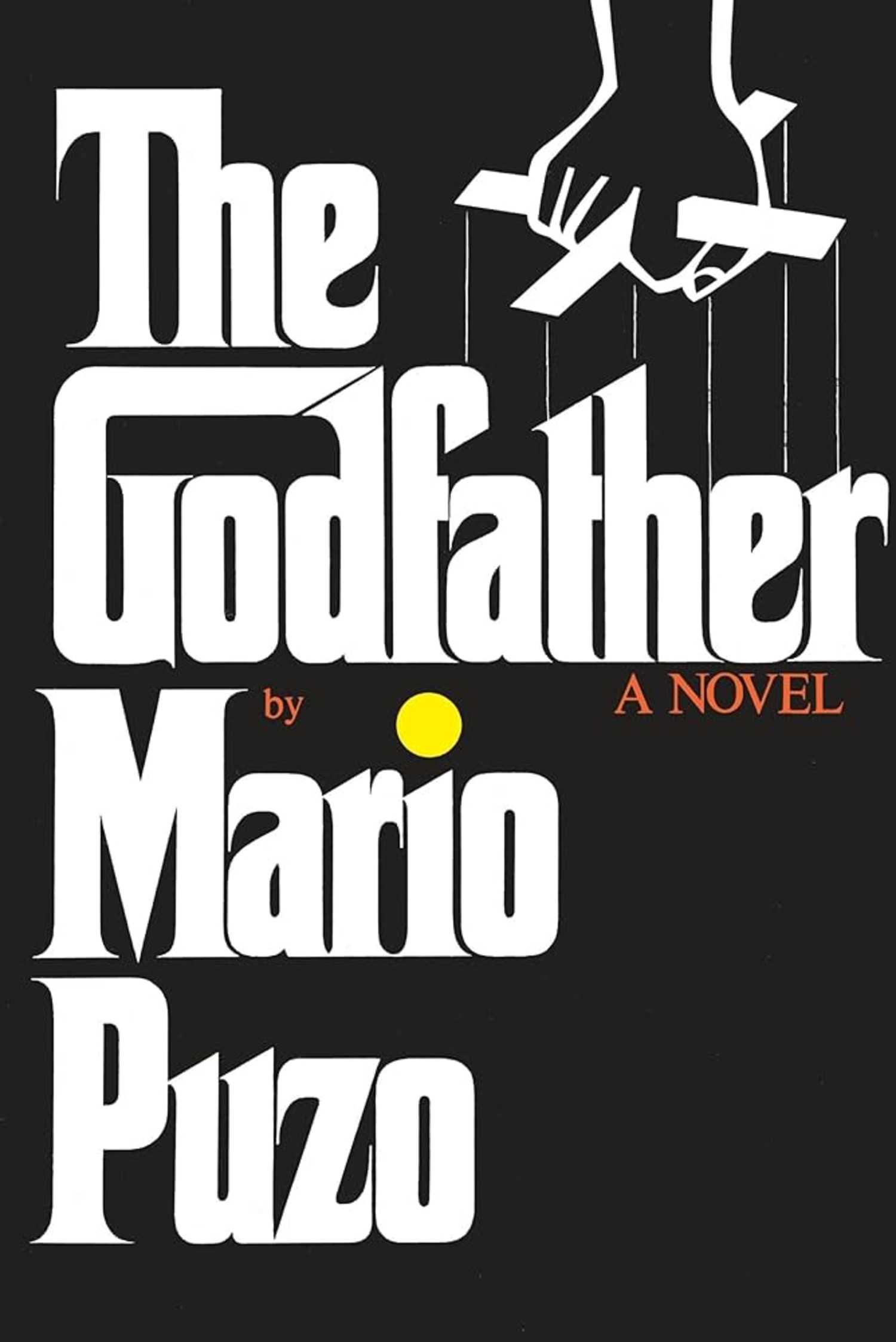
Fifty-four years after Francis Ford Coppola’s The Godfather first graced the silver screen, it remains the undisputed gold standard of book-to-film adaptations. It is a rare instance where the source material and the cinematic interpretation are both considered pinnacles of their respective mediums. Yet, this harmonious legacy masks a turbulent origin. In the late 1960s, Mario Puzo’s novel was not viewed as a work of high art, but rather as "smut"—a sensationalist, violent, and overtly sexual piece of pulp fiction that faced aggressive censorship campaigns across the United States.
The journey of The Godfather from a targeted, "banned" paperback to a cinematic masterpiece that redefined American film is a story of creative transformation, societal shifts, and the enduring power of the page-turner.
The Genesis of a Scandal: Mario Puzo’s "Cash Grab"
To understand the controversy, one must look at the author’s intent. By the mid-1960s, Mario Puzo was a struggling novelist. Having published two critically acclaimed but commercially unsuccessful novels, he was burdened by gambling debts and a growing family. In his own words, he decided to "write a book that would sell."
Puzo abandoned his literary aspirations and leaned into the tropes of the American gangster mythos. He wanted a "pageturner," and he delivered one. Published in 1969, the novel was an immediate sensation. It was raw, unapologetic, and filled with the kind of visceral violence and sexual explicitness that made it an easy target for moral crusaders of the era. Critics were quick to label the book as low-brow exploitation, leading to widespread calls for it to be removed from public libraries and bookstore shelves. To many, the book wasn’t a complex study of the American Dream; it was a glorification of organized crime, fueled by gratuitous gore and lurid sexual subplots.
A Chronology of Conflict
The timeline of The Godfather’s reception tracks a fascinating trajectory of societal maturation:
- 1969 (The Release): Mario Puzo publishes The Godfather. It spends 67 weeks on the New York Times Bestseller list. Almost immediately, parent-teacher associations and conservative advocacy groups target the book, citing its "immoral" depictions of the Corleone family’s criminal lifestyle.
- 1970–1971 (The Production): While Paramount Pictures develops the film, the book remains a lightning rod for debate. The production itself faces external pressure from Italian-American advocacy groups who fear the movie will perpetuate harmful stereotypes.
- 1972 (The Premiere): The film is released. Critics who once dismissed the book as "gangster schlock" are forced to confront the depth of the narrative. The film’s critical success begins to cast the novel in a new light.
- 1980s–Present (The Reappraisal): As the films become enshrined in the National Film Registry, the novel undergoes a critical rehabilitation. It is no longer just "pulp"; it is recognized as a masterclass in narrative structure and myth-making.
Supporting Data: The "Pulp" vs. The "Classic"
The primary criticism leveled at Puzo’s book—and the reason for many of its censorship challenges—was its inclusion of characters and subplots that were largely omitted from Coppola’s film.
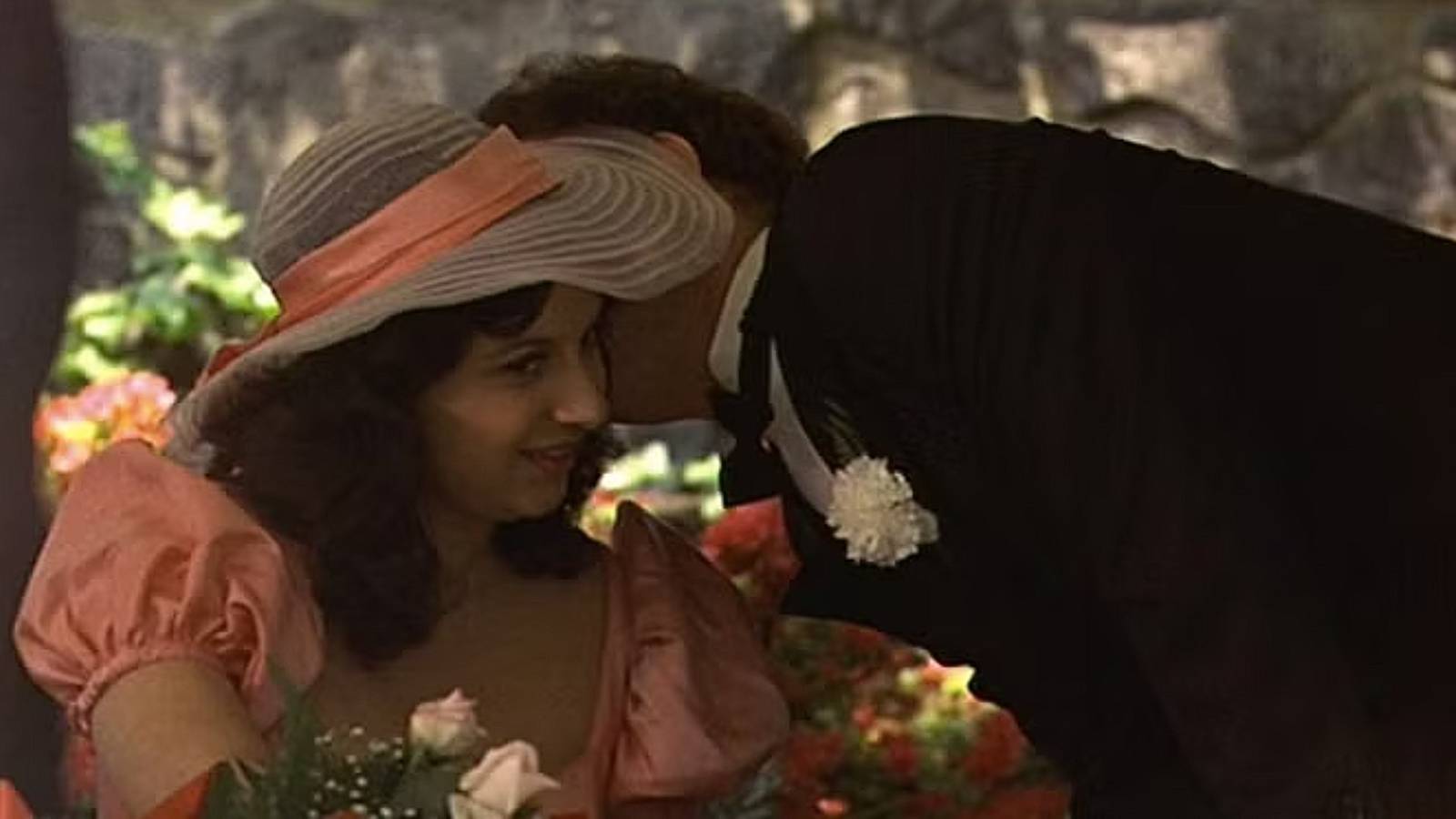
The most notable example is Lucy Mancini. In the novel, Mancini is a fully realized character whose post-wedding sexual escapades serve as a central narrative thread. In the film, she is relegated to a brief, almost background appearance. For 1969 readers, these passages were scandalous, pushing the boundaries of what was considered acceptable in mainstream fiction.
By stripping away the more salacious subplots and tightening the focus on the internal emotional lives of Vito and Michael Corleone, Coppola performed a masterclass in adaptation. He salvaged the structural brilliance of Puzo’s plot while discarding the elements that rendered the book "tabloid" in the eyes of contemporary critics. This edit was essential in elevating the material from a pulp thriller to a Shakespearean tragedy.

Official Responses and Industry Backlash
It is a historical irony that The Offer, the dramatized series about the making of the film, failed to capture the full scope of the resistance Puzo faced. During the production, there was a palpable fear within Paramount that the movie would be a "B-picture" flop. The studio’s lack of confidence was rooted in the perception that the source material was "dirty."
The Italian-American Civil Rights League famously picketed the production, fearing that the film would equate Italian-American identity solely with the Mafia. Puzo and Coppola had to navigate a minefield of public relations disasters, balancing the film’s authenticity with the reality that they were adapting a book that many in the public eye actively despised.
The Implications: What If?
The transformation of The Godfather raises a profound question regarding the role of film in literary canonization. If Francis Ford Coppola had never adapted the novel, or if the film had been a critical failure, what would be the status of Puzo’s work today?
It is highly probable that The Godfather would have faded into the obscurity of out-of-print mass-market paperbacks, remembered only as a provocative, heavily censored thriller of the late 60s. The film provided the "prestige" buffer that the book lacked. By canonizing the story, the film effectively "laundered" the reputation of the novel, allowing later generations to read the book as a companion to a masterpiece rather than as an independent piece of sensationalism.
Furthermore, the censorship of the 1969 novel serves as a case study for how "taboo" subjects are eventually integrated into the cultural mainstream. The violence that was once considered too shocking for public library shelves is now standard fare for prestige television and cinema.
The Lasting Legacy of the Corleones
Today, we recognize The Godfather as an essential American saga. It explores the intersections of capitalism, family, and power. Yet, we must acknowledge the "pulp" origins of the story. Puzo was a professional who knew exactly how to hook an audience. He understood that sex, violence, and the promise of forbidden knowledge were the ingredients for a bestseller.
The fact that it was challenged, banned, and derided is not a mark against it; it is a testament to its raw, unvarnished power. Whether one is reading the dog-eared pages of a 1969 paperback or watching the remastered 4K print of the film, the message remains the same: the story is, and always has been, a compelling reflection of the American experience.
As we look back, we should appreciate the audacity of Puzo’s writing and the genius of Coppola’s editing. The two together created a cultural monolith that has survived the test of time, the scrutiny of critics, and the limitations of its own controversial beginnings. The "pulp masterpiece" remains, perhaps, the only piece of literature to be saved by the very industry that once sought to keep it out of the public eye.
Reflection for the Reader:
Does the "pulp" nature of the original book detract from the artistic merit of the film, or does it enhance the gritty realism that makes the Corleone story so compelling? As we continue to debate which books belong on our shelves, the history of The Godfather serves as a reminder that the most "dangerous" books often contain the most important truths about our society.

 Asro
Asro
 Basiran