Nana Wu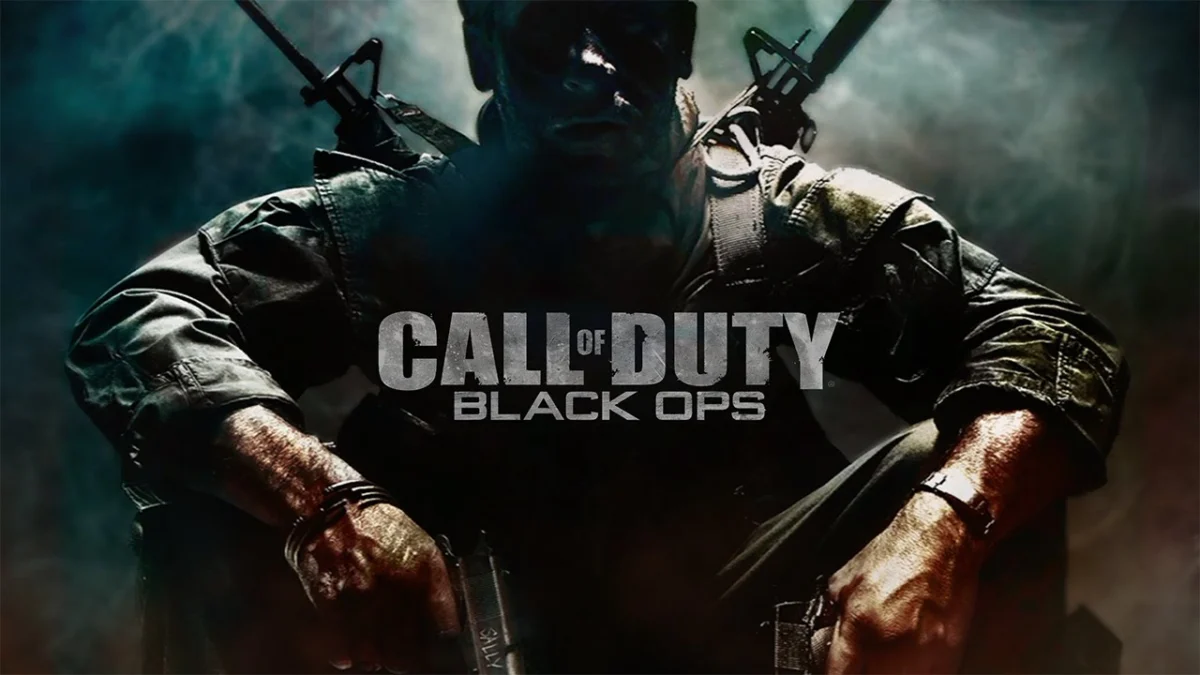
By Editorial Staff | Reporting on Tech & Gaming
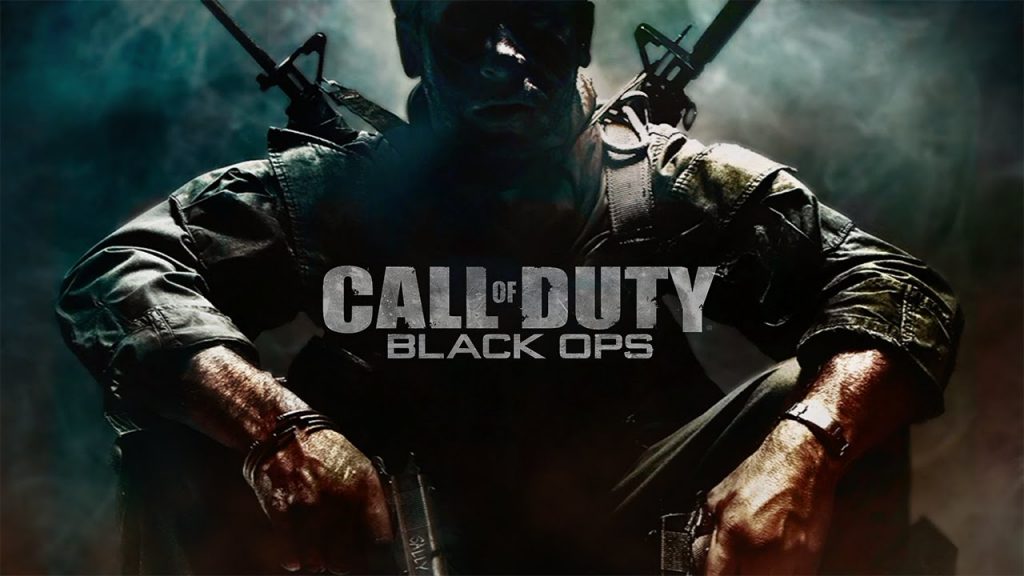
In a move that has sent ripples of nostalgia—and a degree of tempered disappointment—through the gaming community, Activision has officially confirmed that the original Call of Duty: Black Ops and Call of Duty: Black Ops II are making their way to modern platforms. Following weeks of speculation fueled by diligent dataminers who uncovered references to these titles in backend files for the PlayStation Network and the Xbox PC app, the veil of mystery has finally been lifted.
However, for those holding out hope for a top-to-bottom visual overhaul, the publisher has provided a definitive clarification: these releases are strictly ports. They are intended to bring the classic experiences to contemporary hardware without the modern-day enhancements associated with "remasters."
The Core Facts: What to Expect from the Black Ops Ports
The announcement comes after significant community anticipation. As players looked at the recent resurgence of interest in older Call of Duty titles—often driven by server repairs and increased stability on legacy platforms—the prospect of playing the legendary Black Ops titles on modern consoles became a focal point of discussion.
Activision’s official stance, provided in a brief but clear statement to Eurogamer, leaves little room for ambiguity. The company confirmed that the upcoming versions of Black Ops and Black Ops II are direct ports of the original code. This means players should not expect the high-fidelity textures, ray-tracing, modernized lighting engines, or reworked character models that defined the Call of Duty: Modern Warfare Remastered (2016) project.
For the player, this translates to:
- Resolution and Assets: The games will retain their original resolution targets and graphical assets. While modern consoles may provide a more stable delivery of these assets, the aesthetic fidelity remains locked to the 2010–2012 era.
- Frame Rate Consistency: Historically, Call of Duty titles from this era were lauded for their rock-solid 60 frames-per-second (FPS) performance on the Xbox 360 and PlayStation 3. As these are ports, that target remains the standard, ensuring the gameplay loop feels as snappy and responsive as it did over a decade ago.
- Feature Parity: The single-player campaigns, the iconic Zombies modes, and the multiplayer map rotations will remain identical to their original iterations.
A Chronology of the Black Ops Legacy
To understand why these ports are significant, one must look at the historical trajectory of the Black Ops sub-series.
The Rise of Treyarch (2010)
When Call of Duty: Black Ops launched in 2010, it was a cultural phenomenon. Following the immense success of Modern Warfare 2, Treyarch shifted the narrative focus to the Cold War era. The game introduced a darker, more conspiratorial tone, featuring the unforgettable character of Alex Mason and the "numbers" mystery. Its multiplayer was revolutionary, introducing "COD Points" as a currency and establishing the Black Ops Zombies mode as a standalone pillar of the franchise.
The Peak of Innovation (2012)
Call of Duty: Black Ops II (2012) took the series into the near-future. It was the first title to introduce branching storylines in the campaign based on player choices—a feature that remains largely unmatched in the series today. Its multiplayer balance, map design, and the introduction of the "Pick 10" system are still regarded by many enthusiasts as the gold standard for the franchise’s competitive balance.
The Modern Era of Speculation (2023–2024)
In recent months, the Call of Duty community has seen a "legacy revival." As Activision began fixing matchmaking servers for older titles on the Xbox ecosystem, player counts for these games surged. Dataminers, scouring the digital storefronts of the PlayStation Network and the Xbox PC infrastructure, discovered placeholders for Black Ops. The assumption among fans was that Activision was preparing a "Remastered Collection." The official confirmation this week serves as the culmination of this investigative cycle, albeit with a different outcome than many had hoped.
Supporting Data: Why "Ports" Matter More Than You Think
While the lack of a remaster may discourage some, there are technical and logistical reasons why a port is a vital move for the franchise.
- Preservation of Performance: The original Black Ops engines were optimized for the hardware of the early 2010s. By porting these titles, Activision is ensuring that the "feel" of the game—the weapon kick, the movement speed, and the distinct sound design—remains untouched. Remasters often inadvertently change the "feel" of movement due to changes in engine architecture.
- Server Infrastructure: The primary issue with playing Black Ops today is not the age of the graphics, but the state of the online experience. Hacker-infested lobbies and broken matchmaking systems have plagued the original versions for years. A modern port allows for the integration of current-gen server security, potentially providing a "clean" environment for players to engage in multiplayer once more.
- Accessibility: Many current-generation gamers—specifically those who started with the Warzone era—have never played these campaigns. Making these titles available on the PS5 and modern PC launchers allows a new generation to experience the narrative peaks of the series without needing to source a decade-old console.
Official Responses and Strategic Implications
Activision’s decision to move forward with ports rather than remasters suggests a calculated approach to their back-catalog. From a business perspective, full-scale remasters require significant investment in art assets, audio re-mastering, and engine updates. By opting for ports, the company minimizes development costs while capitalizing on the enduring popularity of the Black Ops brand.
Industry analysts suggest that this strategy aligns with Activision’s broader push to unify the Call of Duty ecosystem. By bringing older titles to modern platforms, they keep the brand relevant throughout the year, even during gaps in new releases.
"The demand for legacy Call of Duty is massive," says industry analyst Sarah Jenkins. "Activision knows that the community is nostalgic. While a remaster would have been the ‘gold’ standard, a port is the ‘pragmatic’ solution that satisfies the desire for accessibility without the massive overhead of re-building the game from scratch."
Implications for the Future of the Franchise
What does this mean for the future? The success of these ports could dictate the roadmap for other legacy titles. If Black Ops and Black Ops II see high engagement numbers, it is likely that other fan-favorite titles—such as World at War or the original Modern Warfare trilogy—could follow suit on modern platforms.
Furthermore, this move addresses the "Hacker Problem." For years, the original games have been abandoned in terms of security updates. By re-releasing them, Activision is implicitly acknowledging that these games are still part of the active Call of Duty ecosystem. Whether this means active anti-cheat support will be rolled out remains to be seen, but it is a step in the right direction.
Final Thoughts
While the absence of 4K textures or ray-traced lighting might seem like a missed opportunity to some, the return of Black Ops to the digital shelves of the PlayStation and Xbox stores is a win for gaming history. The Black Ops series represents a specific, high-water mark for the first-person shooter genre—a time when map design was focused on tactical flow rather than the massive scale seen in modern battle royales.
As we await the official launch dates for these ports, the community is left to contemplate what it truly means to "go back." For many, the ability to drop into Nuketown or experience the campaign’s twisting narrative once more, without the need to hunt down a dusty console, is more than enough. The graphics may be of another era, but the fun—as Activision is banking on—is timeless.
As we look toward the future of the Call of Duty franchise, these ports serve as a reminder that before the series became a massive, evolving service-based platform, it was defined by discrete, polished experiences that defined a generation. It is time for a new generation to find out why.


 Dwi Wanna
 Jia Lissa