Pevita Pearce
When the 2003 Daredevil feature film hit theaters, it was met with a resounding thud of disappointment. For many, it represented a failure to grasp the nuanced, street-level grit that defined one of Marvel Comics’ most compelling protagonists. Matt Murdock, a man caught between the rigid structures of the law and the chaotic impulses of vigilantism, deserved better. More than a decade later, that redemption finally arrived—not on the big screen, but through a landmark partnership between Marvel Studios and Netflix.
The debut of Daredevil in 2015 marked a watershed moment for the Marvel Cinematic Universe (MCU). It proved that superhero narratives could survive—and indeed thrive—in a serialized, long-form format, trading high-altitude alien invasions for the rain-slicked, blood-stained alleyways of Hell’s Kitchen.
The Genesis: A Shift in Tone and Strategy
Before the rise of Disney+ as the consolidated hub for all things Marvel, the studio experimented with a "Netflix-first" strategy. At the time, skepticism was rampant. Marvel’s previous attempts at television, such as Agents of S.H.I.E.L.D. on ABC, often struggled to maintain the tonal consistency and cinematic stakes of the film division. Daredevil changed the conversation entirely.
By embracing a mature, R-rated sensibility—long before such territory became common for the brand—the series introduced audiences to a version of Matt Murdock that felt lived-in and desperate. Charlie Cox’s portrayal was not merely that of a man in a mask; it was a character study of a man grappling with the moral contradictions of his dual life. The show’s success paved the way for a broader "Netflix Marvel" universe, including Jessica Jones, Luke Cage, Iron Fist, and the crossover miniseries The Defenders.
Chronology: From Hell’s Kitchen to the MCU Canon
The journey of Daredevil has been one of the most turbulent and fascinating arcs in modern media history:
- 2015: Daredevil Season 1 premieres to critical acclaim, praised for its innovative fight choreography—most notably the iconic "hallway fight" scene—and its exploration of faith and justice.
- 2016-2018: The series continues for two more seasons, solidifying Vincent D’Onofrio’s Wilson Fisk (Kingpin) as one of the greatest villains in the history of the superhero genre.
- 2018: Despite glowing reviews and high viewership, Netflix cancels Daredevil in a broader move to phase out Marvel content as Disney prepared to launch its own platform.
- 2021-2022: The "multiverse" era of the MCU allows for the return of familiar faces. Charlie Cox makes a cameo in Spider-Man: No Way Home, and Vincent D’Onofrio appears in Hawkeye, confirming their integration into the main MCU timeline.
- 2025-2026: Daredevil: Born Again undergoes a significant creative overhaul. Originally intended as a procedural reboot, the show is reconfigured to serve as a direct continuation of the Netflix narrative, honoring the legacy of the original series.
The Anatomy of an Origin Story
One of the most persistent issues with superhero media is the "origin story fatigue." Audiences have seen the murder of parents and the discovery of powers enough times to last a lifetime. Daredevil navigated this by using a non-linear approach.
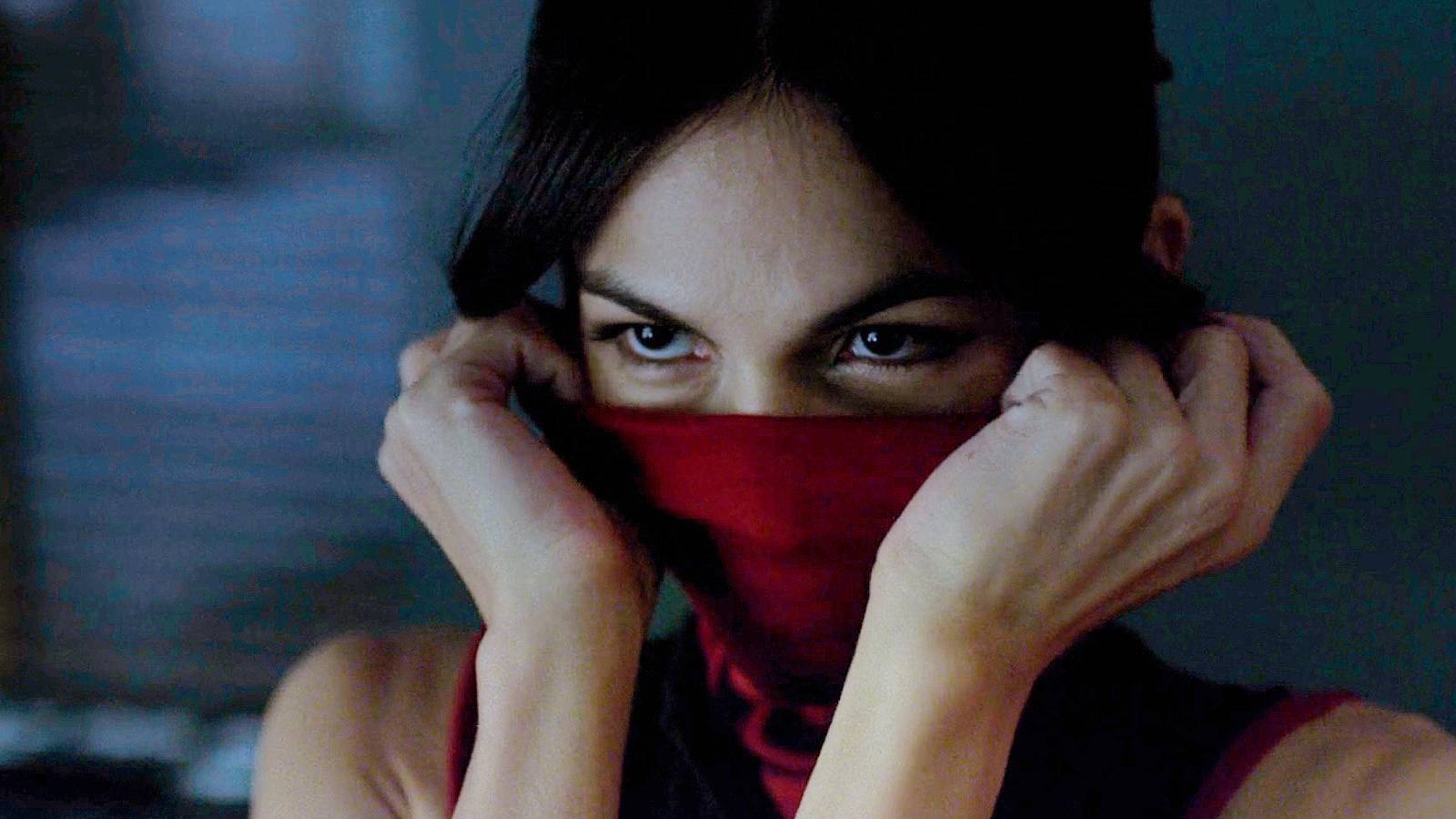
The series begins with Matt Murdock already established as the "Devil of Hell’s Kitchen," but it uses deliberate, poignant flashbacks to contextualize his development. We see the impact of his father’s boxing career, the accident that took his sight but heightened his other senses, and the profound influence of his Catholic faith. This was not a story about how he got his powers; it was a story about how he chose to wield them.
The show also grounded its narrative in a recognizable, corrupt reality. While the MCU films were busy dealing with the fallout of the "Battle of New York," Daredevil examined the human cost of living in a world where gods and monsters exist, but the streets are still controlled by mob bosses. It was a rare example of a superhero show that remained deeply invested in the legal profession, illustrating how Murdock navigated the court system by day and the shadows by night.
Supporting Data: The Kingpin’s Shadow
A superhero is only as strong as the villain they face, and in Wilson Fisk, Daredevil found its perfect foil. Vincent D’Onofrio’s portrayal was revolutionary because it refused to lean into caricature. Fisk was not a cartoonish bad guy; he was a tragic, deeply lonely, and terrifyingly pragmatic individual.
The chemistry between Cox and D’Onofrio created a gravitational pull that held the series together. Their interactions served as a thematic mirror: both men claimed to be acting for the betterment of New York City. Where Murdock believed in the sanctity of the law and the protection of the innocent, Fisk believed in the necessity of order, even if that order had to be built upon a foundation of violence and illicit trade. This ideological conflict allowed the writers to explore complex questions regarding the nature of power, corruption, and the thin line between a hero and a vigilante.
Official Responses and Creative Reconfiguration
The path to Daredevil: Born Again was not without its bumps. Early reports suggested that Marvel Studios intended to distance itself from the darker, serialized nature of the Netflix original, opting instead for a lighter, episodic procedural. However, fan feedback and the undeniable cultural impact of the original series prompted a significant pivot.
Marvel leadership recognized that "the Netflix way"—characterized by character-driven drama and a grounded aesthetic—was exactly what fans wanted. By bringing back key creative talent and ensuring the show felt like a continuation rather than a reset, the studio demonstrated an ability to listen to its audience.

In recent interviews, Charlie Cox has expressed gratitude for the opportunity to inhabit the role again, noting that the character has evolved from a lone wolf to a central figure in the broader MCU. Cox’s longevity in the role, combined with his expanded presence, suggests that Daredevil will remain a cornerstone of Marvel’s television output for the foreseeable future.
Implications: A Blueprint for the Future
The legacy of Daredevil is profound. It proved that audiences are hungry for stories that don’t shy away from moral ambiguity or darker themes. As the MCU continues to expand, the success of the Daredevil revival serves as a blueprint for how to handle beloved legacy characters.
Moreover, the show proved that television can be the primary medium for long-form character development within a cinematic universe. By allowing Matt Murdock to breathe, to struggle, and to fail, the series created a level of empathy that is often difficult to achieve in a two-hour blockbuster film.
As Daredevil: Born Again continues to find its footing, it carries the weight of a massive, devoted fanbase. Yet, the foundations laid by the original Netflix series remain rock-solid. The show remains a masterclass in tone, performance, and narrative pacing. For those who feared that the grit of Hell’s Kitchen would be scrubbed away by the polished veneer of the MCU, the current trajectory suggests otherwise.
Matt Murdock has returned, and he is as complicated, as angry, and as necessary as he ever was. The devil, it seems, is here to stay.


 Lina Hope
 Nana Muazin