Basiran
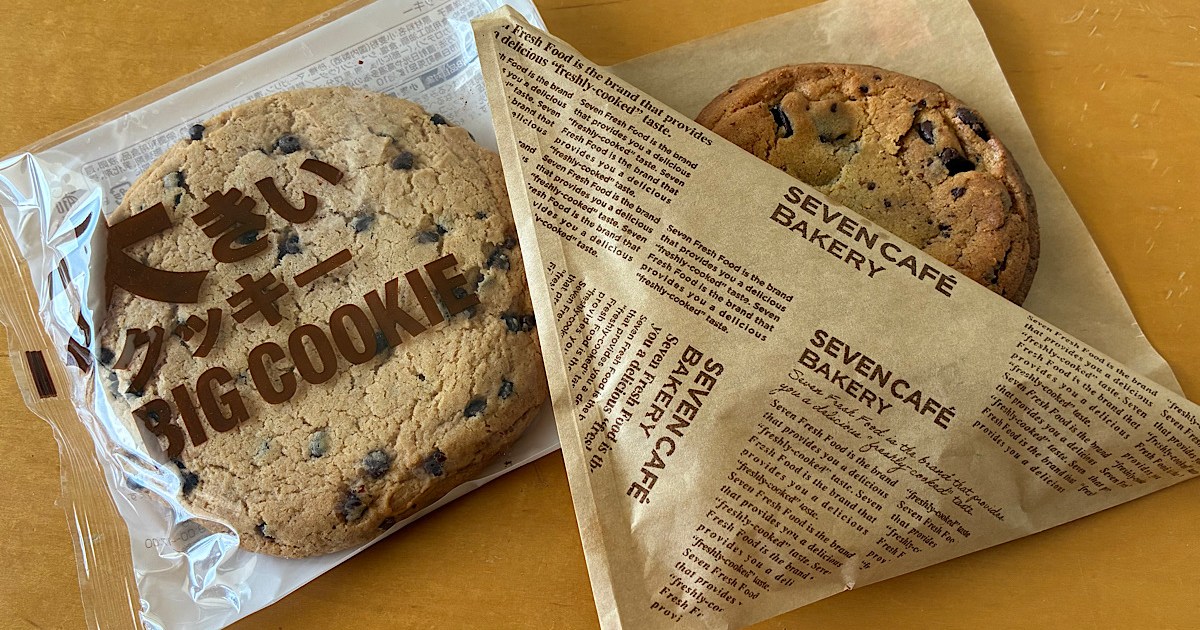
In the hyper-competitive landscape of Japan’s konbini (convenience store) sector, seasonal campaigns and limited-edition product launches serve as the primary battlefield for customer loyalty. Currently, the industry is witnessing a high-stakes "cookie clash" between two titans: FamilyMart and 7-Eleven. As consumers navigate the aisles of these ubiquitous neighborhood hubs, they are presented with a difficult choice between the sheer, indulgent scale of FamilyMart’s "Big Cookie" and the artisanal, freshly-warmed appeal of 7-Eleven’s "Baked In-Store" series.
This report examines the sensory experience, technical specifications, and consumer implications of these two confectionery giants, providing a comprehensive breakdown for the discerning snack enthusiast.
The Strategic Context: Why Cookies Matter
For decades, Japanese convenience stores have evolved from simple distribution points for basic goods into culinary destinations. By leveraging "in-store" baking technology, chains like 7-Eleven have moved beyond mass-produced, long-shelf-life snacks to provide fresh, bakery-quality items that compete directly with dedicated dessert shops.
FamilyMart’s current response—an aggressive upsize campaign—is a classic retail strategy designed to boost foot traffic and capture "value-conscious" consumers. By offering a physically imposing, larger-than-average product, the chain aims to dominate social media discourse and create a sense of scarcity through a limited-time offering.
Chronology: The Battle of the Countertop
The rivalry reached a fever pitch in mid-June 2026.
- The FamilyMart Initiative: Capitalizing on the "big and bold" consumer trend, FamilyMart launched a promotion featuring their "Big Cookie." Designed to provide maximum value, this item was positioned as a premium treat available for a limited window.
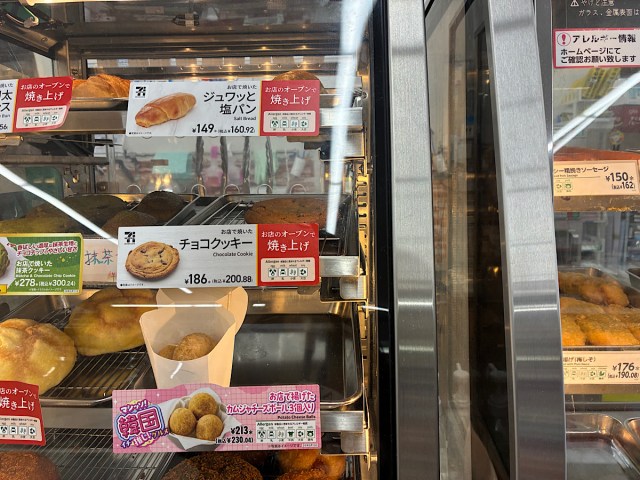
- The 7-Eleven Response: 7-Eleven leaned into its established "Baked In-Store" infrastructure. Unlike the pre-packaged nature of standard convenience store cookies, these are displayed in specialized heated cabinets and finished to order, allowing the staff to serve them with a residual warmth that mimics a bakery environment.
- Comparative Assessment: Our comparative analysis began with a controlled review of both products, measuring weight, diameter, and organoleptic properties (taste, texture, and aroma) to determine which chain truly owns the category.
Supporting Data: By the Numbers
To move beyond subjective opinion, we subjected both products to rigorous physical measurement. The differences between the two reveal distinct corporate philosophies regarding customer satisfaction.

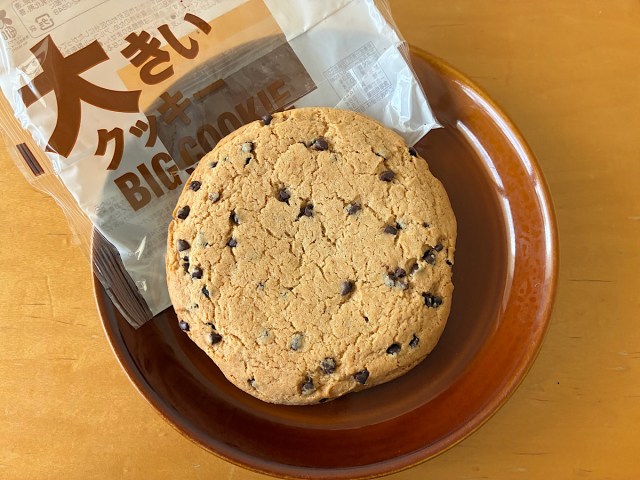
1. The FamilyMart "Big Cookie"
- Diameter: 13 centimeters (5.12 inches)
- Weight: 170 grams (6 ounces)
- Thickness: ~1.5 centimeters
- Price: 258 yen (approx. $1.60 USD)
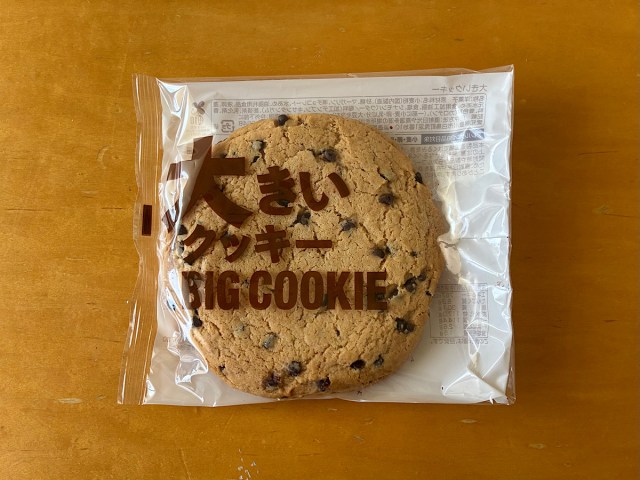
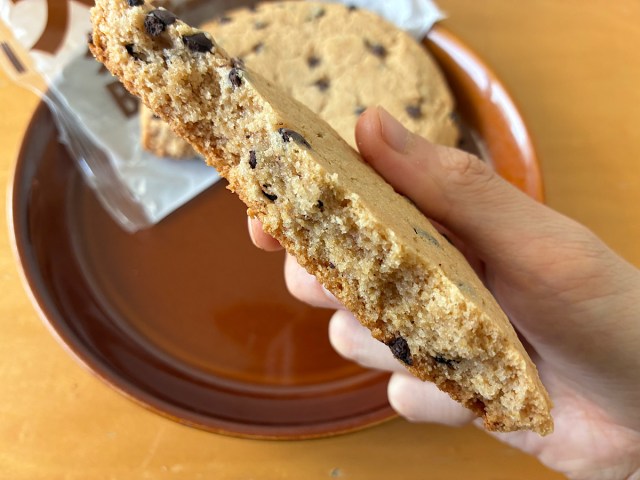
- Primary Characteristics: The sheer volume of the product is its most defining trait. Upon opening the packaging, the consumer is greeted by a distinct, warm aroma of cinnamon. The texture is a blend of a crisp exterior that gives way to a crumbly, soft interior.
2. The 7-Eleven "Baked In-Store Chocolate Cookie"
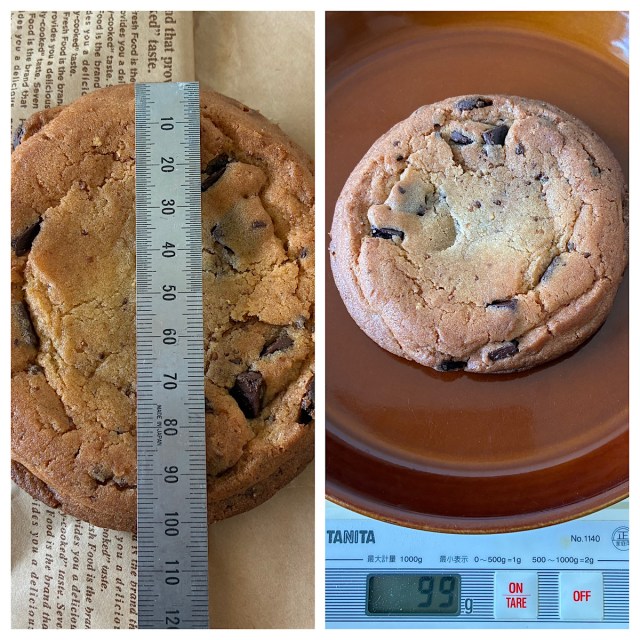
- Diameter: 10 centimeters
- Weight: 99 grams
- Thickness: ~1 centimeter
- Price: 200 yen (approx. $1.25 USD)
- Primary Characteristics: While physically smaller, this cookie benefits from its service model. Because it is warmed by the staff, the chocolate components achieve a gooey, molten consistency that a pre-packaged cookie cannot emulate.
Sensory Analysis: The Taste Test
When comparing the two, the divergence in approach becomes clear.
The FamilyMart Experience
The "Big Cookie" is designed for the consumer who wants a substantial, filling experience. Its size makes it a viable meal replacement for those on the go. The inclusion of cinnamon provides a sophisticated flavor profile that prevents the high sugar content from becoming cloying. However, when we attempted to simulate the "freshly baked" experience by microwaving the cookie, the result was structurally compromised. The base became overly soft and slightly soggy, suggesting the product is optimized for room-temperature consumption rather than heat-based enhancement.
The 7-Eleven Experience
The 7-Eleven offering feels like an "American-style" chewy cookie—a departure from the typically crunchy biscuits found in the Japanese market. The fragrance of the chocolate is significantly more pronounced due to the warming process. Even as the cookie cooled to room temperature, the integrity of the texture remained, and the dense chocolate chunks provided a superior mouthfeel.
The "Home Simulation" Failure
To ensure a fair trial, we attempted to bridge the gap by applying heat to the FamilyMart cookie. Unfortunately, the results confirmed that 7-Eleven’s product is engineered for the heated display case, whereas FamilyMart’s is engineered for the snack shelf. The resulting sogginess of the heated FamilyMart cookie highlighted the importance of a chain’s infrastructure in defining the final quality of the product.
Official Stances and Industry Implications
While neither corporation has issued a formal press release regarding their competitor’s product, industry analysts note that the competition is symptomatic of a larger shift in the Japanese retail sector.
- Premiumization: Japanese consumers are increasingly willing to pay for "fresh" over "long-lasting." This shift is forcing all major chains to invest in equipment that allows for on-site finishing of products.
- The Experience Economy: The act of ordering a cookie from a heated cabinet, having it warmed by staff, and receiving it in a specialized bag transforms a simple transaction into a "service event." This increases customer stickiness, as shoppers are more likely to return to the store that provides a sensory-rich experience.
- The Value Equation: 7-Eleven’s pricing strategy—200 yen for a high-quality, warmed experience—positions it as the "smart" choice. While FamilyMart wins on total weight and volume, 7-Eleven wins on the "perceived value" of the eating experience.
Conclusion: The Verdict
After careful consideration of the data, the winner of this clash is clear: 7-Eleven’s "Baked In-Store Chocolate Cookie."
While the FamilyMart "Big Cookie" is an impressive feat of logistics and a satisfying snack for those seeking pure volume, it lacks the technical cohesion of the 7-Eleven competitor. The 7-Eleven cookie feels like an elevated, artisan-adjacent product. Its chewiness, combined with the professional warming service and a more intense chocolate profile, makes it a superior culinary experience.
As the FamilyMart campaign is temporary, the "Big Cookie" will eventually shrink to its standard size, at which point its primary competitive advantage—sheer mass—will disappear. 7-Eleven’s consistent, high-quality offering, however, is a permanent fixture of their menu.
For the average consumer in Japan, the takeaway is simple: when you crave a cookie, prioritize the chain with the heated display. And for those looking to pair their treat, the current 7-Eleven trend of coupling these cookies with their new, highly-praised creamy iced latte makes for the quintessential modern konbini experience. As this battle continues, we look forward to seeing how FamilyMart iterates on their recipe to reclaim the crown in this high-stakes, high-sugar arena.


 Neng Nana
 Asro
Asro