Basiran
In the landscape of 2026 home entertainment, the streaming device market has reached a point of saturation. Consumers are no longer just looking for a way to watch Netflix or YouTube; they are looking for a cohesive, snappy, and feature-rich ecosystem that bridges the gap between hardware and software. For years, the Google TV Streamer has held the crown as the de facto "must-have" box for enthusiasts. However, a new challenger has arrived, and it carries the humble branding of a big-box retailer.
The Walmart Onn 4K Pro (2026) has officially arrived, and it is poised to disrupt the market by offering flagship-tier features at a sub-$60 price point. While the Google TV Streamer remains a formidable opponent, a month of rigorous, daily testing reveals that the Onn 4K Pro is not just a budget alternative—it is a legitimate contender for the best streaming device of the year.
Main Facts: The Anatomy of the 2026 Onn 4K Pro
The Onn 4K Pro (2026) is an evolutionary, rather than revolutionary, step forward from its 2024 predecessor, but it refines the user experience in ways that matter most.
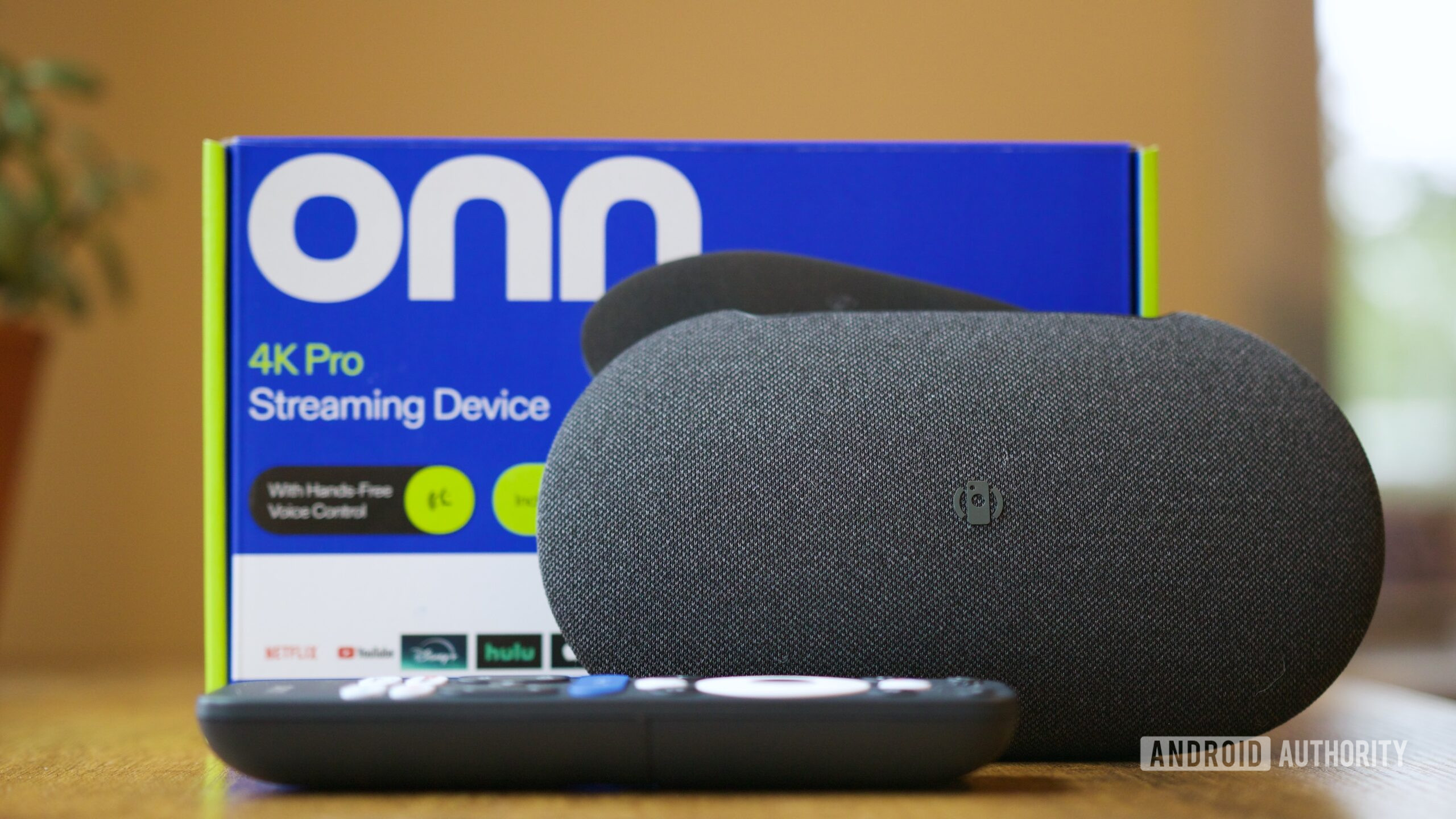
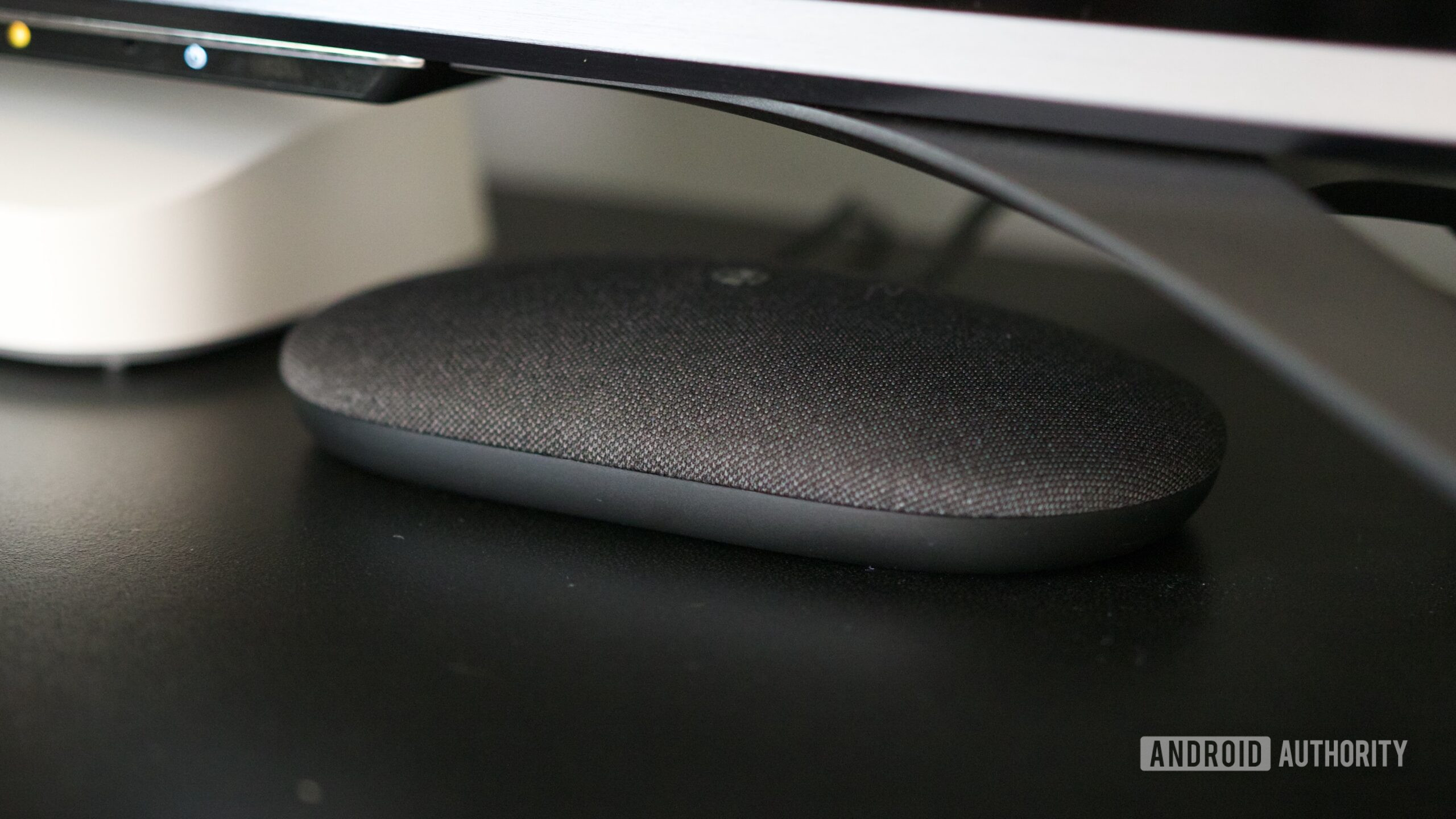
- Design and Build: The device has moved away from the utilitarian square of the 2024 model, adopting a sleek, flat, oval form factor that mirrors the premium aesthetic of the Google TV Streamer. The addition of a fabric-topped finish gives it a living-room-friendly, homey aesthetic.
- Core Performance: Beneath the hood lies a modernized chipset that keeps the Google TV interface buttery smooth. Whether navigating through dense app libraries or jumping between 4K HDR streams, the device shows no signs of stutter.
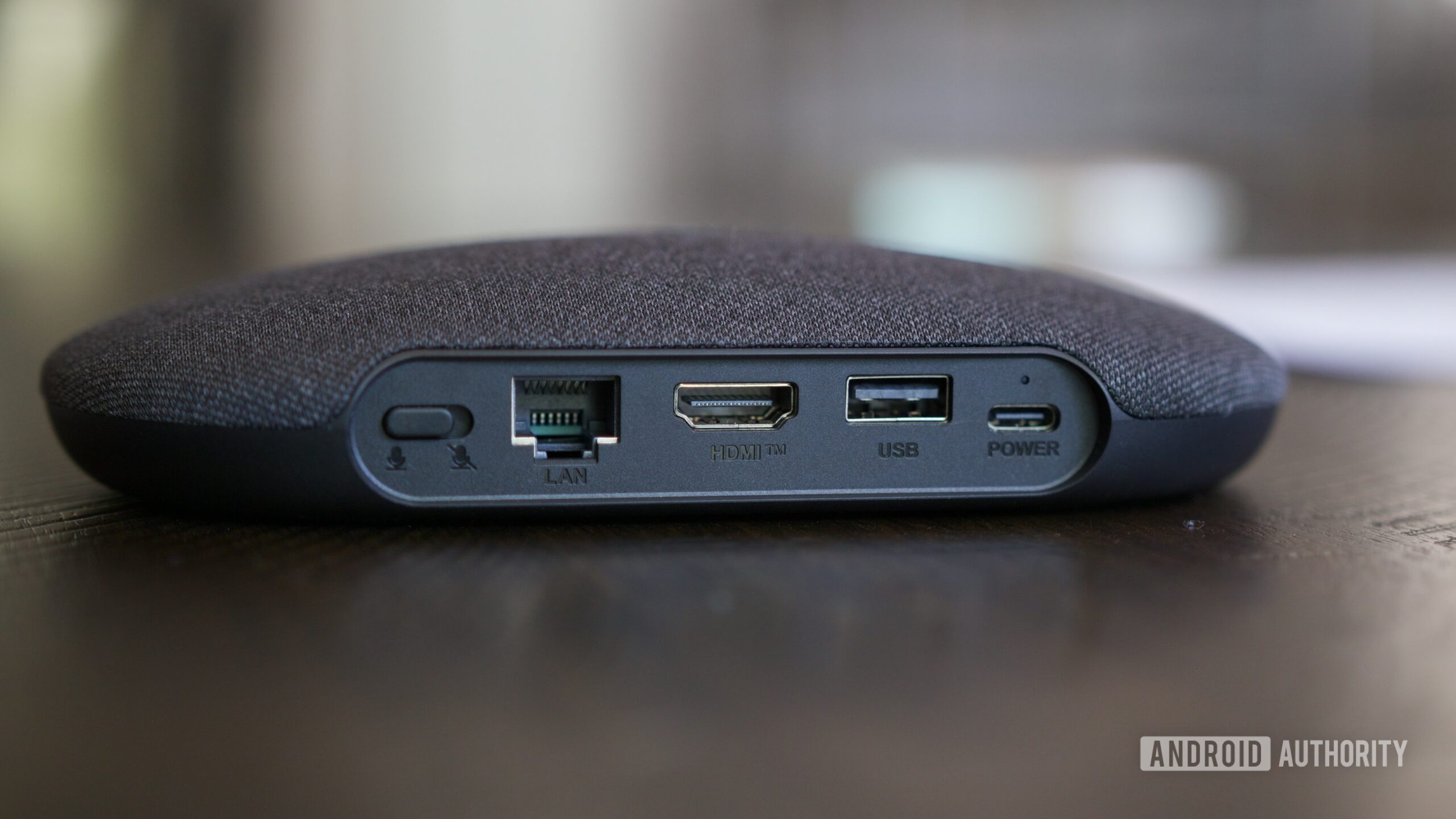
- Connectivity: The I/O panel is a standout. It includes a USB-C power input, an HDMI output, an Ethernet port, and a full-size USB-A port—the latter of which is notably absent from the more expensive Google TV Streamer.
- Audio/Video: Full support for Dolby Vision and Dolby Atmos ensures that the device can keep pace with modern high-end home theater setups.
- Storage: With 32GB of internal storage, users have ample room for a massive library of apps and OS updates, future-proofing the device for years to come.
A Chronology of the Testing Experience
To understand the long-term viability of the Onn 4K Pro, it is essential to look at how it performed over a four-week stress test.
Week 1: Unboxing and Integration
The initial setup was seamless. Integration with a Google account took mere minutes via the Google Home app. The physical design immediately felt more premium than the previous generation, blending unobtrusively into an entertainment center. The "Find My Remote" button—a feature that triggers a chirping alarm and flashing LED on the remote—proved its worth within the first 48 hours of use.
Week 2: Testing the Ecosystem
The second week focused on peripheral support. By utilizing the USB-A port, I was able to connect a mechanical keyboard for easier navigation and a high-speed thumb drive for local media playback. The device recognized these peripherals instantly, acting more like a mini-PC than a simple streaming stick.
Week 3: The "Smart Home" Phase
I enabled the hands-free "Hey Google" voice commands using the physical microphone toggle on the rear of the device. The integration is surprisingly robust. The Onn 4K Pro essentially functions as a mini-Gemini speaker, handling smart home requests, weather inquiries, and playback controls with a higher success rate than some of the dedicated smart displays currently in my home.
Week 4: Long-Term Reliability
The final week was designed to push the device to its limits. I kept it running for extended periods, jumping between resource-heavy applications like 4K streaming services, light gaming, and browser-based interfaces. After a month, the system remains as responsive as it was on day one, with 23GB of storage still available after installing 13 heavy-duty apps.
Supporting Data: Value Proposition and Performance Metrics
The primary conflict for consumers in 2026 is the price-to-performance ratio between the $60 Onn 4K Pro and the $100 Google TV Streamer. When we look at the raw data, the argument for the Onn 4K Pro becomes increasingly compelling.
Comparative Hardware Specs
| Feature | Onn 4K Pro (2026) | Google TV Streamer |
|---|---|---|
| Price | $59.98 | $99.99 |
| Storage | 32GB | 32GB |
| RAM | 3GB | 4GB |
| Ethernet | 100Mbps | 1Gbps |
| USB-A Port | Included | Not Included |
| Voice Control | Hands-free/Remote | Remote-only |
While the Google TV Streamer boasts a faster Ethernet port and 1GB of additional RAM, these specs rarely impact the average user’s daily experience. A 100Mbps Ethernet connection is more than sufficient for high-bitrate 4K streaming, and the optimized OS allows 3GB of RAM to feel perfectly adequate for multitasking.
Official Responses and Industry Context
While Walmart has not released a formal "response" to the comparisons, the product’s design language suggests a clear strategy: provide a high-end experience at an accessible price point to capture the mass market. Analysts note that Walmart’s strategy relies on the "halo effect," where a high-quality, low-cost electronics device brings customers into the ecosystem of the store, both physically and digitally.
Conversely, Google’s position with the Google TV Streamer remains focused on the premium, power-user demographic. Google has emphasized that their streamer is designed for tight integration with the broader Google Home ecosystem and Matter-compatible devices, justifying the higher price tag with superior chip performance and long-term software update guarantees.
Implications: The Shifting Streaming Paradigm
The success of the Onn 4K Pro has significant implications for the streaming hardware market.
1. The Death of the "Cheap" Streaming Stick
For years, budget streaming devices were synonymous with "laggy," "unreliable," and "poorly built." The Onn 4K Pro breaks this stereotype. It demonstrates that manufacturers can achieve a premium build quality and a high-performance experience without forcing the consumer into the $100+ price bracket. This forces other manufacturers—including giants like Roku and Amazon—to either lower their prices or significantly improve the hardware specs of their mid-range devices.
2. The Power of "Nice-to-Haves"
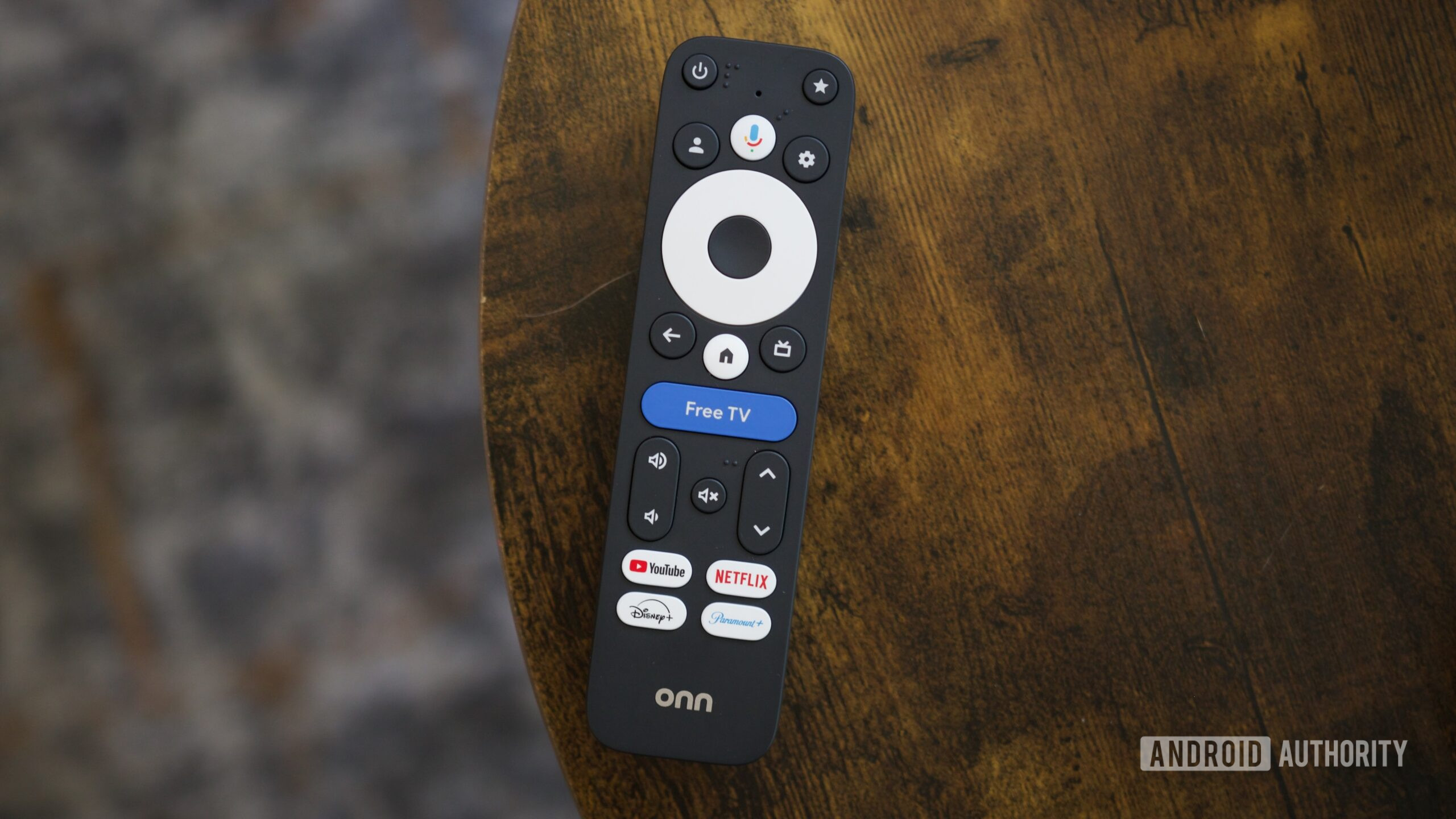
Features like the physical microphone toggle, the Find My Remote button, and the inclusion of a USB-A port show that Walmart is listening to the power-user community. These are not features typically found on budget hardware, and their inclusion makes the Onn 4K Pro feel like a gadget designed by people who actually use these devices daily.
3. The Diminishing Returns of "Flagship" Streamers
The most important takeaway for the average consumer is the concept of diminishing returns. Does the Google TV Streamer offer a better experience? Technically, yes—it has more headroom for the future. However, is it twice as good as the Onn 4K Pro? The consensus from this review is a firm no. For the overwhelming majority of households, the extra $40 spent on the Google TV Streamer is money that could be better spent on a subscription service or a better HDMI cable.
Conclusion: Should You Buy the Onn 4K Pro (2026)?
If you are a casual user or even a tech-savvy enthusiast who wants a reliable, fast, and feature-packed streaming experience, the answer is an emphatic yes. The Onn 4K Pro (2026) is the new benchmark for value in the home entertainment sector.
While it lacks the sheer processing power and the 1Gbps Ethernet port of the premium Google TV Streamer, those gaps are rarely felt in real-world scenarios. The device is elegant, responsive, and intelligently designed. It offers a level of polish that was previously reserved for devices costing twice as much.
Unless you are a power user who specifically requires gigabit-speed wired connectivity or absolute maximum RAM for intensive local media transcoding, the Onn 4K Pro is, quite simply, the best device you can put under your television today. It has successfully shifted the goalposts, and it will be interesting to see how the rest of the industry responds to this high-value, low-cost titan.


 Laily UPN
 Nana Muazin