Iffa Jayyana
In the landscape of modern television, few shows have managed to capture the frantic, surreal, and deeply human spirit of the digital age quite like Smiling Friends. Created by the visionary duo Zach Hadel and Michael Cusack, the series arrived as a bolt of lightning, blending lo-fi animation aesthetics with high-concept existential comedy. Over the course of its three-season run, the Adult Swim staple challenged the conventions of the medium, proving that a show doesn’t need a massive budget or a traditional narrative structure to leave an indelible mark on pop culture.
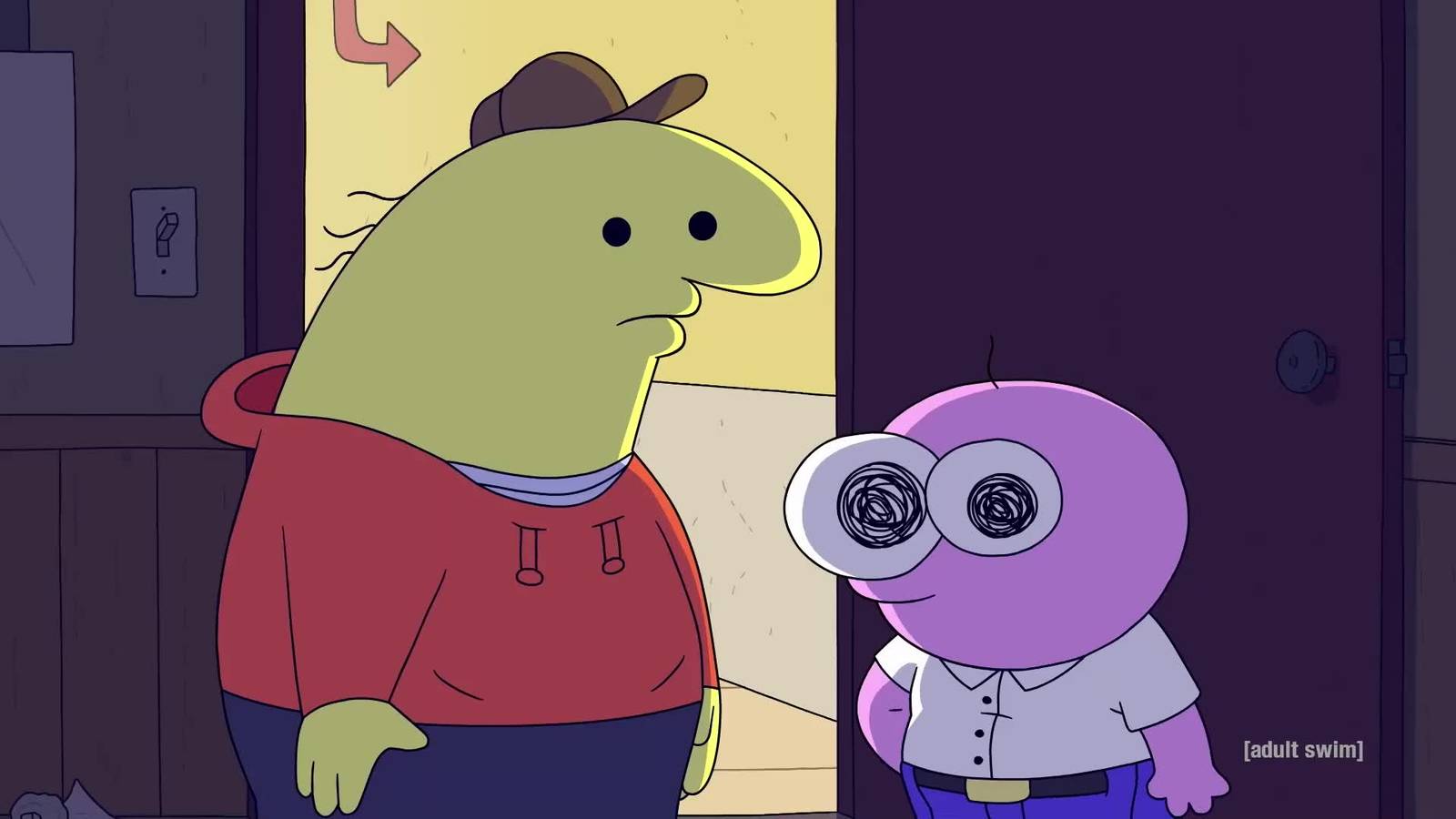
While the announcement that the series will conclude after its third season has understandably left fans mourning, there is a certain poetic justice in its brevity. In an era of television defined by endless reboots and bloated season orders, Smiling Friends stands as a testament to the power of artistic discipline. It exited at its peak, avoiding the inevitable decline that plagues so many long-running comedies, and left behind a catalog of 27 perfect, bite-sized episodes that demand to be revisited.

The Chronology of Chaos: A Retrospective of Highlights
Smiling Friends is, by design, a breezy viewing experience. With episodes clocking in at roughly 10 to 11 minutes, the entire series can be consumed in a single sitting. However, beneath the frantic pacing and the visual "multimedia mayhem" lies a series of episodes that represent the pinnacle of comedic writing.
The Foundation: "Desmond’s Big Day Out"
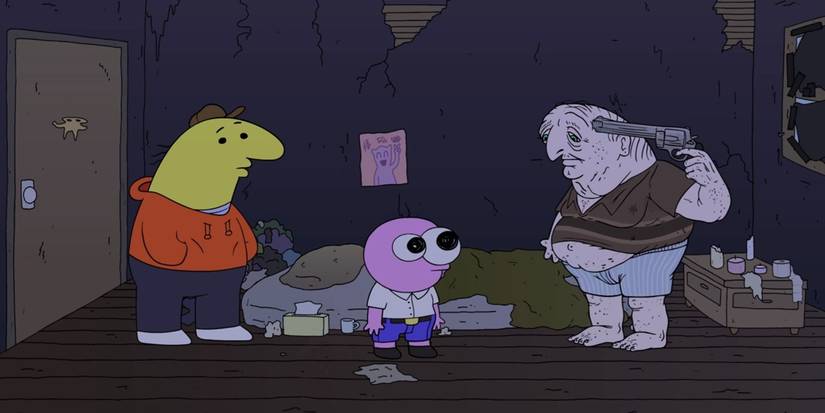
The pilot episode of Smiling Friends is nothing short of a miracle. Most television series require a "ramp-up" period to find their voice, but Hadel and Cusack hit the ground running. By centering the premiere on the dark, complex character of Desmond, the show immediately established its unique identity: a juxtaposition of saccharine optimism and grim reality. The sight of a character holding a gun to his head for the duration of the episode set a tone of high-stakes, shocking comedy that would define the show’s legacy.
The Sophomore Surge: "Gwimbly" and "Mr. President"
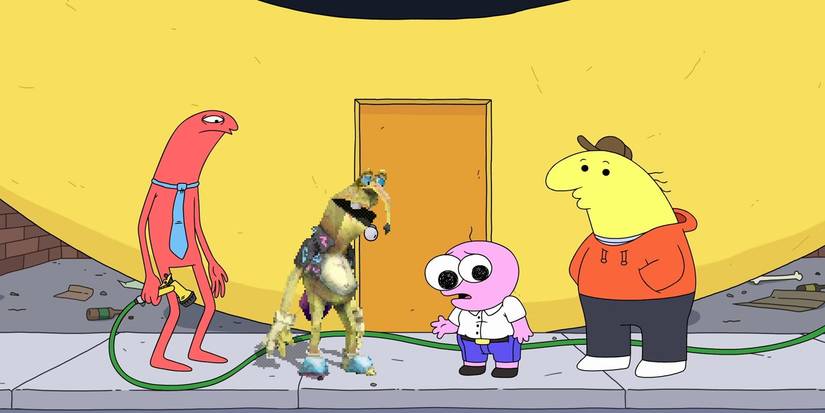
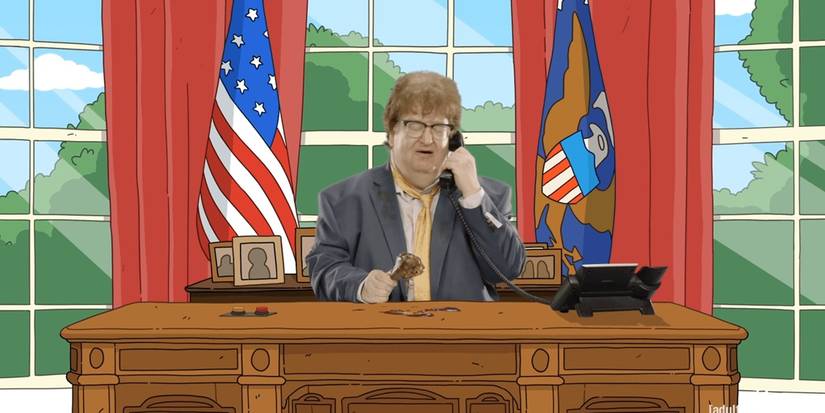
Returning for a second season is often where animation projects falter, but Smiling Friends used its premiere to evolve. "Gwimbly: Definitive Remastered Enhanced Extended Edition DX 4K" was a masterclass in meta-humor. By introducing a washed-up, fictional video game mascot, the show explored the absurdity of nostalgia culture. This was quickly followed by "Mr. President," a daring dip into political satire. Rather than taking a partisan stance, the episode opted to lampoon the inherent, crushing misery of high-level political office, proving that the show could pivot to social commentary without losing its signature edge.
Experimental Excellence: "A Allan Adventure"
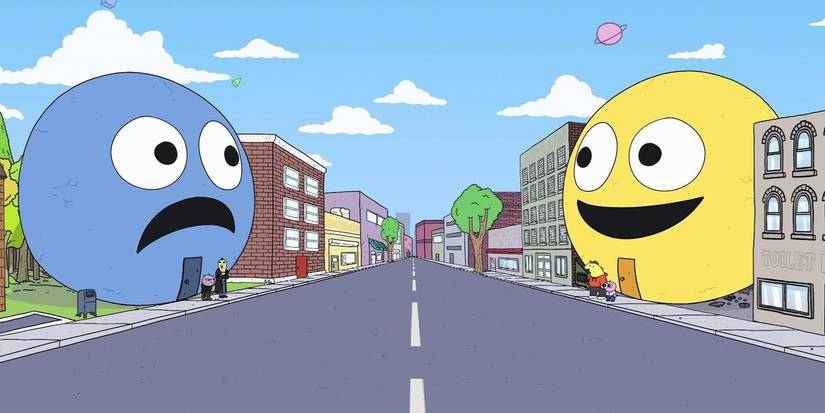
One of the most significant risks a show can take is shifting the focus from the lead duo—Pim and Charlie—to a secondary character. "A Allan Adventure" proved that the Smiling Friends universe was deep enough to sustain this departure. It provided a much-needed spotlight for Allan, allowing the writers to explore his deadpan cynicism against the backdrop of an increasingly chaotic world. It stands today as a prime example of how supporting characters can be elevated to carry a narrative weight that feels both earned and hilarious.
The Peak: "Shrimp’s Odyssey"
If there is one episode that encapsulates the heart of the series, it is "Shrimp’s Odyssey." Featuring a guest performance by David Firth, the episode tells the story of a pathetic, relatable shrimp attempting to win back his ex-girlfriend. It is the perfect distillation of the show’s philosophy: finding profound empathy for the most bizarre, seemingly unlovable creatures. It is arguably the funniest, most cohesive episode of the entire run, and for many viewers, it serves as the definitive entry point into the world of the Smiling Friends.
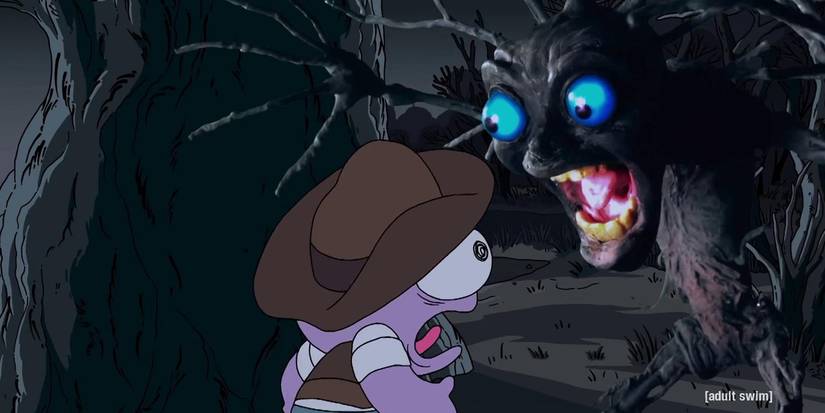
Supporting Data: The Anatomy of an Adult Swim Hit
The success of Smiling Friends cannot be attributed to a single factor. Rather, it is the result of a "perfect storm" of creative elements:
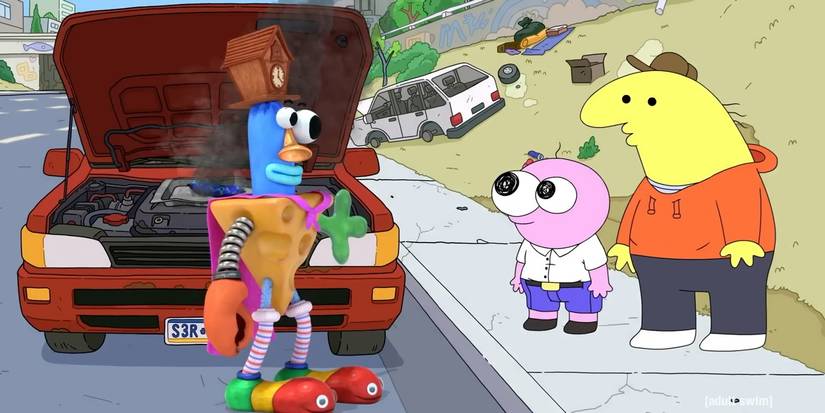
- Format Constraints: The 11-minute runtime forces a relentless pace. There is no time for filler; every second is packed with visual gags, rapid-fire dialogue, or unsettling shifts in animation style.
- Multimedia Integration: The show frequently breaks the "fourth wall" of animation, incorporating live-action footage, claymation, and varying artistic textures. This lack of visual consistency isn’t a flaw—it is a feature that keeps the audience in a state of constant, delightful disorientation.
- The "Optimism vs. Cynicism" Dynamic: The core of the show—Pim’s unyielding, sometimes dangerous, optimism and Charlie’s grounded, weary cynicism—mirrors the internal conflict of the modern viewer. This dynamic provides a stable emotional anchor for even the most absurd plots.
- The Guest Performance Factor: From Conner O’Malley’s rage-filled turn in "Silly Samuel" to the voice work that brought minor characters to life, the show utilized a network of comedic talent that pushed the writing to be sharper and more aggressive.
Official Responses and Creative Intent
The creators, Zach Hadel and Michael Cusack, have remained largely consistent in their public commentary regarding the show’s conclusion. They have expressed a desire to keep the series "pure," avoiding the temptation to stretch the premise until it thins out.
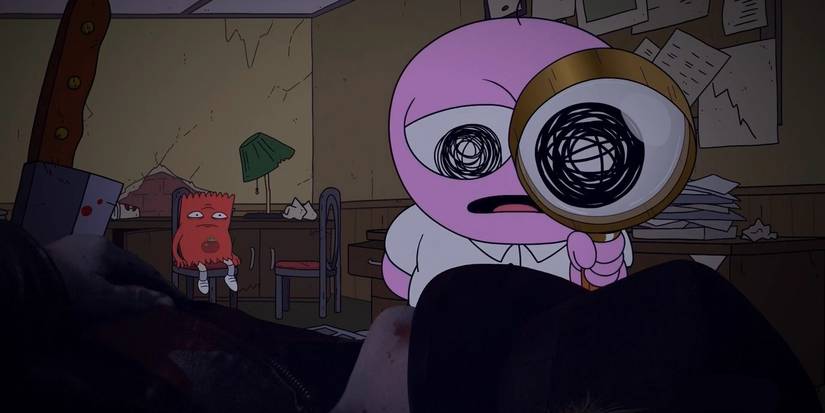
In interviews, Hadel has often alluded to the fact that the show was designed to be a "moment in time." By ending the show after three seasons, the creators are effectively curating their legacy. Adult Swim has been fully supportive of this creative decision, recognizing that Smiling Friends has achieved a "cult classic" status that often eludes shows that run for a decade or more. The consensus among the creative team is that they have told the stories they set out to tell, and that anything further would be a disservice to the fans who appreciate the show’s deliberate brevity.
Implications for the Future of Animation
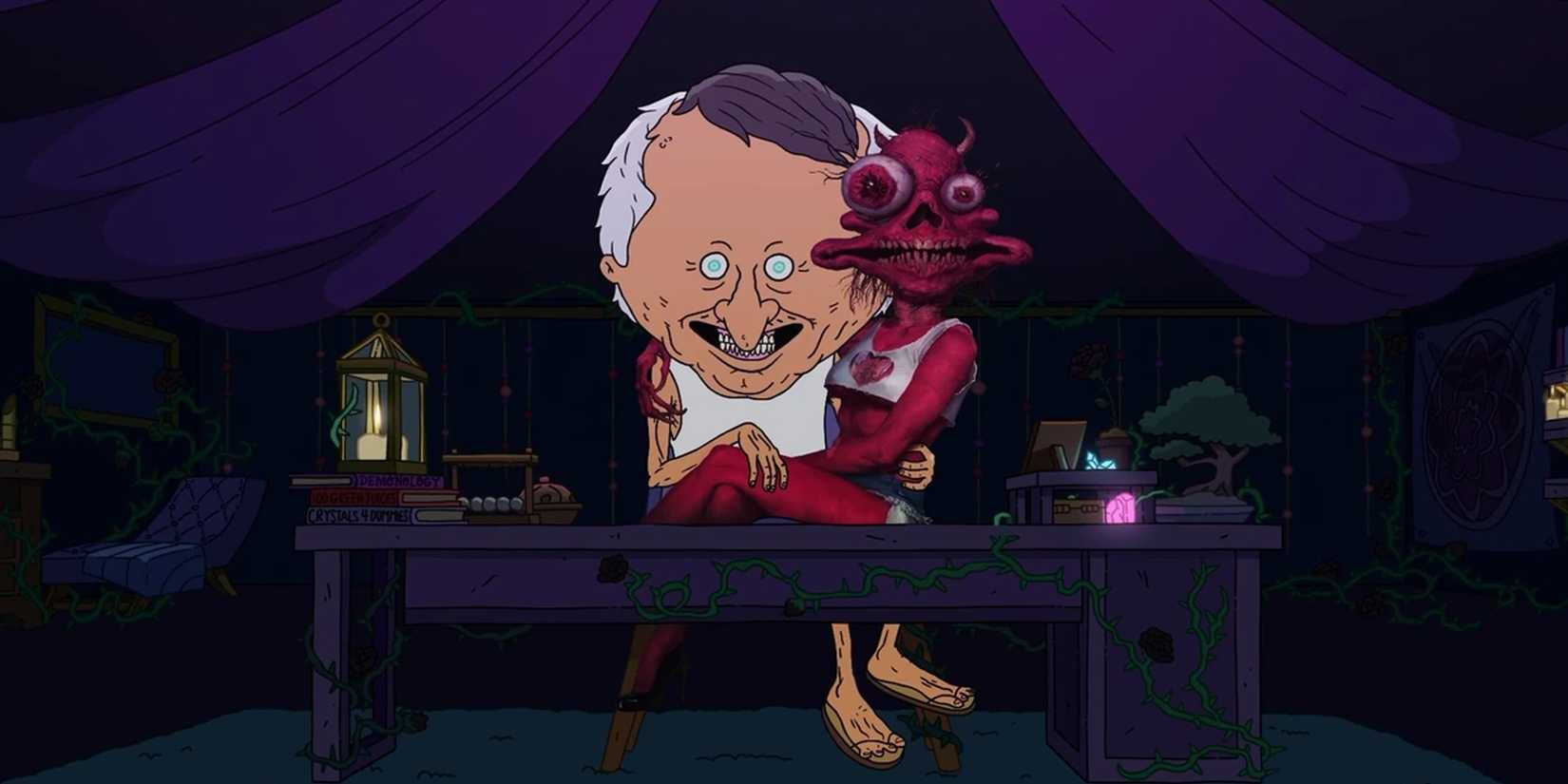
The end of Smiling Friends sends a powerful message to the animation industry: short-form, high-concept, creator-driven content is not just viable—it is highly desirable. In a market dominated by massive IPs and multi-season renewals, Smiling Friends has demonstrated that there is an immense audience for original, risk-taking animation.
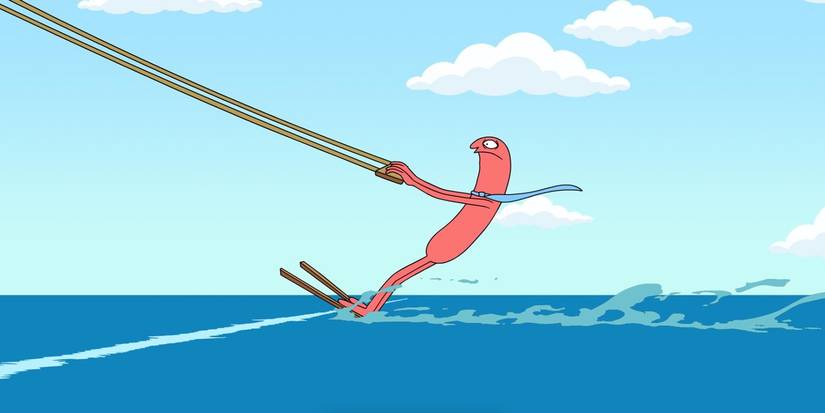
The "implication" here is twofold. First, it validates the "Adult Swim" model of providing a platform for unconventional creators to experiment with form. Second, it serves as a cautionary tale for larger studios: quality will always trump quantity. The show’s rapid-fire success suggests that viewers are becoming increasingly savvy, preferring a tight, well-executed run of episodes over a bloated series that loses its way after the second season.
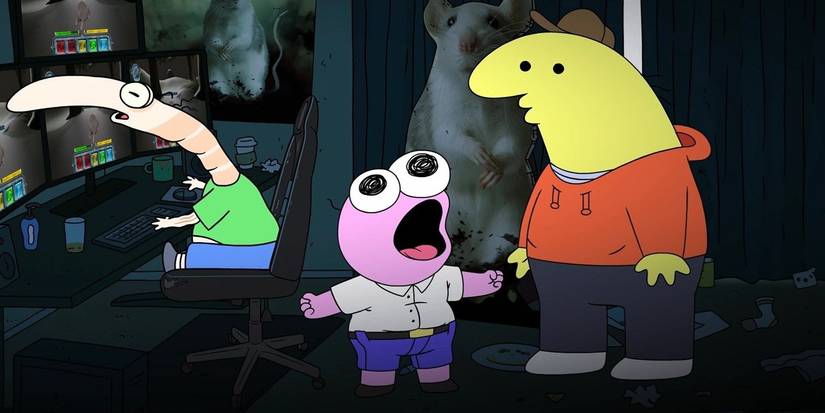
As the final credits roll on the third season, Smiling Friends leaves behind a void that will be difficult to fill. It challenged what it meant to be a "comedy" in the 2020s, blending the surreal with the relatable in a way that felt entirely new. While the journey may be over, the impact of the show’s "smiling" philosophy will undoubtedly influence the next generation of animators, writers, and comedians. It was, by all accounts, a daring experiment that succeeded in every metric that matters—leaving us all wanting just a little bit more, which is perhaps the greatest compliment any show could ever receive.

 Azzam Bilal Chamdy
 Reynand Wu