Asep Darmawan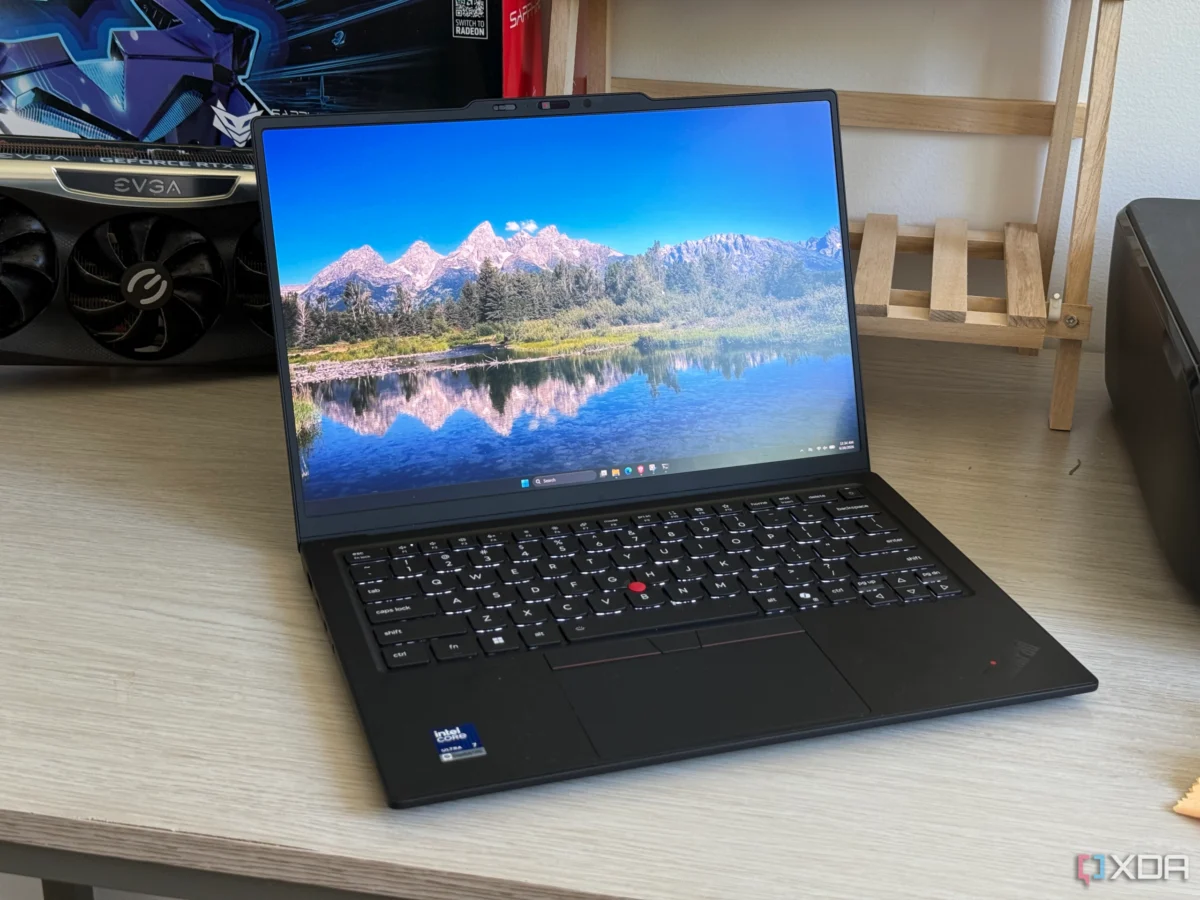
For over a decade, the Lenovo ThinkPad X1 Carbon has occupied the rarefied air of the "laptop elite." It is the device against which all other business machines are measured—a delicate balance of portability, industrial durability, and executive-level performance. With the arrival of the Gen 14 Aura Edition, Lenovo is not merely iterating; they are attempting to perfect a formula that many critics assumed had already reached its zenith. Following a rigorous evaluation, it is clear that the crown jewel of the ThinkPad lineup has not only retained its luster but has managed to solve the lingering pain points of previous generations.
Main Facts: The Evolution of a Business Icon
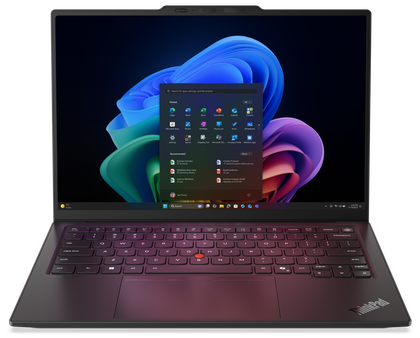
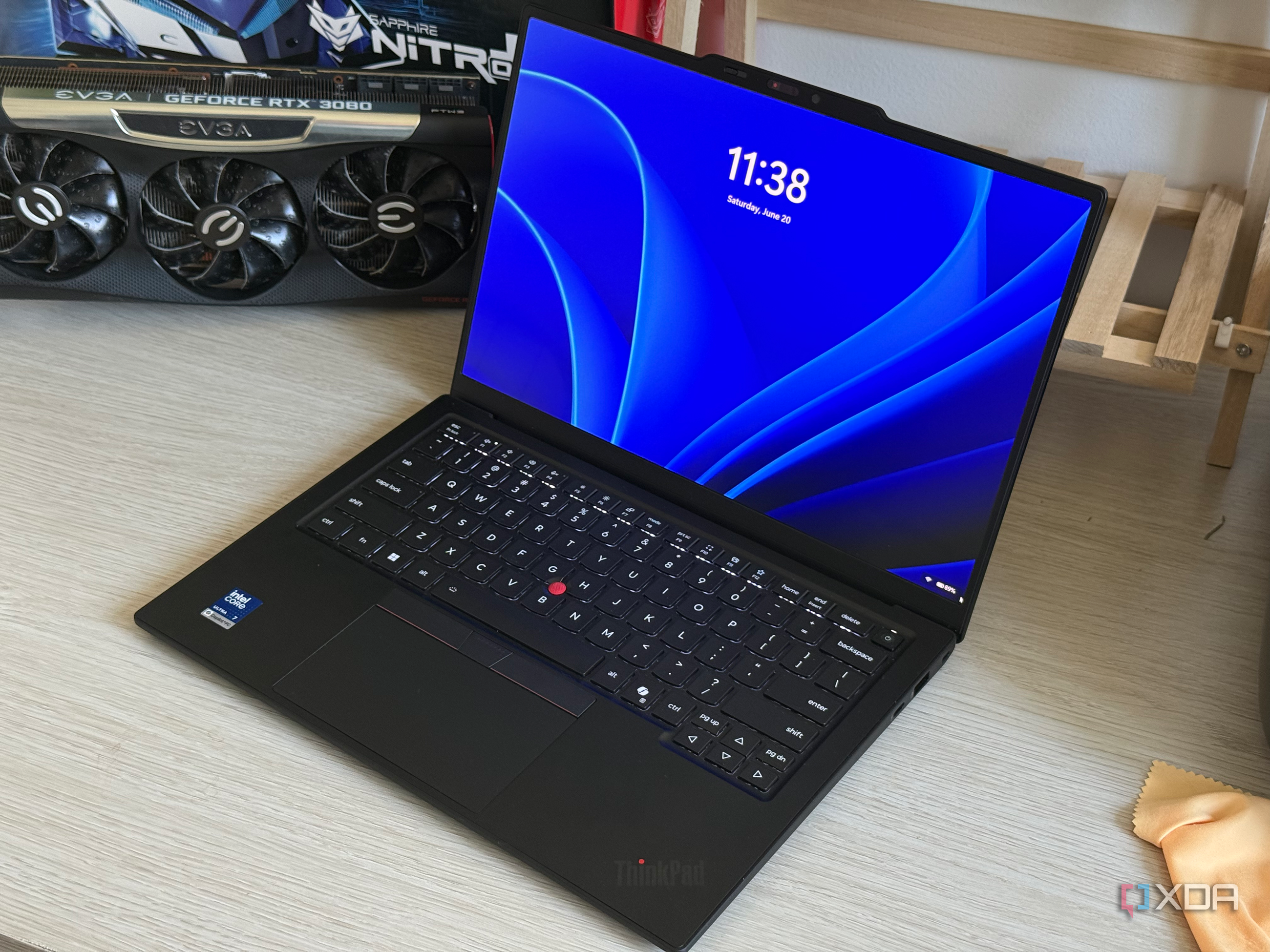
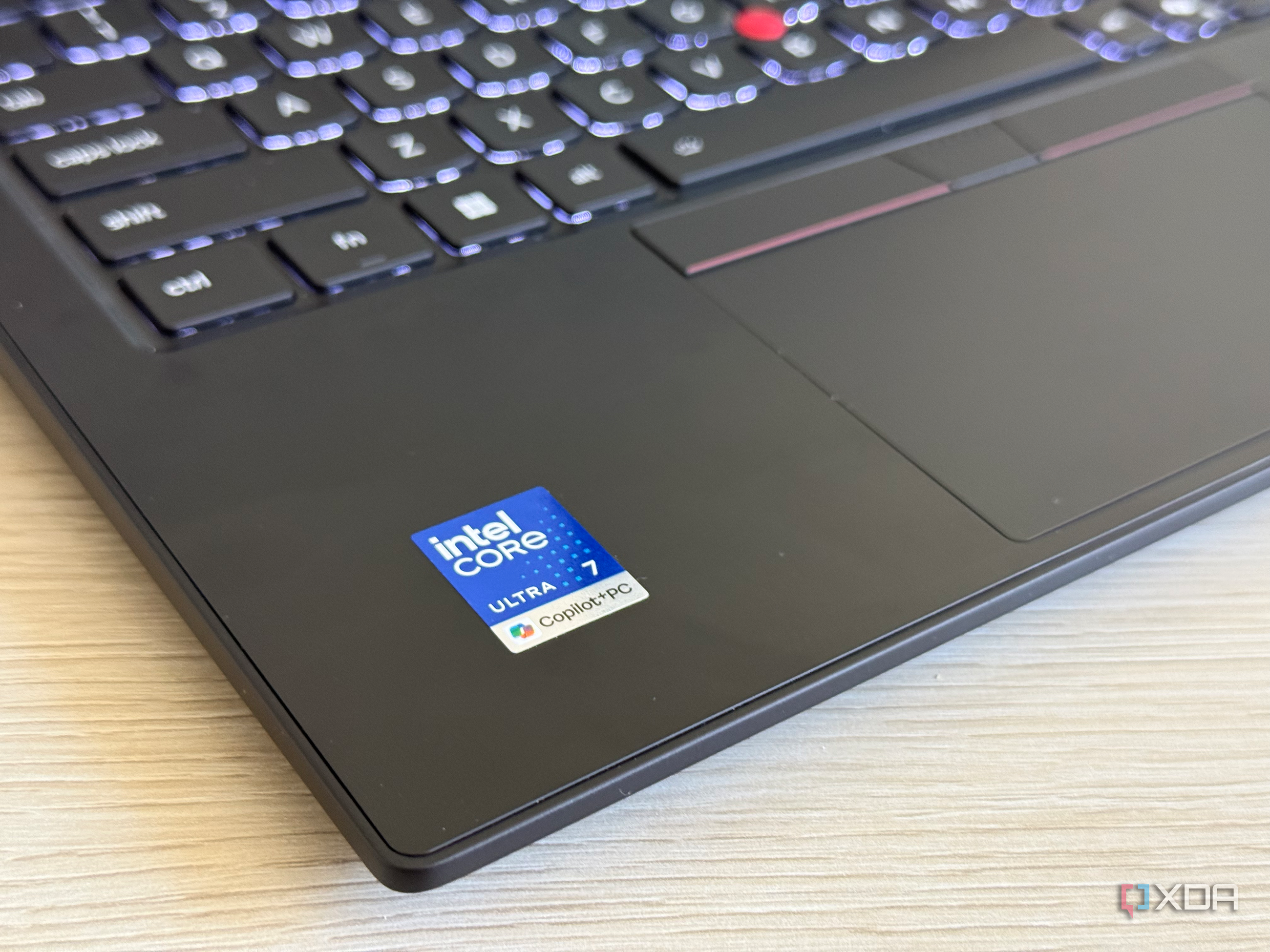
The Lenovo ThinkPad X1 Carbon Gen 14 represents a significant leap forward in hardware integration and chassis engineering. At its core, the device is powered by the latest Intel Core Ultra X7 Series 3 processors, leveraging the "Panther Lake" architecture. This silicon upgrade is the primary driver behind the laptop’s newfound balance between raw power and thermal efficiency.
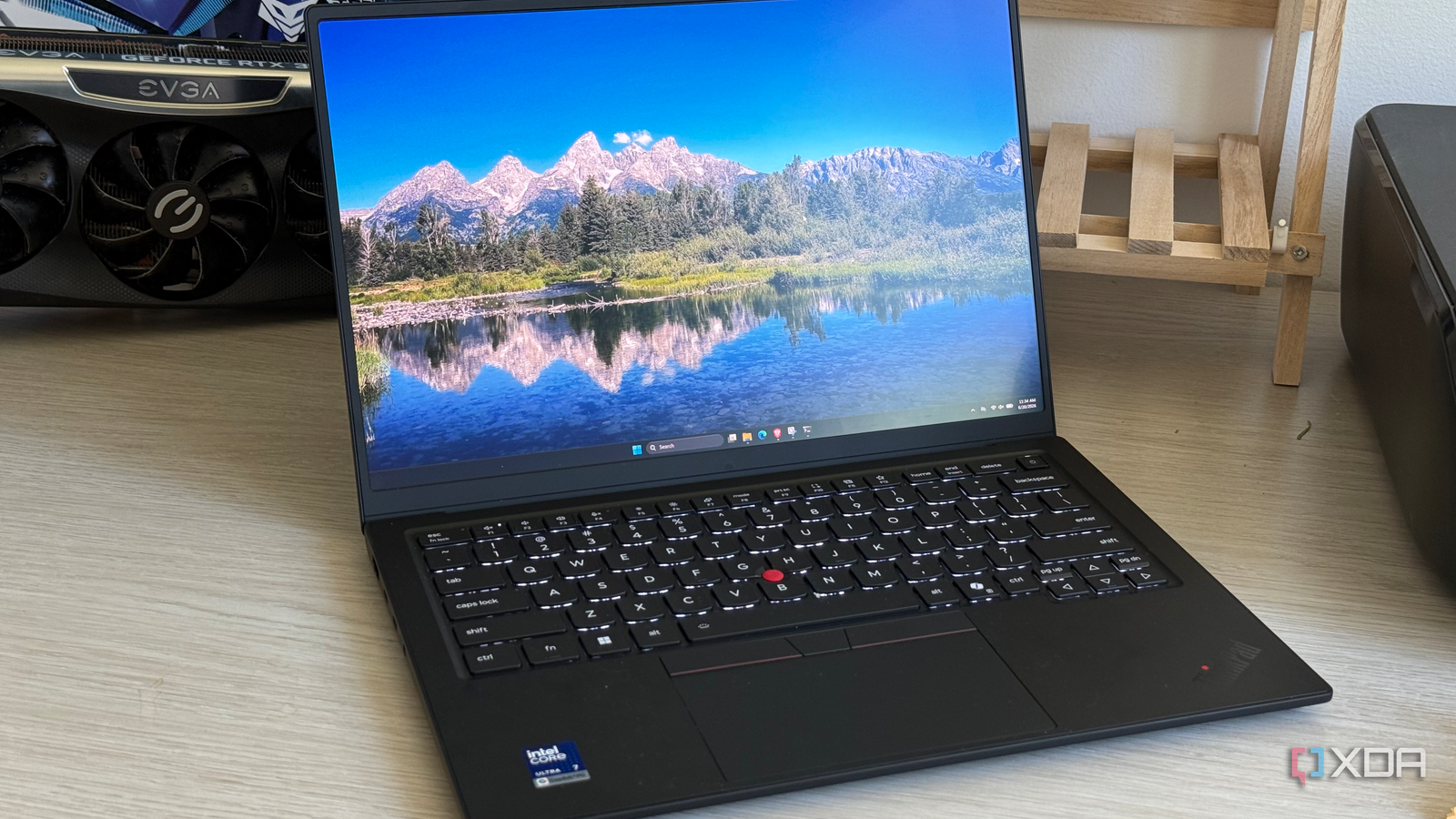
Key technical specifications include:
- Processor: Up to Intel Core Ultra X7 Series 3.
- Graphics: Integrated Intel ARC 12Xe or standard Intel Integrated graphics.
- Memory: Up to 64GB LPDDR5x 9600MT/s RAM.
- Storage: Up to 1TB PCIe Gen 4 NVMe SSD.
- Display: 14-inch 2.8K (2880×1800) OLED panel.
- Chassis: Carbon fiber top shell with a magnesium alloy bottom.
- Weight: Starting at a staggering 0.977 kg (2.15 lbs).
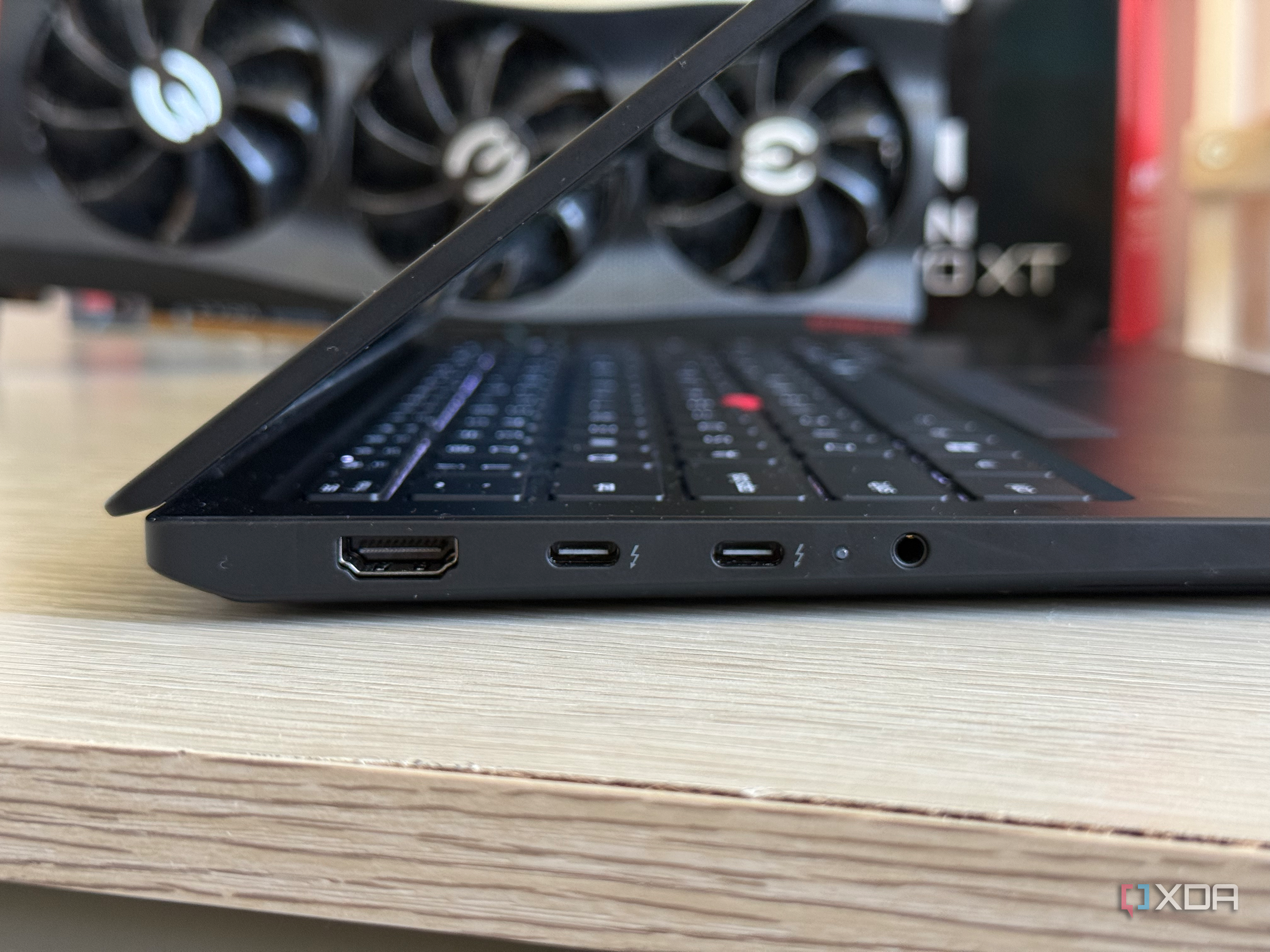
The most striking change for the Gen 14 is the structural redesign. Lenovo has implemented a "Space Frame" architecture, which allows for the placement of components on both sides of the mainboard. This design choice is not purely aesthetic; it facilitates superior thermal dissipation and, crucially, elevates the laptop’s repairability to a level rarely seen in ultrabooks.

Chronology: From Concept to Consumer
The journey to the Gen 14 began with the critical feedback loop established during the Gen 13 cycle. While the Gen 13 was lauded for its display and build, it faced consistent criticism regarding battery longevity—a common hurdle for high-performance OLED-equipped ultrabooks.
Lenovo’s development cycle for the Gen 14 prioritized three pillars: thermal management, battery optimization, and user-centric design. Following the integration of Intel’s Panther Lake platform in early 2026, the prototype phases moved quickly. By June 2026, the device transitioned from internal testing to public release, positioning itself as the flagship offering in Lenovo’s refreshed "Aura Edition" ecosystem. Unlike previous iterations, the Gen 14 was designed in tandem with software-level optimizations that allow for dynamic refresh rate adjustments, a feature that addresses the battery concerns of the previous year.
Supporting Data: Performance Under Pressure
To understand why the X1 Carbon Gen 14 outperforms its predecessors, one must look at the benchmarks. In standard productivity testing via PCMark 10, the Gen 14 achieved a score of 8,011 on AC power and 7,899 on battery. This represents a significant improvement over the Gen 13, which hovered around the 7,000-point mark.
| Test | X1 Carbon Gen 14 | X1 Carbon Gen 13 |
|---|---|---|
| PCMark 10 (AC) | 8,011 | 7,056 |
| Geekbench 6 (Multi) | 11,263 | 10,963 |
| Cinebench 2024 (Multi) | 582 | 551 |
The data confirms that the Panther Lake architecture provides a meaningful uplift in multi-core performance. Furthermore, the 3DMark scores indicate that while this is not a gaming machine, the integrated Intel ARC graphics are more than capable of handling creative workflows and light graphical tasks, pushing playable framerates in titles like GTA V: Enhanced Edition (30 FPS) and exceeding 144 FPS in Rocket League.
Perhaps the most impressive metric is the weight-to-performance ratio. Maintaining a 2.15 lb footprint while delivering this level of computational throughput—supported by an active cooling system that remains remarkably quiet—is a feat of engineering that places the X1 Carbon in a category of its own.
Official Responses and Industry Context
Lenovo has remained characteristically understated regarding the launch, focusing on the "Aura Edition" branding which emphasizes the harmony between hardware and intelligent software. While Lenovo provided the unit for review, they maintained a strict policy of non-interference with the editorial findings.
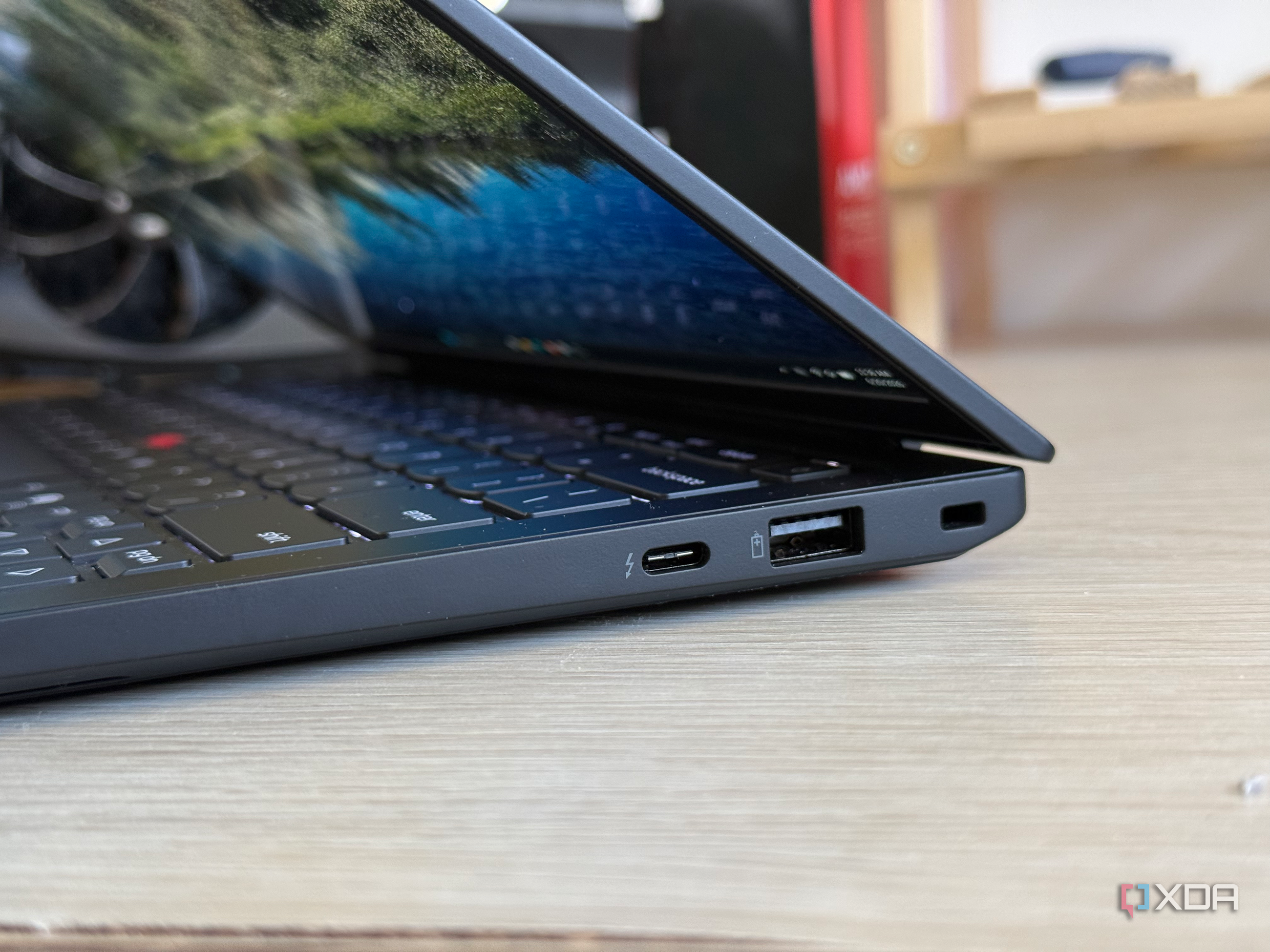
Industry experts have noted that the X1 Carbon’s move toward a "Space Frame" design is a direct response to the growing global pressure for the Right-to-Repair. By achieving an iFixit repairability score of 9/10, Lenovo is signaling to enterprise clients that the X1 Carbon is a long-term investment. In an era of planned obsolescence, this focus on modularity and accessible internals—requiring only four screws to open the base chassis—is a bold move that separates it from competitors who continue to solder essential components beyond the reach of the end-user.
Implications: The Future of the Enterprise Ultrabook
The implications for the business sector are profound. For a price point starting at $2,032, the X1 Carbon Gen 14 is undoubtedly an investment. However, when viewed through the lens of total cost of ownership (TCO), the value proposition shifts.
1. Longevity and Repairability
The decision to make the device easily serviceable means that IT departments can extend the lifecycle of their fleets. A 9/10 repairability score implies that battery swaps, SSD upgrades, and keyboard replacements are no longer "depot-only" repairs. This is a game-changer for enterprise sustainability goals and internal budget management.
2. The Battery Breakthrough
For years, the trade-off for a beautiful, high-resolution OLED screen was a tether to a wall outlet. The Gen 14’s ability to utilize dynamic refresh rates (VRR), combined with the efficiency of the Intel Panther Lake chips, finally breaks this cycle. Providing 5–8 hours of genuine, high-intensity screen-on time ensures that the "mobile" in "mobile workstation" finally carries its original meaning.
3. The "Aura" Ecosystem
By introducing the Aura Edition, Lenovo is attempting to create a more cohesive user experience. This involves deeper integration between the OS and the hardware, including smart power management and enhanced webcam features (utilizing a 10MP sensor with wide field-of-view and Immervision technology). This indicates a pivot from selling "specs" to selling "workflows."
Final Verdict: Is It Worth the Price?
The Lenovo ThinkPad X1 Carbon Gen 14 Aura Edition is a triumph of refinement. It is not the cheapest laptop on the market, nor is it the most powerful in terms of raw graphical capability. However, it is arguably the most balanced machine ever produced in this form factor.
You should buy this laptop if:
- You are an executive or professional who spends more than 50% of your day on the road or in meetings.
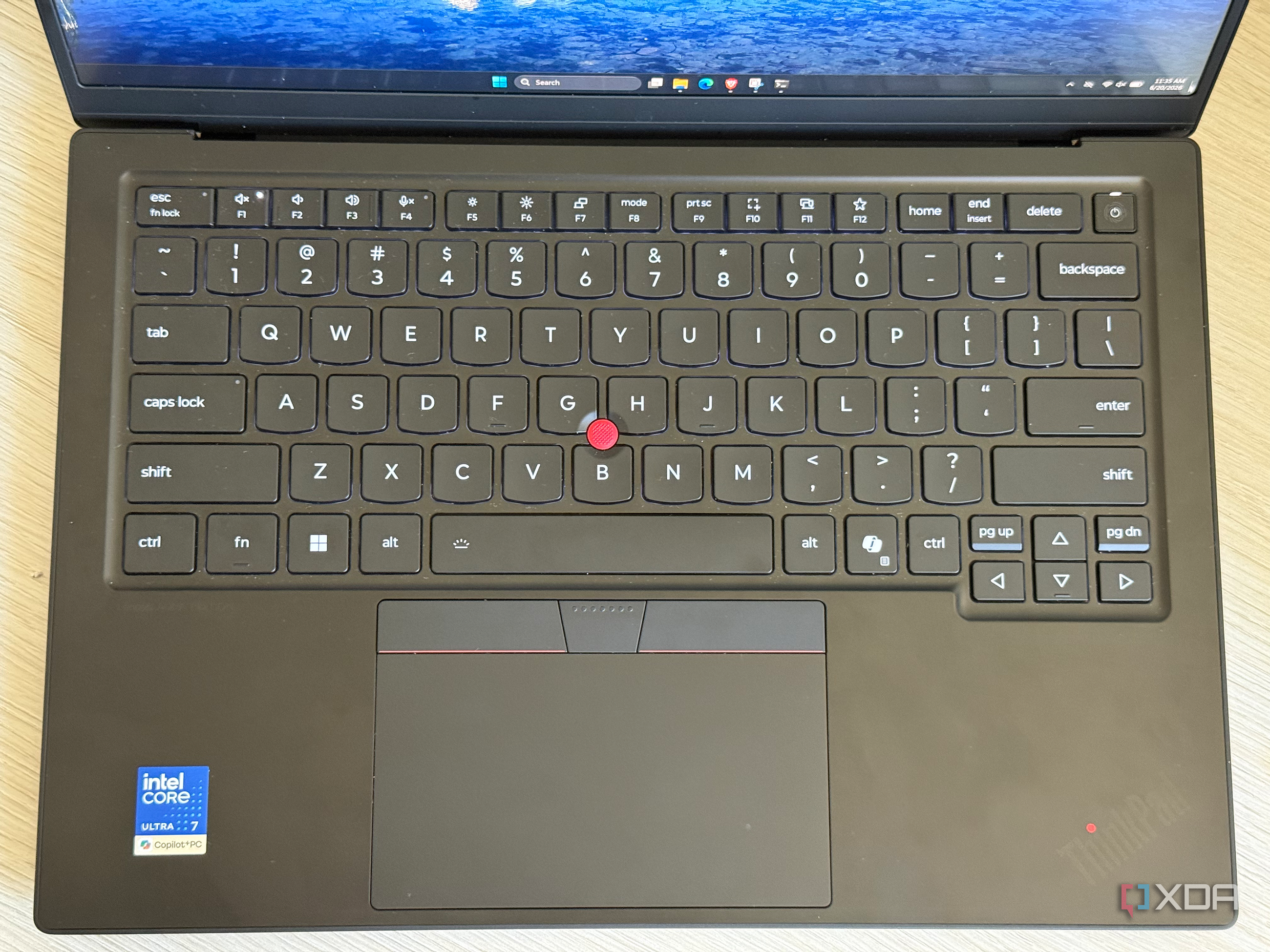
- You prioritize typing ergonomics and build quality above all else.
- You value long-term repairability and want a machine that can be maintained for years.
You should skip this laptop if:
- Your primary workflow involves heavy 3D rendering or GPU-intensive machine learning tasks.
- You are on a budget that necessitates a more utilitarian machine (in which case, the ThinkPad T14 remains the superior value proposition).
In conclusion, the Gen 14 does exactly what a successor should: it takes the foundation of its predecessors, identifies the friction points, and systematically eliminates them. The ThinkPad X1 Carbon remains the king of the business laptop hill, and with the advancements made this year, it is unlikely to be unseated anytime soon.

 Raul Delapena Setiawan