Layla Zulfa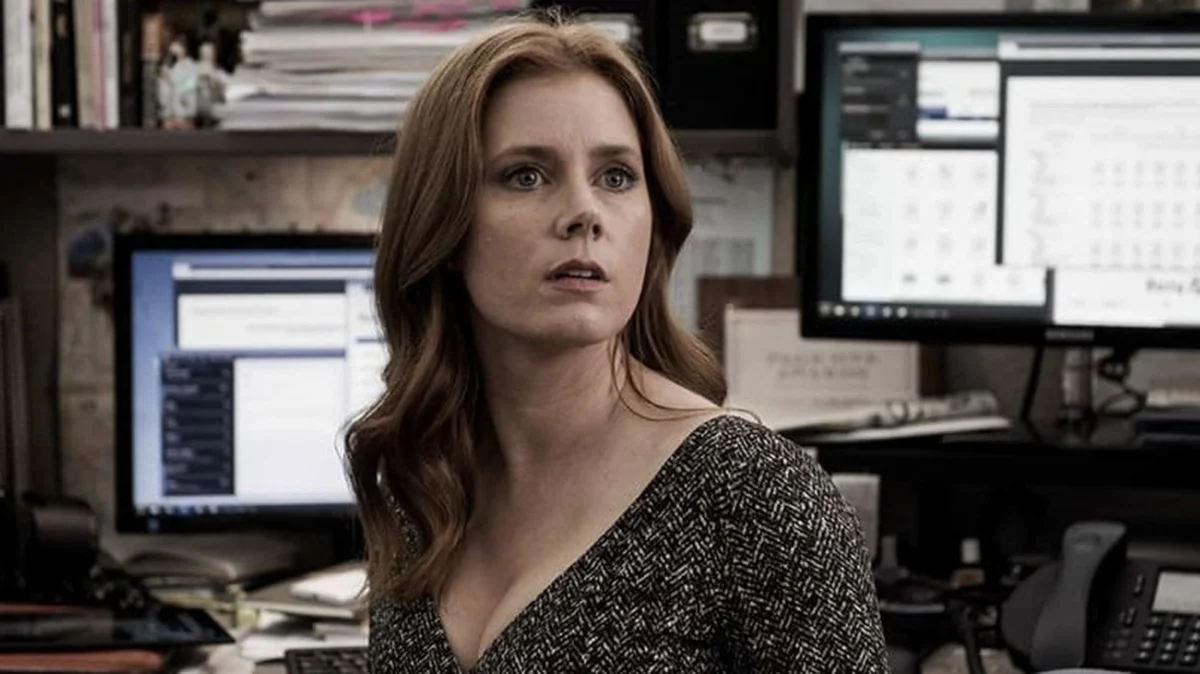
Before Amy Adams became a household name and the definitive Lois Lane of the DC Extended Universe (DCEU), her journey into the world of Superman began not in the Daily Planet, but in the halls of Smallville High. Long before she shared the screen with Henry Cavill in Zack Snyder’s Man of Steel, a young Adams made a memorable, albeit controversial, guest appearance on the hit CW series Smallville. This intersection of television history and blockbuster casting serves as a fascinating case study in how the DC franchise has evolved—and how it has occasionally fumbled its handling of sensitive social metaphors.
The Smallville Casting Phenomenon: A Tradition of Legacy
To understand the significance of Amy Adams’ early appearance on Smallville, one must first appreciate the show’s unique relationship with the Superman mythos. Throughout its ten-season run, Smallville acted as a bridge between generations of DC fans. It was a common practice for producers to cast actors from previous Superman iterations in pivotal supporting roles, creating a meta-textual tapestry that thrilled long-time devotees.
The most prominent example was Annette O’Toole, who famously played Lana Lang in the 1983 film Superman III. In Smallville, she transitioned into the role of Martha Kent, the adoptive mother of Tom Welling’s Clark. Similarly, Christopher Reeve—the quintessential Man of Steel—made several poignant appearances as Dr. Virgil Swann, an astronomer who provided the foundational lore for Clark’s extraterrestrial origins. Even Terence Stamp, who delivered an iconic performance as General Zod in Superman and Superman II, lent his distinct, icy voice to the role of Jor-El, Clark’s Kryptonian father.
This tradition extended to the broader DC canon as well. Michael Rosenbaum, while crafting his definitive version of Lex Luthor, simultaneously voiced the Flash in the beloved Justice League animated series. John Glover, who portrayed the Machiavellian Lionel Luthor, had previously lent his voice to the Riddler in Batman: The Animated Series. In this environment, where the boundaries between DC projects were fluid and often overlapping, it is perhaps less surprising that a future Lois Lane once walked the halls of Smallville.
A Chronology of a Meteor Freak: The "Craving" Incident
In 2001, just as the pilot of Smallville was capturing the imagination of a new generation, the seventh episode of the first season, titled "Craving," introduced viewers to a character named Jodi Melville. Played by a pre-fame Amy Adams, Jodi was a high school student struggling with intense body image issues.
In the episode, written by Michael Green, Jodi turns to a dangerous diet consisting of shakes made from vegetables grown in a local field contaminated by Kryptonite. The narrative trajectory follows a classic "meteor freak" formula: the science is dubious, the consequences are severe, and the outcome is tragic. Jodi loses weight at an alarming, supernatural rate, but the physical transformation comes with a horrific price. Her metabolism becomes hyper-accelerated, creating an insatiable hunger that can only be satisfied by absorbing the body fat of others.
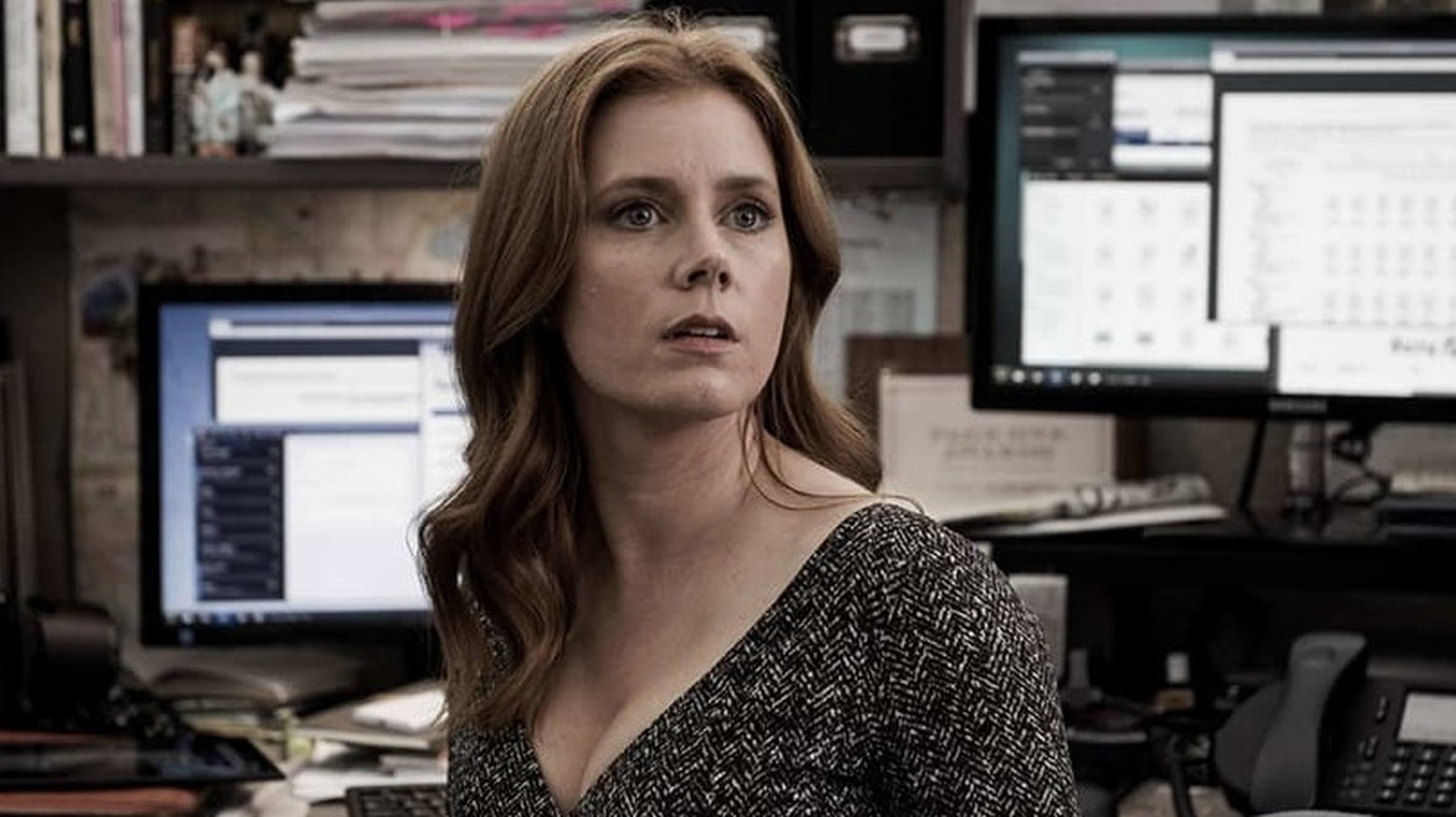
The climax of the episode sees a desperate Jodi confronting Clark Kent and his friend Pete Ross. The transformation had rendered her a monster, both figuratively and literally, as she attempts to drain the life force from those around her. It was a dark, visceral introduction to the "monster of the week" trope that defined the early seasons of Smallville, placing a future Oscar-nominated actress in the role of a villainous, tragic antagonist who would ultimately be defeated by the very hero she would later fall in love with on the silver screen.
Supporting Data: The Metaphorical Weight of the Narrative
Smallville was essentially Superman reimagined through the lens of Buffy the Vampire Slayer. The show’s primary engine was the use of superpowers as clumsy but earnest metaphors for the anxieties of adolescence. In "Craving," the writers were clearly aiming to explore the crushing pressures of body image and the destructive reality of eating disorders.
However, historical reflection has not been kind to the execution. By contemporary standards, the episode is frequently cited as one of the series’ most poorly aged installments. The reliance on a "fatsuit" to portray the pre-transformation Jodi, coupled with the "monster" imagery post-transformation, created a narrative that struggled to balance empathy with spectacle.
A particularly glaring detail is the character’s surname: Melville. It is impossible to ignore the literary allusion to Herman Melville, author of Moby Dick. The term "whale" has long been used as a cruel, fatphobic slur. By naming the character Melville, the show inadvertently leaned into the very bullying culture it was attempting to critique. While the narrative ostensibly sides with Jodi—portraying her as a victim of her own insecurities and the superficiality of her peers—the visual language of the episode, particularly the grotesque CGI used to depict her unhinging jaw, often undermined that sympathy.
Official Perspectives and Critical Analysis
While there have been no official "apologies" from the production team regarding the episode, the discourse surrounding "Craving" has shifted significantly over the last two decades. Scholars and critics often point to this episode as a prime example of the "very special episode" trope gone wrong.
In Carrie—the most logical point of comparison—the protagonist’s ostracization leads to a violent, telekinetic explosion. Similarly, Jodi’s descent into violence is a direct result of being pushed to the brink by a society that only valued her once she fit a specific aesthetic mold. Yet, where Carrie serves as a sharp indictment of religious extremism and high school cruelty, "Craving" feels more like a frantic attempt to combine teen drama with body horror.
The episode highlights a broader issue in early 2000s television: the struggle to address complex mental health and body image issues within the constraints of a genre show. The writers wanted to tackle the weight of societal expectations, but they did so by turning that weight into a literal, physical threat, effectively muddling the message.
Implications for the Modern DC Universe
The evolution of Amy Adams from Jodi Melville to Lois Lane is, in many ways, a microcosm of the DC Universe’s own maturation. When Adams was cast as Lois Lane in Zack Snyder’s 2013 Man of Steel, she brought a gravitas and intelligence to the role that moved the character away from the "damsel in distress" tropes of the past and toward a more modern, investigative journalist persona.
It is worth noting that Adams has never shied away from her humble beginnings. In interviews, she has often looked back on her early television work with a sense of perspective, acknowledging that every role—no matter how small or bizarre—contributed to her development as an actor. Her journey from a one-episode guest star on a teen drama to a central pillar of a billion-dollar film franchise is a testament to her range.
Furthermore, the existence of this episode serves as a reminder of how much the cultural conversation around body image and representation has shifted. Today, a show like Smallville would likely be scrutinized much more heavily for its handling of such sensitive topics. The "meteor freak" metaphor, while effective for showcasing Clark’s heroism, often came at the expense of characters who were treated as disposable plot devices rather than nuanced individuals.
Conclusion: A Legacy Recontextualized
The story of Amy Adams in Smallville is more than just a piece of movie trivia; it is a bridge between the television landscape of the early 2000s and the blockbuster era of the 2010s. It reminds us that even the most celebrated stars have roots in the campy, experimental soil of genre television.
While "Craving" may remain an uncomfortable watch for modern audiences, it stands as a milestone in the career of one of Hollywood’s most respected actors. It captures a moment in time when the DC Universe was still finding its footing, experimenting with how to blend high-concept superheroics with the grounded, messy realities of the human experience. Whether viewed as a misstep in representation or a classic piece of CW melodrama, the episode remains an indelible chapter in the long, storied history of the Man of Steel on screen—and the woman who, in time, would become his most essential partner.

 Evan Lee Salim
 Ammar Sabilarrohman