Reynand Wu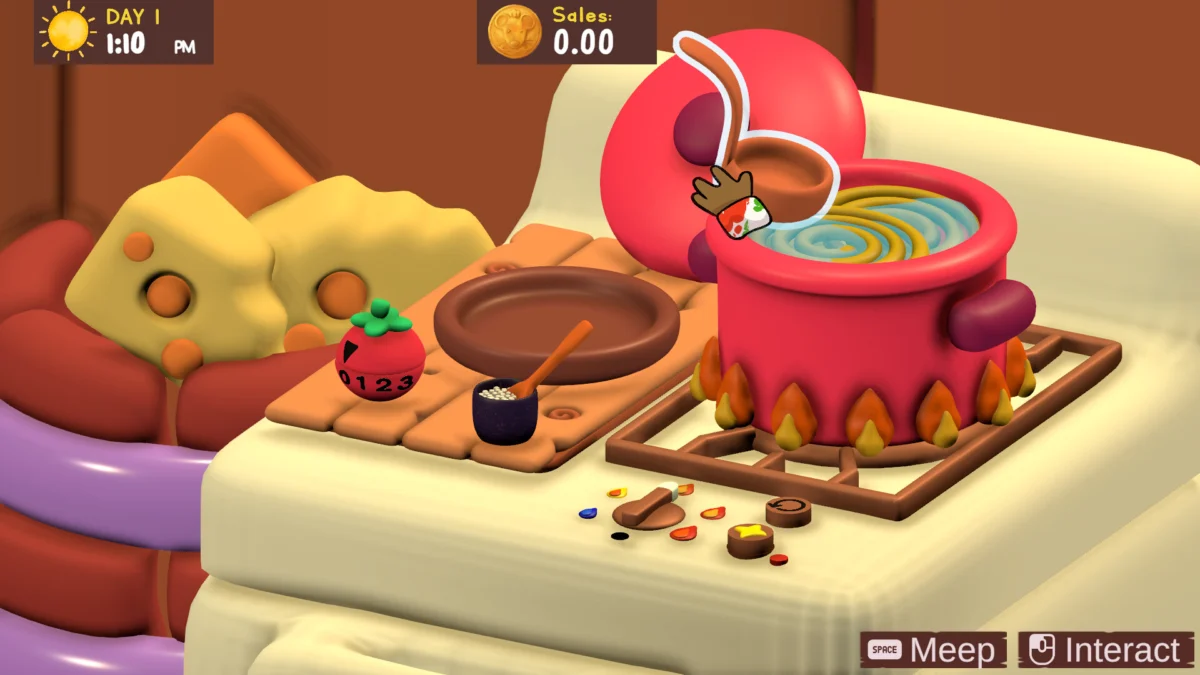
In an industry often dominated by high-octane action and complex mechanics, a new title is emerging to provide a refreshing, tactile escape. Pawsta, an upcoming cooking simulation game, is capturing hearts with its distinctive claymation aesthetic and a heartwarming premise. Following the story of a young mouse named Rigatoni, the game invites players into a vibrant, stop-motion-inspired restaurant kitchen where the goal isn’t to chase high scores or beat the clock, but to celebrate the joy of crafting the perfect meal.
The Core Concept: Claymation Meets Culinary Art
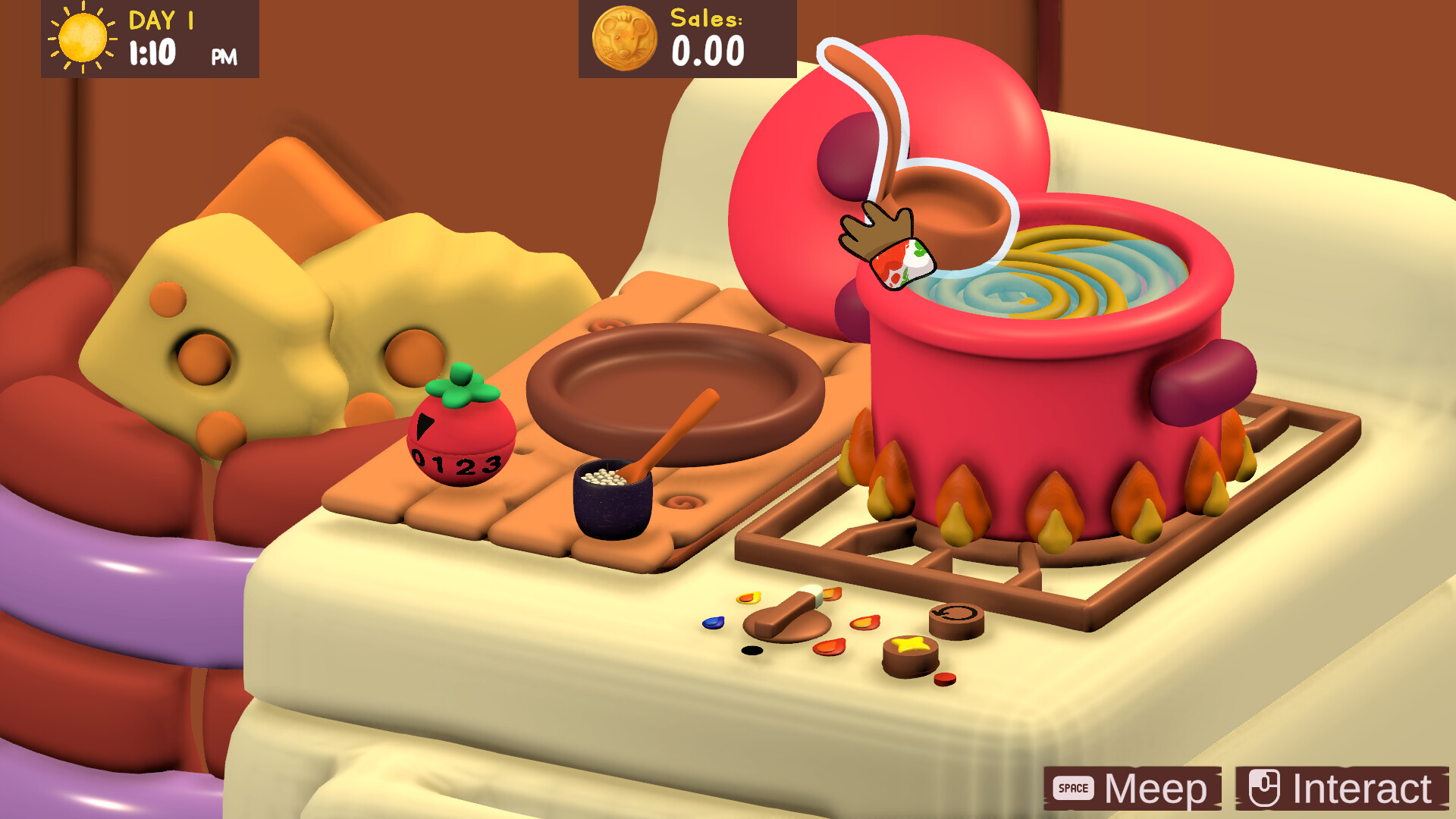
At its heart, Pawsta is a love letter to the cozy gaming genre. Developed with a unique visual style that mimics the charming imperfections of traditional claymation, the game offers a sensory-rich experience that feels both nostalgic and innovative. Players step into the paws of Rigatoni, a mouse determined to assist their grandmother in running the family restaurant.
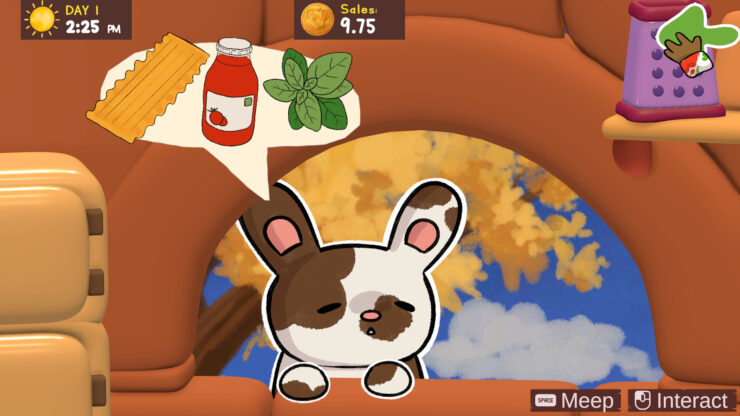
The gameplay loop is deceptively simple, designed to prioritize relaxation over stress. Customers arrive with specific orders represented by intuitive, easy-to-read icons. Once an order is placed, the player is tasked with navigating the kitchen—a space rendered with incredible detail—to assemble the requested pasta dish. From retrieving dough from the refrigerator to the meditative process of rolling, cutting, and boiling, every action feels deliberate and rewarding.
A Chronology of Development and Discovery
The journey of Pawsta from a concept to a playable demo has been a steady progression of artistic refinement. While the game remains in active development, early sneak peeks have highlighted the dedication of the team behind it.
- Initial Concept Phase: The developers sought to marry the tactile nature of physical art (claymation) with the interactivity of digital gaming. The decision to focus on a mouse protagonist—a traditional trope in culinary stories—was chosen to ground the game in a sense of scale, making the kitchen feel like a vast, wondrous landscape.
- The Prototyping Stage: During the early build phase, the team focused heavily on the physics of the kitchen. They wanted the interaction between the ingredients and the tools to feel "squishy" and organic, reinforcing the claymation theme.
- Public Reveal: Pawsta gained significant traction during the recent Wholesome Direct, a showcase dedicated to games that prioritize low-stress, emotionally resonant experiences. The trailer, which displayed the charming animations and the rhythmic nature of the cooking, immediately struck a chord with the community.
- Current State: The game is currently in a polishing phase, with developers focusing on refining the user interface and ensuring that the gameplay loop—while simple—remains engaging as the scope of the restaurant expands.
The Mechanics of Cozy Cooking
Unlike traditional restaurant simulators, Pawsta intentionally discards the "time-attack" pressure that usually defines the genre. In most cooking games, failure is binary: run out of time, and you lose. In Pawsta, the pacing is entirely up to the player. Whether you are a perfectionist who wants to perfectly portion the sauce or someone who prefers to experiment with topping quantities, the game supports your pace.
The process of cooking in Pawsta is broken down into satisfying, bite-sized steps:
- Preparation: Retrieving and processing the dough.
- Thermal Processing: Boiling the pasta to the correct consistency.
- Artistic Assembly: The application of sauces and toppings, where the player exercises creative liberty.
- Service: The final presentation, which features unique animations based on the quality of the dish.
Interestingly, even if a dish is not "perfectly" prepared according to the customer’s initial request, the game does not punish the player. The customers, portrayed as patient and appreciative, accept the meal with gratitude. This design choice shifts the focus from efficiency to exploration, allowing the player to simply enjoy the act of creating.
Supporting Data and User Feedback
Early playtesters have noted that while the game is a triumph of atmosphere, there are areas for growth. A recurring piece of feedback concerns the clarity of the game’s "instructional highlights." In the early stages of the game, some players reported difficulty in discerning which object to interact with next.
However, the consensus among the indie gaming community is overwhelmingly positive. The game’s ability to transport players into a world that feels handmade and tangible is its greatest asset. The narrative element—learning about Rigatoni’s family legacy and the history of their famous recipes—provides a strong emotional anchor that keeps players invested beyond the mechanics of cooking.
Implications for the Future of "Cozy" Games
Pawsta represents a larger shift in the gaming industry toward "non-punitive" design. For years, the prevailing wisdom in game development was that challenge equals engagement. Pawsta challenges this by proving that "wonder" can be just as strong a hook as "difficulty."
Furthermore, the choice of claymation style is an ambitious technical feat. By utilizing modern rendering techniques to simulate the physical properties of clay, the developers are opening doors for other indie studios to explore stop-motion aesthetics without the prohibitive cost of physical animation. If Pawsta succeeds, we may see a resurgence of games that prioritize visual texture and tactile feedback.
Looking ahead, the developers have teased that the game will eventually expand beyond the initial restaurant setting. The promise of traveling to different locations, encountering new culinary traditions, and learning global pasta-making techniques suggests that the game will offer significant depth. This world-building approach promises to turn Pawsta into a "culinary travelogue," where the player learns about the world through the food they serve.
Official Stance and Community Engagement
While the studio behind Pawsta has remained relatively quiet, preferring to let the game’s aesthetic speak for itself, their interactions on social media and Steam indicate a developer deeply connected to their player base. They have encouraged users to add the title to their Steam Wishlists, a crucial metric for indie games seeking visibility on the platform.
The developer’s focus on "wholesomeness"—a term that has become a genre in its own right—aligns with a growing demand for digital spaces that provide comfort. By removing the stress of failure, they have created a safe harbor for players looking to decompress.
A Final Thought on the "Pawsta" Experience
In an era of massive, resource-heavy titles that demand hundreds of hours of commitment, Pawsta is a quiet reminder that games can be small, simple, and significant. It doesn’t try to redefine the medium, but rather invites the player to pause, breathe, and enjoy the simple pleasure of making something for someone else.
Whether you are a veteran of cooking simulators or someone who has never touched a kitchen game, Pawsta offers an inviting, low-stakes entry point. The narrative of a young mouse finding their place in their grandmother’s kitchen is a universal story of growth, tradition, and the love that goes into a home-cooked meal.
As we await the official release, the snippets of gameplay available suggest that we are in for something truly special. For those looking to support indie developers and experience a game that prioritizes player well-being above all else, Pawsta is a title that deserves to be on your radar.
Pawsta is currently in development. You can follow the project and show your support by adding it to your Steam Wishlist.


 Ali Ikhwan
 Nana Wu