Layla Zulfa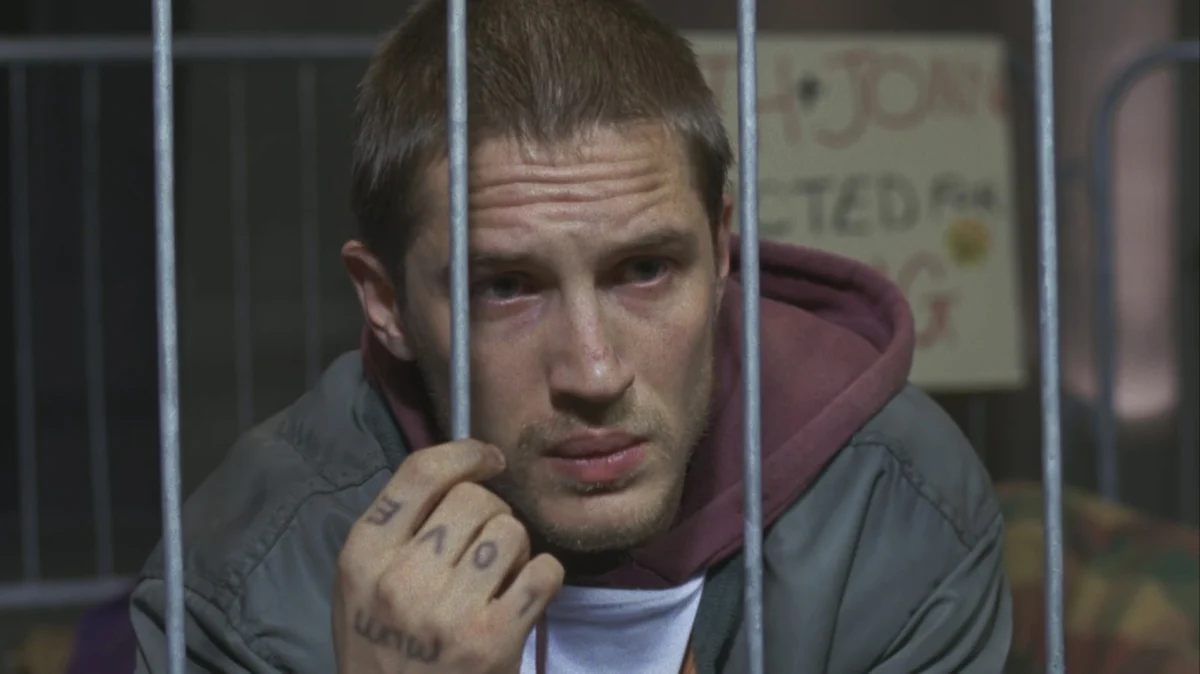
Before the world knew them as the formidable Venom or the brilliant Dr. Strange, Tom Hardy and Benedict Cumberbatch were two rising British talents navigating the complex landscape of mid-2000s television. In 2007, they joined forces for Stuart: A Life Backwards, a harrowing, profoundly human co-production between the BBC and HBO. While the film may have slipped into the shadows of their later, more explosive blockbuster careers, it remains a cornerstone of both actors’ filmographies—a visceral reminder of their raw, early potential and a testament to the power of biographical storytelling.
Main Facts: A Tragic Portrait of Resilience
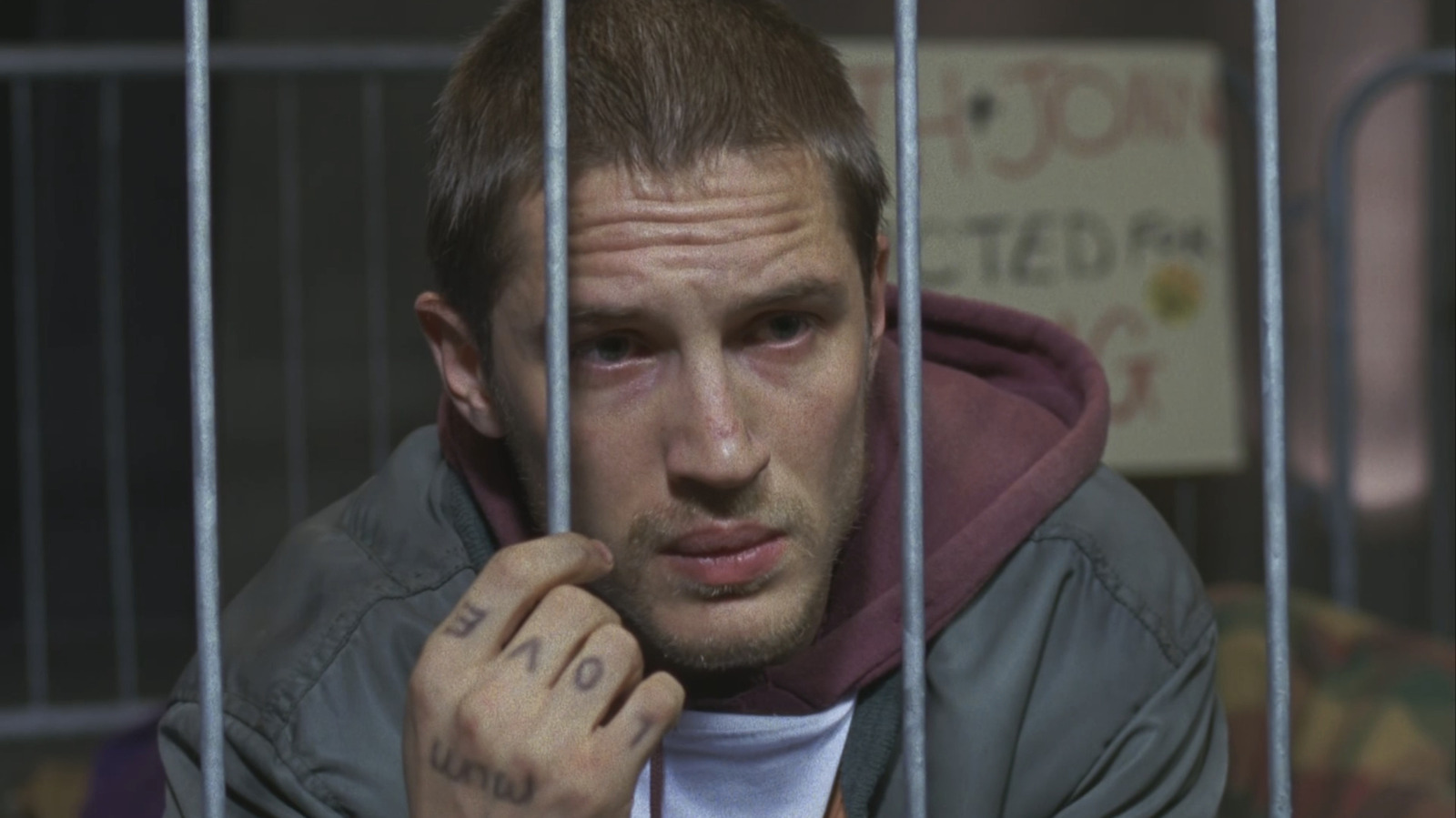
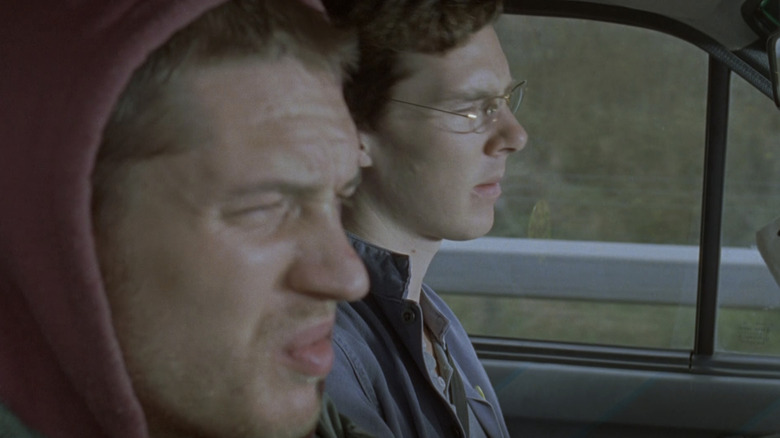
Stuart: A Life Backwards is the screen adaptation of Alexander Masters’ award-winning biography of the same name. The narrative centers on the friendship between Masters (played by Benedict Cumberbatch), a Cambridge-educated writer and volunteer at a homeless shelter, and Stuart Clive Shorter (Tom Hardy), a man whose life was defined by systemic failure, mental health struggles, and a spirit that refused to be extinguished.
The film does not merely document a life; it deconstructs it. Stuart Shorter’s existence was a battlefield. Born with muscular dystrophy, he suffered severe sexual abuse as a child, leading to a adulthood marred by homelessness, criminal convictions, and a desperate struggle with borderline personality disorder. However, the film avoids the trap of pity. Instead, it offers a stark, honest look at the "socially excluded"—a term that fails to capture the humanity of the man at the center of the story.
Directed by David Attwood, the film was a critical darling upon its release, yet it remains one of the most underrated projects in the actors’ respective catalogs. It is an unflinching look at the circumstances that "murdered" the child Stuart once was, asking audiences to look past the surface of addiction and criminality to find the individual underneath.
Chronology: The Genesis of a Unique Narrative
The origin of this story is as unique as its structure. Alexander Masters, having befriended Shorter at a shelter in Cambridge, began documenting his life. It was Shorter himself who proposed the radical narrative device that gives the film its title. After reading an early draft of the biography, Shorter famously told Masters, "Make it more like a murder mystery. What murdered the boy I was? See? Write it backwards."
The Roadmap of a Life in Reverse
- The Meeting (2002): Alexander Masters meets Stuart Shorter at a homeless shelter in Cambridge.
- The Book Proposal: Shorter challenges Masters to write his life story in reverse, starting from his tragic death and working back toward his childhood, aiming to uncover the root causes of his suffering.
- The Adaptation (2007): Two years after the book’s publication, the BBC and HBO commission a film adaptation. David Attwood, fresh off the success of the acclaimed miniseries To the Ends of the Earth, is tapped to direct.
- The Casting: Hardy and Cumberbatch are cast at a pivotal moment in their careers. Hardy, 30, is transitioning from bit parts to lead roles; Cumberbatch, 31, is establishing himself as a fixture of high-quality British drama.
- Legacy: The film is utilized as a teaching tool in schools and charities, highlighting its enduring social relevance.
Supporting Data: An Industry Perspective
The impact of Stuart: A Life Backwards is best measured by its reception within the industry and the accolades it received. The project served as a foundational milestone for Neal Street Productions, the company co-founded by the legendary Sam Mendes.
Critics were quick to praise the film for its refusal to sugarcoat the realities of poverty and addiction. The Washington Post noted the controversy surrounding the book’s premise—specifically the author’s decision to expose Shorter to his wealthy social circle—but acknowledged the profound depth of the source material.
From an acting perspective, the statistics are telling:
- Tom Hardy’s Performance: Hardy’s portrayal of Shorter earned him a BAFTA nomination for Best Actor. This recognition served as a springboard, paving the way for his transformative turn as the title character in 2008’s Bronson.
- Benedict Cumberbatch’s Trajectory: Having already portrayed Stephen Hawking in a 2004 biopic, Cumberbatch’s role as the intellectual yet empathetic Masters solidified his status as one of the UK’s most versatile character actors before his massive global breakthrough with the BBC’s Sherlock in 2010.
The collaboration proved so successful that the two actors reconnected in 2011 for the Cold War espionage masterpiece Tinker Tailor Soldier Spy, proving that the chemistry they established in the humble confines of a homeless shelter drama was no fluke.
Official Responses and Ethical Reflections
The story of Stuart Shorter is not without its ethical complexities. When the book was released, there was significant public discourse regarding the ethics of "poverty porn." Critics questioned whether it was appropriate for a well-to-do academic to turn a marginalized man’s trauma into a literary project.
However, the response from those closest to Shorter—particularly his sister, Zoe—was one of gratitude. She championed the work as an authentic representation of her brother’s struggle, noting that the proceeds from the book were split with the Shorter family. The film production maintained this integrity, aiming to highlight the systemic failures of the British social safety net rather than exploiting the man’s suffering.
The film’s director, David Attwood, emphasized that the project was meant to humanize the "invisible" population of Britain. In interviews, both Hardy and Cumberbatch spoke at length about the weight of portraying real-life figures who had passed away, noting that their responsibility was to the truth of the narrative rather than to Hollywood-style dramatics.
Implications: Why It Matters Today
The implications of Stuart: A Life Backwards extend far beyond the film industry. It serves as a haunting reminder of the "socially excluded" and the barriers to recovery for those battling chronic mental health issues and the trauma of early-childhood abuse.
The Evolution of the Anti-Hero
Tom Hardy’s performance in this film laid the groundwork for his signature style: an intense, often physically transformative approach to characters living on the fringes of society. Watching him as Shorter, one can see the seeds of his later roles in Legend, Mad Max: Fury Road, and The Revenant. For Cumberbatch, the role provided a masterclass in reactionary acting—learning how to let the performance of his scene partner dictate his own, a skill that would become his hallmark in The Imitation Game and Patrick Melrose.
A Call to Awareness
The film remains relevant because the issues it addresses—homelessness, the stigma of mental health, and the cyclical nature of abuse—have not vanished. By telling the story in reverse, the film forces the viewer to confront the "final result" of a life before understanding the "causes." It is a psychological exercise that demands empathy.
In an era of high-budget CGI and massive franchise universes, revisiting Stuart: A Life Backwards provides a refreshing look at what television can achieve when it focuses on the intimate, often uncomfortable truths of the human condition. It is a rare gem in the catalogs of two global superstars, and for those who take the time to seek it out on platforms like Max, it offers an experience that is as heartbreaking as it is essential.
Stuart Shorter died in 2002, but through the collaboration of Masters, Hardy, and Cumberbatch, his story continues to speak to the necessity of looking closer at the people society often chooses to ignore. It is not merely a "little seen HBO movie"; it is a vital piece of modern television history.

 Nana Muazin
 Pevita Pearce