Iffa Jayyana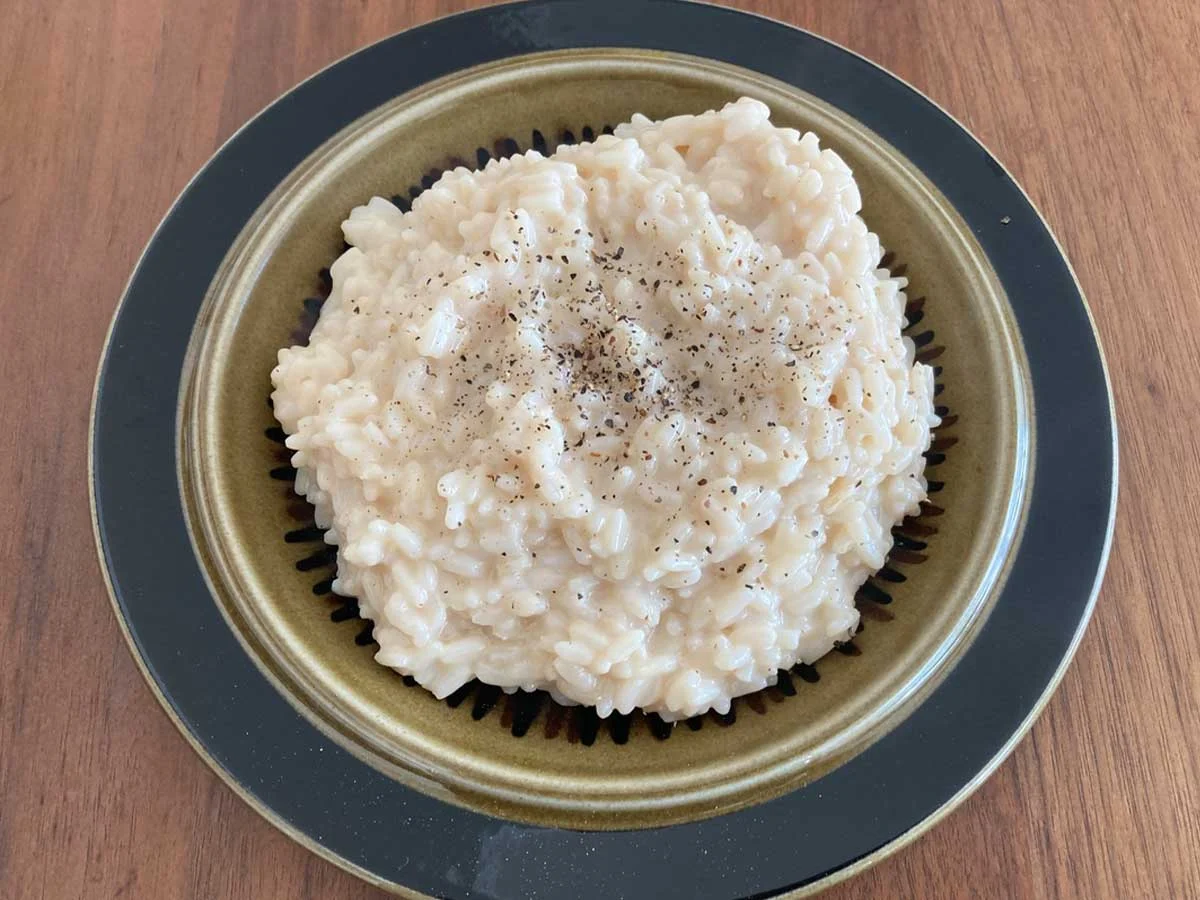
While many consumers recognize MUJI (Mujirushi Ryouhin) for its minimalist aesthetic, functional stationery, and ergonomic household goods, the Japanese retail giant has quietly cultivated a reputation for culinary excellence. Beyond their iconic organizational bins and cotton linens, MUJI has become a destination for gourmands seeking high-quality, shelf-stable convenience foods. From complex instant curries to artisanal freeze-dried soups, the brand’s food department—often tucked into the corner of their sprawling flagship stores—offers a rotating inventory that frequently surprises even the most discerning home cooks.
In our latest exploration of MUJI’s ever-evolving pantry selection, we discovered a new series that promises to bring authentic Mediterranean flavors to the Japanese kitchen: the "Made-in-Italy" Risotto line. This article provides an in-depth look at the product, the preparation process, and whether this 290-yen meal lives up to the lofty expectations set by the MUJI brand.
The Concept: Authenticity in a Pouch
The premise of the "Made-in-Italy" risotto series is simple: provide a complete, shelf-stable meal kit that captures the essence of traditional Italian cooking without the need for extensive shopping trips or professional culinary skills. Unlike pre-cooked, microwave-ready meals, these kits contain authentic, uncooked Italian rice, dried seasonings, and flavor bases.
The goal is to bridge the gap between "instant" food and the "slow-cooked" experience of traditional risotto. By requiring the user to simmer the rice themselves, MUJI allows the starch to release naturally, achieving the creamy, al dente texture that characterizes a proper risotto—a texture that is notoriously difficult to replicate in vacuum-sealed, pre-cooked pouches.
Chronology: A Culinary Experiment
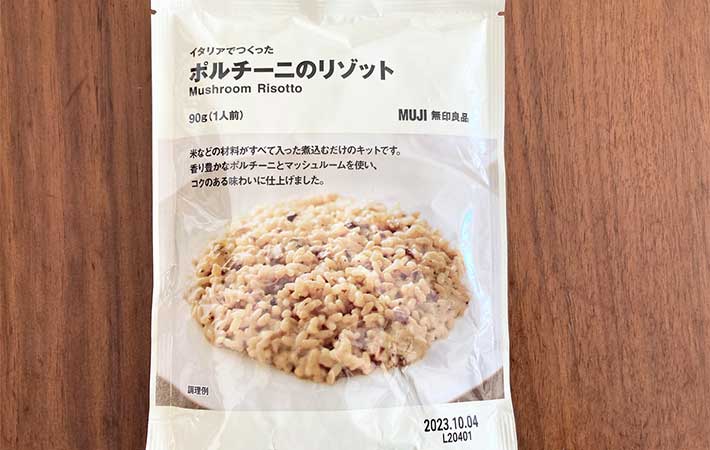
To evaluate the product’s performance, the grape Japan editorial team selected two standout flavors from the lineup: Cheese Cream and Porcini. We approached the preparation with the mindset of a standard home cook, following the provided instructions to the letter to gauge the user experience.
Phase 1: Unboxing and Initial Impressions
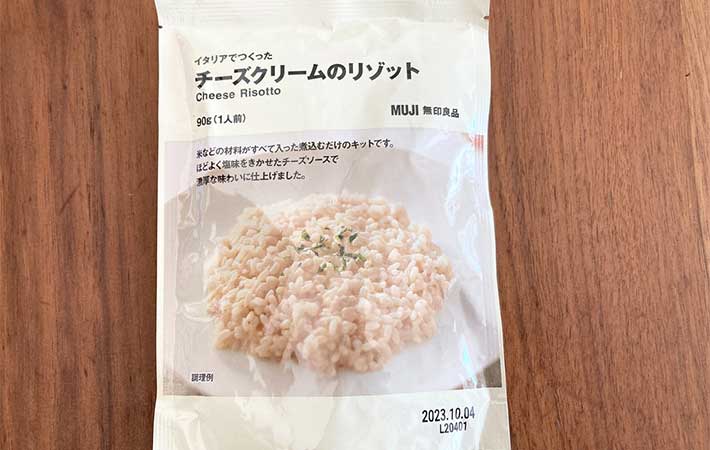
The packaging is consistent with MUJI’s minimalist design language—clean, informative, and understated. Upon opening the pouches, we were immediately struck by the quality of the raw ingredients. The inclusion of genuine Italian rice was a significant point of interest; it signaled a departure from standard "instant rice" and suggested that the final dish would possess a structural integrity often lacking in convenience foods.
Phase 2: The Simmering Process
The preparation follows a straightforward, albeit patient, methodology:
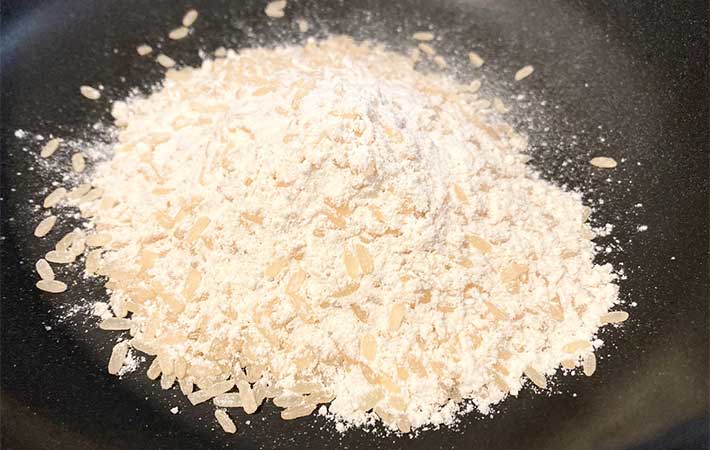
- Preparation: The contents of the package are emptied into a small, dry pot.
- Hydration: A precise amount of water is added. We followed the package guidelines strictly to ensure the correct rice-to-liquid ratio.
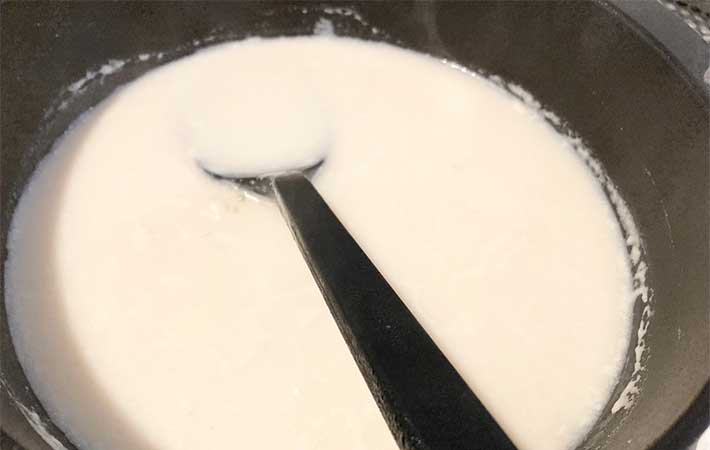
- The Boil: The heat is set to high until the liquid reaches a rolling boil, which activates the seasonings and begins the hydration process of the rice.
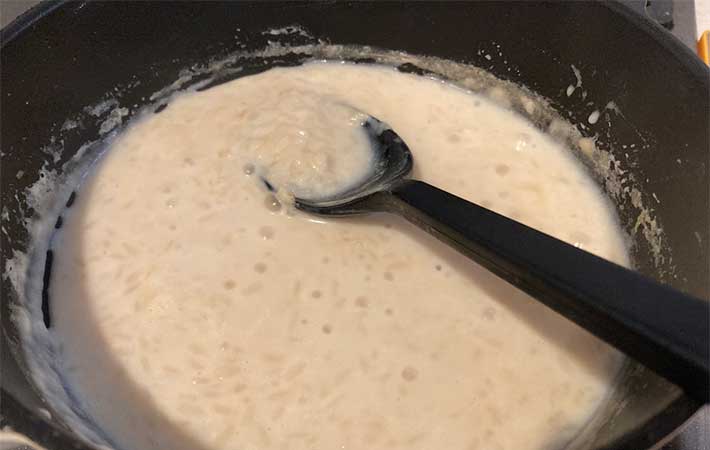
- The Slow Simmer: Once boiling, the heat is reduced to medium. The most critical step here is the consistent, rhythmic stirring. This is not a "set it and forget it" meal; the stirring is essential to prevent the rice from scorching at the bottom of the pot and to encourage the release of starches, which creates the signature creamy sauce.
- Evaporation: The instructions explicitly advise against covering the pot. This is vital, as the reduction of the liquid is what transforms the water into a rich, velvety emulsion.
Phase 3: Plating and Sensory Evaluation
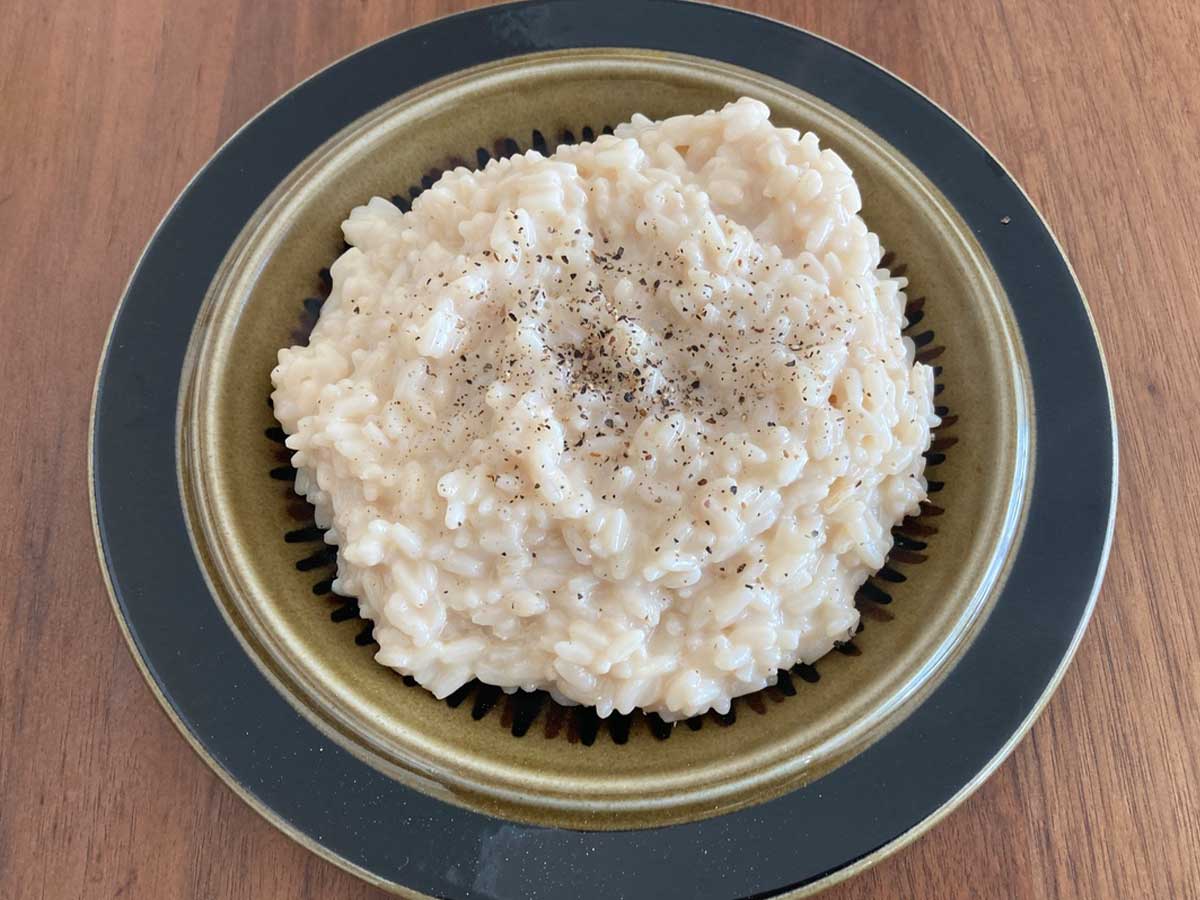
After approximately 30 minutes of attentive simmering, the risotto reaches the desired consistency. We opted to finish the dishes with a light dusting of freshly cracked black pepper to highlight the flavor profiles. The visual result was impressive—the risotto possessed a glossy, restaurant-quality sheen that begged to be plated in a ceramic bowl rather than eaten directly from the pot.
Sensory Analysis: How Do They Fare?
The Cheese Cream Risotto
The Cheese Cream variety is clearly designed for those who favor indulgence. Upon the first bite, the flavor profile is immediate and intense. The richness of the cheese is balanced, not overwhelming, providing a comforting, savory base.
The addition of black pepper was a revelation. While we initially intended the spice as a visual garnish, it functioned as a necessary structural component, cutting through the density of the cream and elevating the complexity of the cheese. It is a quintessential "comfort food" option that would pair exceptionally well with a glass of crisp white wine.
The Porcini Risotto
In contrast, the Porcini risotto offers a more nuanced, earthy experience. Where the Cheese Cream is bold, the Porcini is subtle and sophisticated. The dehydrated mushrooms rehydrate perfectly during the simmering process, imparting a deep, umami-rich flavor to the rice. It feels more "refined" than the Cheese Cream option and serves as an excellent demonstration of how quality dried ingredients can mimic the experience of using fresh produce.
Supporting Data: Value and Convenience
At a price point of 290 yen (including tax), the MUJI "Made-in-Italy" risotto series represents a significant value proposition. In the current economic climate, where dining out at an authentic Italian trattoria can easily exceed 2,000 to 3,000 yen, the ability to source a high-quality, authentic meal for under 300 yen is a compelling draw.
Comparative Analysis Table:
| Feature | Instant Microwavable Risotto | MUJI "Made-in-Italy" Risotto |
|---|---|---|
| Preparation Time | 2-3 minutes | ~30 minutes |
| Texture | Often mushy | Authentic al dente |
| Ingredient Quality | Processed/Preserved | Raw Italian Rice/Dried Aromatics |
| Price Point | 200 – 400 yen | 290 yen |
While the time commitment is significantly higher than a standard microwave meal, the trade-off in quality is undeniable. The 30-minute window allows for a meditative cooking experience that rewards the user with a superior texture and flavor profile.
Implications for the Convenience Food Market
The success of this product line suggests a shift in consumer behavior. Modern shoppers are increasingly looking for "hybrid" convenience—products that offer the ease of a kit but retain the ritual of cooking. MUJI has successfully tapped into the "prosumer" market: individuals who want to cook but lack the time to source specialized ingredients or manage complex recipes from scratch.
The Role of "Slow-Fast" Food
This product category, which we might call "Slow-Fast" food, serves as a bridge between the instant gratification of modern life and the culinary satisfaction of traditional methods. By requiring 30 minutes of attention, MUJI is not just selling a meal; they are selling the experience of cooking.
Strategic Positioning
MUJI’s brand identity is built on the philosophy of "no-brand quality." By sourcing ingredients directly from Italy and focusing on the process of preparation, they reinforce their brand promise: that high-quality, well-designed products should be accessible, functional, and simple. The "Made-in-Italy" series is a perfect manifestation of this philosophy.
Conclusion: A Must-Try for the Busy Gourmet
The MUJI "Made-in-Italy" Risotto series is a triumphant addition to the company’s food repertoire. While it requires a bit more effort than a standard instant meal, the resulting quality—specifically the authentic texture of the Italian rice—justifies the 30-minute investment.
Whether you are a busy professional looking for a sophisticated weeknight dinner, a student hoping to impress with a "homemade" meal, or simply a fan of MUJI’s curated lifestyle, this series is well worth the 290-yen price tag. We recommend keeping a few pouches in your pantry for those evenings when you want a meal that feels intentional, comforting, and distinctly European.
As MUJI continues to expand its food offerings, it is clear that they are not just filling shelves with products; they are curating a lifestyle that celebrates the intersection of efficiency and flavor. We look forward to seeing what new international flavors the brand chooses to introduce next.


 Neng Nana
 Asro
Asro