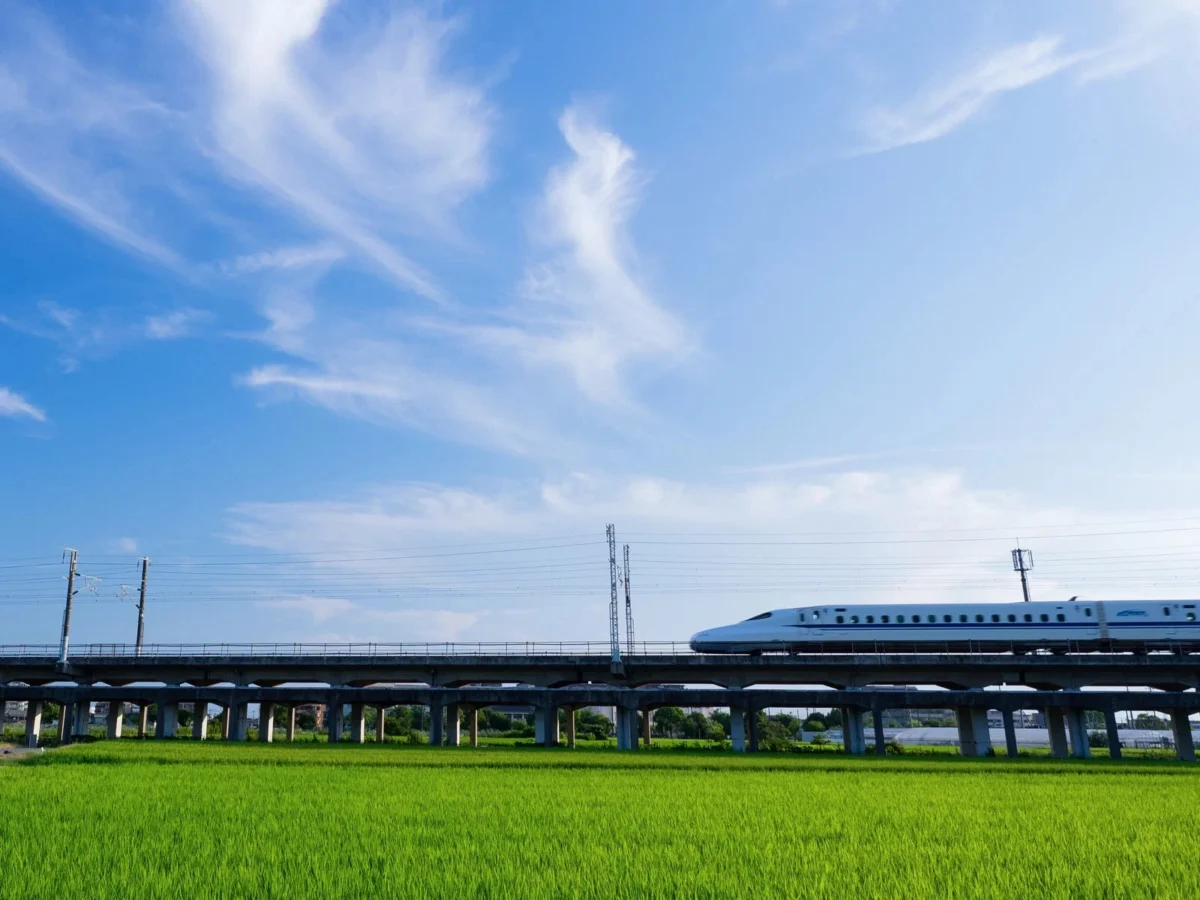
In a landmark shift for Japanese rail travel, the Central Japan Railway Company (JR Central) has officially announced the launch of the Tokaido Lumière Express, an experimental overnight high-speed rail service connecting the nation’s two largest economic hubs: Tokyo and Osaka. By repurposing the world’s most iconic bullet train corridor for nocturnal transit, JR Central aims to bridge the gap between efficiency and comfort, offering travelers a unique solution to rising hotel costs and the relentless pace of modern life.
This pilot program, scheduled for its inaugural run on August 8, represents a significant departure from the traditional operational model of the Tokaido Shinkansen, which has historically prioritized daytime speed and frequency over overnight capacity.
Main Facts: The Tokaido Lumière Express Explained
The Tokaido Lumière Express is not merely a train; it is a strategic logistical pivot. Departing from Tokyo Station at 10:00 p.m., the service is slated to glide into Shin-Osaka Station at 6:59 a.m. the following morning. This approximately nine-hour journey is intentionally paced to allow passengers a full night’s rest.
Key Operational Details:
- Route: Tokyo to Shin-Osaka, with designated stops at Shinagawa, Shin-Yokohama, and Kyoto.
- Capacity & Comfort: The service will feature both Standard and Green Car (premium) seating. To ensure passenger comfort, all seating is reserved, with a strict policy limiting occupancy to two passengers per row, maximizing personal space.
- Special Provisions: In a move to prioritize passenger security and comfort, the train will include dedicated women-only carriages.
- Pricing: Tickets are set at a flat rate of 15,000 yen (approx. US$92.85), a competitive price point when compared to the combined cost of a late-night hotel stay and standard Shinkansen fare.
- Ticket Availability: Reservations are scheduled to open on July 3 at 2:00 p.m. via official JR ticketing platforms.
Chronology: A Night on the Tracks
The operational schedule of the Lumière Express has been meticulously engineered to fit within the existing maintenance windows of the Tokaido Shinkansen line, which typically undergoes rigorous inspections overnight.
The Itinerary:
- 22:00 Departure (Tokyo): The journey commences shortly after the final standard daytime service has cleared the tracks.
- The Intermediate Stops: The train will facilitate boarding and disembarking at Shinagawa and Shin-Yokohama, catering to commuters and travelers alike.
- The Midnight Pause (Gifu-Hashima): Perhaps the most distinctive feature of the service is the scheduled stationary period at Gifu-Hashima Station. Between midnight and 6:00 a.m., the train will remain at the station. This is a technical necessity due to essential overnight track maintenance and strict noise pollution regulations in residential areas near the tracks.
- On-board Experience: During the stationary period at Gifu-Hashima, passengers will remain on board. JR Central has confirmed that the cabin lighting will remain active throughout the duration of the stop, ensuring that passengers are never left in total darkness or isolation.
- 06:59 Arrival (Shin-Osaka): The train will arrive in Osaka precisely in time for the start of the business day, allowing passengers to head straight to their meetings or morning tourist activities.
Supporting Data: Why Now?
The decision to introduce an overnight service comes against a backdrop of shifting travel trends in Japan. Following the post-pandemic recovery of the tourism sector, Japan has seen an unprecedented surge in demand for hotel accommodations, particularly in major hubs like Tokyo, Kyoto, and Osaka. This has led to a significant spike in average daily rates (ADR) for hotels, leaving budget-conscious travelers and business professionals searching for alternatives.
Market Drivers:
- The "Time-Value" Proposition: For the modern traveler, time is the ultimate currency. By combining travel time with sleep time, the Lumière Express effectively "reclaims" eight hours of the day that would otherwise be lost to hotel check-ins or daytime transit.
- Cost Efficiency: With hotel prices in central Tokyo and Osaka consistently rising, 15,000 yen for a transport-and-lodging solution is viewed by analysts as a "disruptive price point."
- Logistical Optimization: JR Central has long sought ways to utilize the Tokaido corridor during off-peak hours. By integrating a passenger service into the maintenance window, they are essentially extracting higher utility from existing infrastructure.
Official Responses and Corporate Strategy
JR Central has characterized this August trial as a "proof of concept." In official statements, company spokespeople emphasized that the service is a response to the "evolving needs of the modern workforce and the tourism industry."
"We are constantly looking for ways to provide greater value to our passengers," a JR Central representative noted. "The Tokaido Lumière Express is an experiment in flexibility. We want to see how the public reacts to the concept of the ‘sleeper bullet train’—a hybrid of high-speed efficiency and traditional long-distance comfort."
Industry analysts are watching the move closely. Koji Tanaka, a transport logistics expert, stated, "This is a low-risk, high-reward move for JR. If it succeeds, they could easily scale this to other Shinkansen lines. If it encounters logistical friction, they have designed it as a one-off trial, shielding the company from long-term operational baggage."
JR Central has explicitly stated that a decision regarding the long-term future of the service will depend entirely on post-trial data, including customer feedback, operational costs, and the impact on the line’s strict maintenance schedule.
Implications: The Future of Japanese Rail
The introduction of the Lumière Express has broad implications for the future of transportation in Japan.
1. The Death of the "Dead Time"
If the service proves successful, it may trigger a cultural shift in how domestic business travel is conducted. The ability to leave Tokyo on a Friday night and wake up in the heart of Osaka—refreshed and ready for the day—could decrease the pressure on city-center hotels and redistribute tourist flow across the country.
2. Infrastructure Challenges
The requirement for the train to remain stationary at Gifu-Hashima highlights the limitations of the current high-speed network. Unlike traditional sleeper trains (such as the famous "Blue Train" series of the past), the Shinkansen was designed for speed, not stationary lodging. Should JR Central wish to make this permanent, they may need to invest in sound-dampening technology or specialized sidings that allow for overnight operations without disturbing local communities.
3. A Potential Revival of Sleeper Culture
Japan has seen a decline in classic overnight sleeper trains (like the Twilight Express or Cassiopeia) over the last two decades as high-speed rail and cheap air travel became the standard. The Lumière Express suggests that the market for overnight rail travel is not dead—it has simply evolved. Modern passengers no longer desire the cramped, nostalgic bunks of the 20th century; they desire the clean, high-speed, and reliable environment of the Shinkansen.
4. Competitive Landscape
The airline industry, which currently dominates the long-distance domestic travel market, will likely view this development with concern. For short-haul domestic flights, the train is already a strong competitor; an overnight sleeper train adds a new layer of convenience that airlines cannot replicate—the ability to wake up in the city center without having to navigate airport security or suburban transit.
Conclusion: A Test for the Future
As the clock ticks toward August 8, the eyes of the global transport industry remain fixed on Japan. The Tokaido Lumière Express is more than just a train; it is a test of whether a modern, high-speed, and high-frequency network can adapt to accommodate the slow-paced needs of the modern traveler.
Whether this becomes a permanent fixture of the Japanese rail map or remains a fascinating footnote in the history of the Shinkansen, one thing is certain: JR Central has successfully ignited a conversation about the intersection of time, money, and mobility. For now, the passengers on the inaugural run will be part of a pioneering group, testing whether the "Bullet Train" can truly become the "Bed Train."