Ali Ikhwan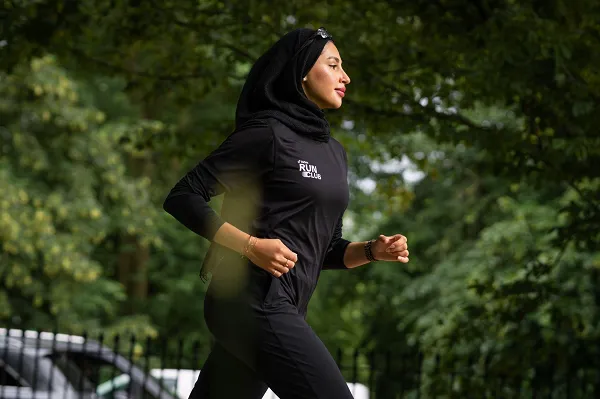
In an ambitious move to bridge the gap between digital inspiration and physical action, TikTok has announced a strategic partnership with the premier social platform for athletes, Strava. Together, the companies are launching the "Pan-European Local Movement Fund," a €100,000 ($114,000) initiative designed to catalyze community fitness at the neighborhood level. By empowering local creators and providing financial support to regional athletic clubs, this collaboration marks a pivotal shift in how social media giants are attempting to influence offline behavior and promote public health.
The Core Objective: Empowering Grassroots Communities
At the heart of this initiative is a simple yet powerful premise: digital trends, if properly harnessed, can lead to meaningful, real-world community building. The Local Movement Fund is not merely a marketing campaign; it is a tangible resource injection for 20 selected "creator-ambassadors" across Europe. These individuals, who maintain active profiles on both TikTok and Strava, are tasked with serving as catalysts for local fitness groups.
Each ambassador will receive a share of the €100,000 fund, supplemented by significant TikTok advertising credits. The goal is to provide these creators with the resources necessary to amplify their local running clubs, cycling groups, and neighborhood fitness collectives. By funding events, subsidizing equipment, and utilizing ad credits to drive local awareness, TikTok is positioning itself as an active participant in the physical well-being of its European user base.
A Chronology of the Partnership
The trajectory toward this collaboration began with the organic explosion of fitness content on TikTok. Over the past several years, the app has become a hub for #RunTok, #GymTok, and various other subcultures where users share everything from marathon training tips to progress photos.
- Phase 1: The Rise of Organic Fitness Content. TikTok observed a massive uptick in user-generated content focused on health, movement, and personal progress. This engagement proved that the audience was not just interested in watching fitness content but was hungry for community connection.
- Phase 2: Identifying the Strategic Synergy. Recognizing the need for a more structured fitness platform, TikTok turned to Strava. As the industry leader in activity tracking, Strava provided the perfect infrastructure for verifying the "active journeys" of the creators involved.
- Phase 3: The Announcement. This week, the formal launch of the fund was announced, accompanied by the rollout of exclusive "TikTok Run Club" merchandise and support gear.
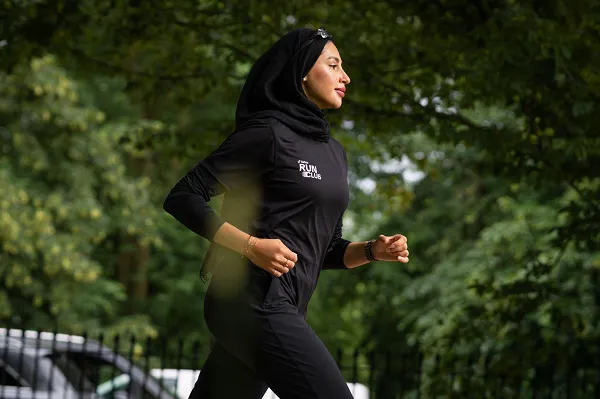
- Phase 4: The Brussels Pilot. The initiative officially hits the pavement this week in Brussels, where creator-ambassador Zahra Rose is spearheading a free, open-to-the-public community fun run. This event serves as the blueprint for future activations across the continent.
Supporting Data: Why Fitness is a TikTok Powerhouse
The decision to invest in fitness is supported by the platform’s internal engagement metrics. TikTok has evolved from a repository of short-form entertainment into a discovery engine for lifestyle habits.
Data shows that users who engage with fitness content are significantly more likely to participate in high-frequency, long-term app usage. By fostering a "social fitness" environment, TikTok effectively creates a feedback loop: users watch content, find motivation, track their progress on Strava, share their achievements back on TikTok, and engage with local clubs.
Furthermore, the partnership includes a joint research initiative. TikTok and Strava have committed to a comprehensive study examining how online inspiration translates into sustained offline habits. This research will analyze:
- Conversion Rates: How many users transition from viewing a workout video to performing a recorded activity.
- Mental Health Impacts: The correlation between community-based exercise and reported well-being.
- Digital Best Practices: How social platforms can design algorithms that prioritize constructive physical activity without encouraging over-exertion or unhealthy competition.
Official Responses and Stakeholder Perspectives
In a formal statement regarding the launch, a spokesperson for TikTok emphasized the importance of local connection in an increasingly digital world: "Through the fund, we’re partnering with 20 creators—such as Zahra Rose and Esther De Souza—who are active on both TikTok and Strava. They represent diverse regions, backgrounds, and active journeys across Europe. These creators are long-standing members of the local fitness communities they represent, and each will use their share of funding and TikTok promotional vouchers to directly support their neighborhood clubs."
The program’s focus on inclusivity is a recurring theme in the official documentation. The goal is to ensure that the "transition from online motivation to offline community remains inclusive, and supportive for everyone." By selecting ambassadors from diverse backgrounds, the companies are aiming to avoid the exclusionary "elite athlete" trope, instead focusing on the accessible, social side of movement.
Strategic Implications: More Than Just a PR Tool
While the program is undeniably a positive PR move for TikTok—a platform frequently subjected to intense regulatory and public scrutiny—the strategic implications for the fitness industry are profound.
1. The "Phygital" Consumer
For fitness marketers, the rise of the "phygital" (physical + digital) consumer is a massive opportunity. Brands can no longer rely on simple banner ads; they must now look at how to integrate into the ecosystem of local run clubs and community movements. If a user is part of a TikTok-backed run club, their brand loyalty is likely to be significantly higher than a standard digital-only follower.
2. Influencer Evolution
The role of the "creator" is shifting. Ambassadors in this program are not just posting aesthetic content; they are acting as event organizers, community managers, and grassroots fundraisers. This shift suggests that the future of influencer marketing will be heavily weighted toward those who can demonstrate tangible, real-world impact.

3. Community-First Advertising
For advertisers looking to target health-conscious demographics, this initiative offers a blueprint. By leveraging the Local Movement Fund’s infrastructure, companies may find new, highly targeted ways to reach users who are active, local, and community-oriented. The use of TikTok promotional vouchers in this context demonstrates how advertising credits can be used to foster community growth rather than just transactional sales.
Looking Ahead: The Future of the Movement
The Brussels pilot event is merely the starting point. If the Pan-European Local Movement Fund proves successful in increasing user engagement and fostering a healthier, more active community, it is likely that TikTok will expand the program globally.
The integration of Strava data into the TikTok user experience could also pave the way for more sophisticated fitness-tracking features within the app itself. Imagine a world where a user’s Strava milestones automatically generate high-quality video recaps for TikTok, further incentivizing users to stay active and keep sharing.
Ultimately, the initiative reflects a broader trend in the tech industry: the pivot toward "value-added" social networking. In an era where users are increasingly wary of "doomscrolling," TikTok is betting that the path to longevity lies in providing tools that make people’s lives better, healthier, and more connected in the real world.
As the 20 ambassadors begin their work across Europe, the industry will be watching closely. If this blend of digital advertising and physical community management succeeds, it could set a new standard for how social platforms interact with the offline world, effectively turning the "scroll" into the "stride." For the fitness community, the promise is clear: the internet is no longer just a place to watch others work out; it is becoming the very engine that drives the neighborhood run.


 Nila Kartika Wati
 Iffa Jayyana