

For over two decades, the name Peter Jackson has been inextricably linked to the sweeping, mountainous vistas of Middle-earth. As the architect behind The Lord of the Rings and The Hobbit trilogies, Jackson transformed J.R.R. Tolkien’s dense literary legacy into a cinematic juggernaut that grossed nearly $6 billion at the global box office. His vision defined the visual language of modern fantasy, creating a benchmark that arguably remains the gold standard for the genre.
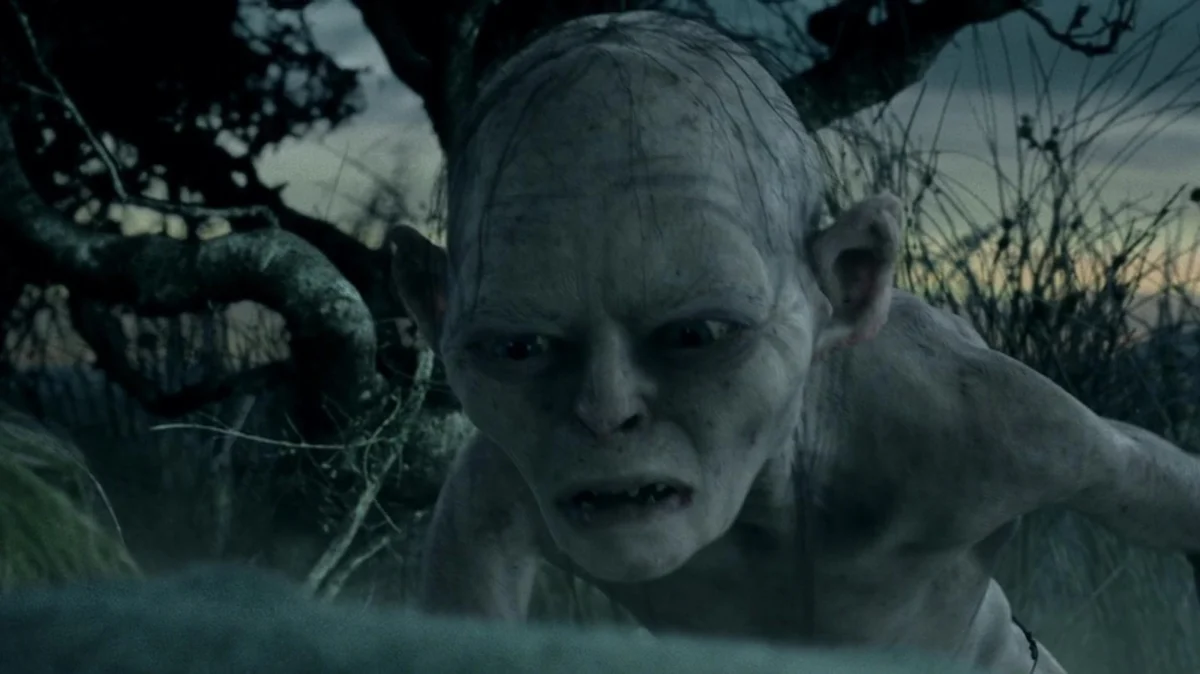
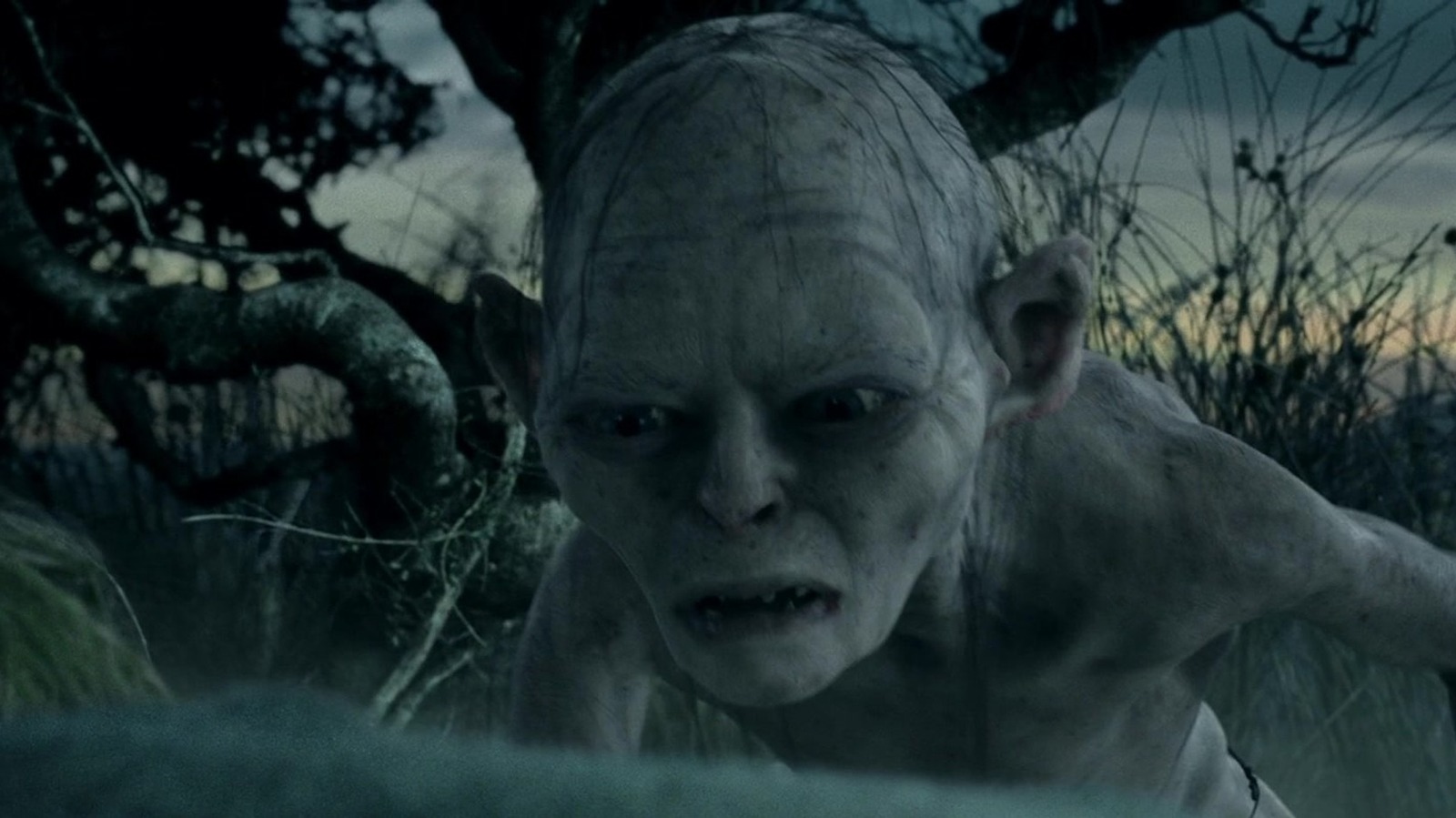
Consequently, when Warner Bros. announced a new entry in the franchise, titled The Lord of the Rings: The Hunt for Gollum, the immediate expectation was a return to the helm for the New Zealand filmmaker. However, the studio revealed a different path: Andy Serkis, the man who brought the wretched, tortured soul of Gollum to life through pioneering motion-capture performance, would be directing the project. Jackson, meanwhile, would serve in a producing capacity. This decision marks a significant turning point for the franchise, signaling a shift from a singular auteur’s vision toward a more collaborative expansion of the legendarium.
The Evolution of the Middle-earth Franchise: A Chronology
To understand the weight of this transition, one must look at the timeline of the Middle-earth cinematic universe. The journey began in 2001 with The Fellowship of the Ring, launching a cultural phenomenon that culminated in The Return of the King winning 11 Academy Awards in 2004. Jackson followed this with The Hobbit trilogy, which, while more polarizing among critics, further cemented the franchise’s commercial dominance.
The gap between 2014’s The Battle of the Five Armies and the current era has seen the rights to Tolkien’s work become a focal point of intense industry speculation. With Warner Bros. eager to revitalize its intellectual property, the studio has pursued a strategy of diversification. This began in earnest with the 2024 release of the animated feature The Lord of the Rings: The War of the Rohirrim, which explored the history of Rohan. The Hunt for Gollum is the next logical step in this aggressive expansion, aiming to bridge the narrative space between the events of The Hobbit and the opening of The Fellowship of the Ring.
The Case for Andy Serkis: More Than Just Motion Capture
While some fans were initially surprised by the change in leadership, industry insiders argue that Serkis is perhaps the most qualified candidate to shepherd this specific story. Serkis is far more than an "actor in a suit." His directorial portfolio includes the live-action/CGI hybrid Mowgli: Legend of the Jungle and the high-octane superhero sequel Venom: Let There Be Carnage.
Beyond his directorial credits, Serkis’s intimate knowledge of Middle-earth is peerless. He served as a second-unit director on The Hobbit trilogy, working in tandem with Jackson to film complex action sequences and expansive battle scenes. By placing Serkis in the director’s chair, Warner Bros. is betting on a creator who understands both the technical demands of large-scale fantasy filmmaking and the specific, tragic psychology of the character he spent years portraying.
Official Perspectives: Jackson on Artistic Agency
During a recent appearance at the Cannes Film Festival, Peter Jackson provided a candid, pragmatic explanation for his decision to step back from the director’s chair. His reasoning was rooted in both creative exhaustion and a genuine desire to see a new perspective applied to the source material.
"I could have directed it, but I thought, I’ve done that," Jackson explained. "It would be more interesting with this particular story—which takes place between The Hobbit and The Lord of the Rings—if Andy Serkis directed it."
Jackson’s comments highlight a mature, collaborative approach to franchise management. Rather than clinging to his legacy, he is positioning himself as a guardian of the world he helped build, providing resources and guidance to a successor while resisting the urge to micromanage. "It’s an internal story about Gollum’s psychology and addiction," Jackson noted. "It’s a personal story to Gollum. Andy knows this guy better than anybody. I didn’t think about me. The more exciting version of this movie is if Andy Serkis made it. I’m leaving it to him. I’m here to help where I can, but I don’t interfere. I’ve given him as much freedom as I can."
Casting and Narrative Implications
The Hunt for Gollum is not merely a technical exercise; it is a narrative bridge. The film aims to flesh out the shadowy period during which Gandalf the Grey and Aragorn searched for the creature who once held the One Ring.
The casting news has already generated significant buzz. While the return of Elijah Wood as Frodo and Ian McKellen as Gandalf provides a comforting sense of continuity, the recasting of Aragorn has been a major point of discussion. Jamie Dornan has been tapped to portray a younger version of the Dúnedain ranger. While Viggo Mortensen’s portrayal is legendary, the logistical and narrative choice to cast Dornan allows for a fresh exploration of Aragorn’s formative years, avoiding the "uncanny valley" pitfalls of excessive de-aging technology.
Furthermore, the involvement of high-profile fans and creators, such as Stephen Colbert, who is reportedly co-writing a separate upcoming Middle-earth project, suggests that Warner Bros. is prioritizing a "deep-lore" approach. By hiring writers and directors who are recognized, vocal aficionados of Tolkien’s work, the studio is signaling to the fanbase that the franchise is in the hands of people who respect the source material’s sanctity.
The Economic and Cultural Stakes
Warner Bros.’ decision to "go all-in" on Middle-earth comes at a time when major studios are struggling to find consistent, high-performing tentpoles. The failure of recent high-profile franchise attempts—and even the mixed reception of Serkis’s own Animal Farm adaptation—demonstrates that brand recognition alone is no longer a guarantee of success.
The Hunt for Gollum carries the burden of maintaining the prestige associated with the original trilogy while proving that the franchise can thrive without Jackson’s direct oversight. If the film succeeds, it will open the door for a vast expansion of Middle-earth stories, potentially moving into the eras of the Second Age or other neglected corners of Tolkien’s history. If it falters, it may force the studio to reconsider its reliance on established IP as a primary engine for growth.
Conclusion: A New Chapter for Middle-earth
As we look toward the December 17, 2027, release date, the narrative surrounding The Hunt for Gollum is shifting. It is no longer just a "Peter Jackson movie without Peter Jackson." It is becoming a transition point—a moment where the torch is officially passed from the pioneers who defined the look of fantasy in the early 2000s to a new generation of creators.
By fostering a relationship of mentorship rather than control, Jackson is ensuring that the soul of the franchise remains intact even as the authorship evolves. Andy Serkis, with his unique blend of acting prowess and directorial experience, stands as the perfect bridge between the old guard and the future of Middle-earth. Whether the film captures the same lightning in a bottle as its predecessors remains to be seen, but the intention behind its creation—a desire to explore the deep, internal psyche of its most complex character—suggests that there is still plenty of magic left to uncover in the mines of Moria and the shadows of Mirkwood.











No comments yet. Be the first to join the conversation!