Siti Muinah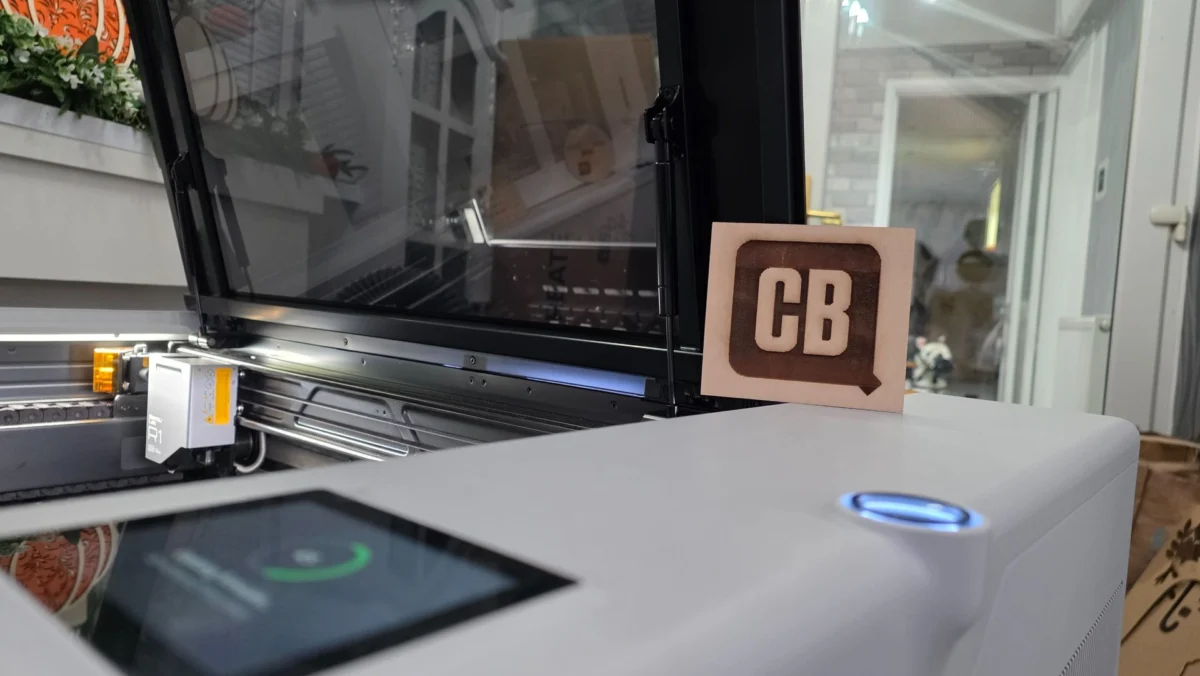
For the past five years, Bambu Lab has dominated the consumer maker landscape, effectively redefining what hobbyists expect from desktop 3D printing. By prioritizing speed, accessibility, and high-fidelity automation, the company became a household name. Now, in a move that signals a significant pivot in their business strategy, Bambu Lab has officially stepped outside the 3D printing ecosystem to launch its first standalone product: the R1 55-watt CO2 laser cutter.
This launch isn’t merely an incremental update; it is a direct challenge to established players in the laser engraving market, such as xTool. After two weeks of intensive beta testing, the R1 has proven to be a formidable piece of hardware that manages to translate the "Bambu experience"—characterized by intuitive software and robust automation—into the world of laser cutting.
The Evolution of the Ecosystem
While this is the company’s first standalone laser product, it is not their first foray into laser technology. Over the past year, Bambu Lab has experimented with modular laser and blade-cutting capabilities within its H-series 3D printers. The H2S, for instance, offered users a hybrid approach, blurring the lines between a traditional additive printer and a digital crafting machine akin to a Cricut.
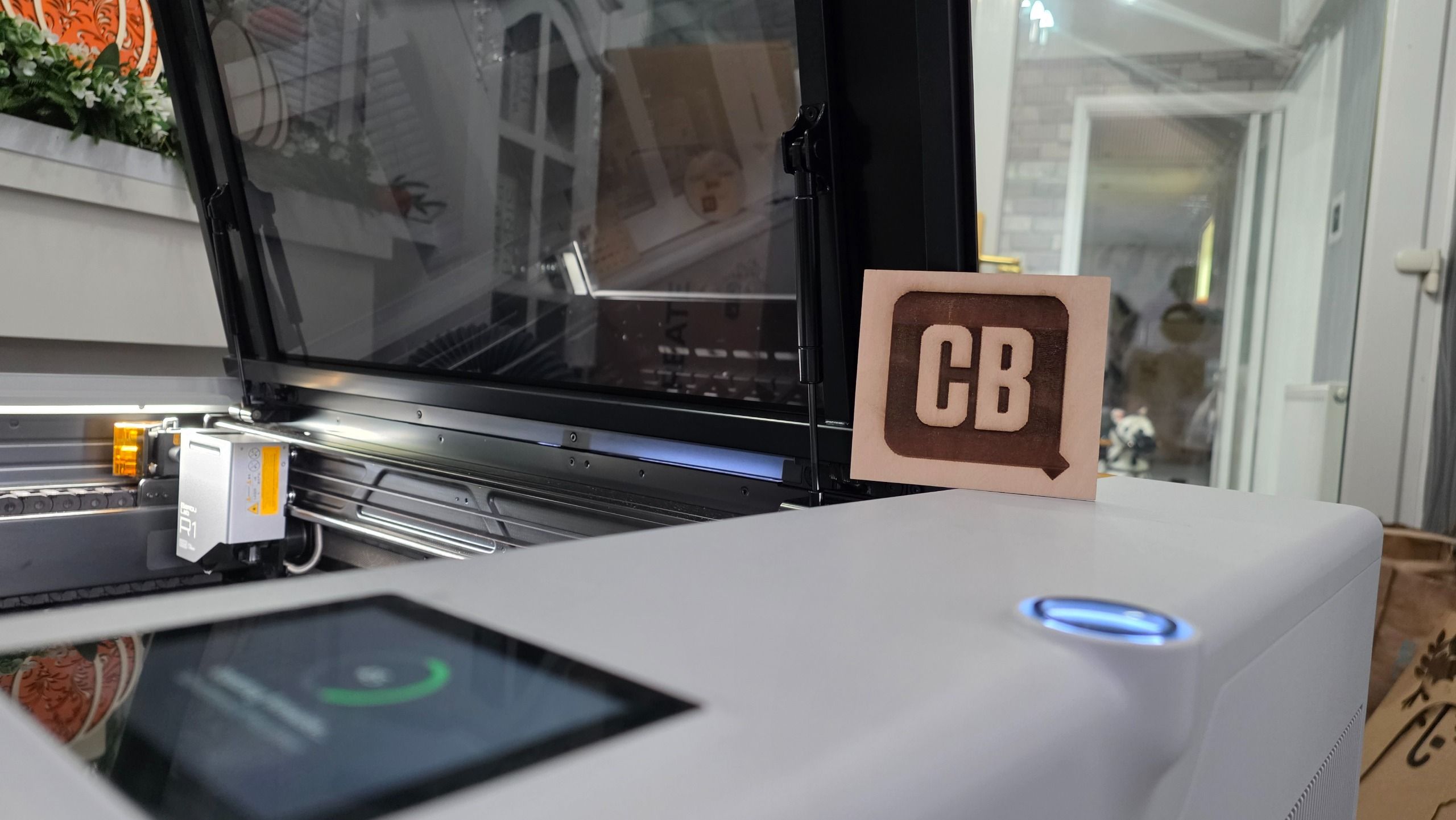
The R1, however, represents a maturation of this technology. It sheds the constraints of the printer frame to offer a dedicated, high-performance laser platform. For the millions of users already accustomed to the Bambu Lab workflow, the R1 feels like a natural progression, maintaining the familiar UI and ecosystem integration that made their printers so successful.
Core Specifications and Performance
At its heart, the R1 is a 55-watt CO2 laser, a power class that occupies the "sweet spot" for small business owners, designers, and serious hobbyists. It is capable of cutting through a diverse array of materials, including wood, clear acrylic, leather, paper, and fabric, while also possessing the capability to engrave harder surfaces like glass, stone, and coated metals.
The TriSense System: A Paradigm Shift
Perhaps the most significant innovation in the R1 is the TriSense System. In the world of CO2 lasers, optical path alignment is historically the "final boss" of maintenance. Traditionally, users are forced to perform a tedious, manual process: taping thermal paper over mirror mounts, executing test fires, and physically adjusting knobs until the beam is perfectly centered.
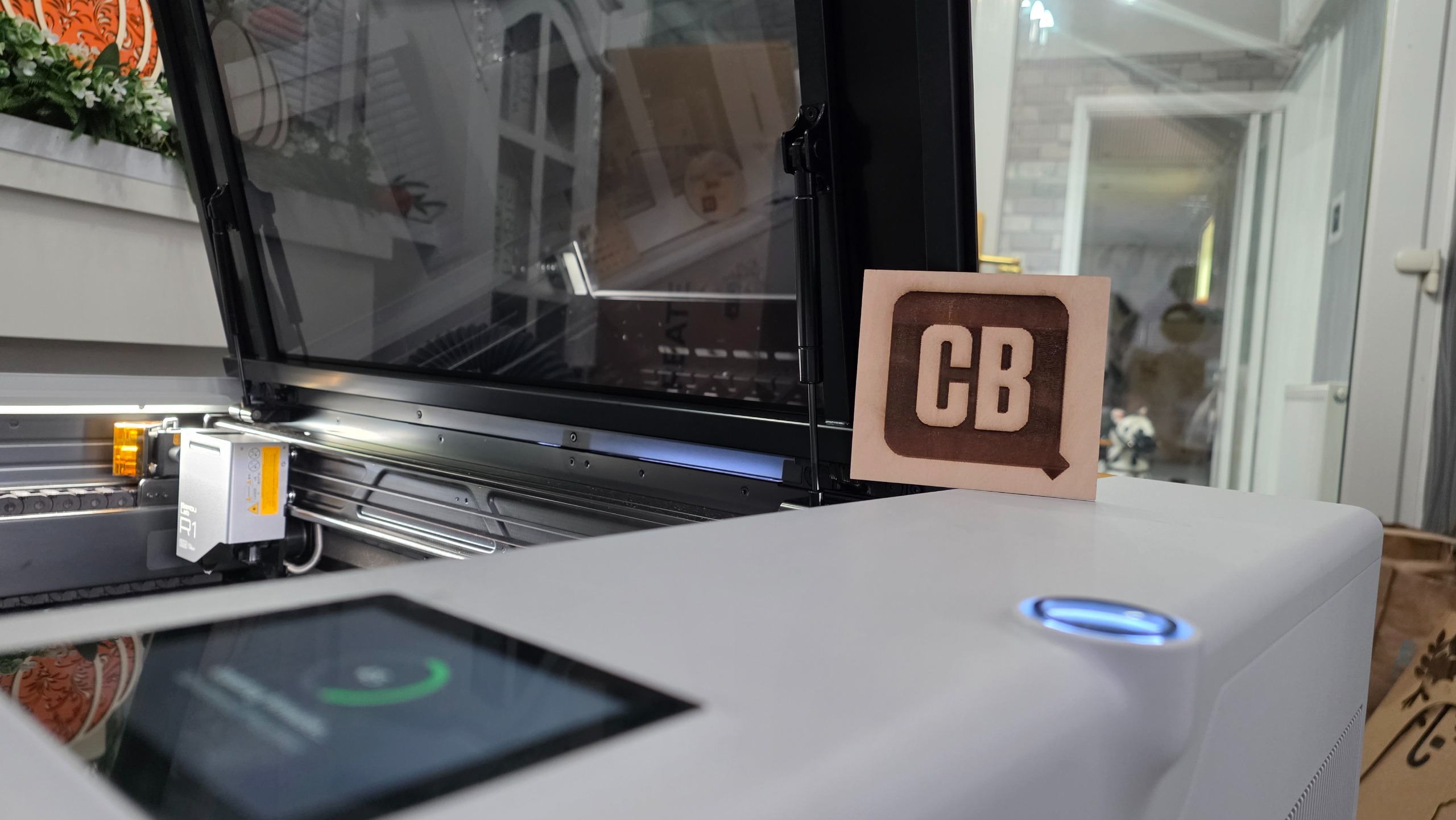
The R1 eliminates this friction entirely. With one click, the TriSense System detects material placement, calculates surface height, and maps the tool head path automatically. This automation reduces a process that previously took experienced users upwards of an hour into a seamless, automated sequence that takes seconds.
Precision and Longevity
Bambu Lab has also addressed the issue of long-term mechanical drift. While the R1 is built to industrial standards, the company offers an optional Vision Encoder—a specialized calibration board that measures and corrects for any minor mechanical discrepancies that may arise after months of heavy use. This commitment to longevity is a welcome departure from the "disposable" culture of cheaper, entry-level laser cutters.
Chronology of the Beta Experience
During my two-week testing period, the machine functioned with a level of reliability that is rare for a first-generation product.
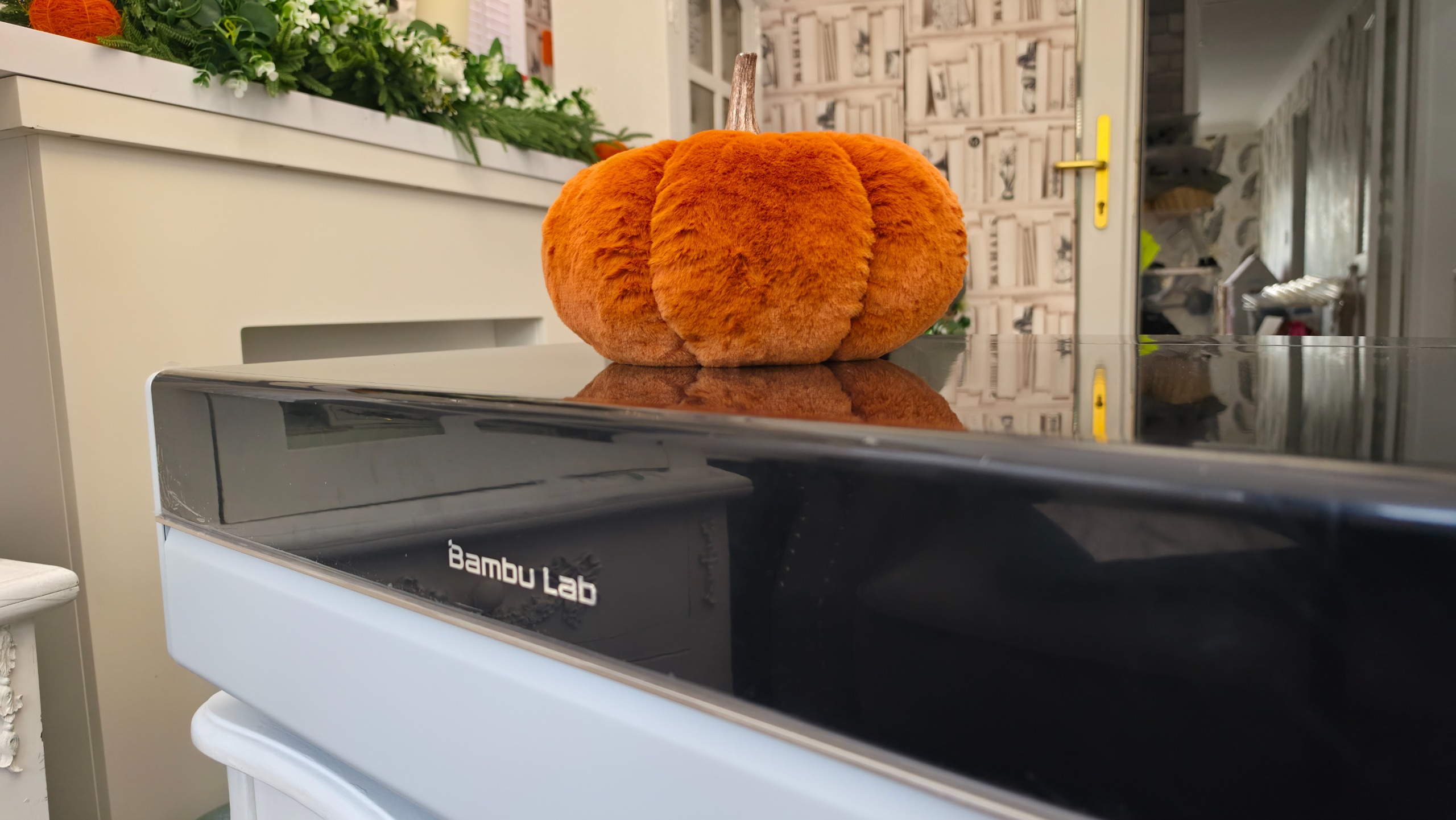
- Days 1–3: Setup and Calibration. Unboxing the R1 is a two-person job due to its substantial weight and robust build quality. However, once positioned, the setup process mirrored the streamlined onboarding of a P1S or X1-Carbon.
- Days 4–10: Material Stress Testing. I pushed the machine through a variety of substrates. Acrylic was handled with remarkable ease, producing clean, polished edges that required minimal post-processing.
- Days 11–14: Workflow Integration. I integrated the R1 into my existing Bambu Lab workflow. The use of the "Bambu Suite" software—a dedicated application for the R1 that is entirely free of charge—provided a smooth transition. Unlike many competitors, there are no hidden costs or "AI credit" walls for basic design functionality.
Implications for the Market
The pricing of the R1, set at $2,499.00 / £2,249.00 / €2,499.00 / AU$3,849.00, is aggressive. When compared to the xTool P2S, which debuted with an MSRP exceeding $4,000, the R1 is clearly positioning itself as the high-value, "prosumer" choice.
Space Optimization
Despite its heavy-duty build, the R1 is surprisingly efficient with space. It offers a 600 x 300 mm working area while maintaining a footprint roughly 30% smaller than standard CO2 lasers with similar capabilities. For those needing to scale up to larger furniture-scale projects, an optional conveyor attachment allows for processing materials up to 3,000 mm long, effectively turning the R1 into a production-grade machine.
Safety Considerations
The R1 is Class 1 certified, meaning it is designed to be safe for use in residential environments, including homes with children or pets. It includes:
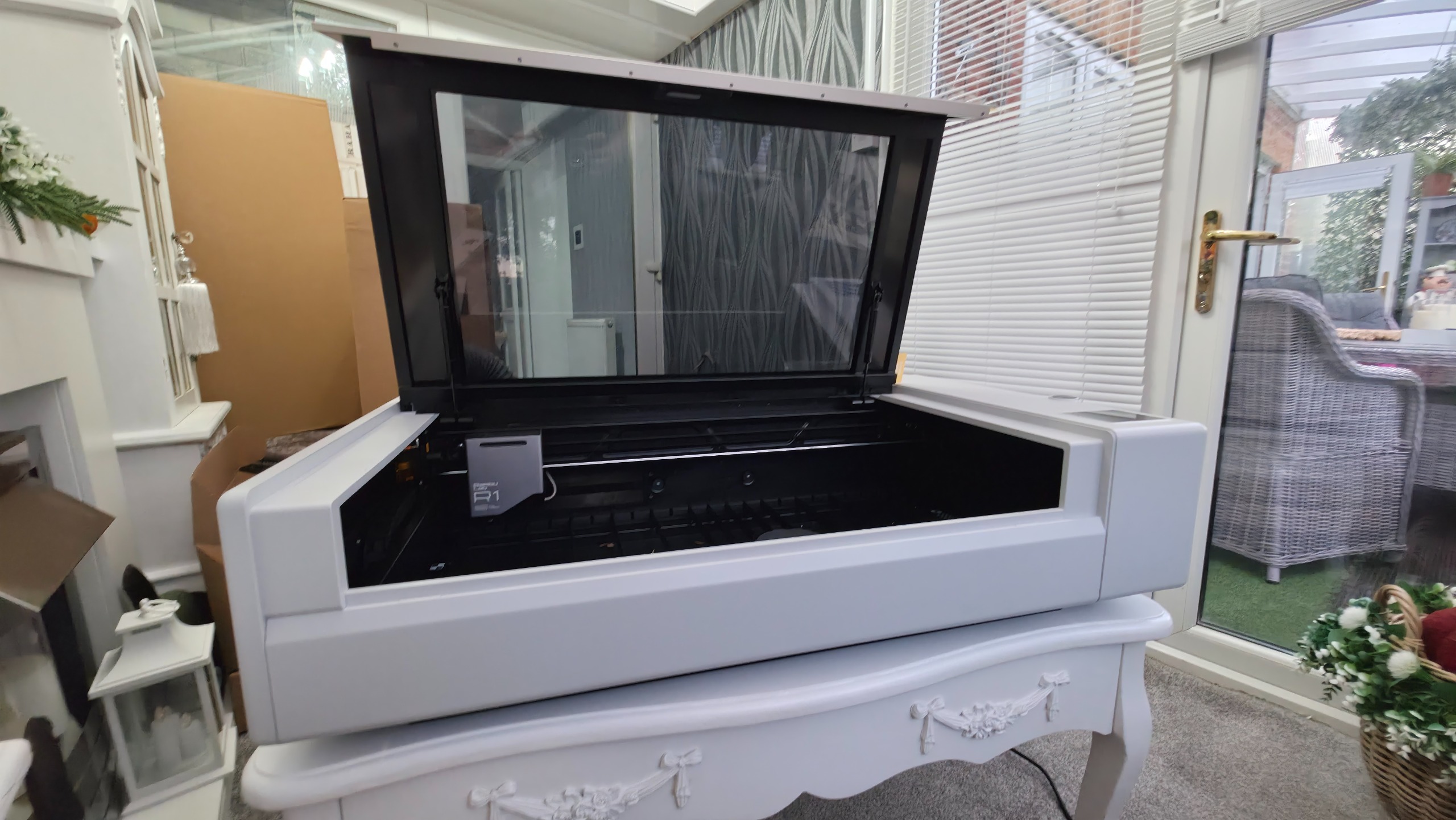
- An integrated "big red" emergency stop button.
- Automatic lid-open shutoff sensors.
- Active flame detection (with an optional, dedicated Auto Fire Extinguishing System available for purchase).
Limitations and Future Updates
No product is without its growing pains. Currently, the R1 does not support the full spectrum of experimental materials. While I successfully engraved on PLA—a material typically avoided due to its chemical composition—users should adhere strictly to the provided safety guidelines.
Furthermore, while the "BirdsEye" camera provides excellent visual feedback for material placement, the lack of a live streaming or recording function for the app means that users must remain in the vicinity of the machine during operation. Bambu Lab has indicated that these features are being evaluated for future firmware updates.
Conclusion: A New Standard?
Bambu Lab’s entry into the laser cutting market is a calculated, well-executed move. By leveraging their existing software expertise and focusing on the pain points that have plagued laser hobbyists for years—specifically alignment and UI complexity—they have created a product that feels less like a prototype and more like a mature, reliable tool.
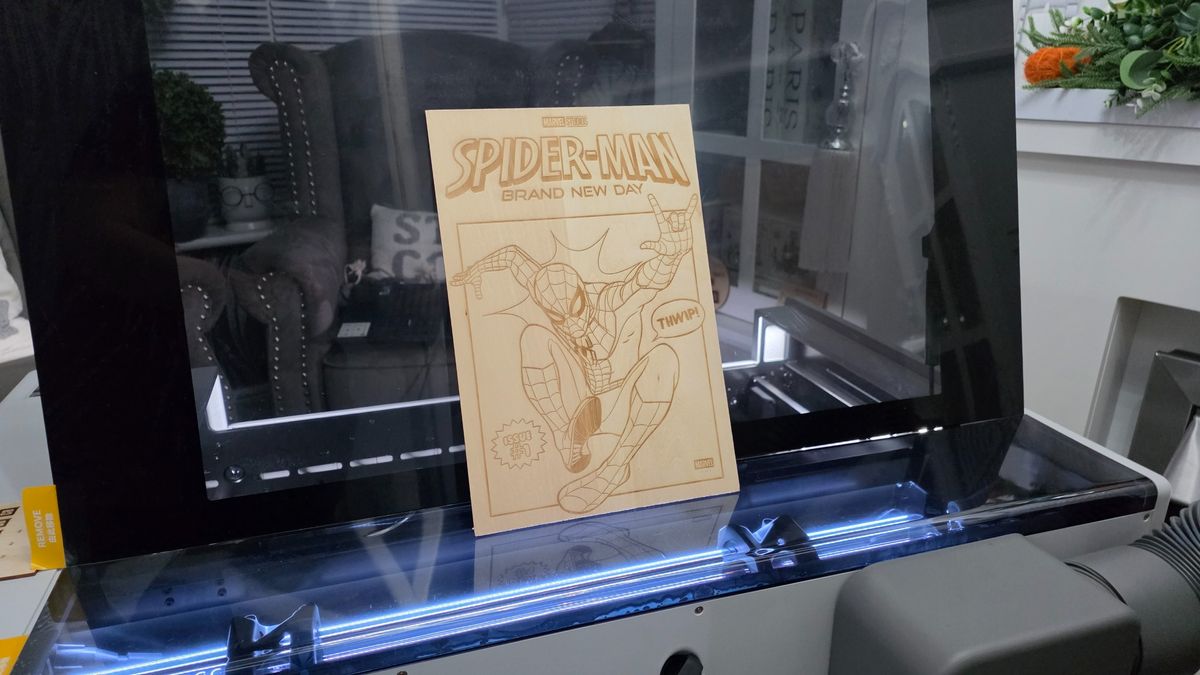
For the maker who already owns a Bambu Lab 3D printer, the R1 is an obvious, logical upgrade to their workshop. For the broader market, it sets a new benchmark for what a consumer-grade CO2 laser should be: automated, accessible, and robust. As the company continues to refine the software and expand the material library, the R1 is poised to become a staple in the creative industry.
Pre-orders are currently open via the official Bambu Lab store, with shipping slated to begin in October.


 Laily UPN
 Ali Ikhwan