Suro Senen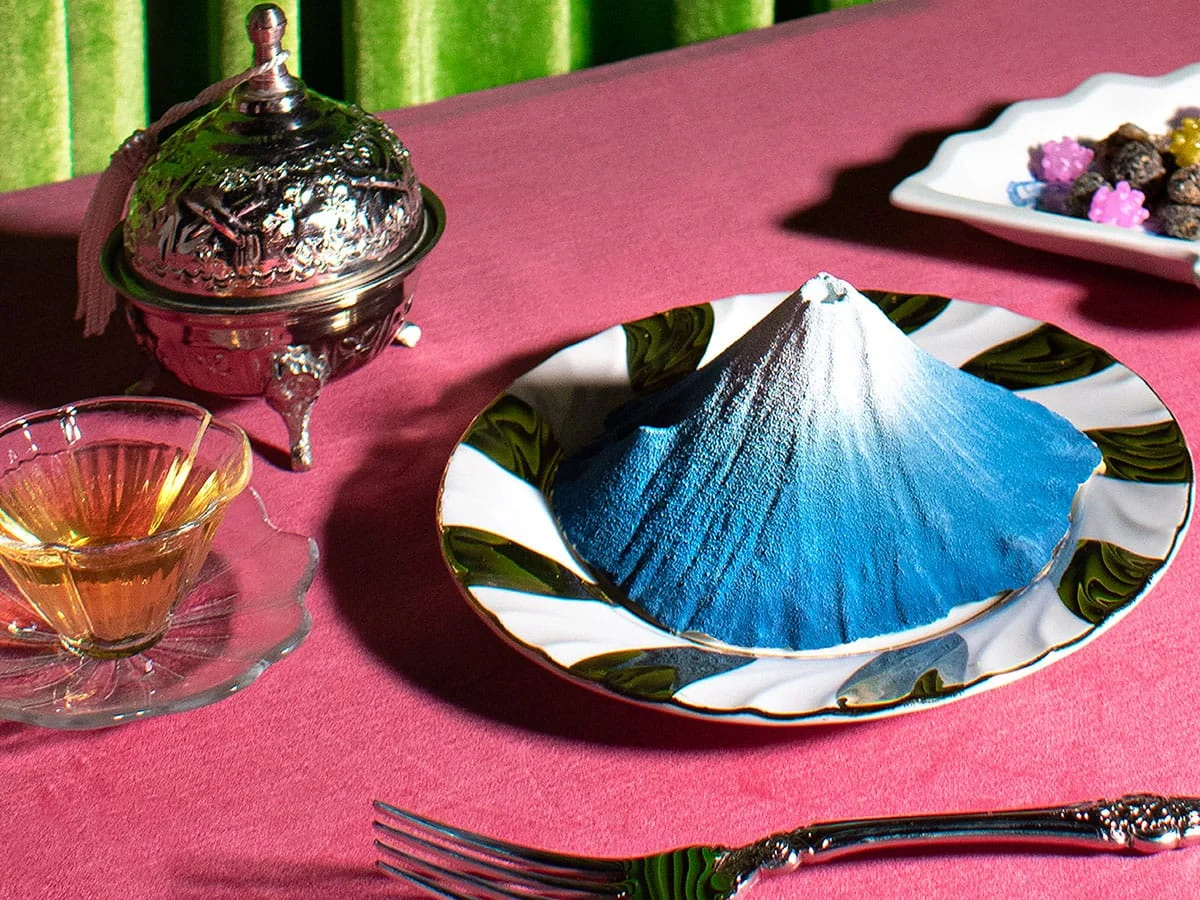
In the heart of Tokyo’s trendy Yoyogi-Uehara neighborhood, a new portal to a fantastical world has opened its doors. On January 21, 2023, the Shorakuen Tea Salon & Boutique began welcoming guests, offering an experience that transcends the traditional boundaries of a cafe. Managed by the renowned creative studio KLOKA—an agency celebrated for its surreal, high-concept visual storytelling—the boutique serves as more than just a retail space; it is a meticulously curated "souvenir shop in Shangri-La." By blending the ethereal aesthetics of Japanese folklore with the ornate sensibilities of Western fairy tales, Shorakuen has established itself as an essential destination for those seeking a sensory journey through taste, topography, and time.
The Genesis of Shorakuen: A Chronology of Creation
The establishment of Shorakuen is the culmination of years of experimentation by the KLOKA team. Known for their ability to weave "mysterious worldviews" into tangible products, the studio spent significant time refining the concept of a retail space that functions like a living diorama.
- Pre-2023: The concept for Yamagashi—the shop’s signature mountain-shaped chocolates—began as a limited-edition project featured in various high-end pop-up shops across Tokyo. The overwhelming public response to these miniature, topographical delicacies prompted KLOKA to seek a permanent home.
- Late 2022: Scouting for a location that could house both a retail boutique and an intimate tea salon, the team settled on Yoyogi-Uehara. The neighborhood’s reputation for understated elegance and artisanal culture provided the perfect backdrop for the shop’s "fairyland" aesthetic.
- January 21, 2023: The official grand opening. The event drew crowds of design enthusiasts and gourmets alike, eager to witness the integration of geological science and fine pastry.
- Present Day: The boutique has evolved into a cornerstone of the neighborhood, serving as both a local tea house and a boutique souvenir destination for tourists seeking uniquely Japanese gifts.
The Art of the Landscape: Yamagashi and Geological Gastronomy
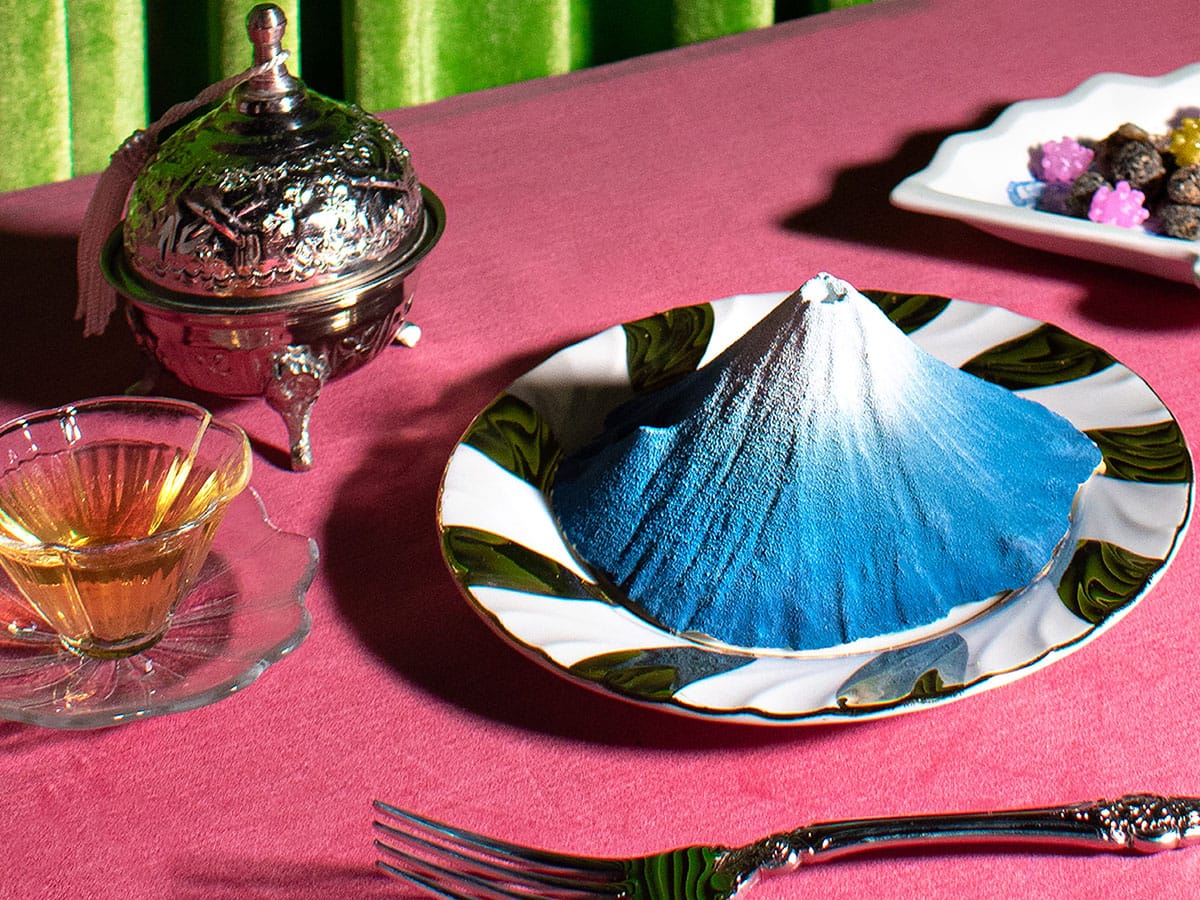
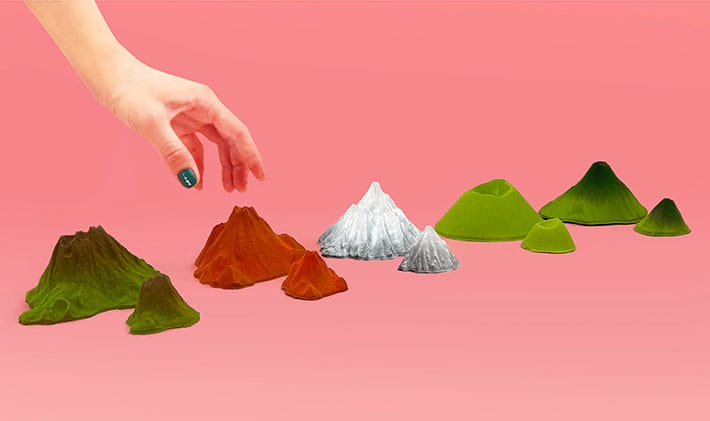
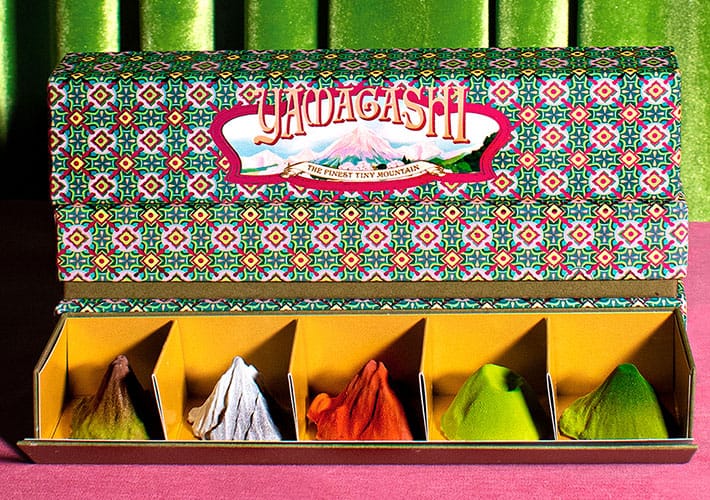
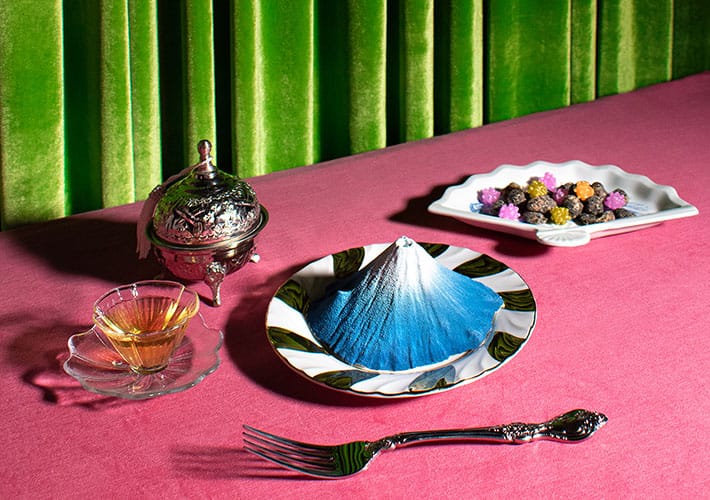
At the center of Shorakuen’s appeal is the Yamagashi (Mountain Confectionery). These are not merely chocolates; they are feats of culinary engineering. Each piece is palm-sized and precision-molded based on actual topographical data from Japan’s most iconic peaks, including Mt. Sakurajima, Mt. Rishiri, Mt. Yufudake, and Mt. Omuro.
The Diorama Experience
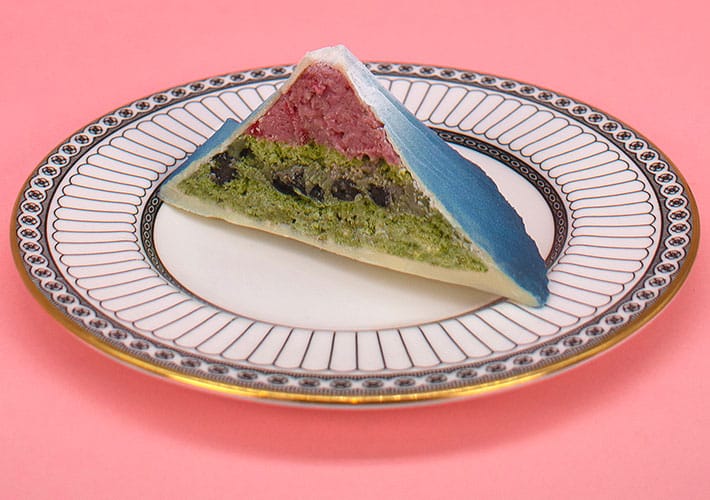
When purchased, these confections are housed in specially designed "miniature garden" boxes. This packaging choice elevates the product from a snack to a collectible piece of art. Upon slicing into a Yamagashi, the consumer is treated to a cross-section that mimics the earth itself. Layers of rich ganache, light sponge cake, and carefully integrated fruits and nuts represent different geological strata.
Flavor Profiles as Regional Identity
KLOKA’s commitment to the Yamagashi goes beyond visual accuracy. Each mountain is paired with local ingredients synonymous with the region it represents. For instance, a mountain known for its citrus groves might incorporate yuzu or kumquat, while a volcanic peak might feature deep, dark cacao notes to represent basalt. This intentional pairing ensures that the experience of eating a Yamagashi is as much about the local terroir of the actual mountain as it is about the flavor of the chocolate.
The "Hinayama" Collection
Expanding on the popularity of the Yamagashi, the boutique also features the Hinayama—a smaller, delicate series of chocolates inspired by the aesthetic of traditional hina ningyo (Japanese imperial dolls). Previously exclusive to transient pop-up events, these are now a permanent fixture at the Yoyogi-Uehara boutique, providing a seasonal and cultural connection to the ancient Japanese tradition of doll displays.
The Mt. Fuji Commemoration: A New Peak
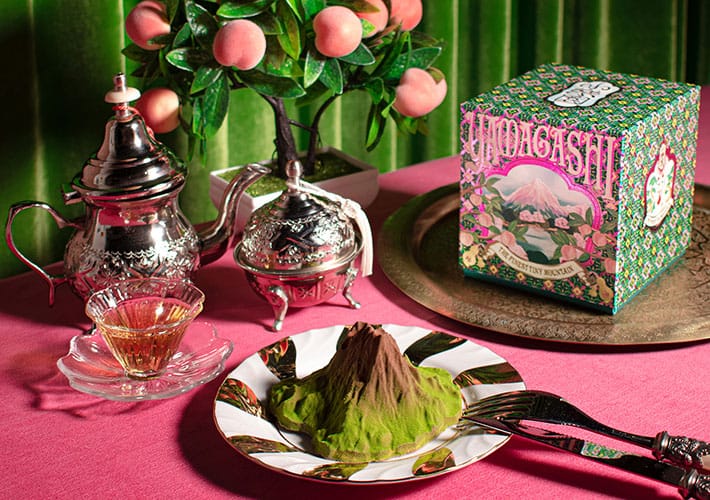
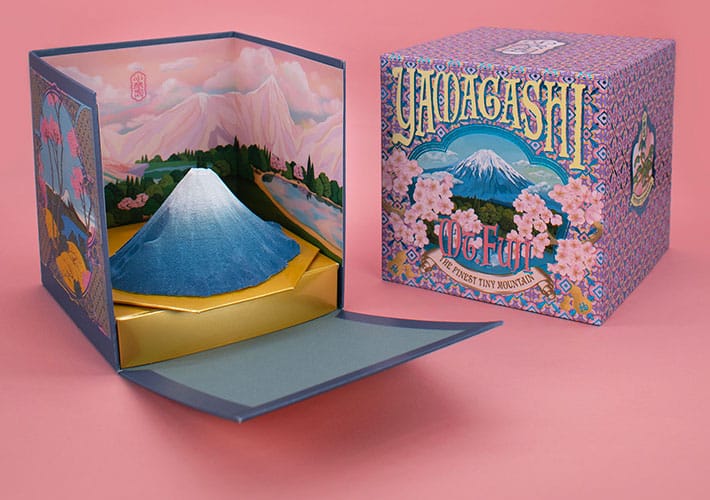
To mark the grand opening, KLOKA unveiled a special, larger-scale edition of the Yamagashi modeled after Mt. Fuji. This limited-release centerpiece is not only physically larger than the standard range but is also presented in an elaborate, commemorative box designed to serve as a tribute to the store’s inception. The Mt. Fuji edition represents the pinnacle of the studio’s design philosophy, combining the highest elevation in Japan with the highest level of craftsmanship available in their kitchen.
Beyond the Chocolate: Okoshi and the Tea Salon
While the chocolates draw the initial attention, the Okoshi and the Tea Salon offer a deeper dive into the boutique’s eclectic menu.
- Okoshi Tins: A traditional Japanese crunchy rice crisp, Okoshi is given a modern, sophisticated twist at Shorakuen. Crafted in-house, these treats lean into the sweet-and-salty spectrum, featuring adventurous flavor profiles such as yuzu pepper, cinnamon, plum, and green tea. Sold in 110g tins, they are intended as the quintessential take-home gift.
- The Tea Salon: The salon itself is an exercise in "luxurious escapism." With only nine seats available, the space is intimate and exclusive. The menu is a global tour of flavor, featuring:
- Taiwanese Teas: Carefully sourced for their floral and complex notes.
- Specialty Hot Chocolates: Two original blends designed to pair specifically with the richness of the Yamagashi.
- Spiced Chai: An exotic blend incorporating Japanese-grown spices, bridging the gap between Eastern tradition and Western cafe culture.
- Spirits: A curated selection of coffee and whiskey, allowing guests to pair their sweets with a more adult, sophisticated beverage.
Implications: A New Era for Concept Retail
The success of Shorakuen signals a significant shift in how Tokyo’s luxury retail sector is approaching the "souvenir" market. By merging the concepts of a museum, a laboratory, and a cafe, KLOKA has created a template for what might be called "Immersive Gastronomy."
The Cultural Significance of "Shangri-La"
The store’s interior design is a deliberate rebellion against the minimalist trends that have dominated Japanese retail for the past decade. By embracing a "fairyland" aesthetic—incorporating European ornaments, Silk Road-inspired tableware, and an atmosphere of intentional clutter—Shorakuen offers a psychological escape from the rigid, fast-paced nature of Tokyo life. The inclusion of a karakuri (mechanical) doll that appears to entertain guests is a nod to the Edo-period tradition of automata, proving that the boutique is deeply rooted in Japanese history, even as it presents an exotic, forward-thinking facade.
Economic and Tourism Impact
Located in Yoyogi-Uehara, a neighborhood popular with both affluent locals and design-conscious international travelers, Shorakuen serves as a bridge between high culture and everyday indulgence. The decision to make previously exclusive pop-up items available permanently has effectively turned the shop into a "pilgrimage site." For the tourism industry, this represents a move away from generic mass-produced souvenirs toward "experiential retail," where the value lies in the story, the craftsmanship, and the atmosphere surrounding the purchase.
Conclusion: A Living Fairy Tale
Shorakuen Tea Salon & Boutique is more than the sum of its parts. It is a testament to the power of creative direction in the culinary arts. Through the fusion of topographical data, traditional Japanese flavors, and a surreal, borderless interior design, KLOKA has succeeded in creating a space that feels both ancient and entirely new.
Whether one is visiting for the precise geometry of a Mt. Sakurajima chocolate, the crunch of a yuzu-pepper Okoshi, or a quiet moment of reflection in the nine-seat tea salon, the experience is designed to leave a lasting impression. As the boutique continues to grow, it remains a beacon of creativity in Shibuya Ward, inviting visitors to step away from the mundane and into a miniature, chocolate-dusted Shangri-La.
Store Information:
- Name: Shorakuen Tea Salon & Boutique
- Location: Yoyogi-Uehara, Shibuya Ward, Tokyo
- Management: KLOKA Creative Studio
- Concept: Souvenir shop in a fairyland
- Key Offerings: Yamagashi (topographical chocolates), Hinayama (doll-inspired sweets), Okoshi (rice crisps), and a curated Tea Salon.
(By – grape Japan editorial staff.)


 Neng Nana
 Asro
Asro