Dwi Wanna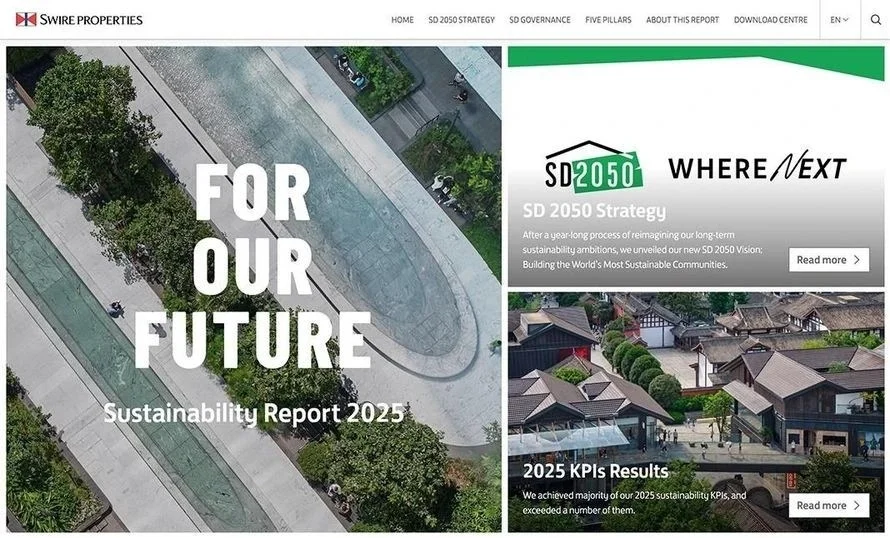
In the hyper-competitive digital landscape of 2026, a website is no longer just a digital brochure; it is a high-stakes performance piece. Modern, user-centric website design does not happen by accident. Every high-converting landing page that captures the public imagination is the result of rigorous, intentional decisions regarding layout, color theory, typography, and intuitive user flow.
As we move deeper into the decade, the standards for web design have undergone a seismic shift. The design languages that felt cutting-edge in 2018 now appear archaic, struggling to keep pace with the demands of modern mobile devices, high-speed connectivity, and the integration of artificial intelligence. For agencies, developers, and entrepreneurs, the most effective path toward digital transformation is to study real-world examples—analyzing exactly what makes a site successful and why it resonates with its target audience.

The Evolution of the Web: Why Reference is King
Most elite web design agencies begin a project with one foundational step: comprehensive research. Before a single line of code is written or a wireframe is drawn, designers curate a library of references. This process is essential because it allows teams to identify proven layout patterns that align with specific business goals.
Today’s design philosophy has moved beyond mere aesthetics. Modern web design is a symbiotic relationship between UI (User Interface) and UX (User Experience). A beautiful site is a failure if the user cannot navigate it, and a functional site is a wasted opportunity if it lacks visual personality. Furthermore, the SEO implications of design cannot be ignored. Modern web development requires that search engines understand a page through semantic HTML headings, optimized media, and performance-driven page speed. Utilizing robust frameworks or CMS solutions—such as modern WordPress themes—is often the bridge between a design concept and a scalable, high-performance reality.

53+ Fresh Website Design Examples for Creative Inspiration (2026)
The following collection highlights 53 diverse projects, ranging from minimalist portfolios to complex, motion-heavy product ecosystems. These examples serve as a benchmark for the current industry standard.
1. Kenichi Aikawa: The Art of the Portfolio
A masterclass in editorial photography presentation, Kenichi Aikawa’s site balances the demands of fashion and corporate advertising with a clean, Tokyo-inspired aesthetic. It proves that for creatives, "less is more."

2. Wembi: The Virtual Twin
Wembi demonstrates how to present high-tech concepts. By creating a digital virtual twin of complex systems, they simplify the abstract, showing that UI design can make even the most technical data feel accessible.
3. IL CAPO PRODUCTION: Industrial Cinema
This site blends the elegance of historical cinema with the boldness of industrial production, utilizing a moody, high-contrast palette that defines the "premium" look of 2026.

4. Elle and Esquire Exhibit 2026: Immersive History
A joint photography exhibit, this site uses archival media as its core design element, showing how legacy brands can use interactive galleries to bridge the gap between print and digital.
5. Susie & Jay: Redefining the Digital Invite
This wedding site is a testament to the power of 3D elements. It moves away from static text, offering an interactive, cinematic journey that redefines the guest experience.

6. Spotify Wrapped Party: Multiplayer Engagement
Perhaps the year’s most innovative social project, this site allows 10 friends to compare data in real-time, showcasing how gamification drives retention.
7. Irina Moi: The Unexpected
Irina Moi’s portfolio is a study in creative direction. She challenges the "grid" while maintaining structural integrity, proving that breaking rules requires a deep understanding of them.

8. DatawizzAI: Product-Led Storytelling
For technical buyers, DatawizzAI uses smooth motion and sharp visuals to guide the user through a product narrative without overloading the page with jargon.
9. MDX Studio: The Craft of Storytelling
MDX focuses on the "creative technologist" persona, proving that a studio’s website should be as much a piece of art as the services it provides.

10. Swire Properties SD Report 2025: Data Visualization
Sustainability reporting is notoriously dry. Swire turns it into an engaging, interactive narrative, proving that complex information design is a competitive advantage.
11. G Mining Services: Specialized Clarity
By applying high-end editorial design to a traditional industry like mining, this site builds immediate trust and authority.

12. Kopa Padel: The Lifestyle Ecosystem
This site successfully scales a local business into a digital ecosystem, using brick-inspired textures to ground the user in a premium physical experience.
13. MONOLOG: Founder-Led Branding
MONOLOG illustrates how to sell "attitude." The design is bold and unapologetic, specifically targeting founders who want to disrupt their respective markets.

14. koziol.design: The Minimalist Canvas
Built on the Astro framework, this site uses particle fields and precise typography to show that a dark-mode portfolio can feel alive and dynamic.
15. Daily Rituals 0% AI: The Human Touch
In an era of automation, this site makes a bold statement by prioritizing hand-crafted illustration and lettering, serving as a reminder that human artistry is a premium commodity.

16. Bla Station: Immersive Furniture
Translating physical furniture into a 3D web experience, this site allows users to "feel" the quality of the products through their screens.
17. sen knife: Tradition Meets Innovation
This site balances Japanese culinary history with a modern e-commerce flow, showing how heritage brands can evolve for a global audience.

18. Steven: 3D Motion & WebGL
Steven Bartlett’s platform is a masterclass in WebGL integration, merging various media ventures into a cohesive, interactive 3D universe.
19. Ibushi Drift School: Subculture Digitalized
This site captures the raw energy of Japanese street culture, using a high-octane visual language that feels authentic to its niche.

20. FontVibe: AI-Utility
A perfect example of an AI-powered utility site. It offers a clear value proposition: pick a style, get a result, and move on. Efficiency is the ultimate UX.
21. Creative Cruise 2026: Event Branding
This site acts as a digital venue for Amsterdam’s creative captains, setting the tone for a high-level networking experience through sophisticated navigation.

22. Julien Calot: Multidisciplinary Art
Calot’s site proves that for visual artists, the navigation should be as fluid as the art itself.
23. IGNITE Agency: Mission-Driven Design
For non-profits and tech firms, IGNITE shows how to balance professional trustworthiness with creative flair.

25. UpSunday: Anti-Monday Mentality
UpSunday uses a distinct branding voice—"great design doesn’t wait for Monday"—to differentiate itself in a crowded market of creative studios.
26. Curio Tech: Culture-First Recruitment
Curio Tech treats their career page as a marketing asset, focusing on a "people-first" culture to attract top talent.

27. Axiom Research: Real-Time Mathematics
By using a math model to generate real-time art, Axiom transforms a research firm into a living, breathing laboratory.
28. Frissebeelden: The Raw Edge
This concert photography site uses dark, high-contrast imagery to capture the authentic, messy energy of live music.

29. Briq Marketing: Scalable Growth
A clean, performance-driven aesthetic that tells the user exactly what to expect: growth.
30. Beauty In Stem: Scientific Storytelling
This e-commerce site combines the worlds of science and beauty, using editorial design to make biotechnology feel like a luxury lifestyle.

31. Radian: The Launch Experience
Radian treats a product launch like a digital event, creating excitement through high-quality motion and interactive product highlights.
32. Bucks Sauce: Flavor-Forward Design
This site proves that food brands don’t need to be traditional; they can be bold, vibrant, and minimalist to stand out on grocery shelves.

33. Eleos: Efficiency as Luxury
In real estate, speed and discipline are key. Eleos communicates this through a streamlined, architectural design language.
34. Agent Inspector: Trust in AI
As AI interfaces become more common, Agent Inspector provides a blueprint for how to build trust through clear communication and recovery states.

35. Eventive: Strategic Asset Management
Eventive presents corporate events not as parties, but as strategic business assets, utilizing a professional, corporate-yet-modern design.
36. Code by Jesse: The Athlete-Developer
By merging his two identities—athlete and developer—Jesse creates a unique personal brand that feels multifaceted and human.

37. Nymphai Cosmetics: Biotechnological Elegance
Nymphai uses typography and editorial layout to justify a premium price point, proving that luxury is often defined by the "white space" around a product.
38. MNBAQ: Art for All
A public museum site must be accessible. MNBAQ succeeds by being unified and intuitive, ensuring art remains the focal point.

39. Volt: Entertainment Engineering
Volt uses high-impact visuals to show their equipment in action, making technical lighting feel like a work of art.
40. Instinctor: The Cinematic Builder
By treating a website builder like a 3D engine, Instinctor pushes the boundaries of what is possible in no-code design.

41. carcompany ai: Logistics in Motion
Clinical-grade safety is the priority here, and the design communicates this with a sterile, precise, and reliable interface.
42. Horizon Estate: SEO-First Architecture
Horizon proves that you don’t have to sacrifice beauty for search engine optimization. The keyword-structured filtering is a masterclass in utility.

43. Tamaki Yoshida: Environment and Life
The subtle, slow-paced transitions on this site reflect the artist’s focus on the connection between environment and everyday life.
44. Up Digital: The Interactive Universe
Up Digital treats the agency as an interactive universe, using motion to gamify the process of learning about their services.

45. Pioneer Expeditions: Scalable Usability
By streamlining content, Pioneer Expeditions shows how a business can grow from a simple site to a global platform without losing its identity.
46. Ownedge: Retro-Futurism
A keyboard-first, terminal-inspired interface that caters to the "power user" and technical audience.

47. Bakery Landing Page: Minimalist Storytelling
This landing page uses dark, atmospheric lighting to elevate a simple bakery product into a premium experience.
48. LoLafel: Existential Speedrun
A fun, quirky experiment that shows that even a "simple" site can leave a lasting impression through a unique, humorous user journey.

49. DigiPHY: Digital-Physical Fusion
DigiPHY uses motion to explain a complex product vision, showing that interactive design is the best way to bridge the physical and digital divide.
50. Shaky Gotcha: Arcade Gaming
A mobile-optimized, 3D arcade experience that proves mobile web performance is finally catching up to app-level expectations.

51. Artem Shcherbakov: WebGL Mastery
Artem uses dynamic, animated typography and WebGL effects to create a portfolio that feels like a motion-picture reel.
52. UMANO DESIGN STUDIO: Speed and Flexibility
The site for UMANO is designed to communicate one thing: we are the senior designers you need, right now.

53. Valentin Gassend: The Creative Developer
Finally, Valentin’s portfolio is a showcase of technical skill, using GSAP animations to create a seamless, fluid experience.
The Implications: Why Design Strategy Matters
The consistent thread across all 53 examples is not just the use of "new" technology, but the purposeful use of it. Whether it is a 3D arcade or a minimalist, typography-heavy portfolio, each site serves a specific business objective.

For those looking to refresh their digital presence in 2026, the takeaway is clear: UX and UI are not separate from visual design. They are a unified force. If your site has a high bounce rate, it is rarely because it lacks a "new" feature; it is usually because it lacks clarity, speed, or a coherent narrative. By studying these examples, you can identify the gaps in your own strategy and build a digital experience that is not only beautiful but fundamentally useful for your visitors.

 Siti Muinah
 Evan Lee Salim