Nila Kartika Wati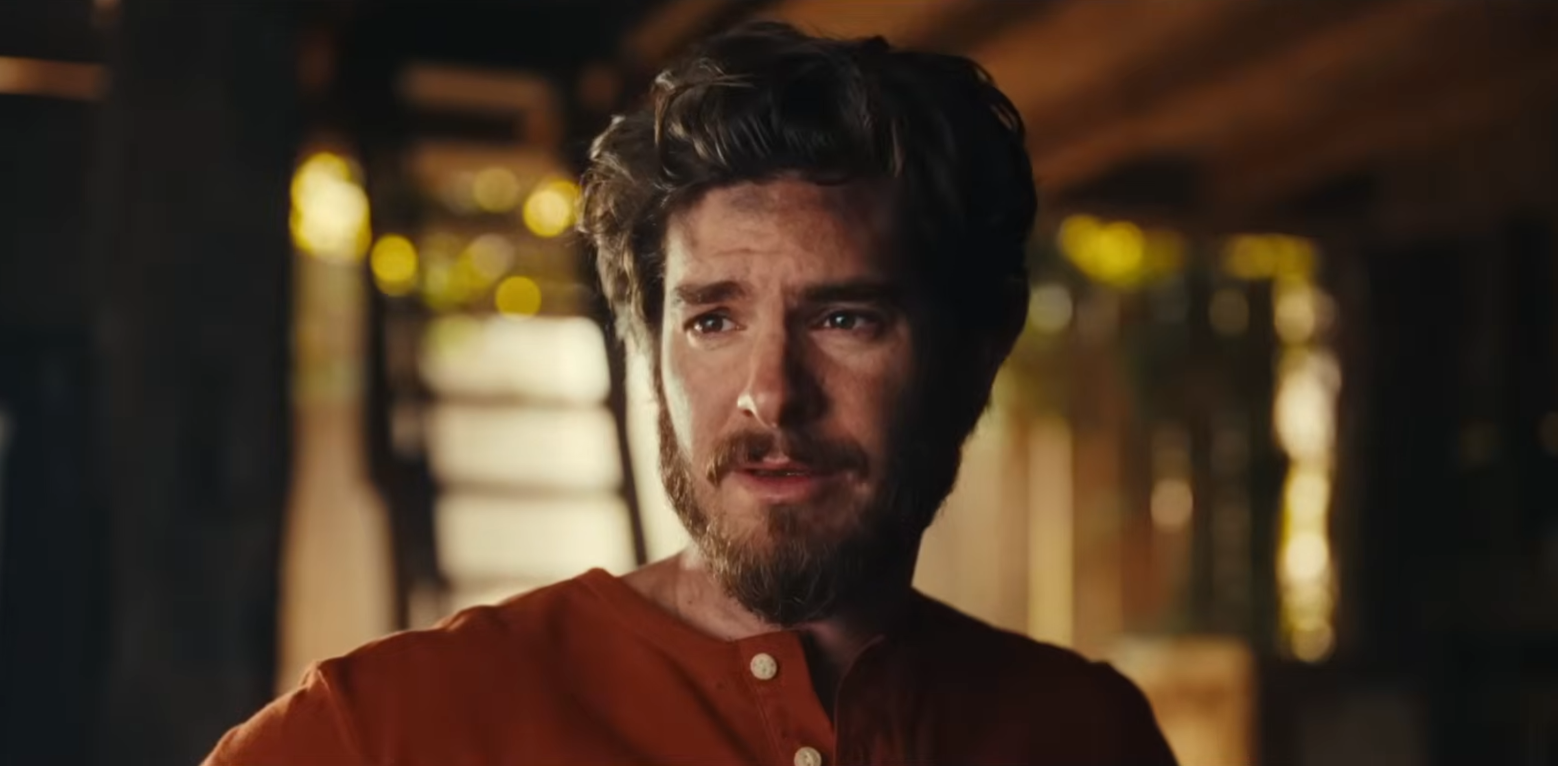
The literary world of Enid Blyton is poised for a grand cinematic revival. Vertical has officially unveiled the second trailer for the highly anticipated feature adaptation of The Magic Faraway Tree, offering a breathtaking glimpse into a world where the laws of nature are merely suggestions and the impossible is a daily occurrence. With a theatrical release date locked for August 21, 2026, the film is already generating significant buzz for its blend of nostalgic storytelling and high-concept fantasy visuals.
Main Facts: A New Chapter for a Classic Tale
The Magic Faraway Tree serves as a cornerstone of British children’s literature. The upcoming film, directed by Ben Gregor with a screenplay penned by Simon Farnaby, breathes new life into the beloved story. The narrative centers on three children who, after relocating to the countryside, stumble upon a gargantuan, ancient tree that serves as a gateway to shifting, magical lands.
The production boasts an impressive ensemble cast, grounding the fantastical elements with top-tier performances. The film features Claire Foy and Andrew Garfield as the parents, Polly and Tim, whose journey into the magical realm adds a layer of emotional stakes to the children’s adventure. The denizens of the tree are brought to life through a blend of practical effects and performance, featuring Nonso Anozie as the iconic Moonface, Nicola Coughlan as Silky, Dustin Demri-Burns as the chaotic Saucepan Man, and Rebecca Ferguson as the formidable Dame Snap.
The two-minute trailer released today clarifies the film’s central conflict: the children ignore the ominous warnings posted near the woods, leading them into a perilous encounter with Dame Snap. The stakes are raised significantly as the children face the terrifying prospect of being trapped in a transient, magical world for eternity, forcing their parents to venture into the unknown to retrieve them.
A Chronology of the Project
The journey to bring The Magic Faraway Tree to the big screen has been a meticulous process of adaptation and development.
- Early Development: For decades, Enid Blyton’s novels remained a staple of childhood reading lists, but they were notoriously difficult to adapt due to the surreal, episodic nature of the "Faraway Tree" lands.
- The Announcement: The project gained significant traction when it was confirmed that powerhouses Andrew Garfield and Claire Foy had joined the cast. This announcement signaled that the production was aiming for a prestige-level fantasy aesthetic rather than a low-budget children’s outing.
- Production and Principal Photography: Director Ben Gregor spent years refining the visual language of the film, focusing on the "jolly" yet potentially dangerous nature of the tree.
- Marketing Kickoff: The release of the initial teaser trailer earlier this year set the tone, highlighting the whimsical nature of the project.
- The Second Trailer (Present): With the second trailer, the studio has shifted the focus from mere atmosphere to narrative structure, establishing the "warning signs" plot point and introducing the primary antagonist, Dame Snap.
- The Future: With the August 21, 2026, release date finalized, the production team is now entering the final stages of post-production, ensuring the visual effects—essential for the "floating worlds"—are polished to perfection.
Supporting Data and Character Comparisons
The visual language of the film has drawn immediate comparisons to classic board games and folklore aesthetics. The character design, particularly in the case of Rebecca Ferguson’s Dame Snap and Nonso Anozie’s Moonface, evokes a specific, tactile sense of 1980s-era fantasy.
Many viewers have noted the uncanny resemblance between the film’s character designs and the iconic imagery of the classic board game Candy Land. For instance, the aesthetic of Dame Snap shares a striking likeness to the villainous Lord Licorice, while Moonface’s gentle, rounded features and jovial demeanor have drawn parallels to King Kandy. Furthermore, the portrayal of Dame Washalot echoes the nurturing but eccentric archetype of Gramma Nutt.
While these comparisons are purely speculative, they highlight the specific "whimsical" target the production team is hitting. By leaning into these bold, saturated, and slightly surreal character designs, the film taps into a deep-seated collective nostalgia that spans generations of readers and gamers alike.
Official Responses and Creative Vision
The creative team has been vocal about the importance of preserving the "Blyton spirit" while modernizing the narrative for a contemporary audience. Director Ben Gregor has emphasized that the film is designed to be a "portal," much like the tree itself, for audiences of all ages.
In a recent press statement, the producers noted, "Enid Blyton’s work has always been about the courage to explore and the consequences of curiosity. With this adaptation, we wanted to ensure that the sense of danger is just as present as the sense of wonder."
Writer Simon Farnaby, known for his work on Paddington, has reportedly focused on tightening the episodic nature of the source material. By creating a unified arc where the parents are active participants in the rescue mission, the film provides a structural anchor that was largely absent from the original short-story format. This choice has been praised by industry analysts as a smart way to broaden the appeal of the film beyond the "children’s fantasy" niche, allowing it to compete with larger franchise tentpoles.
Implications for the Industry
The release of The Magic Faraway Tree has significant implications for the current state of film adaptations.
The Return of Practical-Heavy Fantasy
In an era dominated by CGI, The Magic Faraway Tree is being touted for its reliance on physical, tangible character designs. This "tactile" approach is expected to influence how future children’s fantasy films approach their creature designs. By focusing on practical, recognizable characters, the film aims to create a stronger emotional bond with the audience.
Bridging the Generation Gap
The casting of A-list stars like Garfield and Foy serves a dual purpose. It provides the film with the star power required to secure a major theatrical release, while also signaling to adults—many of whom grew up reading Blyton—that this is a project worthy of their time. The "four-quadrant" appeal of the film is a strategic move to ensure success at the box office.
The "Whimsical" Renaissance
We are currently witnessing a shift in tone for big-budget family films. After years of dark, grit-heavy reboots, The Magic Faraway Tree signals a return to unabashed, high-color, and surreal whimsy. If the film succeeds, it could trigger a trend toward more vibrant, imaginative, and "storybook-inspired" blockbusters.
The Challenge of Adaptation
Critics have long argued that Blyton’s work is a product of a different era. The film faces the challenge of balancing the original charm with modern sensibilities. The way the production handles the "magical worlds" will be a key metric for success. Will the studio be able to capture the fluidity of the books, where worlds arrive and depart at the top of the tree, without losing the audience in the process?
Conclusion: A Summer of Magic Awaits
As August 21, 2026, approaches, the anticipation for The Magic Faraway Tree continues to grow. It is more than just a movie; it is a test of whether classic British literature can successfully make the jump to a global, modern cinematic landscape. By combining high-stakes drama with the whimsical, nostalgic aesthetic that defined the books, the film aims to be the standout family event of the summer.
For those who have spent their lives wondering what lies at the top of that mysterious tree, the wait is almost over. Whether you are a long-time fan of the novels or a newcomer to the enchanted woods, the film promises an experience that is as grounded in emotion as it is lifted by pure, unadulterated imagination. Keep your eyes on the horizon—the magic is coming.

 Basiran
 Lina Irawan