Basiran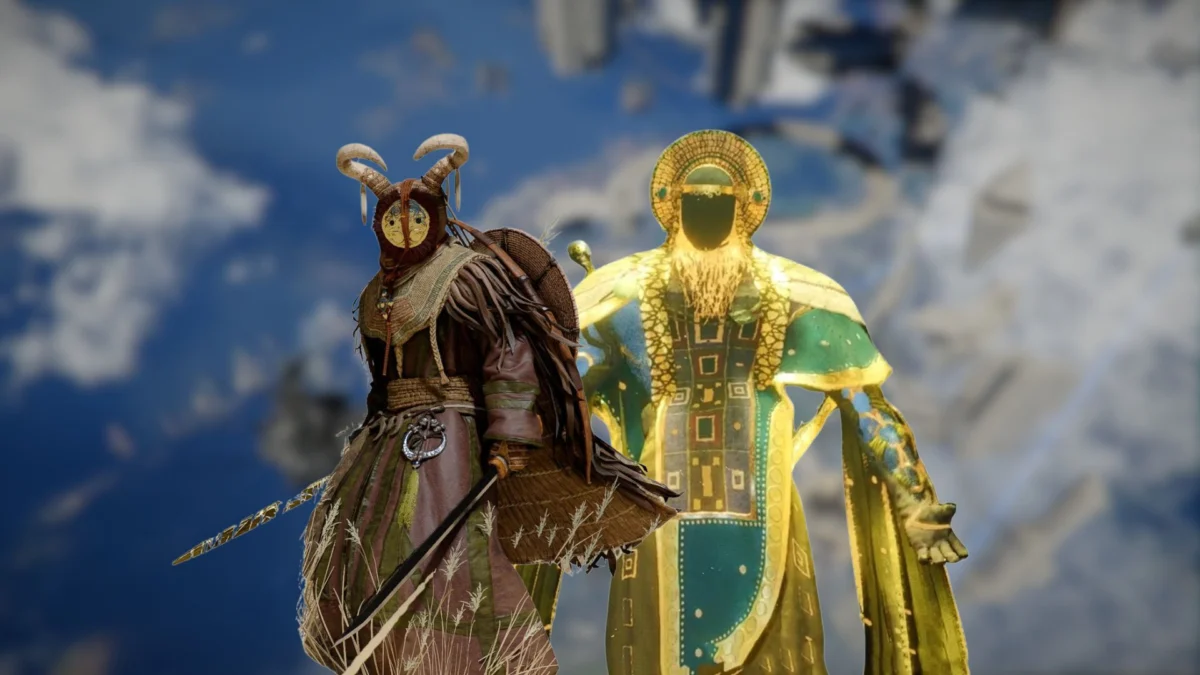
By Christian Bognar
Published June 25, 2026
Since its highly anticipated launch on March 19, 2026, Pearl Abyss’s Crimson Desert has redefined the standards for open-world action RPGs. Set against the sprawling, volatile continent of Pywel, the game tasks players with stepping into the boots of Kliff, a survivor of the decimated Greymane mercenary company. As players navigate a world characterized by shifting political alliances and supernatural threats, they are frequently confronted with combat encounters that test their mechanical proficiency, patience, and strategic adaptability.
While Crimson Desert is not strictly a Soulslike, its combat philosophy draws significant inspiration from the genre. Victory is rarely achieved through button-mashing; instead, success hinges on the player’s ability to analyze enemy movesets, manage stamina, and master the intricate combat systems that Pearl Abyss has meticulously crafted. In this analysis, we examine the eight most challenging bosses that stand between the player and the salvation of the Greymanes, ranked from the formidable to the truly insurmountable.
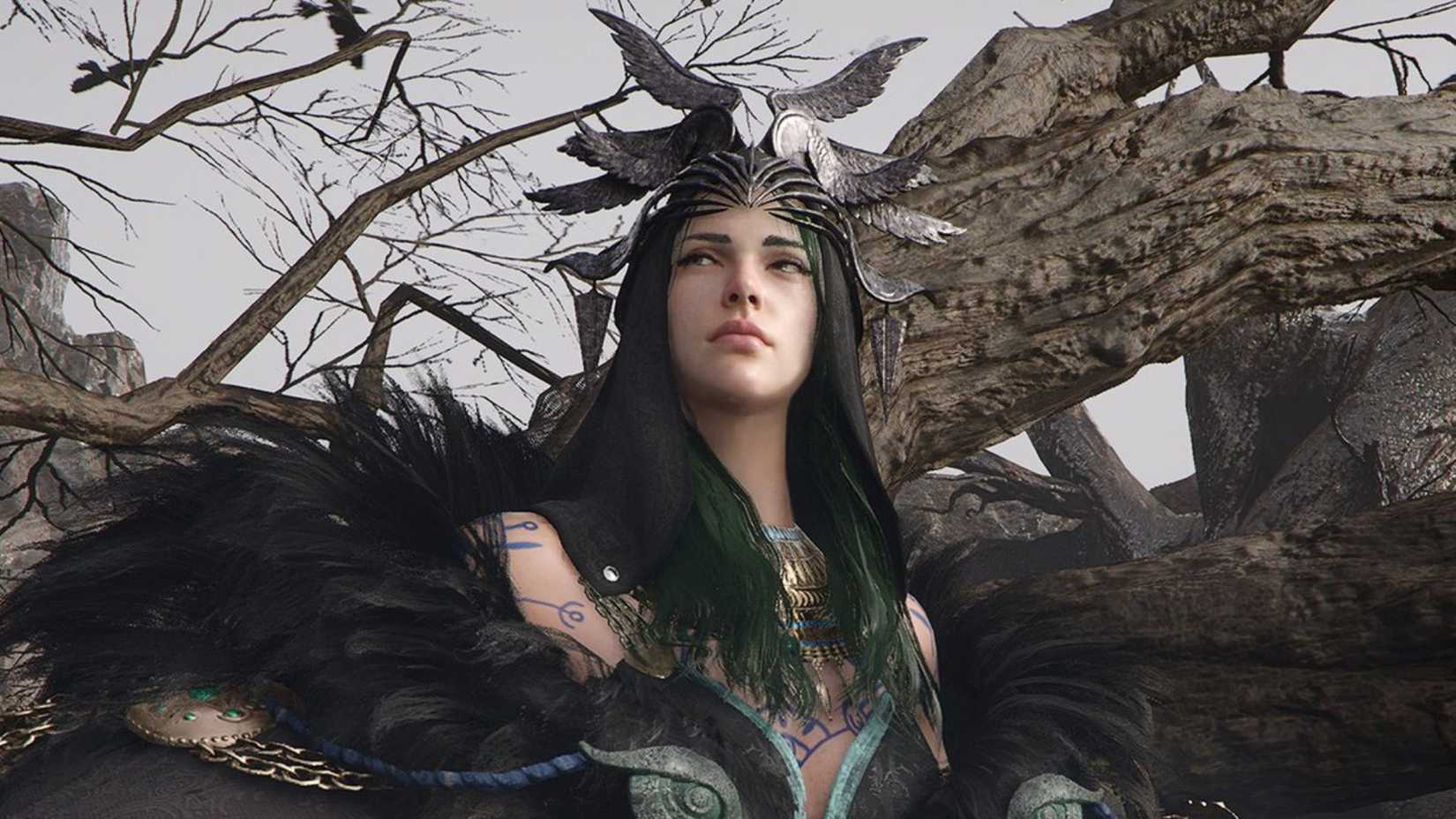
8. Hexe Marie: The Teleporting Witch
Hexe Marie represents the "jank" archetype of boss design—a fight that emphasizes environmental chaos over fair, telegraphed combat. As a primary antagonist in the early-to-mid game, she utilizes a strategy of attrition. By constantly summoning undead soldiers and a flock of crows, she forces the player to divide their attention between the primary threat and the surrounding mobs.

The core difficulty here lies in her mobility; Hexe Marie frequently teleports across the arena, breaking lock-ons and forcing players to reset their positioning. While her health pool is manageable, the artificial difficulty introduced by her minions can be deeply frustrating. The key to overcoming this encounter is aggressive crowd control; clearing the mobs quickly creates the breathing room necessary to land decisive strikes on Marie herself.
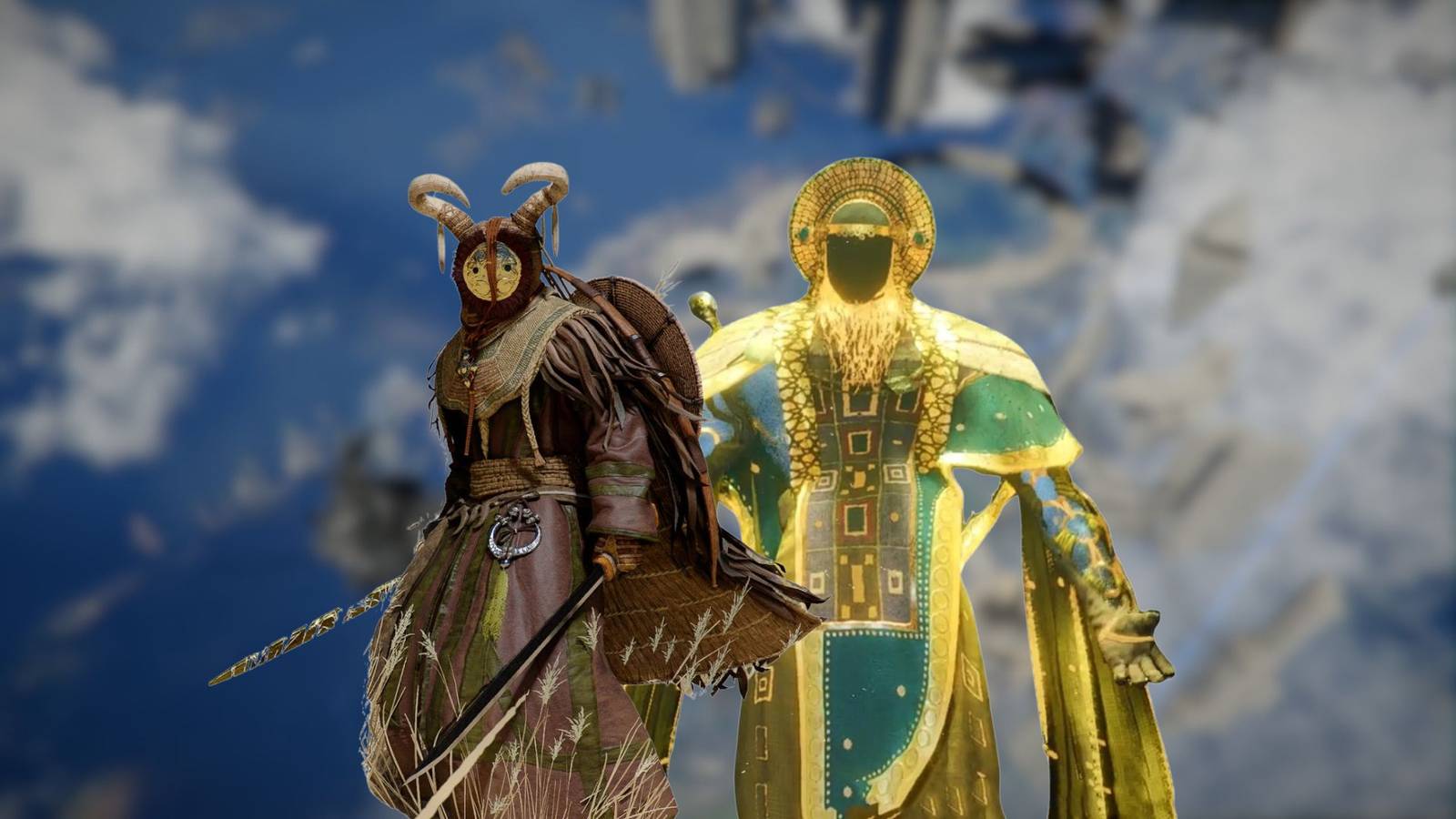
7. Myurdin, Avatar of Umbra
As one of the final obstacles in the game’s main narrative, Myurdin, Avatar of Umbra serves as a masterclass in multi-phase boss design. This fight is split into two distinct, high-intensity phases. The first phase requires steady, methodical play, but the second phase introduces a chaotic arsenal of summoned weaponry.

Myurdin’s ability to shift between close-quarters claw attacks and wide-reaching weapon slams makes him unpredictable. Players must enter this arena fully prepared—with maxed-out skill trees, top-tier armor, and a deep inventory of health restoration items. Despite the immense challenge, Myurdin is widely regarded by the community as one of the best-designed fights in the game; his attacks are punishing but fair, rewarding players who take the time to learn the rhythm of his complex animations.
6. Reed Devil: The Speed Demon
The Reed Devil stands as the first true "skill check" for players venturing into the deeper regions of Pywel. Even following several post-launch balance patches intended to lower the entry barrier, the Reed Devil remains a terrifying opponent. His speed is unmatched, and his propensity for chaining long, complex combos can deplete a player’s entire health bar in seconds.
The encounter is further complicated by his ability to spawn decoys, which act as a distraction and force the player to waste valuable stamina. The Reed Devil demands constant motion. Playing defensively often leads to being trapped in a corner, while playing too aggressively results in being countered. Success against this boss is achieved through pattern recognition; once his telegraphs become second nature, the fight transitions from a frantic struggle to a test of precision timing.
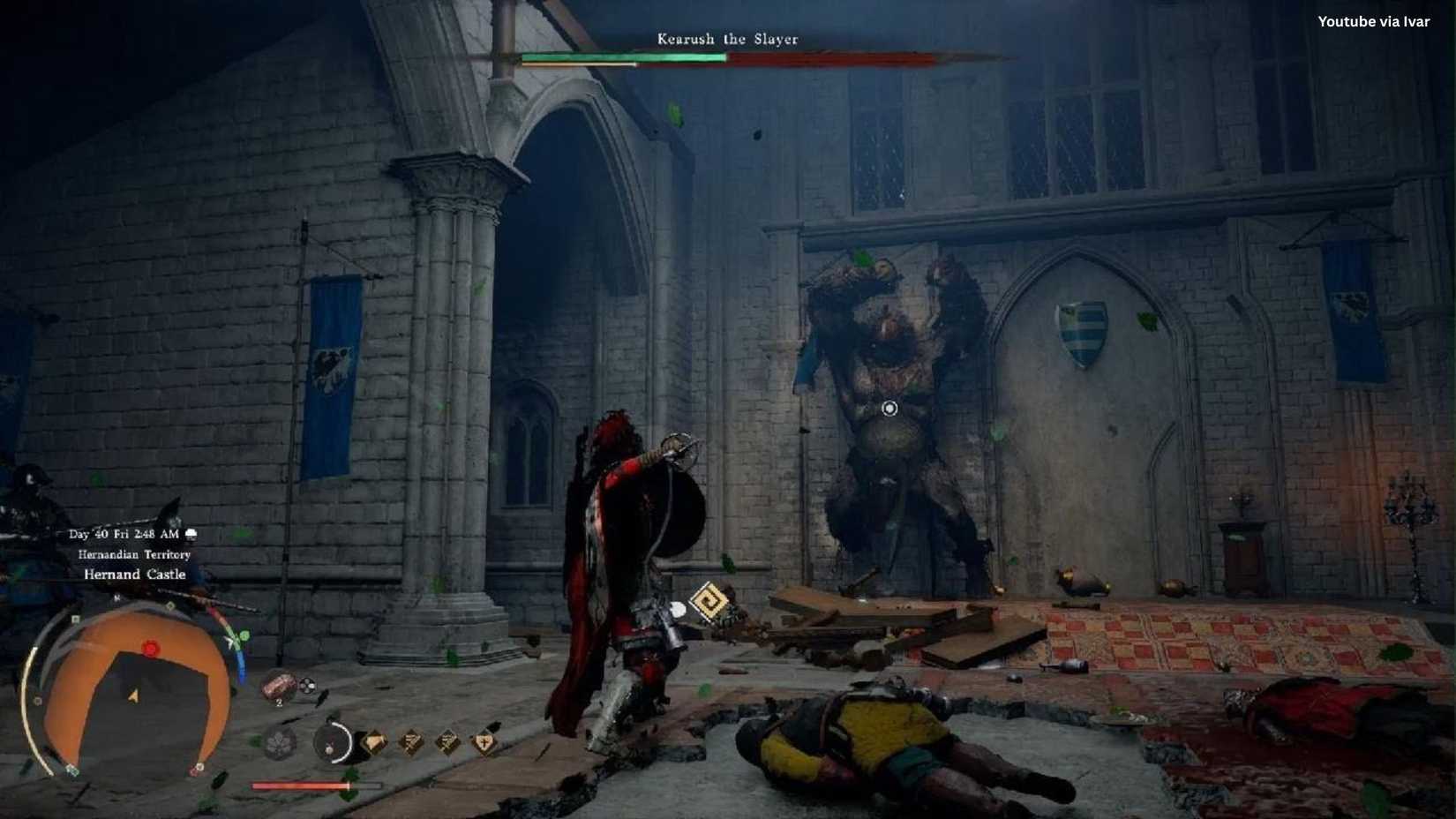
5. Kearush the Slayer: The Absolute Powerhouse
Kearush the Slayer is a lesson in the lethality of size and strength. Despite his hulking frame, Kearush possesses deceptive agility, capable of closing the gap in a split second. The fight is a brutal exercise in endurance and spatial awareness.
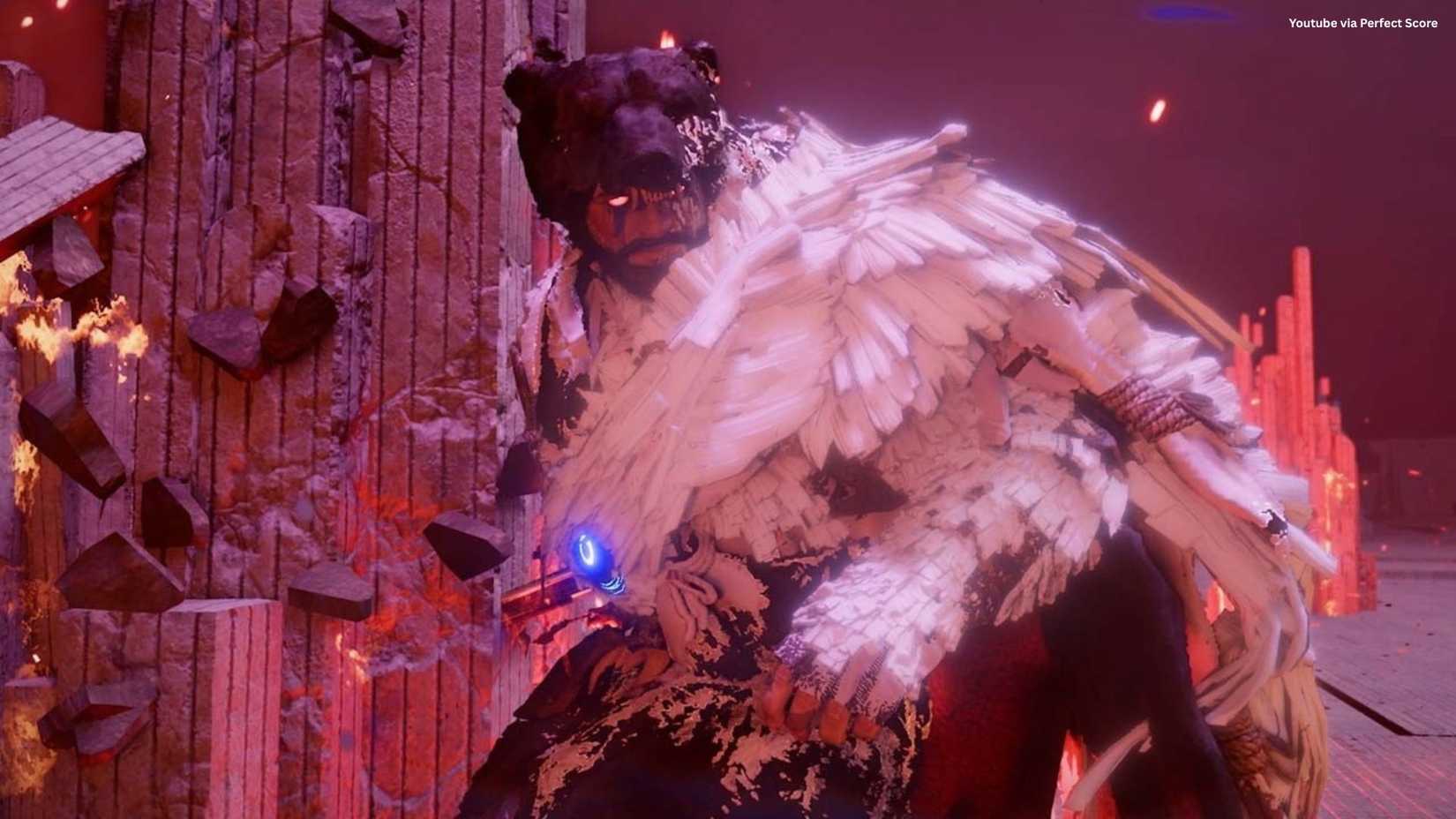
Because of his immense damage output, any mistake in positioning results in a catastrophic loss of HP. Players must resist the urge to overcommit to attacks. The fight structure demands that you wait for specific "windows of opportunity"—moments immediately following his heavier slams—to strike. It is a slow, methodical, and high-stakes duel that separates the novices from the masters of the game’s combat system.
4. One-Armed Ludvig: A Shift in Paradigms
Perhaps the most controversial boss on this list, One-Armed Ludvig is difficult not only because of his moveset, but because of the meta-narrative requirement forced upon the player. Upon reaching this point in the story, the player is compelled to swap from controlling Kliff—whose moveset they have spent 40 hours mastering—to controlling the character Oongka.
This forced shift in playstyle puts the player at an immediate disadvantage. Oongka’s combat flow is distinct, and players are expected to adapt to his specific speed and weight while simultaneously learning how to dodge Ludvig’s lightning-based Area of Effect (AoE) attacks. It is a moment of significant narrative frustration, as many players would prefer to continue the journey with the character they have developed, yet the challenge is undeniably potent, forcing a complete recalibration of one’s combat habits.
3. The Forgotten General: The Illusionary Army
The Forgotten General is a masterpiece of sensory overload. The encounter takes place in a cramped arena that severely limits the player’s ability to dodge. While the General herself is a formidable swordswoman, the true difficulty arises from her ability to summon an illusionary army from the edges of the screen.
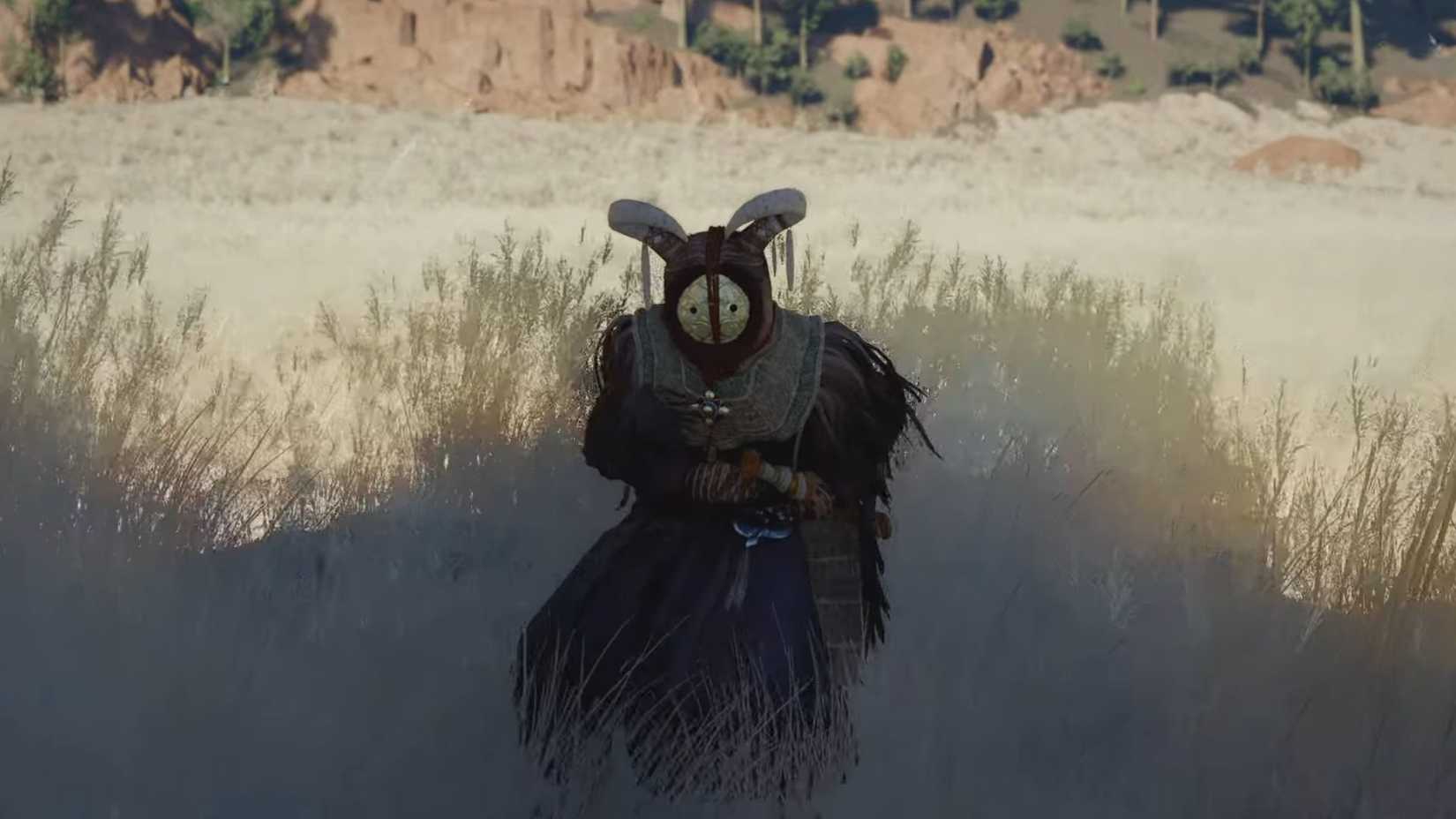
The constant pressure of these phantom soldiers means the player is never truly safe. The General’s health pool is significantly higher than most bosses at this stage of the game, making the encounter feel like a war of attrition. With few openings to heal and a constant threat of being surrounded, players must rely on their parrying abilities to survive. It is a stressful, high-intensity encounter that demands flawless execution.
2. Ator, Archon of Antumbra
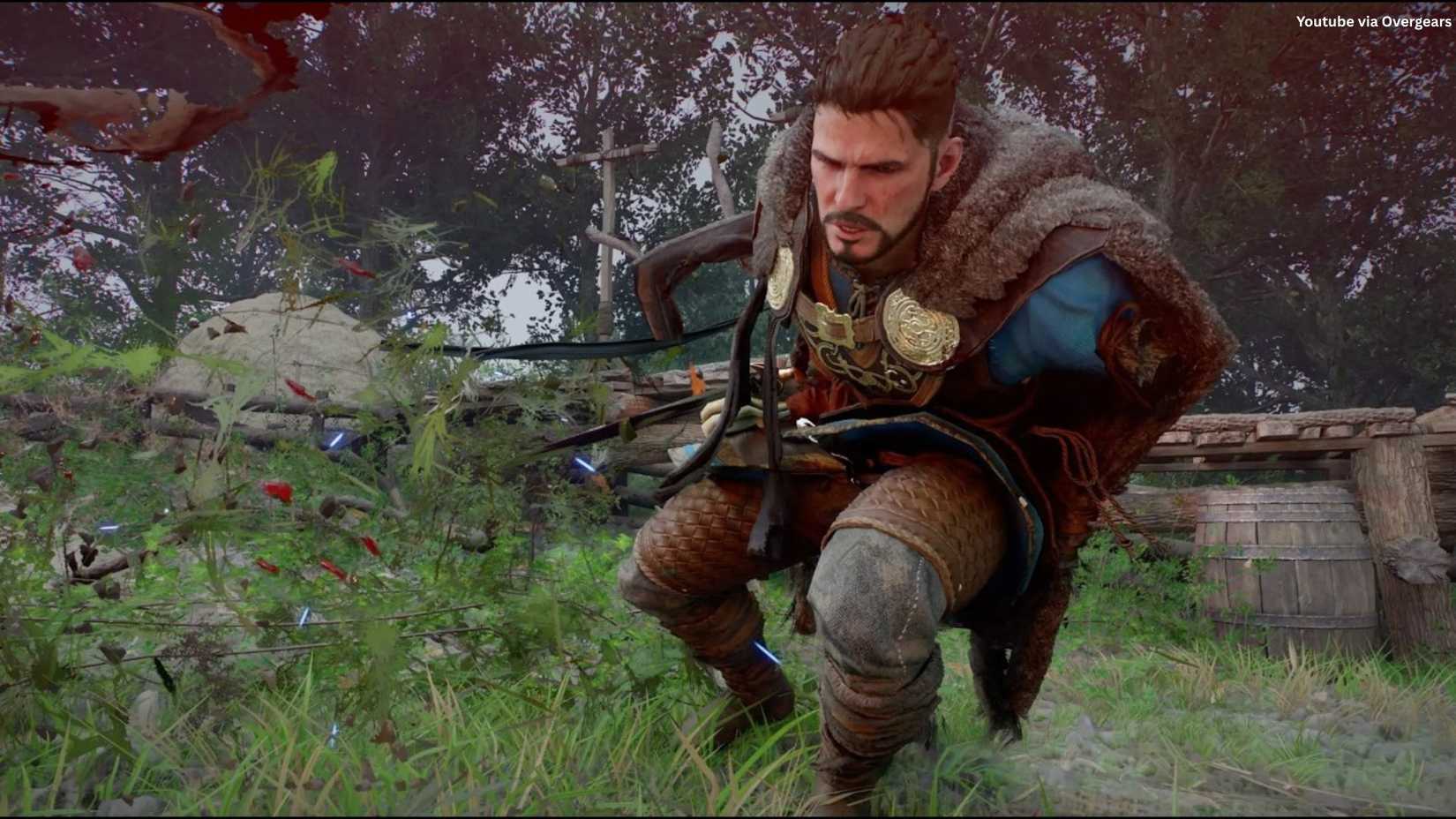
Ator, Archon of Antumbra, represents the pinnacle of magical combat in Crimson Desert. He bridges the gap between melee prowess and devastating, screen-filling magic attacks. Unlike the "brute force" bosses found earlier on this list, Ator is a test of reflexes. His projectiles are fast, and his AoE magic leaves very little room for error.
The margin for error in this fight is razor-thin. Dodging a millisecond too early or too late will result in being caught in his follow-up combos. The fight is a marathon of concentration; many players report dozens of attempts before successfully navigating the complex web of his magical telegraphs. It is an encounter that demands absolute mastery of the game’s dodge-and-counter mechanics.
1. Beloth the Darksworn: The Ultimate Test
The undisputed hardest boss in Crimson Desert is the optional encounter with Beloth the Darksworn. Situated in a freezing, high-altitude environment, this fight adds a survival layer to the combat mechanics: the cold actively drains the player’s stamina, making every movement a calculated risk.
Beloth himself is a combat engine of destruction. He wields a halberd with terrifying range and speed, utilizes dashes to close gaps instantly, and commands the weather itself to spawn hailstorms and tornados that clutter the battlefield. Because the player’s stamina is already compromised by the environmental effects, the ability to dodge is severely hampered. This creates a scenario where the player is forced to play with extreme efficiency. There is no room for mistakes, and the boss’s moveset is so diverse that it requires the player to be ready for almost any type of attack at any given moment. Defeating Beloth is not just a victory; it is a monumental achievement in Crimson Desert.
Implications for the Player Experience
The inclusion of such difficult encounters serves as a cornerstone of the Crimson Desert experience. By forcing players to engage deeply with the mechanics of the game—crafting, skill upgrades, and weapon selection—Pearl Abyss ensures that every victory feels earned. As players continue to traverse the continent of Pywel, these bosses act as landmarks of progression, signaling to the player that they have truly mastered the art of survival in a world that is inherently hostile to their existence. Whether through the sheer brute force of Kearush or the magical brilliance of Ator, the bosses of Crimson Desert remain a testament to the depth and complexity of modern action RPG design.


 Laily UPN
 Evan Lee Salim