Reynand Wu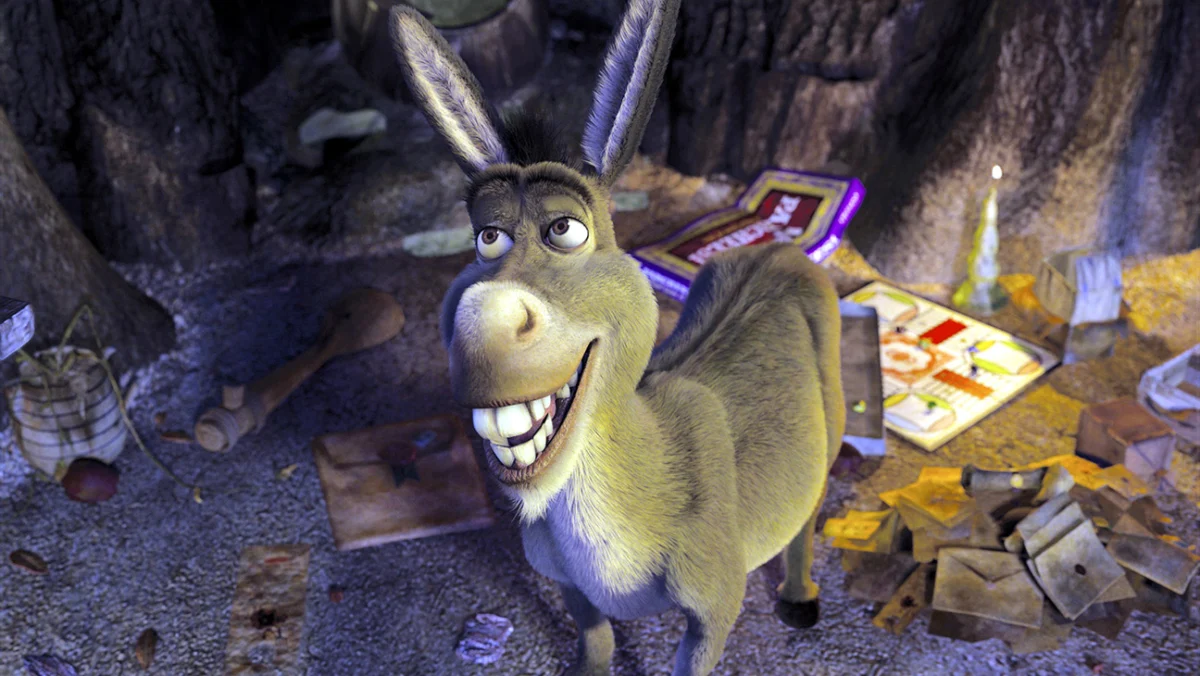
The Main Event: A DreamWorks Icon Gets the Spotlight
In a move that promises to satisfy the cravings of a generation raised on the irreverent humor of Far Far Away, Universal Pictures and DreamWorks Animation have officially confirmed that the most talkative character in animation history is finally getting his own feature film. Eddie Murphy, the comedic powerhouse who has defined the role of Donkey since the franchise’s inception in 2001, is set to return to the recording booth for Donkey, a standalone theatrical release scheduled to hit cinemas on June 30, 2028.
The announcement, delivered this past Thursday, marks a significant expansion of the Shrek cinematic universe. While the franchise has spawned numerous sequels, holiday specials, and spin-offs—most notably the Puss in Boots saga—Donkey has remained the essential sidekick. With his signature optimism, relentless chatter, and an undying love for waffles, Donkey has served as the heart and comic relief of the series for over two decades. Now, he is poised to carry the narrative weight of his own feature-length adventure.
A Legacy of Laughter: The Chronology of an Icon
To understand the significance of this announcement, one must look back at the cultural footprint of the character. When Shrek premiered in 2001, it fundamentally altered the landscape of animated filmmaking. It introduced a cynical, subverted fairy tale aesthetic that prioritized sharp, adult-leaning wit over the saccharine sentimentality of traditional animated features.
The Rise of the Donkey (2001–2004)
In the original 2001 Shrek, Eddie Murphy’s performance was widely credited with helping the film become the first-ever Academy Award winner for Best Animated Feature. Murphy’s improvisational energy brought a human vulnerability to the CGI character, turning a simple sidekick into a cultural phenomenon. By the time Shrek 2 arrived in 2004, the character’s popularity was so immense that he became the face of the franchise’s marketing campaigns.
The Expanding Universe (2007–2022)
Throughout the subsequent sequels—Shrek the Third (2007) and Shrek Forever After (2010)—Donkey’s dynamic with Shrek and Princess Fiona remained the bedrock of the series. Even as the franchise pivoted toward the Puss in Boots spin-offs, which garnered critical acclaim for their stylistic risks, the absence of a dedicated Donkey project felt like a missed opportunity to many fans. The 2028 announcement serves as a correction to that oversight, effectively closing the circle on the core trio of the original film.
Behind the Scenes: The Creative Team
Universal and DreamWorks have entrusted this high-profile project to a veteran creative team capable of balancing the franchise’s legacy with a fresh narrative perspective.
- Director Charlie Bean: Known for his work on The LEGO Ninjago Movie and his contributions to various high-profile animated series, Bean brings a background in fast-paced, character-driven storytelling.
- Co-Director Matt Flynn: Joining Bean is Matt Flynn, whose collaborative approach is expected to ensure the film retains the visual fidelity and comedic timing that audiences associate with the Shrek aesthetic.
- Producer Rebecca Huntley: With a proven track record in studio-level animation production, Huntley is tasked with managing the massive logistical requirements of an A-list animated feature, ensuring that the project meets the high production standards set by its predecessors.
The Strategic Road Map: Shrek 5 and Beyond
The announcement of Donkey does not exist in a vacuum. It is part of a calculated strategy by Universal to revitalize the DreamWorks brand. Fans of the franchise have a busy few years ahead:
- June 30, 2027: Shrek 5 is slated for release, reuniting the core cast for a new chapter in the main saga.
- June 30, 2028: Donkey hits theaters exactly one year later, likely capitalizing on the renewed interest generated by the fifth installment.
This "back-to-back" release strategy suggests that Universal is banking on a sustained cultural conversation surrounding the Shrek brand, turning the late 2020s into a multi-year event for fans of the franchise.
The Murphy Factor: Why Eddie Still Matters
The return of Eddie Murphy is the linchpin of this project. In an era where many legacy franchises recast roles or rely on sound-alike voice actors, Murphy’s return is a testament to his continued connection to the character. His performance as Donkey is frequently cited as one of the greatest vocal performances in animation history, ranking alongside Robin Williams’ Genie in Aladdin.
Industry analysts note that Murphy’s involvement ensures "brand integrity." By securing the original talent, Universal mitigates the risk of alienating long-term fans. Murphy has frequently spoken about his affection for the character, often noting in interviews that he is ready to voice Donkey "at any time."
Implications for the Animation Industry
The greenlighting of Donkey signals a broader shift in Hollywood’s approach to intellectual property. Rather than simply rebooting old franchises, studios are increasingly looking to "character-centric expansion." By spinning off a beloved secondary character, the studio can explore different narrative tones without compromising the canon of the original films.
Economic Impact
Shrek remains one of the most profitable animated franchises in history, with cumulative box office earnings well into the billions. A standalone Donkey film represents a low-risk, high-reward investment. The merchandising potential alone—ranging from toys and apparel to theme park integration at Universal Studios—is immense.
Creative Challenges
The primary challenge facing the team behind Donkey will be narrative scope. Can a character who serves as a secondary comedic engine carry an entire film? History provides mixed results for "sidekick-led" spin-offs. However, given the emotional depth hinted at in previous films—particularly concerning Donkey’s relationship with Dragon and their children—there is a rich, unexplored backstory that could provide the emotional backbone for a feature-length film.
The Fan Perspective and Cultural Resonance
On social media and in fan communities, the news has been met with overwhelming enthusiasm. The "Donkey" character has achieved a unique status in internet culture, with his quotes and expressions frequently used in memes and GIFs. This cultural longevity is rare and provides the film with a built-in marketing machine.
However, some critics have raised concerns about "franchise fatigue." With the animation market becoming increasingly crowded with sequels and spin-offs, the pressure is on Universal to ensure that Donkey feels like a necessary story, rather than a corporate cash-grab. The success of Puss in Boots: The Last Wish proved that audiences are willing to embrace spin-offs if they are executed with artistic integrity and emotional weight. The creative team will need to replicate that delicate balance of humor and heart to satisfy a sophisticated modern audience.
Conclusion: A Future in Waffles
As we look toward 2028, the excitement surrounding Donkey is palpable. It is a rare case where a studio is revisiting a foundational pillar of its history with the original talent intact, providing a sense of continuity that is increasingly rare in contemporary cinema.
Whether the film will focus on Donkey’s origin story, his life as a father, or a new quest involving his favorite breakfast food remains to be seen. But one thing is certain: in the world of Far Far Away, the conversation is only just beginning. As the industry turns its eyes toward the summer of 2028, the question is not whether audiences will show up, but rather, what kind of trouble a talking donkey can get into when he finally takes center stage.
More details regarding the plot, supporting cast, and international release dates are expected to follow in the coming months as production enters its primary phase.

 Nana
Nana
 Jia Lissa