Nila Kartika Wati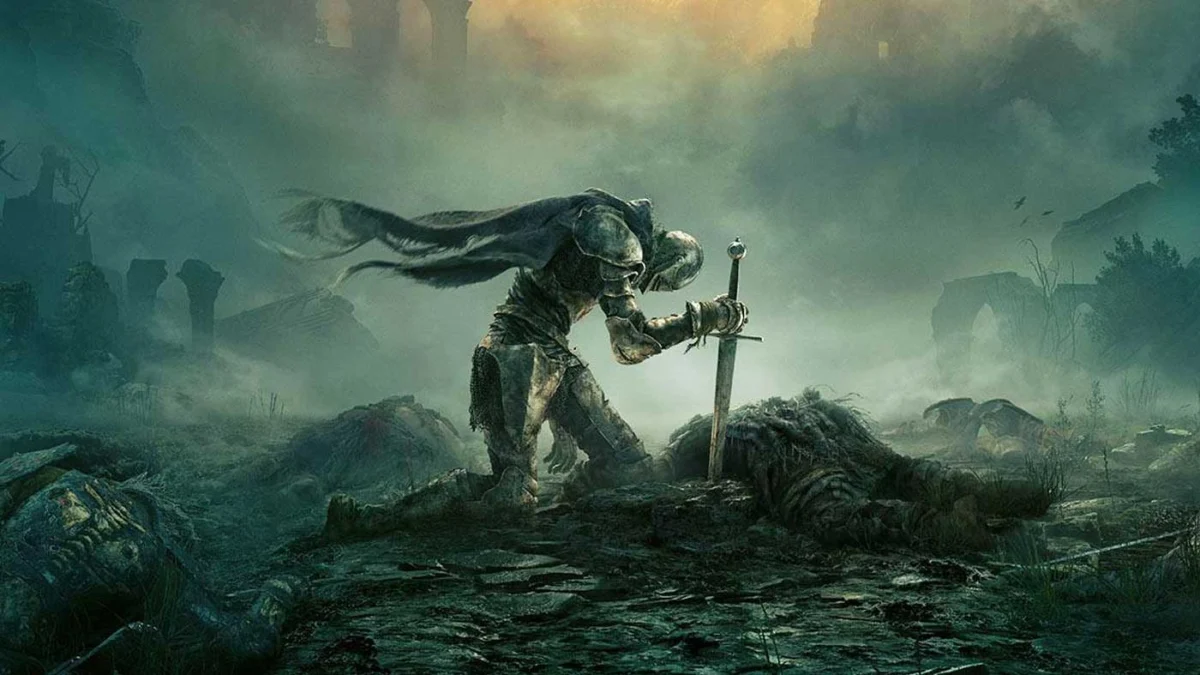
The corporate corridors of Kadokawa Corporation, the Japanese media giant and parent company of the acclaimed game studio FromSoftware, have been marked by significant volatility this week. At the company’s recent Annual General Meeting (AGM), CEO Takeshi Natsuno successfully fended off a high-profile attempt by activist investors to remove him from his post. However, while Natsuno remains at the helm, the victory is pyrrhic: his shareholder approval rating has plummeted from a comfortable 90% to a precarious 59.68% over the past year.
The move to oust Natsuno, spearheaded by Hong Kong-based activist group Oasis Management, highlights a growing tension between traditional Japanese corporate governance and the aggressive demands of global investment firms seeking to maximize returns from blockbuster intellectual properties (IP).
The Core Conflict: Capitalizing on a Global Phenomenon
At the heart of the dispute lies Elden Ring, the 2022 action RPG that transformed FromSoftware from a critical darling into a global powerhouse. Since its release, the title has sold over 30 million units, with its massive expansion, Shadow of the Erdtree, moving an additional 10 million units as of 2025.
Oasis Management, which as of March 2025 became Kadokawa’s largest shareholder with an 11.89% stake, has publicly criticized the company’s management for what they term "material profit leakage." The argument is that while Elden Ring is a generation-defining success, Kadokawa has been too passive in leveraging the brand’s reach. They contend that the company’s executive leadership has failed to adequately monetize the IP, missing opportunities to scale the brand across film, television, and merchandise at the pace demanded by the current market.
This sentiment was echoed by another major proxy advisory firm, Institutional Shareholder Services (ISS), which urged shareholders to consider a leadership change. In a proxy report released ahead of the AGM, ISS noted: "While it may take time to find a replacement for Natsuno, this is a challenge worth accepting," signaling that the investor community’s appetite for disruption at the executive level is far from satiated.
A Chronology of the FromSoftware-Kadokawa Relationship
To understand the current friction, one must look at the evolution of the partnership between the parent corporation and its star subsidiary.
- 2014: Kadokawa Corporation acquires FromSoftware. While the financial details of the deal were never disclosed, it proved to be one of the most significant acquisitions in the history of the gaming industry.
- 2022: The release of Elden Ring catapults Kadokawa into a new financial bracket, with the gaming division reporting a staggering 123% increase in revenue.
- 2023–2024: Institutional investors, including Sony (10.04% stake) and Tencent (7.97% stake), watch as Oasis Management aggressively accumulates shares, eventually eclipsing Sony to become the top shareholder.
- 2025: FromSoftware releases Nightreign, a multiplayer-focused spin-off. It marks a significant milestone as the first time the studio has created a direct spin-off from a Soulslike title, shifting five million units. Despite this, activist pressure mounts regarding the "slow" pace of IP expansion.
- June 2026: The AGM becomes a flashpoint for corporate governance, where Natsuno survives the vote but loses nearly 30% of his support base.
Supporting Data: By the Numbers
The friction at Kadokawa is a classic case study of the "value gap." From a creative and critical standpoint, FromSoftware has been virtually flawless. However, the financial metrics indicate that the parent company’s stock price and shareholder dividends have not kept pace with the explosive growth of the Elden Ring brand.
| Metric | Status / Value |
|---|---|
| Oasis Management Stake | 11.89% (Largest Shareholder) |
| Sony Stake | 10.04% |
| Tencent Stake | 7.97% |
| Elden Ring Base Sales | 30 Million+ (as of April 2025) |
| Shadow of the Erdtree Sales | 10 Million+ |
| Nightreign Sales | 5 Million+ |
| CEO Approval (2025) | 90% |
| CEO Approval (2026) | 59.68% |
The data paints a clear picture: shareholders are not unhappy with the quality of the games—they are unhappy with the corporate velocity. Oasis Management points to the delay in aggressive media expansion as a failure of vision. While the upcoming Elden Ring film, helmed by Academy Award-nominated director Alex Garland (known for Ex Machina and Civil War), is slated for a March 3, 2028 release, investors are asking why such high-value projects were not greenlit and initiated years sooner.
Official Responses and Internal Maneuvering
In the wake of the narrow survival of the CEO, Kadokawa’s board has adopted a conciliatory, if cautious, tone. In a statement issued immediately following the conclusion of the AGM, the board acknowledged the "significant feedback" from the shareholder base.
"Kadokawa remains committed to delivering long-term value to our stakeholders," the statement read. "In response to the concerns raised, the board will initiate a comprehensive review of our management structure, executive compensation policies, and the effectiveness of our medium-term business plan."
Industry observers interpret this as a promise of reform. It is highly probable that the company will announce a reshuffling of the board or a new incentive structure tied more directly to the performance of its gaming division. The goal is likely to appease the activist wing without fully ceding control to them. However, for a CEO to retain his position with less than 60% support in a Japanese corporate culture—where high approval ratings are typically expected—the pressure remains immense.
The Broader Implications: Gaming Giants Under Siege
The situation at Kadokawa is representative of a larger, systemic change in the gaming industry. As game development costs soar and titles like Elden Ring become "mega-franchises," they are no longer just products; they are corporate assets that rival movie studios in their capacity to generate revenue.
This "Hollywoodization" of gaming has brought in aggressive investment firms that view game publishers as under-managed conglomerates. The implication for developers like FromSoftware is profound. While these companies provide the capital required to build massive, high-fidelity worlds, they also bring a level of oversight that is often at odds with the "art-first" mentality that made these studios successful in the first place.
If Kadokawa fails to meet the growth targets set by Oasis Management, the company could face a hostile takeover bid or a forced divestiture of its gaming assets. For now, the board has bought itself time, but the "business as usual" approach is effectively dead. The coming months will be defined by how well Natsuno can balance the creative independence of FromSoftware with the relentless financial demands of a shareholder base that no longer feels the current leadership is maximizing the potential of their most valuable asset.
As we look toward the 2028 film release and the potential for future spin-offs, all eyes will remain on the Kadokawa boardroom. The era of the passive shareholder in the Japanese gaming sector has officially come to an end, and the fallout of this year’s AGM will likely dictate the strategy for the industry’s biggest players for the remainder of the decade.


 Pevita Pearce
 Laily UPN